
 Adventure Tours
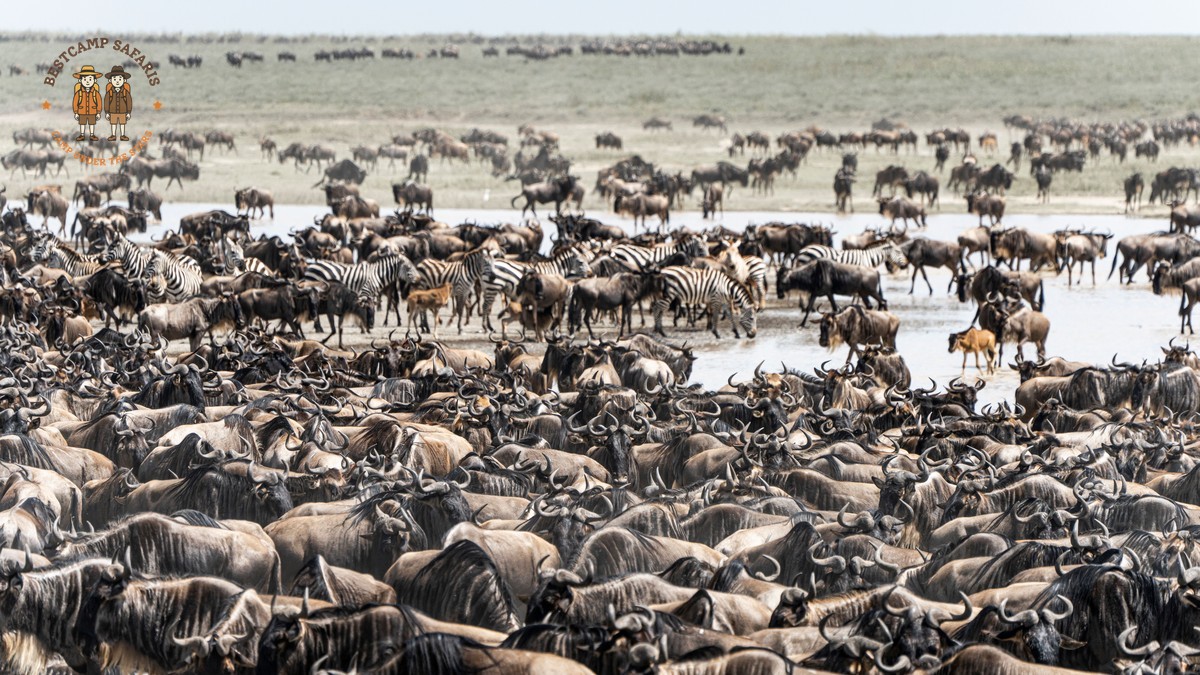
Ask a guide where the wildebeest will be next week and you will get an honest shrug. Rain moves the herds. I have woken on canvas cots, smelled last night’s woodsmoke, and watched the first vehicle start before sunrise. The choice of camp does more work than luck. This Masai Mara migration camping guide walks you through seven smart choices.
1. Go in August or September
July through October is the main migration-viewing window in the Masai Mara, with August and September usually offering the strongest river-crossing potential. June and July can bring arriving herds and better value, while October can offer thinner crowds. Herd movements depend on rainfall, so dates improve your odds but never guarantee a crossing.
Use the calendar before you fall in love with a camp name. Great Migration Masai Mara herds follow grass and rain more than dates, so build in flexible mornings. If you can only travel in late September or early October, plan for quieter riverbanks rather than guaranteed action.
2. Match Your Camp to a River Zone
Choose a camp according to the crossing zone you want to reach, not simply the phrase “Masai Mara.” Northern Mara and Musiara camps can shorten drives to eastern river sectors, Mara Triangle camps suit western crossings, and Sand River camps target southern entry routes. Confirm the nearest gate, airstrip and actual drive time before booking.
Compare the main zones before you compare lodge names.
| Camping zone | Why it matters | Gate or airstrip | Fee note |
|---|---|---|---|
| Northern Mara / Musiara | Upper Mara River crossing areas | Musiara Airstrip or Sekenani Gate | USD 200 per adult per day July to December, USD 100 January to June |
| Mara Triangle | West-side river bends with fewer vehicles | Oloololo Gate | USD 200 per adult per day July to December, USD 100 January to June |
| Sand River area | Southern river loops near the Tanzanian border | Sand River Gate | USD 200 per adult per day July to December, USD 100 January to June |
| Naboisho or Mara North | Private conservancy flexibility beside the reserve | Naboisho Airstrip or Kichwa Tembo Airstrip | Conservancy fee roughly USD 80 to 150 per person per night |
Ask what the drive time really is from the camp to the likely crossing stretch. A camp can say “close to the river” and still sit 90 minutes away. If you prefer a Mara Triangle camp, ask for Oloololo Gate access. The right Masai Mara river crossing camp depends on those details, not on a lodge name.
3. Choose Between Mobile and Permanent Camps
A mobile camp offers flexibility and a closer-to-nature experience because it can reposition seasonally, while a permanent camp usually provides more predictable facilities, established roads and fixed logistics. Mobile does not mean moving every day: many camps stay several nights or a full season in one location. Choose mobility for positioning and permanence for comfort.
The best Masai Mara migration camps are not always the most famous ones. A mobile camp gives you the option to follow the herd pattern for your travel month. Permanent camps give you established roads, flush toilets and a fixed dining tent. They also commit you to one view.
If you want a night under open sky, compare a Masai Mara fly camp versus mobile camp. If daily moves worry you, read about how often a mobile camp moves. For rainy month planning, see Masai Mara mobile camping in the rainy season.
BestCamp Safaris starts a camping safari by asking which camp type fits your dates. Then it matches the movement plan to the migration, not the other way around.
4. Book at Least Four Nights
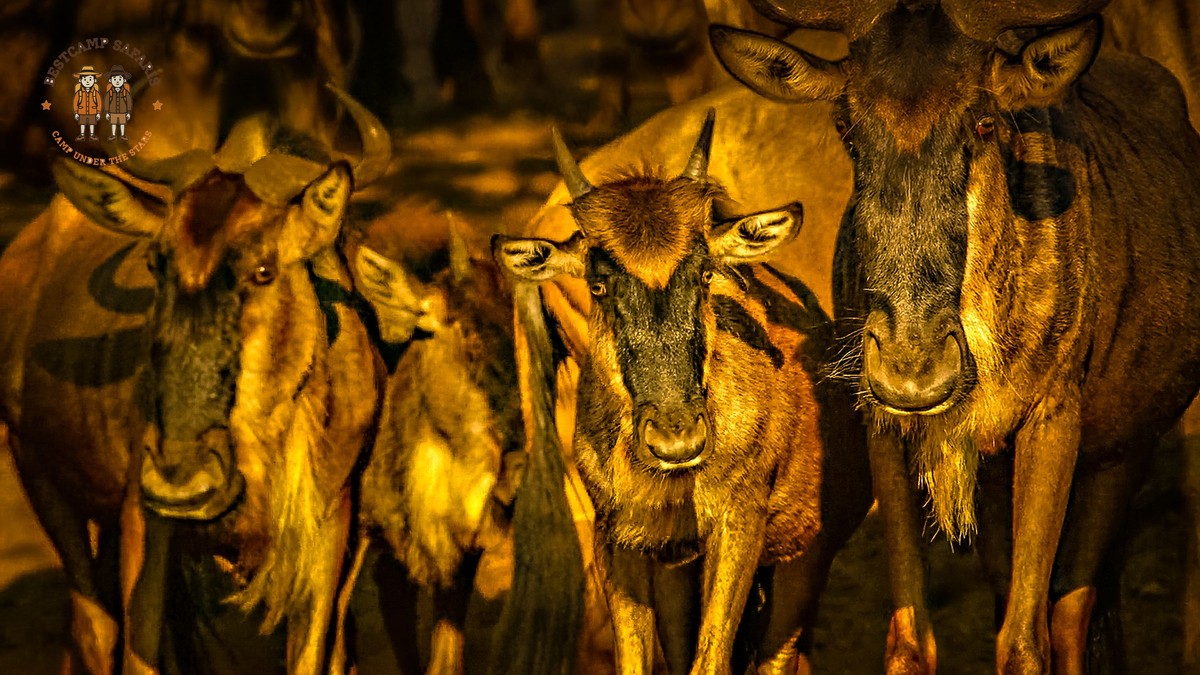
Plan at least four nights for a realistic chance of seeing a river crossing, and five to seven nights if the crossing is your priority. A longer stay gives guides more time to respond when herds shift, weather changes or a crossing happens in another sector. Two nights can work for general wildlife, but it is a weak crossing strategy.
Four nights gives you at least six full drives. Do not treat them all the same. Day one is for settling in. Day two is your serious crossing watch. Day three is a backup zone or a private conservancy. Day four is the final push before you fly out.
For photographers, four first-light starts are just as valuable. Ask camp staff for a packed breakfast and coffee. You should already be on the river bank when the first light hits the grass.
5. Compare the Full Cost, Not Just the Rate
Migration camping prices vary from roughly USD 180 to USD 380 per person per night for mid-range options to USD 500 to USD 1,100 or more for premium camps, before checking every inclusion. Compare meals, shared or private drives, transfers, park fees, conservancy fees, drinks and single supplements separately; a cheaper tent can cost more after mandatory fees and long transfers.
The real Masai Mara camping safari cost lives in the add ons. Narok County manages the Masai Mara National Reserve, not KWS, and it charges USD 100 per adult per day from January to June. From July to December, that fee rises to USD 200. Two adults spending four nights in the reserve during peak season can add about USD 1,600 in park fees if those are not included. Private conservancies like Naboisho and Mara North usually add USD 80 to 150 per person per night.
Ask for a written quote with every fee shown separately.
6. Vet the Guide and Vehicle
Ask about the vehicle and the guide before you pay. Find out how many people share the jeep, whether a pop-up roof is standard, and whether drives are flexible. For a wildlife photographer, four passengers in a vehicle beats six.
Confirm the guide has worked the same crossing stretch for at least two seasons, since local memory of crossing points matters more than a shiny 4×4. Prioritize four checks: the camp’s location relative to likely crossing zones, the guide’s local experience, the vehicle policy and the full cost. These practical details often matter more than camp star ratings.
7. Masai Mara Migration Camping Guide Tip: Position for Golden Hour
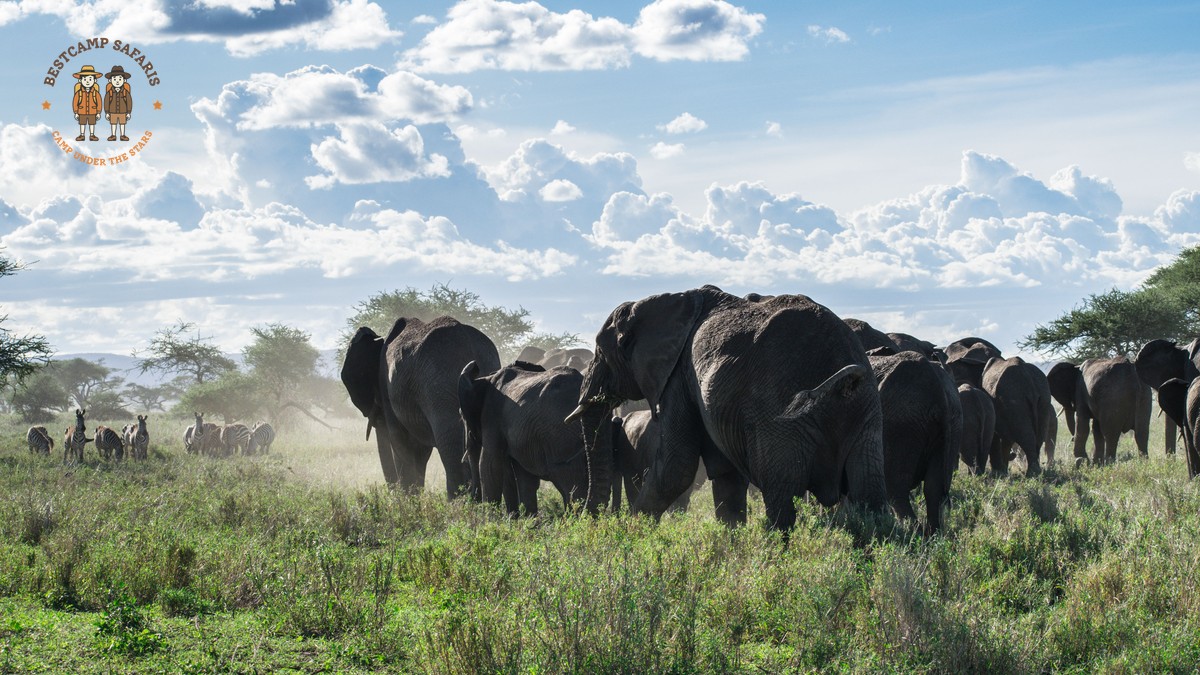
Ask which direction the camp faces at sunrise and how long the first drive to the river takes. A camp 90 minutes from the crossing zone means a painful pre-dawn start with weak light left by arrival. Camp positioning is a photography decision, not just a logistics one.
BestCamp Safaris checks this before sending a quote. Once, a guide and I watched a false crossing for 40 minutes before the herd turned back. Patience paid off later when columns entered at a different bend. That is why local memory and enough mornings matter more than luck.
Your Next Step: Plan with BestCamp Safaris
Choose a travel month and a rough budget. Then send those dates to BestCamp Safaris through our contact page and ask one question: can this camp reach the crossing zone I want before the light is too strong? BestCamp Safaris will quote with park fees and transfers shown separately. Peak migration camps fill fast, so start with a four-night outline and adjust from there.


