 Adventure Tours
Some of the best nights in the Masai Mara happen under light canvas. But light means different things to different campers. One night could be spent on a camp bed beside an open fire. Another could happen in a roomy tent with a mattress, a private shower, and a dining table.
Both setups are called camping. They are not the same experience.
If this is your first camping safari, the vocabulary can confuse you more than the wildlife does. Before you book, compare a Masai Mara fly camp versus mobile camp on five factors: structure, comfort, location, cost, and travel style.
1. What a Fly Camp and a Mobile Camp Really Mean
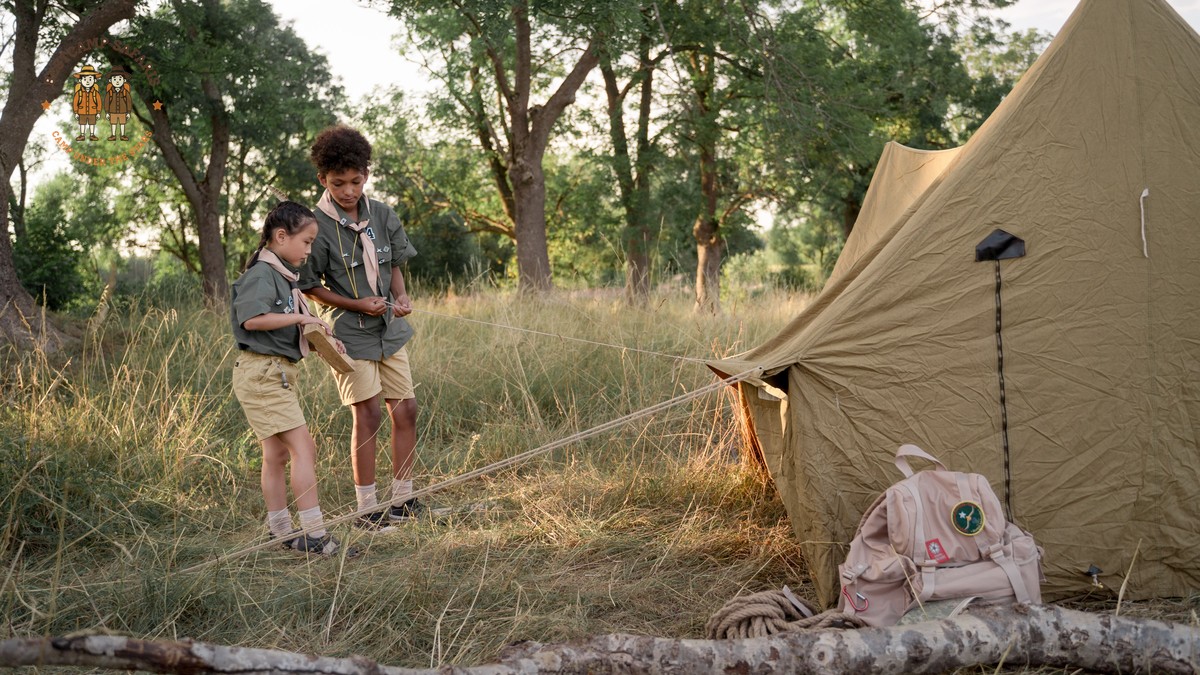
A fly camp is a lightweight, short-stay camp pitched for one or two nights. It is often reached on foot. It uses camp beds, a bucket shower, and a portable or long-drop toilet. A mobile camp is larger. It relocates every few days or seasonally, usually with proper beds, more equipment, private bathrooms, and a dining tent.
Fly camping in Kenya often gets sold as a night under the stars. That is only part of the story. The fly camp is the stripped down version. A small crew sets it up quickly, supports the night, and takes it down the next morning. Guests often arrive after a walking safari. The walk is short, usually a few kilometres from a base camp, but it changes how the evening feels. There is no vehicle engine idling nearby. There is just grass, canvas, firelight, and the dark.
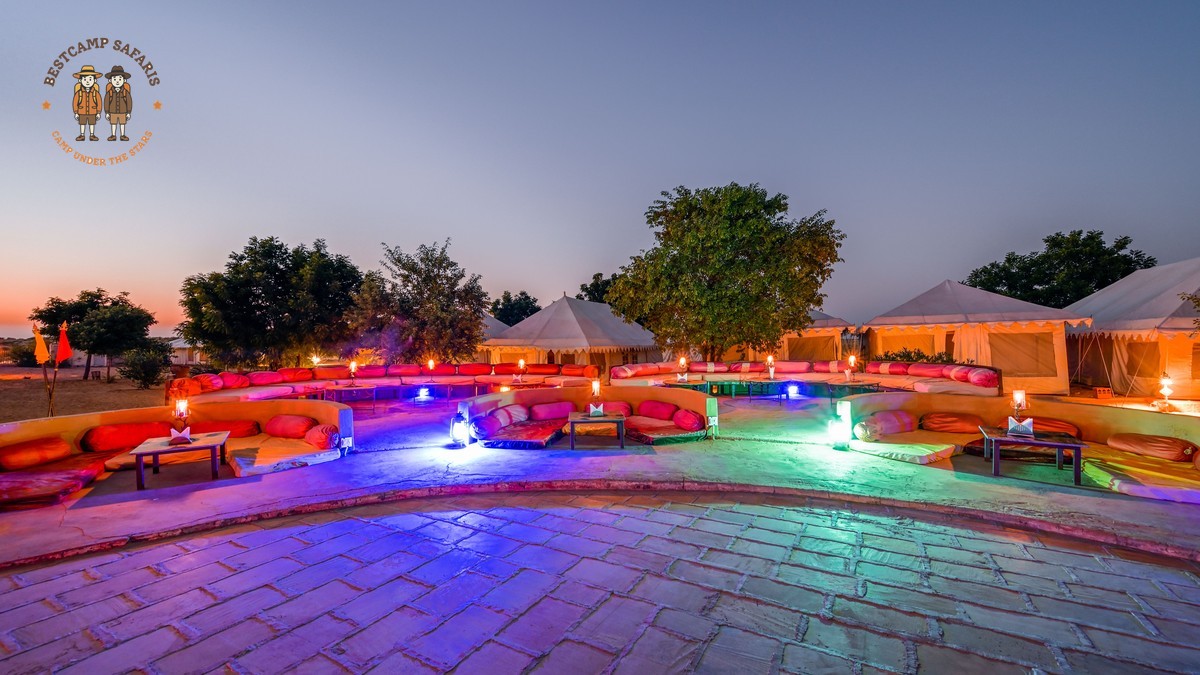
A Masai Mara mobile camp, on the other hand, arrives by vehicle. The camp may stay in one conservancy for a week or shift sites as the season changes. It includes larger walk-in tents, beds with real mattresses, a dining tent, and a kitchen setup. The gear is heavier and the routines are fuller.
At BestCamp Safaris, both formats are proper camping safaris. The planning and packing lists are just different.
2. Comfort, Bathrooms, Power, and Dining
Mobile camps provide the more comfortable experience. You get larger canvas tents, real mattresses, more reliable hot water, private bathrooms in higher-end setups, and a dedicated dining area. Fly camps trade those conveniences for lighter logistics. Expect a camp bed, a bucket shower, a portable toilet, lantern or solar lighting, and meals cooked over an open fire.
The bathroom difference matters more than most guests expect. At a mobile camp, the toilet is often inside or attached to your tent. Hot water is ready in the morning and evening. A fly camp uses a canvas screen, a bucket of warm water, and a private but basic toilet setup.
Power is limited at both camps. Mobile camps usually run solar lights and USB charging points in the common tent. Fly camps rely on lanterns and maybe one small power bank.
Dining follows the same pattern. A mobile camp has a chef, a mess tent, and a fixed table. A fly camp has a campfire kitchen, cast iron pans, and a much shorter menu. The food can still be excellent. The experience is simply closer to the ground.
If you are deciding between a tent and a permanent building, many travelers compare a Kenya mobile camp versus lodge. A fly camp is further along the scale toward wilderness. A mobile camp offers the middle ground.
3. Location, Movement, and Wildlife Access
Fly camps reach places a vehicle-based camp cannot. Guests often walk several kilometres from a main camp. Mobile camps move equipment by vehicle between planned sites or seasonal areas. In the Masai Mara, private conservancies such as Naboisho, Mara North, Olare Motorogi, and Ol Kinyei are practical settings for both experiences.
Not every patch of the Mara allows open camping. Operators need permissions, approved sites, and walking rules that change with land use. The private conservancies are useful because they control vehicle numbers and allow walking safaris. Ol Kinyei and Naboisho have wide open grass. Olare Motorogi is quieter and more exclusive. Mara North is large enough for long seasonal moves.
A mobile Masai Mara migration camp can follow the herds more easily. It does not chase every crossing, but it can shift toward the Mara River and the areas where the wildebeest concentrate. Fly camps are usually less flexible during the migration. They work best as a short, planned add-on.
For a full route strategy, we update the best Masai Mara migration camp locations every season. The rule stays the same: the migration moves, and a mobile camp can move with it.
BestCamp Safaris checks conservancy rules, fire bans, and walking routes before confirming any remote night. That is what makes a fly camp safe, not just scenic.
4. Masai Mara Fly Camp Versus Mobile Camp Costs
A fly-camp night commonly adds about USD 200-300 per person to an existing safari. A private fly camp may cost USD 800-1,500 for a group. A private mobile safari usually runs about USD 350-800 per person per day before unusual upgrades.
Those figures are indicative. The real total depends on season, camp standard, group size, and what is included.
| Fee item | What to expect in 2026 |
|---|---|
| Masai Mara National Reserve entrance, non-resident | USD 100 per adult per day from January to June; USD 200 per adult per day from July to December |
| Naboisho or Mara North conservancy fee | Roughly USD 80-150 per person per night, usually bundled into camp rates |
| Fly-camp add-on | USD 200-300 per person per night, or USD 800-1,500 for a private group setup |
| Private mobile camping safari | About USD 350-800 per person per day, before upgrades and some fees |
Read a quote carefully. Some operators include conservancy fees, transfers, and private vehicles. Others list them separately. The Masai Mara Reserve fee is set by the Narok County government, so confirm whether your safari includes days inside the reserve itself.
If a fly camp is quoted as a standalone safari, ask why. For most guests, one or two fly-camp nights work better as part of a longer mobile camp itinerary.
5. Which Safari Style Fits Your Travel Style?
Choose a fly camp for one memorable night of walking, minimal infrastructure, and close-to-the-ground wilderness. Choose a mobile camp for a multi-night safari, greater comfort, private-vehicle flexibility, and the ability to follow seasonal wildlife.
First-time safari travelers usually prefer a mobile camp. You will already be learning new sounds, new routines, and new senses of time. A private bathroom and a sturdy bed remove one more variable.
Families with younger children should choose a mobile camp. Older children who adapt well can handle a fly-camp night, especially if they join the afternoon walk. If anyone in your group needs dependable toilet access, power for medical devices, or help moving around camp, skip the fly camp.
Couples planning a private setup should read the private safari camp honeymoon considerations first. Privacy requirements change how far tents sit from the crew and how the bathroom is arranged.
Your main goal also matters. If you came for the migration and want the best chance of river crossings, choose a mobile camp. If you came for the wide open quiet and you have one night spare, a fly camp is a memory you will keep.
BestCamp Safaris recommends it this way: book a mobile camp for the core safari, then add a fly-camp night if your energy and comfort level allow it. That combination gives you the good bed and the wild night.
Plan Your Masai Mara Camping Safari With BestCamp Safaris
The right answer does not have to be one camp type for the whole trip. A mobile camp can anchor your week. A fly camp can end one perfect walking day.
Start planning with BestCamp Safaris through the contact page. Tell us your dates, budget, and comfort level. We can recommend the camps, the conservancies, and the walking routes that fit the season. A full camping safari can include both styles. Let us show you how it works.