 Adventure Tours
The first time you read “mobile camp” on a Kenya itinerary, you may imagine a different tent every night. Fair enough. The word mobile suggests movement. But on most East African camping safaris, a mobile tented camp is simply a camp that can be rebuilt in a new location. It does not move every day by default.
This checklist lays out the three schedules you will meet on the ground. Use it to choose the rhythm that matches your travel style.
Does a Mobile Camp Move Every Day?
Usually, no. Most mobile safari camps stay in one location for several weeks or months and relocate seasonally, often two to four times a year. Lightweight walking or expedition camps are the exception: they may move every night or every few days. The itinerary and camp style determine the schedule, not the word “mobile” alone.
I have slept in all three versions. A full-service mobile tented camp in the Masai Mara feels like a settled base. A walking mobile camp in the Chyulu Hills is a different animal. One is your home for a week. The other gives you a fresh patch of ground every morning.
How Often Do Mobile Safari Camps Move? Three Schedules
Mobile camps generally follow one of three schedules: daily, every two or three nights, or seasonally. Walking camps use lightweight equipment and can move daily. Semi-mobile camps may change sites every few days. Migration camps often remain in place for two to eight weeks or several months before relocating.
Match the schedule to how much unpacking you want to do.
- Daily-move walking mobile camps. This is the type that packs up while you walk. You carry a light daypack. Crew and vehicles move the tents, kitchen boxes, and beds. A walking mobile camp in the Amboseli area may stop at a new waterhole each night. It feels wild and immediate. You also wake early, roll your sleeping bag, and keep most clothes in a duffel you rarely open. It is the right call for active travelers who want trails, not a permanent terrace.
- Every-few-days semi-mobile camps. A semi-mobile camp usually stays two or three nights at one site. Then a morning is set aside for the move. This schedule is useful in Samburu, where water and wildlife can shift without forcing you to pack daily. You still get a settled tent, a dining tent, and a shower bucket at each stop, but you accept a short road transfer every few days in exchange for different game-viewing.
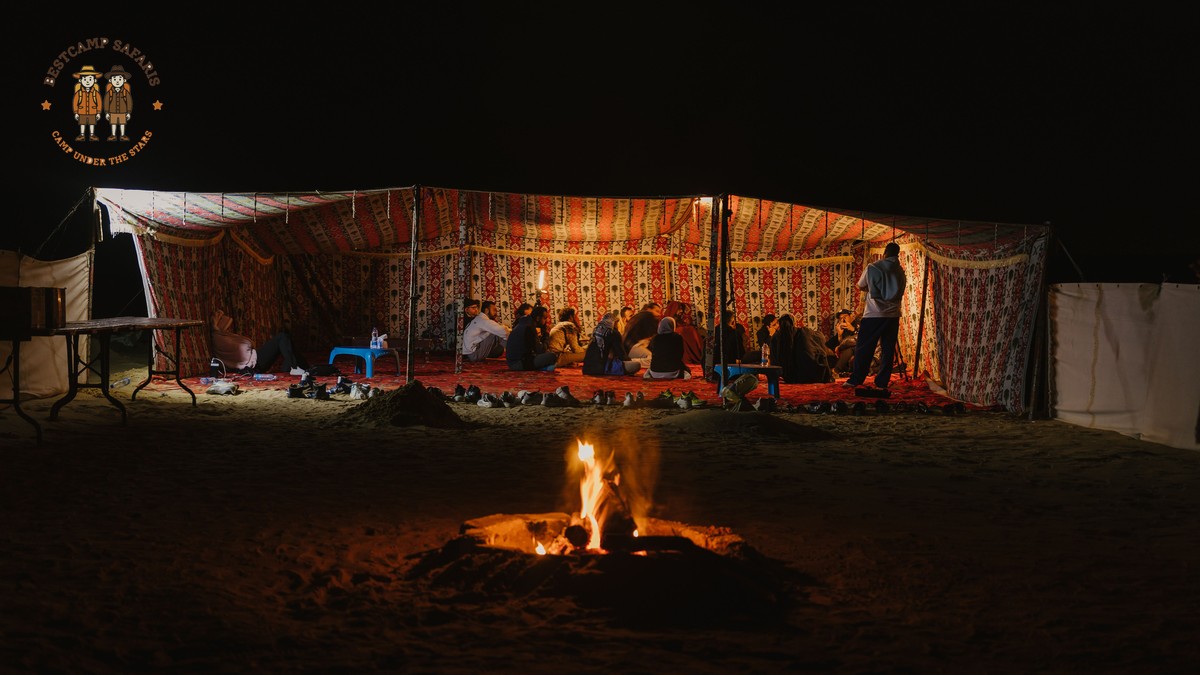
- Seasonal migration mobile camps. Most Kenya camping safari itineraries use this category. A full camp is installed on private land or in a conservancy and stays for a season. It may remain for two to eight weeks, then relocate two to four times a year. The Masai Mara is the classic example. Camps near the Mara River stay close to river crossings during the dry season, then shift to follow the herds or to avoid rain.
Three schedules at a glance
| Schedule | Nights in one spot | Typical move-day drive | Kenya examples |
|---|---|---|---|
| Daily-move walking camp | 1 night | 1 to 3 hours between camps | Amboseli, Chyulu Hills |
| Every-few-days semi-mobile camp | 2 to 3 nights | 2 to 4 hours on move day | Samburu, Laikipia |
| Seasonal migration camp | 2 to 8 weeks or longer | 5 to 8 hours for a full relocation | Masai Mara, Naboisho Conservancy |
Why Do Safari Camps Relocate?
Camps relocate to stay closer to wildlife, seasonal water, fresh grazing, migration routes, or better access conditions. Operators also consider rainfall, road quality, park rules, guest bookings, and conservation limits. A seasonal migration camp may move only a few times a year, while a walking camp changes sites more often to follow daily wildlife opportunities.
These are the main reasons you might wake up at a new site:
- Wildlife moves. A camp follows food and water, not a map.
- Water and grazing change. After rain, one spot turns green; another turns to mud. Some moves are driven by ground conditions.
- Permits set limits. National parks and private conservancies may limit how many nights a camp can stay in one place.
- Itinerary design matters. A group that wants river crossings in the Mara may base itself near the river for a week. A group interested in walking may prefer a new valley every day.
What Happens During a Safari Camp Move?
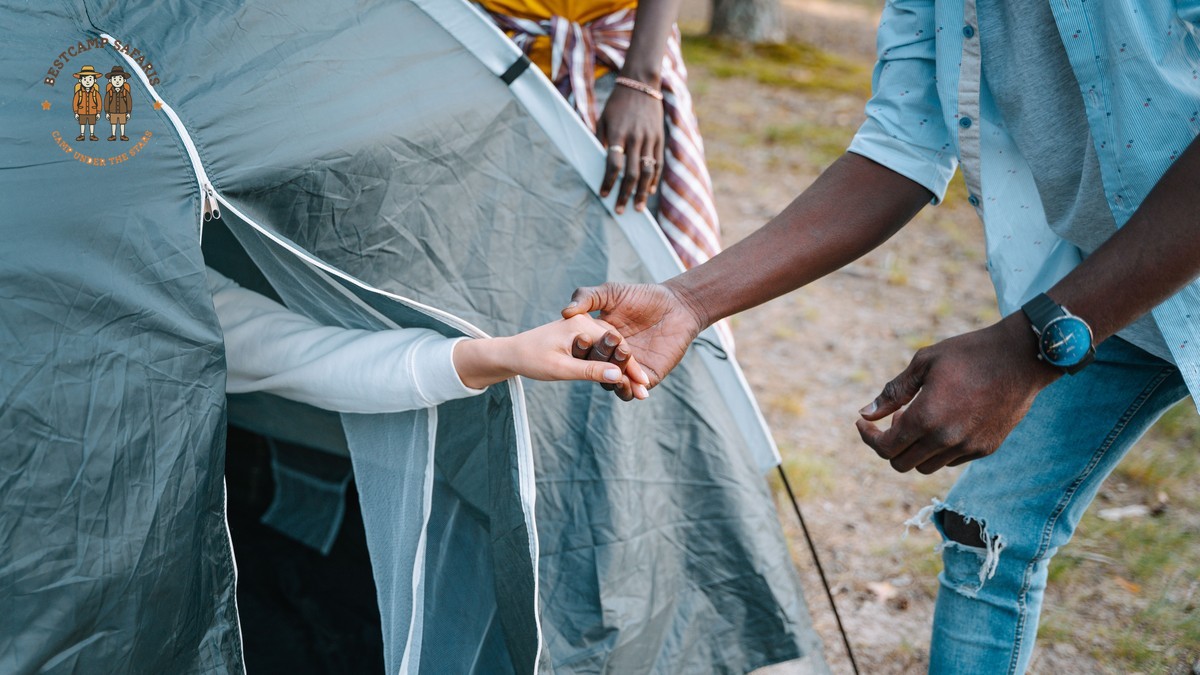
Guests normally leave the old camp while staff dismantle tents, kitchen equipment, furniture, and guest facilities. Guests travel to the next site by safari vehicle or another arranged transfer. The crew rebuilds the camp before arrival or provides an overnight alternative. A move can take one to several days depending on distance, terrain, roads, and camp size.
In a full-service seasonal camp, move day follows a calm rhythm:
- Breakfast starts early. Your bags are packed and ready. Staff take down tents after you leave the table.
- The transfer doubles as a game drive. A 2 hour road stretch can last 4 hours when a lion or elephant appears.
- A second crew goes ahead. They rebuild the camp for your evening arrival. You arrive to raised beds, lamps, and hot water.
- A lightweight walking camp moves differently. You walk ahead while crew breaks camp. By lunch it looks as if you were never there.
What Movement Means for Comfort, Cost, and Planning
More frequent moves can provide wider wildlife coverage. They also mean more packing, transfer time, and simpler bathroom or sleeping arrangements. Seasonal camps offer a settled, comfortable base with fewer disruptions. Movement is normally included in the safari price rather than charged as a separate fee. Travelers should still confirm transfer days, facilities, and the exact camp schedule before booking.
A daily-move walking camp may have bucket showers and bush loos. A seasonal mobile camp can include a raised bed, proper linen, a camp table, and a shaded dining tent. The word “mobile” alone does not tell you how comfortable the nights will be. You need the schedule and the equipment list.
BestCamp Safaris matches you with the right schedule instead of assuming one style works for everyone. If you are deciding between permanent walls and canvas, read our full mobile camp versus lodge breakdown. For a northern Kenya option, check the Samburu mobile camping cost page to see what daily rates usually include.
Most Kenya operators build the cost of moving camp into the overall price. Ask directly if there is an extra transfer fee for a flight or a long road move.
Next Step: Match a Schedule Before You Confirm
Find the schedule in your draft itinerary. If it says “mobile camp” but never says daily, every few days, or seasonal, ask the operator before you pay a deposit. Then decide what kind of holiday you want: unpack once and watch migration, or change views while walking.
Your next action is to plan that decision with BestCamp Safaris, not to guess alone. Send your dates and comfort level, and they will recommend a Kenya camping safari with clear schedule notes. Contact BestCamp Safaris about your mobile camp dates.