

 Adventure Tours
Do not trust the old story that the Mara closes in April. A mobile camp can be the best way to catch the quiet green season, but only if you choose the right dates, ask the right questions, and pack smarter. This guide compares the long rains of April-May with the short rains of November-December. It also gives current rates and road realities for a Masai Mara mobile camp rainy season.
When is the rainy season in the Masai Mara?
The Masai Mara has two rainy periods: the long rains, usually March or April through May, and the shorter rains, mainly November and December. April is typically the wettest month. November showers are often brief, while April-May rain is more disruptive to roads, camp access, and seasonal operations.
April is the heavy one. In most years, the long rains settle in from late March or April and ease by late May. Rain rarely falls every hour, but it can pour for hours during a storm. Daytime temperatures stay warm, often between 18 and 30 degrees Celsius, and evenings feel cooler. You are not booking a camping safari to avoid weather, so plan around it.
Do mobile camps operate during the rainy season?
Some mobile camps operate during rain, but availability depends on location, access tracks, drainage, and the operator’s seasonal plan. Camps may close or relocate during the heaviest April-May conditions, while well-managed camps can remain open with reinforced tents, drainage channels, sheltered dining areas, and flexible driving schedules.
Location is everything. Mara North Conservancy and Naboisho Conservancy both allow seasonal campsites, but the usable sites change when the ground softens. A camp that sits on open grassland in July may move closer to a river line, or onto a rocky ridge, in April. Ask the operator three questions before you book: Where will the tents stand? What drainage is in place? What happens if the track to camp floods?
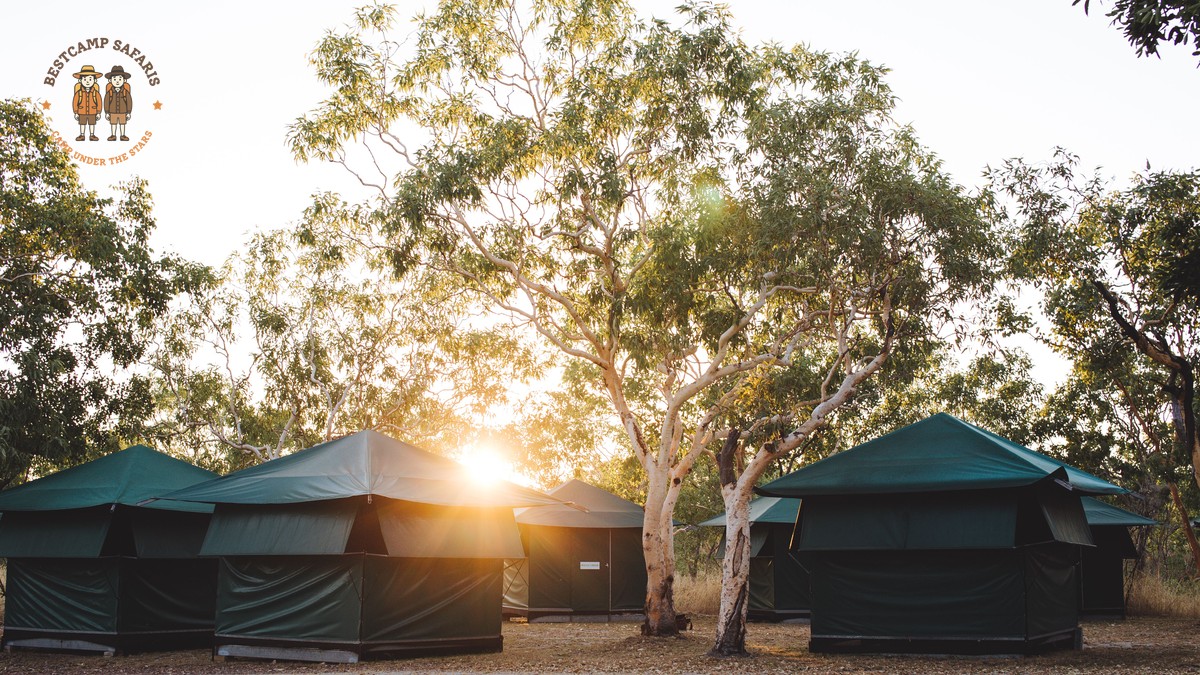
Mobile camps differ from fly camps. A full mobile camp carries kitchen tents, dining tents, showers, and support staff. It usually needs firmer ground. A fly camp is lighter and easier to move in response to rain. Compare fly camp versus mobile camp before you choose. You may prefer one style for a wet safari.
What happens to roads and game drives after rain?
Rain can turn the Mara’s black-cotton soil into sticky mud, lengthen road transfers, and make some tracks temporarily impassable. Game drives usually continue after light showers, but heavy rain or lightning may delay, shorten, or reroute them. A capable 4×4, experienced driver, and flexible itinerary matter most in April and May.
Most days your driver will read the sky and start earlier. Early light is still the best for wildlife. By the time an afternoon storm breaks, you can be back in camp with tea. The worst surface is black-cotton soil. Dry, it cracks and bakes. Wet, it grips tires like gum. A serious 4×4 with good tyres and a driver who knows the area is not optional.
After rain, drivers in the Mara often reroute to higher ground. They may avoid low marsh areas where crossings become risky. Reserve tracks are maintained, but they are earth, not tarmac. Plan for long transfers if you drive from Nairobi. The road to the Mara is about 270 kilometers and takes 5 to 6 hours in good weather. In April, allow an extra hour or two.
Do game drives still run? Usually yes. After a heavy storm, a driver may wait for lightning to pass or shorten the route. The rule is simple: never let a schedule win against a flooded river. BestCamp Safaris uses the same mobile-camping safety checks on rainy-season trips as on dry ones. We check radio contact, driver rest, and tent setup on wet ground before dark.
How much does a Masai Mara mobile camp rainy season safari cost?
A private conservancy mobile camp may cost roughly USD 250-350 per person per night in April or May, compared with indicative dry-season rates around USD 450-600. These figures vary by camp, room configuration, inclusions, transport, and availability. November and December usually deliver less dramatic discounts because demand remains stronger.
These lower rates apply mainly to private conservancy camps. The entrance fee for Masai Mara National Reserve stays at USD 100 per non-resident adult per day from January through June. From July to December, the peak-season fee doubles to USD 200 per adult per day. The reserve is run by Narok County Government, not Kenya Wildlife Service.
Many mobile camps do not sit inside the county-run reserve. They use Mara North or Naboisho, where conservancy fees of about USD 80-150 per person per night are bundled into the camp rate. If you stay there, that fee covers your daily access instead of the reserve gate fee.
| Item | April-May long rains | November-December short rains |
|---|---|---|
| Rain pattern | Heavy, frequent storms; April is usually the wettest month | Usually shorter showers, often in the late afternoon |
| Roads and driving | Black-cotton mud, possible lengthy delays | Mostly passable, with brief sticky patches after storms |
| Camp availability | Some mobile camps close, dismantle, or move to higher ground | Most mobile camps stay open, but confirm before booking |
| Masai Mara National Reserve fee in USD per non-resident adult per day | 100 | 200, peak-season rate from July to December |
| Private conservancy fee in USD per person per night in Mara North or Naboisho | 80-150, usually included in camp rate | 80-150, usually included in camp rate |
| Typical mobile camp rate | Around USD 250-350 per person per night | Seasonal discount is smaller; ask for a current quote |
| Best for | Travelers who want the lowest rates and can accept changes | Travelers who want green scenery with less risk of closures |
What are the benefits and drawbacks of rainy-season camping?
Rainy-season camping offers greener scenery, dramatic skies, fewer vehicles, stronger photography conditions, and lower prices. The trade-offs are muddy roads, occasional flooded tracks, changed game-drive timing, damp gear, and a higher chance that a seasonal camp is closed. November is generally the easier wet-season compromise; April-May offers the lowest prices but greater disruption.
The landscape turns dense and green. The light after a storm is soft. Because tourists avoid the wet weeks, you share sightings with one or two vehicles, not a dozen. Breakfast under canvas after morning rain feels more like an adventure than a simple meal.
The drawbacks are real. Tent fabric dries slowly. Canvas doors stick. Mud follows you into boots and camera bags. Some mobile camps pull out entirely because the economics do not work. BestCamp Safaris does not leave you guessing. We check whether a specific camp is open for your exact dates before we quote a safari.
What should you pack for a rainy-season mobile camp?
Pack a lightweight waterproof jacket, quick-drying layers, waterproof footwear, extra socks, a dry bag for electronics, luggage covers, and one complete dry outfit in your day bag. Avoid relying on heavy cotton clothing. Keep binoculars and cameras protected, and use sandals or shoes that can handle wet, muddy paths around camp.
- Layers beat a single heavy coat. Wear a thin fleece under a waterproof shell for the cold hour before sunrise.
- Pack dry bags in two sizes. One is for electronics. The other holds a full change of clothes.
- Bring waterproof walking shoes or sturdy sandals with grip. Rubber boots are a bonus around camp.
- Carry a headlamp with spare batteries. Rain in the dark makes normal camp lights less useful.
- Cover your duffel bag completely. The back of a 4×4 catches rain during transfers.
The BestCamp Safaris Difference
BestCamp Safaris plans mobile camps the way a field operator would, not a desk agent. We know which sites in Mara North drain quickly and which ones become marshes. We do not book a camp in May if the manager plans to take it down. We quote conservancy fees separately so you can compare packages. For guests who want more context on timing, our Kenya shoulder-season weather page explains how these rains fit into the wider calendar. On a Masai Mara mobile camp rainy season trip, plan B is part of the plan.
Which rainy-season window should you book for your camping safari?
Choose April-May if your budget matters most and you can stay flexible. You may save hundreds of dollars per night and enjoy empty roads. Accept that rain may move a drive or close a camp. Choose November-December if you want rain without as much disruption. You will pay closer to dry-season rates, but your game drives will probably hold.
Whichever window fits, confirm the camp will be open for your dates before you pay a deposit. Ask about access after storms. Check how the camp handles wet ground. A Masai Mara mobile camp rainy season works best when the operator answers those questions clearly.
Ready to plan? Start with BestCamp Safaris on our contact page and send your rough dates. We can build an April, May, or November itinerary around the season, not against it.


