 Adventure Tours
This guide for ladin speaking travelers mobile camping answers the questions we hear most from the Dolomites, Val Gardena, and Val Badia. You have probably camped before. You want a real bush camp, not a lodge with canvas wallpaper. This is the version of the trip where you wake at 5am, hear the crew moving quietly outside the tent, and walk to the vehicle with hot tea in your hand.
A mobile camping safari is not a budget fallback. It is often the most private and flexible way to see wildlife in Kenya. But it comes with trade-offs. Bucket showers, limited phone signal, and a camp that can feel very dark at night are part of the deal.
What is a mobile camping safari?
A fully mobile camp moves with you or ahead of you. You do not stay in a permanent lodge. A crew of four to eight people drives a support vehicle, sets up your tent, and breaks the whole camp down when you leave. The camp may stay in one place for two or three nights, then move to a new area. On some routes you add a lighter fly camp for one or two nights. A fly camp has the same privacy but fewer heavy pieces of furniture.
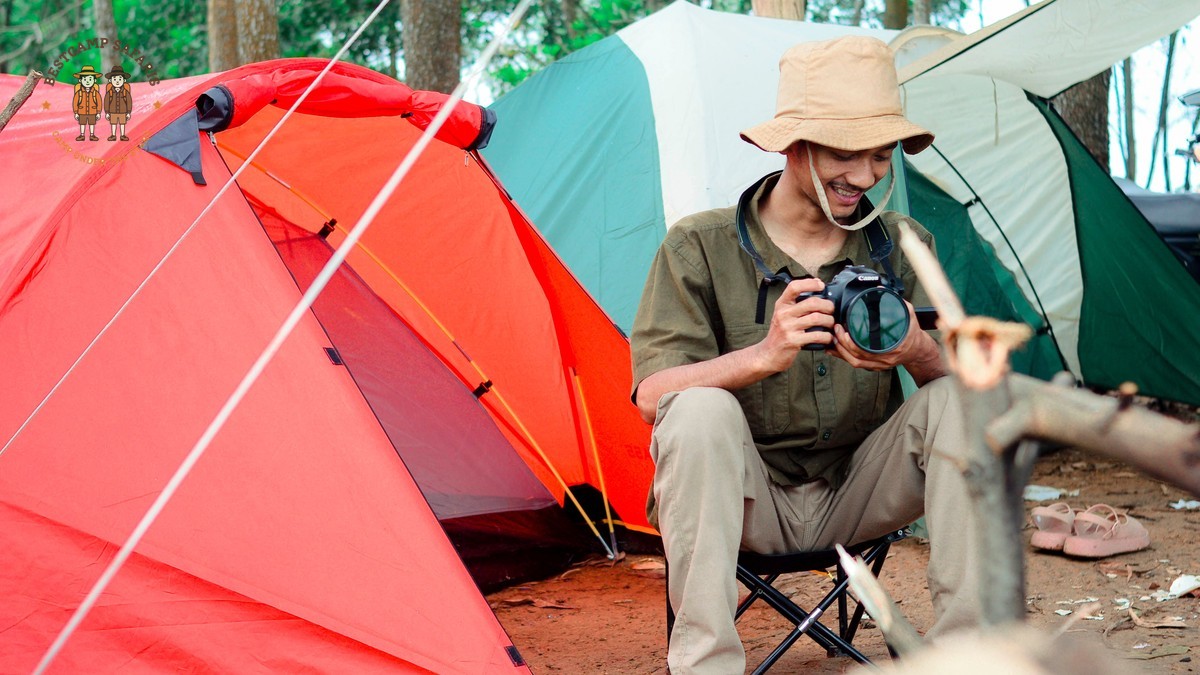
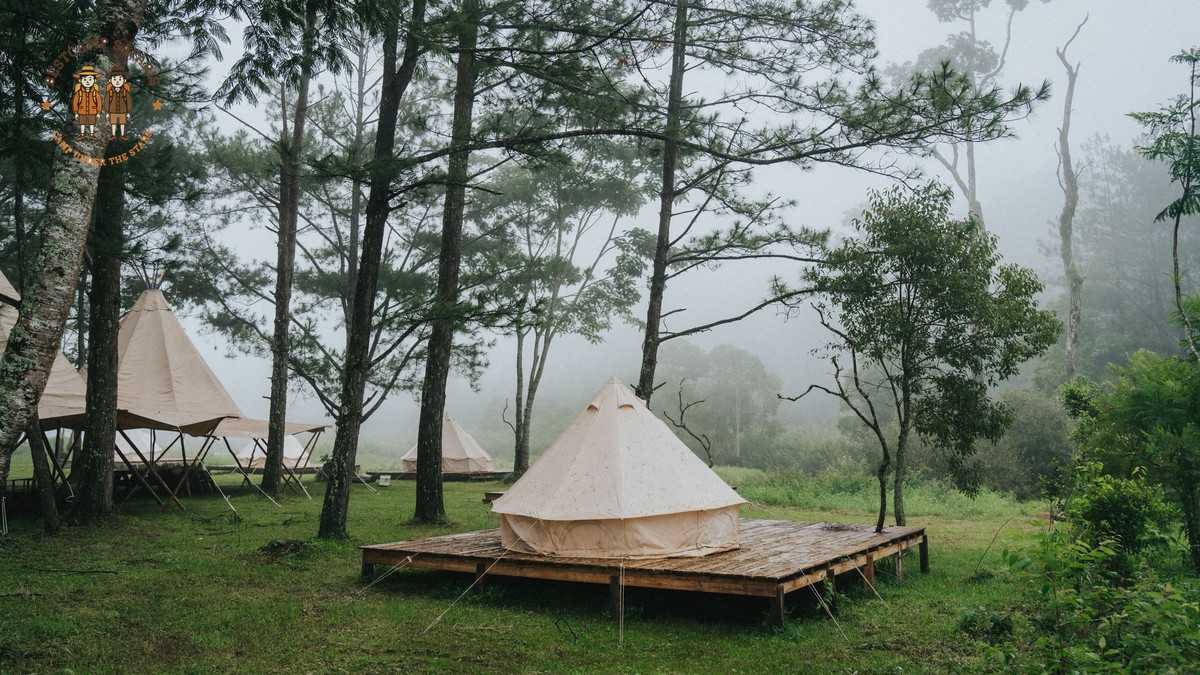
Your tent is private. It has a real camp bed, cotton sheets, a small table or campaign chair, and a zippered door. You are not sleeping in a bag on the ground. The crew sets up a separate mess tent for meals and a private canvas bathroom near your tent. The camp is yours alone if you book it exclusively. You will not share with strangers.
Read how private a mobile camp really is for an honest look at why you are alone but never unstaffed.
Ladin-Speaking Travelers Mobile Camping: Can You Book a Kenya Safari?
Yes. Ladin-speaking travelers can book a Kenya mobile camping safari. But be clear about the language support. Kenya does not have a pool of Ladin-speaking guides waiting in Nairobi. The working languages in most safari areas are English, Kiswahili, and Maa. Some camps have Italian or German speaking managers, especially in the Mara and Laikipia.
The practical arrangement is this. BestCamp Safaris can handle the entire booking, route planning, and pre-trip briefing in Italian, German, or English. We can also provide written trip notes in Ladin if you request them before you travel. In the field, your guide will usually speak English or Italian. The camp crew will speak Kiswahili or Maa. Ask before booking whether your guide can manage Italian, not Ladin, on game drives. That is the honest answer.
Where mobile camps operate in Kenya
The main areas for a mobile camping safari are the Masai Mara, the private conservancies around it, Amboseli, and Chyulu Hills. Each has a different feel. The Mara is best for cats and the migration. Amboseli is best for elephants and the view of Kilimanjaro. Chyulu Hills is best for walking, quiet trails, and low visitor numbers.
The table below uses current non-resident park fees and realistic driving times from Nairobi. Camp rates are indicative ranges per person per night sharing, not fixed quotes.
| Area | Distance from Nairobi | Drive time | Park or conservancy fee per adult per day | Mobile camp style | Typical camp rate per person per night |
|---|---|---|---|---|---|
| Masai Mara National Reserve, Narok County | 270 km | 5-6 hours | USD 100 Jan-Jun, USD 200 Jul-Dec | Private mobile tented camp near the reserve boundary | USD 250-450 |
| Naboisho or Mara North Conservancy | 270-300 km | 5.5-6.5 hours | USD 80-150 bundled in camp rate | Fly camp or full mobile camp on private land | USD 350-700 |
| Amboseli National Park, KWS | 240 km | 4-5 hours | USD 90 | Mobile camp on a private ranch or conservancy next to the park | USD 300-500 |
| Chyulu Hills National Park, KWS | 220 km | 4 hours | USD 40 | Walk-in camp or ridge camp with Kilimanjaro views | USD 300-600 |
The Masai Mara National Reserve is administered by Narok County Government, not by KWS. Its fee changes by season. From July to December, non-resident adults pay USD 200 per day. From January to June, the same reserve day costs USD 100 per adult. Private conservancies such as Naboisho and Mara North bundle their fees into the lodge or camp rate, usually in the range of USD 80 to USD 150 per person per night.
Mobile camp versus permanent lodge or budget camping
A mobile camp is not the same as budget overland camping. You are not pitching your own tent at a public campsite. The crew carries your tent, bed, table, water, and kitchen. You ride in a private 4×4 and return to a camp that is already up.
A permanent lodge gives you solid walls, a swimming pool, restaurant service, and Wi-Fi. A mobile camp gives you closer wildlife, a quieter site, and no neighbors. The trade-off is real. In a mobile camp you may shower from a bucket, charge your phone from a solar battery, and walk to your tent by lamplight after dinner. If rain moves in, the ground becomes soft and the mess tent flaps. That is the experience.
What accommodation and facilities are like
The tent is usually a walk-in canvas tent with a zippered door and mesh windows. The bed is a real bed, not a sleeping bag on the ground. Bed linen is cotton. A safari bucket shower hangs behind your tent from a tree or a steel frame. The crew heats water over fire and fills the bucket. You get about 20 liters per shower, enough for a proper rinse if you turn the tap off while soaping.
The toilet is a safari loo, often a chemical toilet inside a small canvas shelter. It is private and cleaned daily. At night the crew places a small lantern near the path between your tent and the bathroom. You do not walk around camp in the dark without a flashlight.
Meals, drinking water, showers, and toilets
Food in a mobile camp is cooked in a bush kitchen, usually over gas or charcoal. You will not eat beans from a can unless you ask for simple camp food. Breakfast before a game drive is tea, coffee, fruit, toast, and eggs. A bush breakfast may be packed in a metal box and served on a tablecloth under a tree. Lunch is often a cold spread at camp. Dinner is three courses, usually soup, grilled meat or fish, vegetables, and fruit. The crew bakes bread in a cast-iron pot.
Drinking water is provided at camp and in the vehicle. Use bottled or filtered water for brushing your teeth. The shower water is heated and safe for washing but not for drinking. See what food is served in a mobile camp for a fuller menu and meal timing.
Private vehicles, guides, and camp crew
Your vehicle is private. It is usually a 4×4 Toyota Land Cruiser with a pop-up roof and a window seat for each guest. The guide drives and stays with you all day. The camp crew stays behind to pack, cook, and guard the site. On a mobile camping safari the guide is not the cook. The cook is not the driver. That separation matters when the schedule changes. You can stay out longer with a leopard sighting and the camp will still have dinner ready.
The guide explains animal behavior, local culture, and driving plans. If you need language support, ask for an Italian or German speaking guide before booking. BestCamp Safaris can arrange that on most routes.
Safari seasons and the Great Migration
The best time for a mobile camping safari in the Masai Mara is July to October, when the wildebeest migration crosses the Mara River. That is also the peak season, and the Mara reserve fee doubles to USD 200 per adult per day. January to March is the calving season in the southern Serengeti and northern Mara, with lower fees and fewer vehicles.
Amboseli is best from June to October, when the wetlands are full and elephants gather. Chyulu Hills is best from December to March and July to October, when the trails are dry enough for walking. Mobile camps can move with the herds inside private conservancies, but inside the Masai Mara National Reserve the camp must use designated campsites or fly camp sites subject to permit availability.
Typical mobile camping safari prices
A private mobile camping safari in Kenya usually runs from about USD 250 to USD 450 per person per night sharing for a simple private camp. Semi-permanent private conservancy camps with more comfort run from USD 400 to USD 800 plus per person per night. The total depends on the number of guests, park days, vehicle type, and season.
Use Kenya mobile camp prices and what rates include to compare fully mobile and semi-permanent options before you commit.
What the price usually includes: private 4×4 vehicle, guide, camp crew, all meals, drinking water, tent and bedding, camp fees where applicable, and park or conservancy fees for the days inside. What it usually excludes: international flights, visas, travel insurance, drinks other than water, tips, and extra activities such as night drives or walking safaris outside your itinerary. Ask for a written list of inclusions in your quote.
Driving times and fly-in options from Nairobi
Most mobile camping safaris start in Nairobi. You can drive or fly. Driving to the Masai Mara takes 5 to 6 hours from Nairobi. Amboseli takes 4 to 5 hours by road. Chyulu Hills takes about 4 hours. The roads are dusty, and the last stretch to a mobile camp is often a rough track.
Flying is faster. Light aircraft leave from Wilson Airport in Nairobi. The flight to the Mara is about 45 minutes. Amboseli and Chyulu are also about 45 minutes by air. Fly-in safaris have a strict luggage limit, usually 15 kilograms per person in a soft bag, including hand luggage. The same limit applies to most internal safari flights.
Luggage limits and packing advice
Bring a soft bag, not a wheeled suitcase. A duffel bag or rucksack works best in a safari vehicle and on small planes. The standard limit is 15 kg per person for bush flights. Pack layers. Mornings at 5am are cold, even in the Mara. By 10am you may be in short sleeves.
Bring a headlamp, a power bank, binoculars, and closed shoes for walking to the bathroom at night. Dust gets into everything. Use zip bags for cameras and passports. The camp crew can do limited laundry by hand, but do not bring delicate fabrics.
Mobile phone coverage, Wi-Fi, and charging
Most mobile camps do not have Wi-Fi. Phone signal is weak in Chyulu Hills and patchy in parts of the Mara. Amboseli often has better signal near the park gate but not deep in the conservancies. If you need to check email daily, a mobile camp is the wrong product.
Charging is available through the safari vehicle inverter or a solar battery at camp. Bring a power bank and charge it during the day. The guide can charge phones in the vehicle while driving.
Safety, comfort, and accessibility
A mobile camp is generally safe when you follow camp rules. Do not walk out of camp alone after dark. A watchman stays awake at night. Keep food out of your tent. Zip the tent at night. The crew is trained to handle wildlife around camp.
Comfort is relative. The bed is good. The shower is hot if the crew heats the water. The toilet is private. But the ground is uneven, the tent moves in wind, and rain can make the canvas loud. If you need wheelchair access or a flush toilet at all times, a mobile camp is not the right choice. For a fit, flexible traveler who likes real camping, it works well.
The BestCamp Safaris Difference
We sleep in these camps ourselves. That means we choose sites that hold up in rain, crews that pack a proper field kitchen, and conservancies that allow walking out of camp at first light. We do not send you to a mobile camp we have not inspected. We build the route around your dates, not the other way around.
For Ladin-speaking travelers, the difference is language support before you fly. We can explain every stage in Italian, German, or English, and we can provide trip notes in Ladin on request. We are honest that your field guide will most likely speak English or Italian. We would rather tell you that now than surprise you in the Mara.
How to request language support and book
When you write to BestCamp Safaris, tell us your travel months, the number of people, whether you want a walk-in camp or a fly camp, and which language you prefer for trip notes. Ask whether your guide can speak Italian or German. Ask for a fixed quote that separates park fees, conservancy fees, and camp rates. Compare the camp style, driving time, and connectivity before you commit.
Start with our contact page and tell us you are Ladin-speaking travelers interested in a mobile camping safari. We will plan the camp route around your dates and explain every stage clearly.


