 Adventure Tours
At 5am in a Maasai Mara camp, the canvas feels cool. A cook taps a tin mug and calls toward the tents. You pull on a fleece and step outside. The truck idles in the grey first light. That is what a mobile camping safari gives you. You trade a fixed bathroom for a real bush night and a seat on the same trails as the lions.
For Cornish speaking travelers, mobile camping raises practical questions. Will anyone understand you? How private is the camp? What do the tent, toilet, and shower look like? This guide covers language support, real park fees, camp routines, food, and packing. It is written by someone who has slept under canvas in Kenya, not by a brochure writer.
What Is a Mobile Camping Safari in Kenya?
A mobile camping safari uses a small moveable camp instead of a permanent lodge. A crew sets up walk-in canvas tents, a mess tent, and a basic bathroom at a private or public campsite. The camp stays in one spot for two or three nights. Then the crew strikes it, packs the truck, and moves to a different site.
The camp is yours. You do not share a dining room with 40 strangers. In a private conservancy like Naboisho or Mara North, you may not see another camp from your tent. The trade-off is honest. You give up a walk-in wardrobe and a pool. You gain silence, a closer ground team, and the freedom to sleep where the wildlife corridor is strongest.
Cornish Speaking Travelers Mobile Camping Language Support
Most Kenyan safari guides speak fluent English and Kiswahili. Cornish is not common in Kenya. Do not expect a Cornish speaking guide at the airstrip unless you book one ahead.
BestCamp Safaris can arrange two options. The first is a printed Cornish-English safari phrase card. It covers words like water, toilet, lion, wait, and call me. The second is a human translator who sits beside your guide on game drives. A translator adds cost, because you pay their daily rate, meals, and tent space. Budget for an indicative range of USD 100 to USD 180 per day. Book at least six weeks ahead.
You do not need perfect English, but you do need a base level. Guides use short, repeated phrases. They point, name the animal, and tell you when to stay still. Bring the phrase card and learn 20 safari basics. Communication will be easier.
From arrival, the process is simple. A driver meets you at Jomo Kenyatta International Airport in Nairobi with a sign. If you booked a translator, that person is there too. You sort the luggage together and transfer to a hotel or the first camp.
Best Kenyan Destinations for Mobile Camping
The table below uses real distances and current non-resident fees, checked in July 2026. The Masai Mara fee is set by Narok County Government, not Kenya Wildlife Service.
| Destination | Road distance from Nairobi | Typical drive time | Daily non-resident park or conservancy fee | Mobile camping note |
|---|---|---|---|---|
| Masai Mara National Reserve | about 270 km | 5 to 6 hours | USD 100 Jan to Jun, USD 200 Jul to Dec | Big cat traffic and large public campsites. |
| Amboseli National Park | about 210 km | 4 to 5 hours | USD 90 | Excellent elephants. Camps often sit on the park border or nearby conservancies. |
| Lake Nakuru National Park | about 160 km | 3 hours | USD 90 | Good one-night stop for rhino and flamingos, but not remote. |
| Tsavo West National Park | about 250 km | 5 to 6 hours | USD 80 | Big, wild, dry country with baobabs. |
| Naboisho Conservancy | about 270 km | 5 to 6 hours | USD 80 to USD 150 per person per night, bundled with camp fees | Private conservancy. Night drives and guided walks allowed. |
The last row is a private conservancy. The nightly fee is bundled into your camp rate, so it reads as a range. The exact amount depends on the operator and season.
With seven to ten nights, do not hit all five stops. A better plan is two nights in Amboseli, then three or four nights in a Mara conservancy, then one night near Lake Nakuru on the return.
When to Go on a Mobile Camping Safari
The dry months from late June to October are easiest. Roads are firmer, grass is shorter, and wildlife gathers near water. This is also the busiest Mara window, because the wildebeest migration moves through. The Mara fee jumps to USD 200 per adult per day from July to December. That fee alone is a reason to consider a private conservancy, where the nightly camp rate includes the conservancy fee.
November can be lovely. Crowds thin out, and short rains may soften the ground. April and May are the long rains. Some camps close, and roads can turn to black cotton mud. Avoid April unless you want to watch rain hammer the canvas.
What Accommodation and Facilities Are Provided
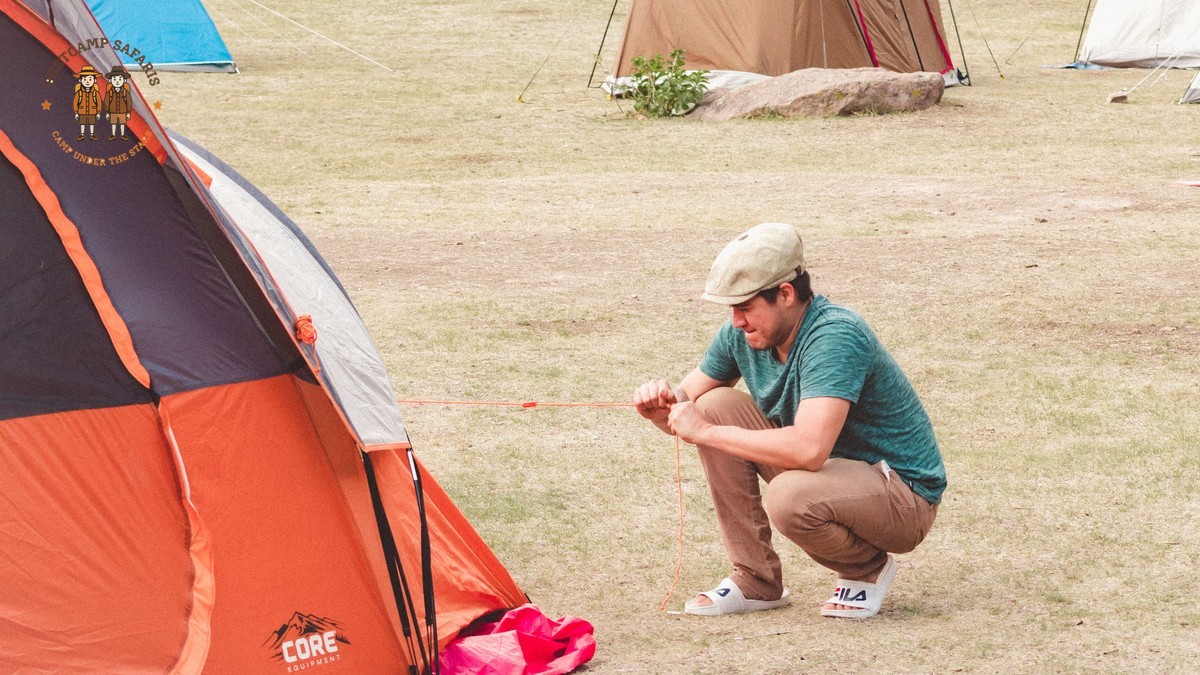
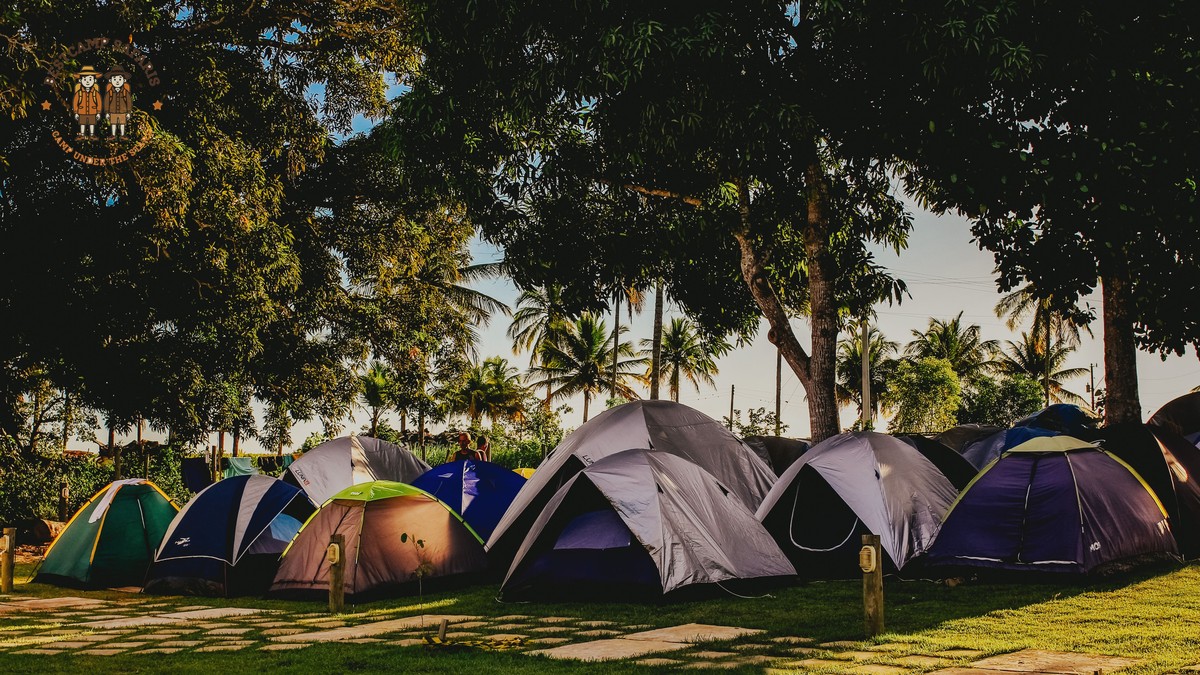
Your sleeping tent is usually a canvas dome or a Meru-style walk-in tent. It has a camp bed, a foam or sprung mattress, and cotton sheets. There may be a small table, a solar lamp, and a private veranda. The floor is a fitted groundsheet, so you are not on bare earth.
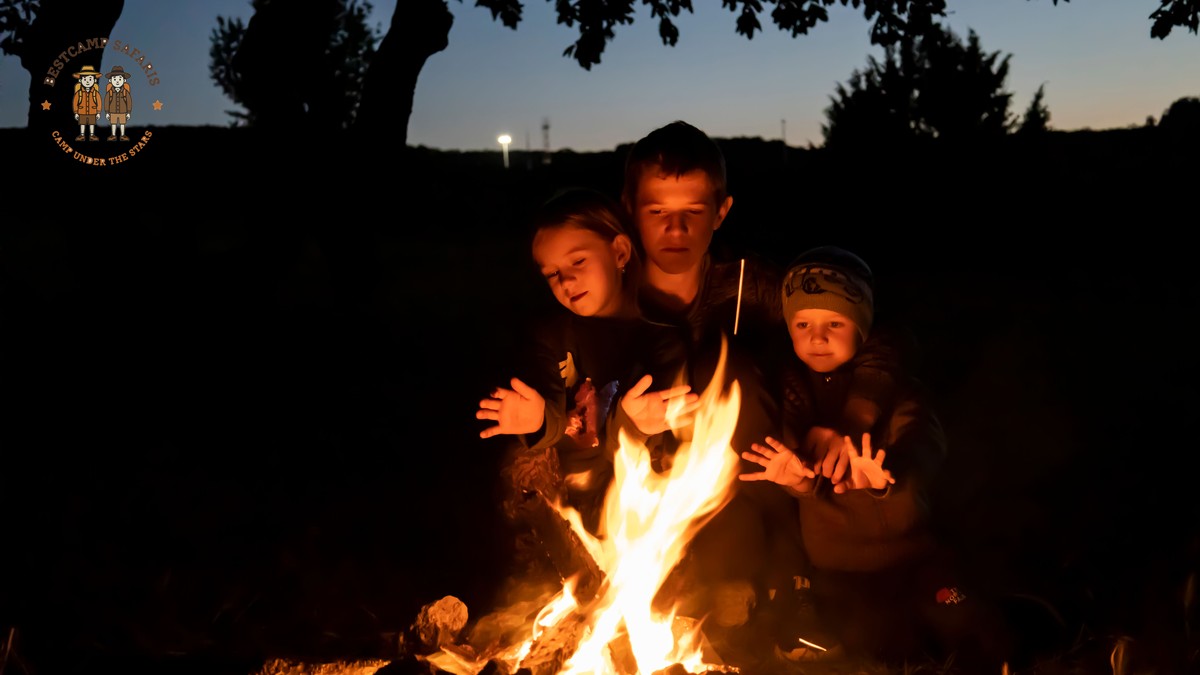
Some camps give you a private bucket shower and a short-flush toilet attached to the back of your tent. Others use a shared shower tent with hot water heated over a fire. Ask about how private a mobile camp is before you book. The answer depends on camp size and layout. At night, lanterns mark the paths. You walk to dinner with a guide, even if the mess tent is only 30 meters away. Never wander off alone in the dark.
What Food Is Served in a Mobile Camp
The food is cooked on site, often on a gas ring or over a wood fire. A camp cook wakes before you and packs a bush breakfast box for the morning game drive: boiled eggs, fruit, a sausage roll, and coffee. When you return around 11am, a bigger brunch is ready.
Dinner is the main meal. You might eat beef stew, roast chicken, or grilled tilapia with rice or ugali. The mess tent has a table, fold-up chairs, and a gas lantern. Tell the office about dietary needs at booking time, because resupply is not instant. For a full daily menu, read this page about what food is served in a mobile camp.
Wildlife and Safari Activities
A typical mobile safari includes one early game drive and one late afternoon drive. In private conservancies like Naboisho, Mara North, and Selenkay near Amboseli, you can also do a guided walk. Walking makes you notice broken branches, fresh tracks, and the way a guide stops when a bull elephant moves ahead.
Night drives are only legal in private conservancies, not inside national parks. Splitting your trip between a park and a conservancy gives you big open plains by day and a flashlight sweep after dinner by night.
Safety, Comfort, and Privacy
Mobile camps are safe when you follow the rules. The crew includes a night watchman, and many camps have a radio or satellite phone. The guide stays in camp. You never walk between tents after dark without a crew member. If heavy rain forces a move, the crew relocates you to higher ground or a nearby fixed camp.
Comfort is real, but it is not five-star. The bed is dry and clean. The shower is hot when the crew heats water. The toilet is a short walk from your tent. A hyena may whoop outside at 2am. That is part of the experience. If the sound unsettles you, close the canvas and radio the watchman.
What to Pack for a Mobile Camping Safari
Pack as a camper, not a lodge guest.
- A warm fleece and a windproof jacket for early mornings.
- A head torch with red light mode for camp after dark.
- Wool socks and closed shoes.
- A power bank for charging your phone and camera in the mess tent.
- A dry bag for dust and rain.
- Basic first aid, including plasters and antihistamine.
- Small US dollar bills for tips and a few Kenyan shillings for market stops.
- Your printed Cornish-English phrase card.
Leave bright white and neon clothes at home. Dust marks everything. Earth tones work better and stress the animals less.
Mobile Safari Pricing and What Is Included
Mobile camping safari prices vary. A basic private camp in Tsavo or Mara public campsites may start around USD 350 per person per night in low season. A more private conservancy camp with ensuite tents and night drives can run from USD 550 to USD 800 per person per night in high season. Treat these as indicative ranges, not fixed quotes.
Most rates include park or conservancy fees, all meals, game drives, guides, and camp crew. They may not include international flights, insurance, tips, drinks beyond water and tea, or a Cornish translator. Read Kenya mobile camping safari prices and what rates include before you commit.
Payments are usually quoted in US dollars. You can pay a deposit by card or bank transfer. In camp, carry small US dollar notes for tips and Kenyan shillings for market purchases. Do not expect a card machine in the middle of the Mara.
The BestCamp Safaris Difference
BestCamp Safaris plans mobile camping trips for people who want the real thing. We sleep in the camps we sell. We know the feel of a bucket shower at 6am and the smell of canvas after rain. We do not hand you a generic itinerary. We ask how many nights you want under canvas, how private you need it to be, and how much company you can handle.
For Cornish speaking travelers, we slow down the communication. We confirm the translator, send the phrase card ahead, and brief the guide on short instructions. We build in buffer time too. A mobile camp moves at the pace of the track, not a spreadsheet. That honest planning is the difference.
Plan Your Mobile Camping Safari
If you are ready to sleep under canvas in Kenya, tell us your travel window and how many nights you want in the bush. We will put together a route, a camp style, and a realistic price. Reach us through the contact page to start the conversation. We will answer in plain English and arrange the language support you need.
No pressure. Just a straightforward plan built around how you actually like to camp.


