 Adventure Tours
I remember standing outside a canvas tent at 5am in the Masai Mara. The ground was cold under my socks. A crew was packing the breakfast table into a Land Cruiser. That is mobile camping in Kenya. It is not a lodge. It is not a public campsite. It is your own private camp that moves with your route.
This Buryat speaking travelers mobile camping guide covers what a mobile camp really feels like, where it can go, what you pay, and how language works on the ground.
What Is Mobile Camping in Kenya?
A mobile camping safari in Kenya is a private, staffed camp that moves between bush locations. A crew sets canvas walk-in tents, a mess tent, a camp kitchen, bucket showers, and bush toilets before you arrive. You sleep in a real bed inside a tent. The camp follows your itinerary instead of staying in one place.
Mobile camping is not the same as public campsites in national parks. Those are shared, basic, and fixed. A mobile camp is for your group only. It can be set inside the Masai Mara National Reserve, on a private conservancy like Mara North or Naboisho, or in quieter parks such as Amboseli and Tsavo West. The camp can move every one to three nights, depending on road conditions and wildlife.
Why Choose a Mobile Camping Safari?
You sleep closer to wildlife than most lodges. There is no 90 minute drive from a lodge gate to good game viewing. The vehicle starts where the camp is set. At night you hear hyenas, zebras, and sometimes lions from your tent. That is exactly why camping and overlanding enthusiasts choose this style.
The trade-off is honest. You get stronger access and flexibility, but fewer permanent facilities than a lodge. There is no swimming pool, no spa, and no locked bar. You get canvas, lamplight, and a campfire. For Buryat speaking travelers, a small private camp also simplifies language. One guide works with you all day.
Best Kenya Safari Destinations for Mobile Camping
These are the most reliable mobile camping areas in Kenya. Fees are current for non-resident adults.
| Destination | Approx road distance from Nairobi | Approx drive time | Non-resident fee | Why mobile camp here |
|---|---|---|---|---|
| Masai Mara National Reserve, Narok County | 270 km | 5-6 hours | USD 100 Jan-Jun, USD 200 Jul-Dec | River crossings, open plains, camp near Sand River or Talek |
| Amboseli National Park, KWS | 240 km | 4-5 hours | USD 90 | Big elephant herds, Kilimanjaro view, camp just outside park boundary |
| Tsavo West National Park, KWS | 240 km | 5 hours | USD 80 | Red elephants, volcanic hills, quieter camps |
| Chyulu Hills National Park, KWS | 230 km | 4 hours | USD 40 | Green hills, few visitors, walk-in camps near the park |
| Naboisho Conservancy or Mara North Conservancy | 270 km | 5-6 hours | roughly USD 80-150 per person per night | Night drives, off-road driving, walking safaris |
The Masai Mara National Reserve is run by Narok County, not KWS. Its fee changes by season. Conservancy fees are usually bundled into lodge or camp rates.
What to Expect From a Mobile Camp
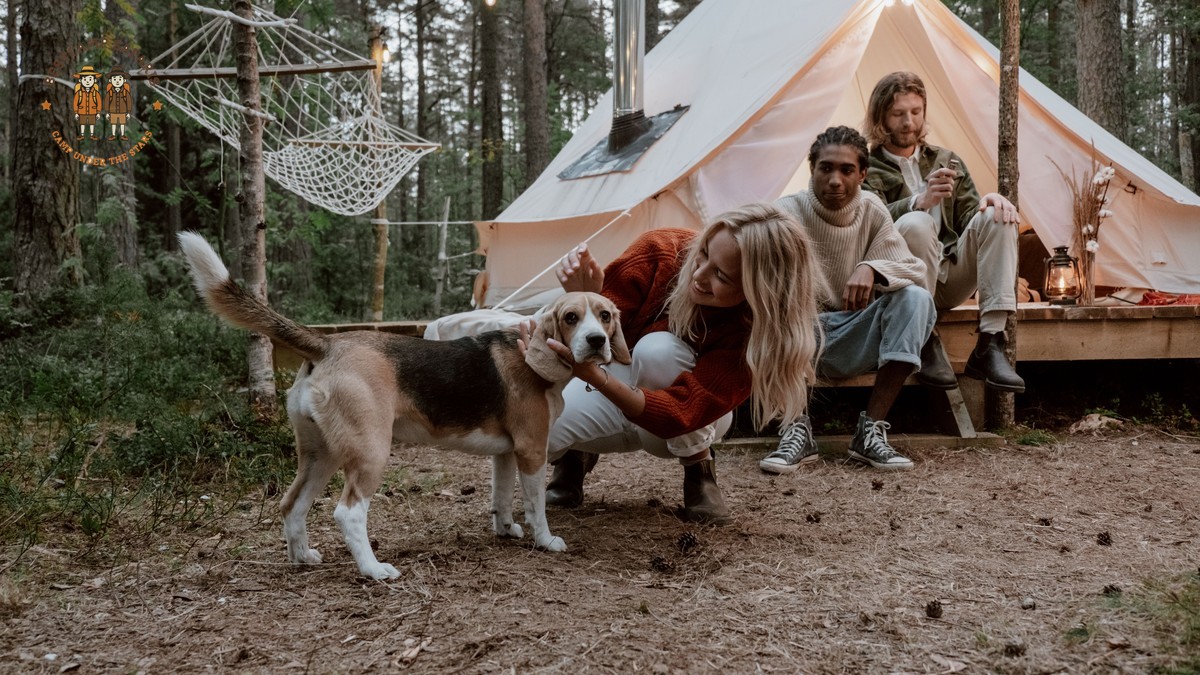
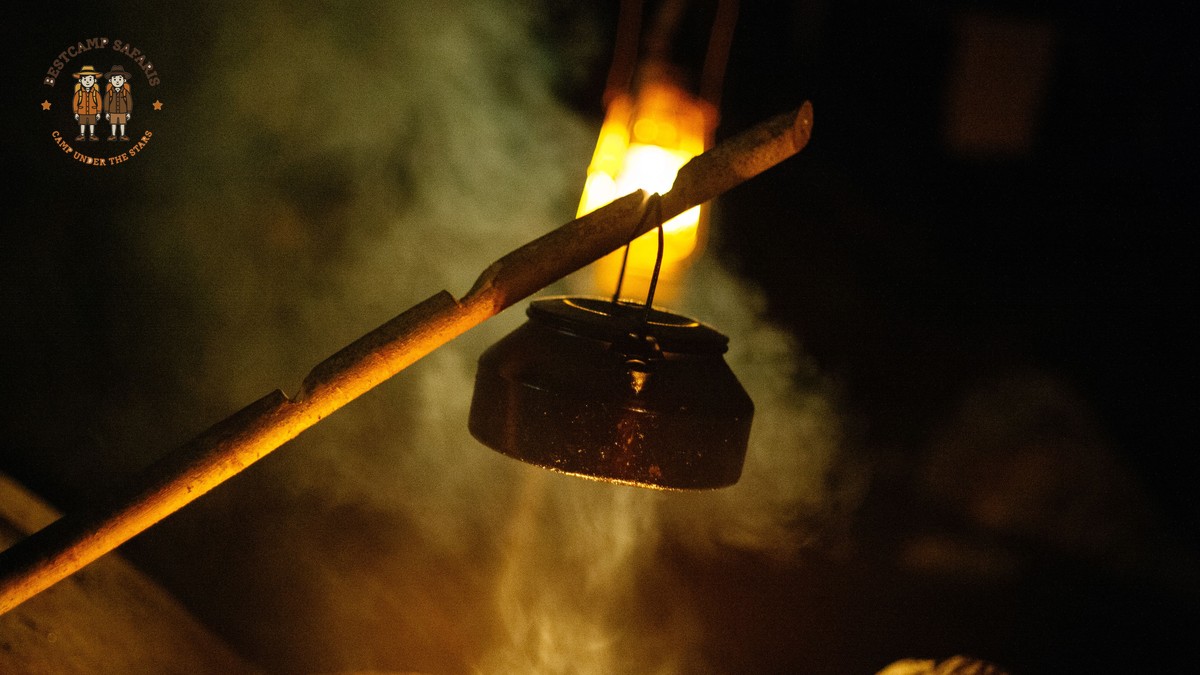
A day starts before 6am. At 5:15 a staff member taps the tent and leaves a flask of coffee or tea on the table outside. The ground is cold before dawn. You pull on a fleece and wool hat. The camp smells of woodsmoke and damp canvas. At 6:00 the vehicle leaves while the cook stays to pack later. You return around 11:00 for a hot brunch. Then you rest in a canvas chair in the shade. At 16:00 you go out again. You stop for sundowners at sunset. Dinner is under lantern light. After dinner an askari walks you back to your tent by lamplight. He checks the tent before you sleep. A hot water bottle is usually waiting in the bed.
Camp staff may break camp while you are on a game drive. When you arrive at the next site, your tent is up and the mess table is set. That is the rhythm of a mobile camp.
Mobile Camping Accommodation and Facilities
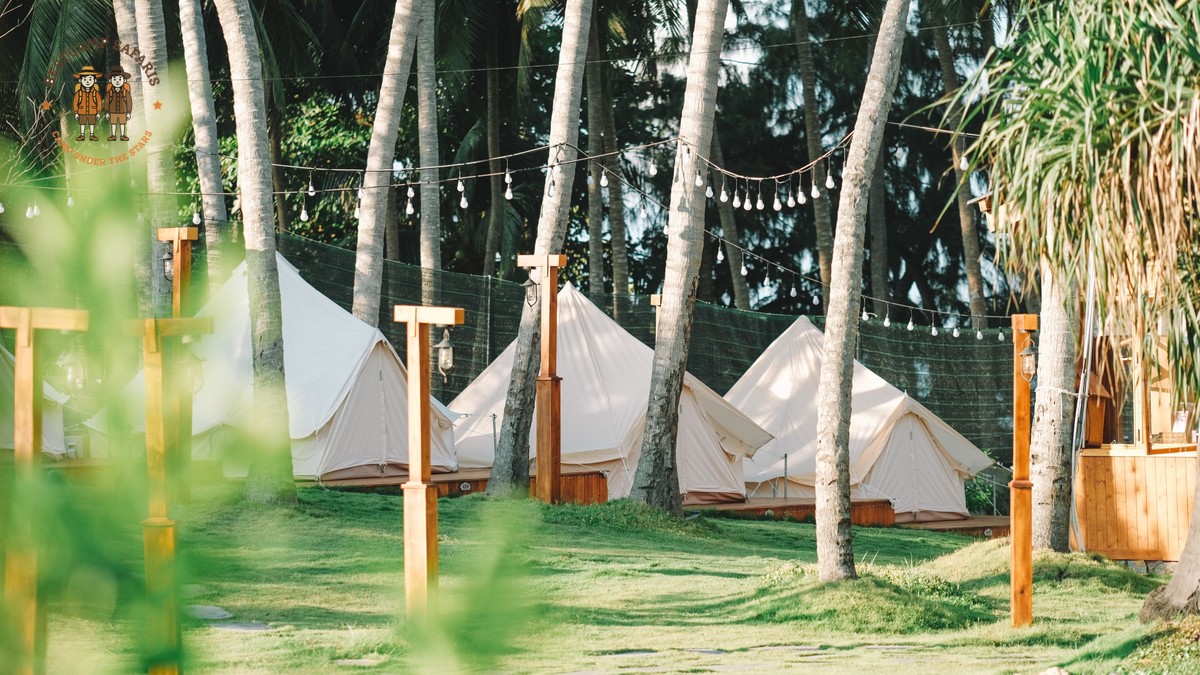
A standard canvas tent is tall enough to stand in. It has a camp bed with a mattress, sheets, duvet, and extra blanket. The bathroom is behind the tent. Most camps use a bucket shower. You tell the staff when you want hot water, and they fill it. The toilet is a bush toilet with a proper seat, or a portable chemical toilet. It is private but not plumbed.
There is no electricity in the tent. The dining tent has a solar charging station for phones and cameras. There is no Wi-Fi. Phone signal is patchy in most bush areas. You may get signal on a high point during a game drive. Read more about how private a mobile camp is if you are comparing it with lodges or public sites.
Food and Dining in a Mobile Camp
The camp cook works from a shaded kitchen tent with a gas burner and a small fridge or cooler box. Meals are made fresh. Breakfast can be porridge, eggs, sausage, toast, fruit, and tea or coffee. Lunch is often a picnic packed in the vehicle, or a lighter camp meal. Dinner starts with soup, then a main such as grilled chicken or beef, vegetables, and a simple dessert. The food is honest and hot, not lodge buffet style.
Dietary requests are easy if you send them in advance. Vegetarian, halal, gluten free, and no beef meals are common. A Buryat guest who avoids beef can be served lamb, chicken, fish, or lentil dishes. See what food is served at a mobile camp for a fuller menu breakdown.
Safari Activities and Wildlife Viewing
Game drives are the core. In a national reserve such as the Masai Mara, vehicles stay on tracks and do not drive after dark. In private conservancies such as Naboisho and Mara North, you can go off road and take night drives. That changes what you see. At night you may find aardvark, bush babies, and hunting lions. Walking safaris are also allowed in conservancies with a ranger, not inside national parks.
In the Mara from July to October, mobile camps near the Mara River make river crossings easier to reach before the crowd. In Amboseli, the camp may shift to follow elephant herds moving toward the swamps. In Tsavo West, you can camp near Chaimu Crater or the Shetani lava flow. The camp moves because the animals move.
Best Time to Visit Kenya
The dry months from June to October are the most popular. Roads are harder but drier, and the Great Migration is in the Masai Mara. Peak Mara fees apply from July to December, at USD 200 per adult per day. January to March is also dry and less busy. The Mara fee drops to USD 100 per adult per day from January to June. The long rains in April and May make some roads soft, but camps are quieter and greener.
Cold nights happen from June to August. At 5am inside a canvas tent, it can feel close to freezing in high areas. Bring a warm hat and layers even if Nairobi is hot. A hot water bottle in the bed helps.
Mobile Camping Costs and What Is Included
A private Kenya mobile camping safari is a full service trip. Expect to pay an indicative range of USD 450 to 700 per person per night for a small group of four to six people. Couples and solo travelers pay more per person because the camp crew and vehicle cost is shared by fewer guests. Large groups pay less per person.
Typical inclusions are park or conservancy fees, a private 4×4 vehicle and driver guide, the full camp crew, all meals, drinking water, tea and coffee, soft drinks, camp equipment, and most activities. Some packages include road transfers from Nairobi or domestic flights from Wilson Airport to an airstrip such as Naboisho or Keekorok. Ask for this in writing.
Typical exclusions are international flights, Kenya eTA or visa, travel insurance, tips, premium alcohol, and optional extras like a balloon safari over the Mara. See our full guide to Kenya mobile camp prices and what rates include to compare an itemized quote.
What to Pack for a Kenya Mobile Camping Safari
Pack for cold and hot in one day. Bring warm layers such as a fleece, wool hat, gloves, and a buff for 5am drives. Use neutral colors like khaki, olive, and brown. Avoid bright white and dark blue, which can stand out and attract tsetse flies in some areas.
Closed shoes work for walking around camp. Sandals are useful for the shower. A headlamp or small torch is essential after dark. Bring a power bank and spare camera batteries. Sunscreen, lip balm, insect repellent, and personal meds go in your daypack. Use a soft duffel bag, not a hard suitcase. Space in safari vehicles is limited.
Buryat Speaking Travelers Mobile Camping: Language and Culture Notes
Most safari guides in Kenya speak English and Swahili. Some also speak Russian, especially guides who work with travelers from Russia, Buryatia, and other post-Soviet regions. Buryat itself is not spoken in Kenya. The practical bridge is Russian or English.
BestCamp Safaris can arrange a Russian-speaking driver guide or a private interpreter for Buryat speaking travelers. Book this at least a few weeks ahead. Tell us whether you prefer briefings in Russian, Buryat, or a mix. If your group includes family members who speak only Buryat, a trip with an interpreter is worth the extra cost. The guide can translate animal behavior, park rules, and camp safety.
There is also a cultural point worth knowing. Buryat and Maasai herding cultures both have deep knowledge of livestock, seasonal movement, and family clans. When you sit by the campfire, you may find a natural conversation about cattle, grass, and weather. Many Maasai guides and askaris are happy to talk about their own herding background. Ask real questions and you will get real answers.
Learn a few Swahili words. Jambo means hello. Asante means thank you. The guide will handle the rest.
Health, Safety, and Practical Travel Advice
Mobile camping is safe when you follow camp rules. The crew includes askaris who watch the camp at night. There are no fences, so you do not walk alone after dark. Use a headlamp and wait for an escort.
Malaria is present in many safari areas. Take prophylaxis, use repellent, and sleep under the provided net if the tent has one. Drink bottled or filtered water. Carry your regular medicines. Medical evacuation insurance is strongly recommended.
Kenya requires an eTA before travel. Apply online in advance. Roads are rough, so if you want to reduce long drives, fly from Wilson Airport in Nairobi to an airstrip near the camp. Airstrips like Naboisho, Keekorok, and Amboseli make mobile camping easier.
Frequently Asked Questions
Is mobile camping safe in Kenya? Yes, when run by an experienced crew with night askaris and clear rules.
Are mobile camps suitable for first time safari travelers? Yes. It is more rustic than a lodge but fully staffed. You do not pitch your own tent.
Do mobile camps have electricity, Wi-Fi, or phone signal? There is solar charging for devices. Wi-Fi is not available. Phone signal is patchy.
Can Buryat-speaking travelers request a private guide or interpreter? Yes. BestCamp arranges Russian-speaking guides or interpreters with advance notice.
What are the toilets and showers like? Private bucket showers with hot water and bush toilets with proper seats.
How many nights should a mobile camping safari last? Five to seven nights is ideal. It gives time for one or two camp moves.
Can a mobile camp move between different parks or conservancies? Yes, with the right permits. A common move is from Naboisho Conservancy to Mara North Conservancy or from Amboseli to the Chyulu Hills.
How does mobile camping differ from a lodge? You sleep in canvas, closer to wildlife, and the camp moves. A lodge has permanent walls, a pool, and more fixed facilities.
The BestCamp Safaris Difference
BestCamp Safaris runs private mobile camps with Kenyan crews who know the ground, the park gates, and the camp routines. We give written route plans and itemized costs before you pay. We do not push a standard lodge circuit. We build the camp around your group size, travel dates, and language needs.
For Buryat speaking travelers, we can lock in a Russian-speaking guide or interpreter early. We will also tell you which camp sites have phone signal for a call home, and which do not. Our team has slept in the tents, packed the breakfast table before sunrise, and walked back to camp by lamplight. We plan from that experience.
Plan Your Mobile Camping Safari
BestCamp Safaris can arrange a private mobile camping route for you, from the Masai Mara to the Chyulu Hills or a quieter conservancy. Tell us your dates, group size, and whether you need a Russian-speaking guide or interpreter. We will send a practical route with camp nights and exact costs. Start with our contact page or browse our Kenya mobile camping safaris.


