 Adventure Tours
At 5:40 in the morning inside a Mara North Conservancy tent, the first sound is not a lion. It is the click of a gas ring and a kettle starting to boil. If you have asked what food served mobile camp, the answer is not a scaled-down lodge buffet. It is hot tea in a metal cup, eggs cooked on a folding table, and a packed lunch wrapped in foil.
A mobile safari camp moves with you. The kitchen is a canvas side tent, cool boxes, gas cylinders, and locked metal food trunks. There is no walk-in fridge and no long à la carte menu. But there is fresh, hearty food cooked from scratch twice a day, with meals built around game drives.
What Food Served Mobile Camp? Meals and Timing
Most mobile camps serve three meals a day plus a pre-drive wake-up snack. The rhythm usually looks like this:
- 5:30 to 6:00 am: tea, coffee, homemade biscuits or mandazi before the morning drive
- 9:00 to 10:30 am: full hot breakfast back at camp after the drive
- 1:00 to 2:00 pm: hot lunch at camp, or a packed bush lunch on a full-day drive
- 4:00 pm: afternoon tea, coffee, and small snacks
- 7:30 to 8:30 pm: hot dinner, often served under a canvas dining tent or by lantern light
Hot meals are normal. Breakfast and dinner are always hot. Lunch is hot when you return to camp, but it is cold and packed when you stay out all day. If you are unsure how many game drives to plan each day, ask your operator to map the meal times to your drive schedule. Learn more here: how many game drives to plan each day.
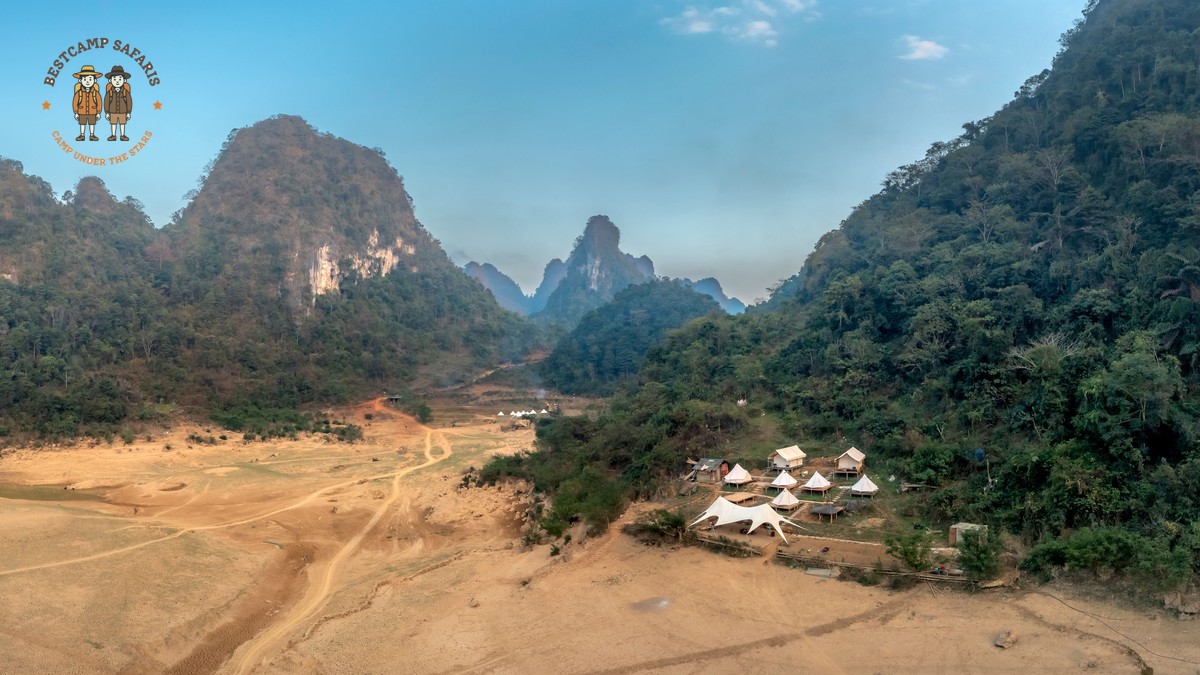
Where these meals happen affects the menu slightly. Camps near Narok town resupply fresh vegetables more often than camps deep inside Tsavo East. Here are the places BestCamp Safaris mobile camps often use, with real drive times and current entry fees.
| Mobile camp area | Road distance from Nairobi | Approx drive time | Daily non-resident entry fee, USD |
|---|---|---|---|
| Mara North Conservancy | 270 km | 5 to 6 hours | 80 to 150 per person per night, conservancy fee |
| Naboisho Conservancy | 270 km | 5 to 6 hours | 80 to 150 per person per night, conservancy fee |
| Amboseli National Park | 240 km | 4 to 5 hours | 90 per adult per day, KWS fee |
| Tsavo East National Park, Voi gate | 330 km | 5 to 6 hours | 80 per adult per day, KWS fee |
Fees are correct as of August 2026. Mara North and Naboisho conservancy fees are usually bundled into the camp rate, so you do not pay them at a gate.
A Realistic Three-Day Menu at a BestCamp Safaris Mobile Camp
Day 1:
- Pre-drive: chai, coffee, mandazi
- Breakfast: eggs to order, grilled bacon or chicken sausage, baked beans, fresh fruit, toast, jam
- Lunch: chicken curry, rice, chapati, cucumber and tomato salad
- Dinner: grilled tilapia, ugali, sukuma wiki, fresh mango
Day 2:
- Pre-drive: coffee, banana, plain biscuits
- Full-day drive bush breakfast: boiled eggs, bacon rolls, fruit, thermos tea
- Packed bush lunch: cold roast chicken, pasta salad, hard-boiled egg, fruit, juice, chocolate
- Dinner: beef stew, rice, kachumbari, lentil dhal
Day 3:
- Breakfast: pancakes with honey, fruit, eggs, sausage
- Lunch: vegetable pilau, kachumbari, chapati
- Dinner: nyama choma, roasted potatoes, greens, fruit
This is not a fixed menu. It shows the pattern: a hot breakfast, a sturdy lunch, a cooked dinner, and Kenyan staples mixed in.
Kenyan and East African Dishes to Expect
Mobile camps rely on local cooks, and many dishes come from Kenyan kitchens. Common plates include ugali, a maize flour dough, and sukuma wiki, stir-fried collard greens. You will also see kachumbari, a tomato and onion salad, plus chapati, mandazi, pilau, githeri, and irio. Nyama choma, or grilled meat, often appears on the final night, cooked over charcoal.
Camps in Maasai areas may serve roasted goat or beef with ugali and greens. Camps in Tsavo may add coconut rice or fish. Expect simple, well-seasoned home cooking rather than plated fine dining.
Lunch at Camp Versus a Packed Bush Lunch
At camp, lunch is hot and served with plates, cutlery, and a cold drink. On a full-day game drive, lunch travels in a cool box. A typical bush lunch includes cold chicken or meat, pasta or rice salad, boiled eggs, fruit, juice, and a bar of chocolate. It is not hot soup or grilled food, because there is no stove in the vehicle.
Mobile camps pack bush lunches early in the morning. The food stays cold with ice packs. You eat it under a tree, on the bonnet of the vehicle, or at a designated picnic spot. It is simple, but after five hours of driving, it tastes better than most restaurant food.
If rain comes, the crew may stop at a ranger post or eat in the vehicle. See what happens when it rains on safari for more on how weather changes the day.
Snacks, Tea, Coffee, and Drinking Water
Mobile camps include snacks, tea, coffee, and drinking water in the nightly rate. Bottled or filtered water is available in your tent and in the vehicle. The camp crew refills water bottles each morning.
Tea and coffee appear before drives, after drives, and in the afternoon. Snacks are usually biscuits, nuts, fruit, or homemade cake. House beer and wine are often included in Mara North or Naboisho mobile camps, but premium spirits and champagne are billed separately. Confirm the alcohol list before booking.
Vegetarian, Vegan, Halal, Gluten-Free, and Allergy-Friendly Meals
Mobile camps can handle most diets, but only with advance notice. Vegetarian is the easiest. Beans, lentils, vegetable curry, eggs, chapati, fruit, and rice are already in most menus.
Vegan is possible. The chef can make coconut bean stew, vegetable pilau, lentil dhal, and fruit. The main risk is the packed bush lunch, where cheese, butter, or eggs may slip in. Tell the operator at booking and again one week before arrival.
Halal food is available if you request it. Many camps already avoid pork. Chicken and beef can come from halal suppliers. Gluten-free is trickier. Chapati, pasta, and most bread are out. The camp can serve rice, potatoes, eggs, fruit, and vegetables, but gluten-free bread and wraps may not be available in the bush.
Nut allergies need clear communication. Small camp kitchens often use groundnuts and peanut oil. Cross contact is a real risk. If you travel with children, read our guide to planning a Kenya safari for families before you book.
Severe allergies: bring safe snacks and any emergency medication. Mobile camps have smaller pantries than permanent lodges, and last-minute substitutions are harder.
How Food Is Prepared and Stored in a Mobile Camp
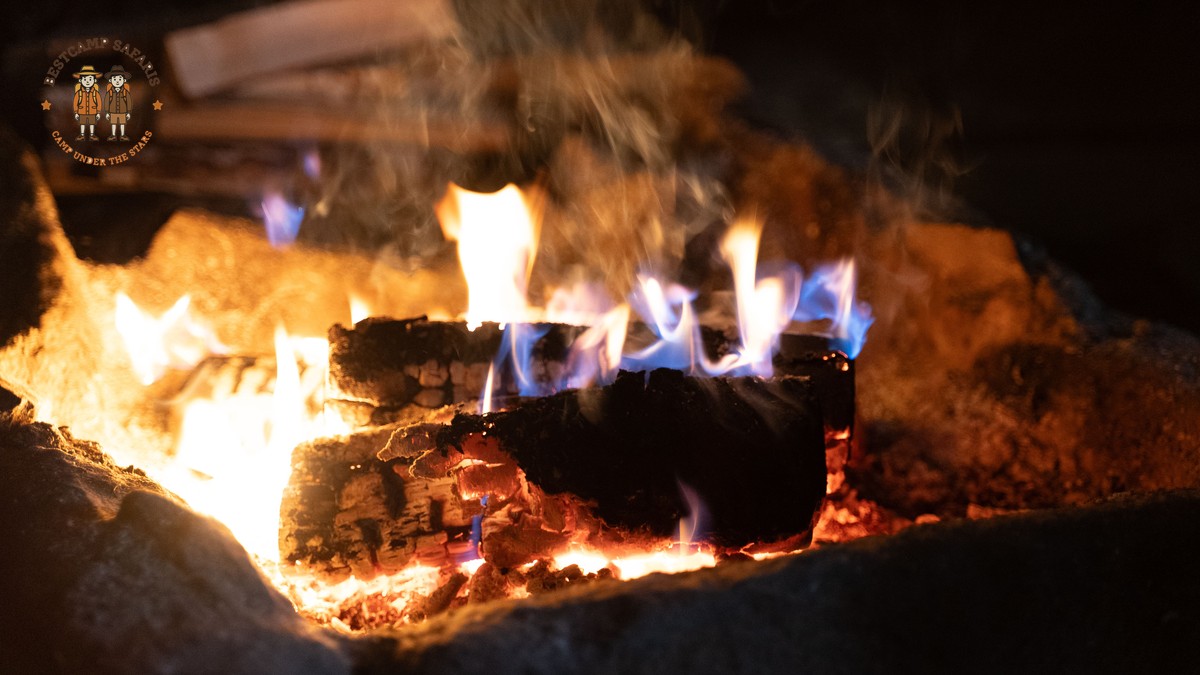
A mobile camp has no supermarket down the road. The cook buys vegetables, fruit, and meat in Narok, Nairobi, or the closest town before the safari starts. Fresh meat is kept in a cool box with ice blocks, which are refreshed by vehicle or generator. Eggs, potatoes, onions, and dry goods travel in lockable metal trunks.
Meals are cooked on gas rings or over charcoal. The kitchen is a folding table under a canvas fly sheet. At night, food is packed away in animal-proof boxes. Drinking water is boiled or filtered. Dishwashing uses hot water and soap, followed by a rinse.
Rain complicates cooking, but crews are used to it. What happens when it rains on safari affects where you eat, not whether you eat well.
Mobile Camp Food Versus Permanent Lodge Food: Honest Trade-Offs
A mobile camp gives you fresh, hearty cooking and meals eaten in wild places. A permanent lodge gives you more variety, bigger refrigeration, and a longer menu. This is the honest trade-off.
Mobile camp advantages:
- Bush breakfasts and sundowners in places lodges cannot reach
- Meals feel personal, cooked by the same crew every day
- Fresh local produce and Kenyan home cooking
Permanent lodge advantages:
- Wider menu, multiple courses, and more wine choices
- More flexibility for last-minute vegan or allergy requests
- Large cold rooms for salads, desserts, and imported items
If you have strict dietary needs, a mobile camp can work, but you must say so early. A permanent lodge can often improvise on the spot. Mobile camps plan menus around supplies, not around sudden requests.
The BestCamp Safaris Difference
We run mobile camps with cooks who have worked in the same conservancies for years. We send a dietary form before you travel. We ask about allergies, religious requirements, and disliked foods. Then we confirm the menu with the camp crew before you arrive.
Our camps set up in Mara North, Naboisho, Amboseli, and Tsavo East. We keep cool boxes stocked, rotate fresh supplies, and plan bush lunches the night before. You will know what to expect on day one, not discover surprises in the middle of nowhere.
Plan your mobile camp meals with BestCamp Safaris. Tell us what you eat, what you avoid, and how many nights you want. We will match the menu to your camp and your game drive schedule. Start here: contact BestCamp Safaris.


