 Adventure Tours
Most Samburu packing advice starts at the lodge gate and never walks back to camp. A mobile camp is different. The tents go up before you arrive. The cook has coffee ready before first light. Your world shrinks to a canvas room, a campfire, and the Ewaso Ng’iro moving somewhere in the dark. This Samburu mobile camp packing list is built for five nights in Samburu National Reserve and the conservancies around it. It assumes a fully serviced trip, the kind where an operator like BestCamp Safaris carries the heavy gear instead of you.
Work through the items in order. If you stay in a serviced camp, almost all of them fit in one soft duffel plus a daypack.
Clothing and Layering for Samburu
Pack three to five lightweight shirts, including at least two long-sleeved options, two or three quick-drying trousers, underwear, socks, sleepwear, and one fleece or light jacket. Samburu afternoons are hot, but dawn drives and evenings can feel cool. Choose breathable neutral colors and prioritize sun coverage over heavy safari clothing.
- Three to five lightweight shirts. Pick at least two long-sleeved shirts. They protect your forearms from the sun, and they keep mosquitoes off at dusk.
- Two or three pairs of quick-drying trousers. Denim traps heat and takes days to dry. Light nylon or cotton blends move better in a vehicle and around camp.
- Underwear and socks for five days, plus one spare set. Merino or synthetic fabrics are better than cotton. Wool socks prevent blisters on walking days.
- Sleepwear and a loose camp top. Nights in Samburu can drop quickly. Something soft and warm enough for a canvas tent makes the difference between waking chilled and waking rested.
- One fleece or lightweight insulated jacket. This matters most at 5 am. Open-sided game vehicles are cold before the sun tops the hills.
Fully Serviced Mobile Camp Versus DIY Camping Gear
A fully serviced mobile camp usually provides the tent, bed, bedding, chairs, meals, cooking equipment, and drinking water. Bring personal gear instead of a full camping kit. A DIY or participatory camping safari may require a tent, sleeping bag, mattress, stove, utensils, food, water treatment, and a larger luggage allowance.
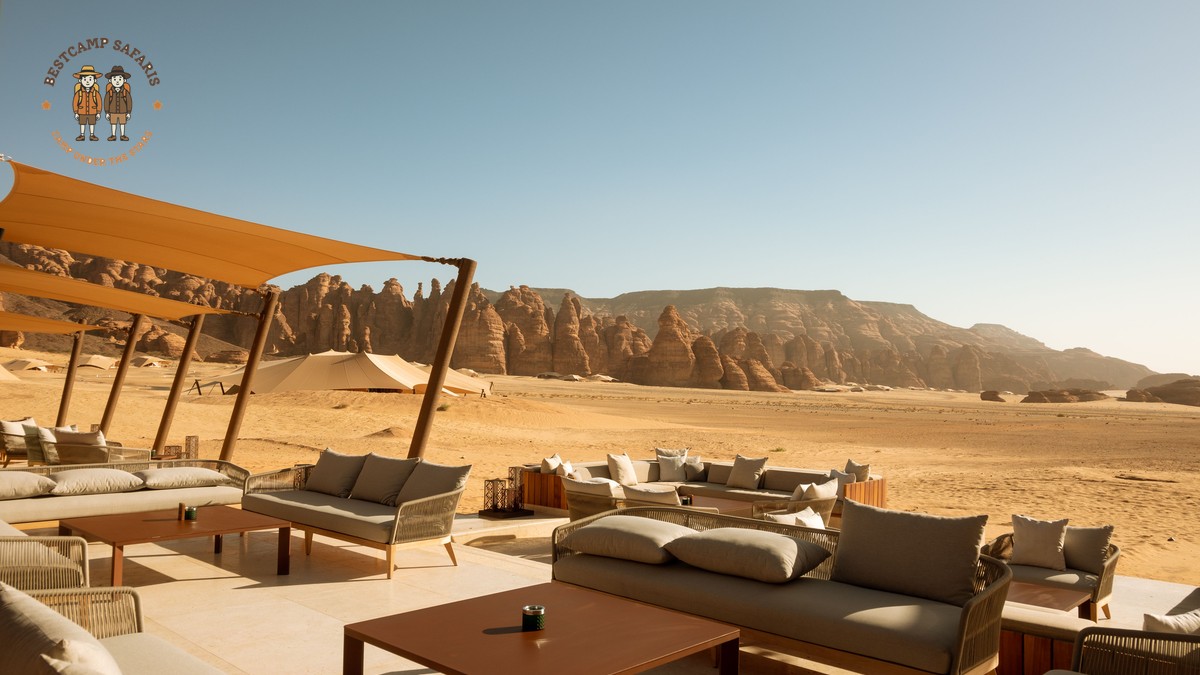
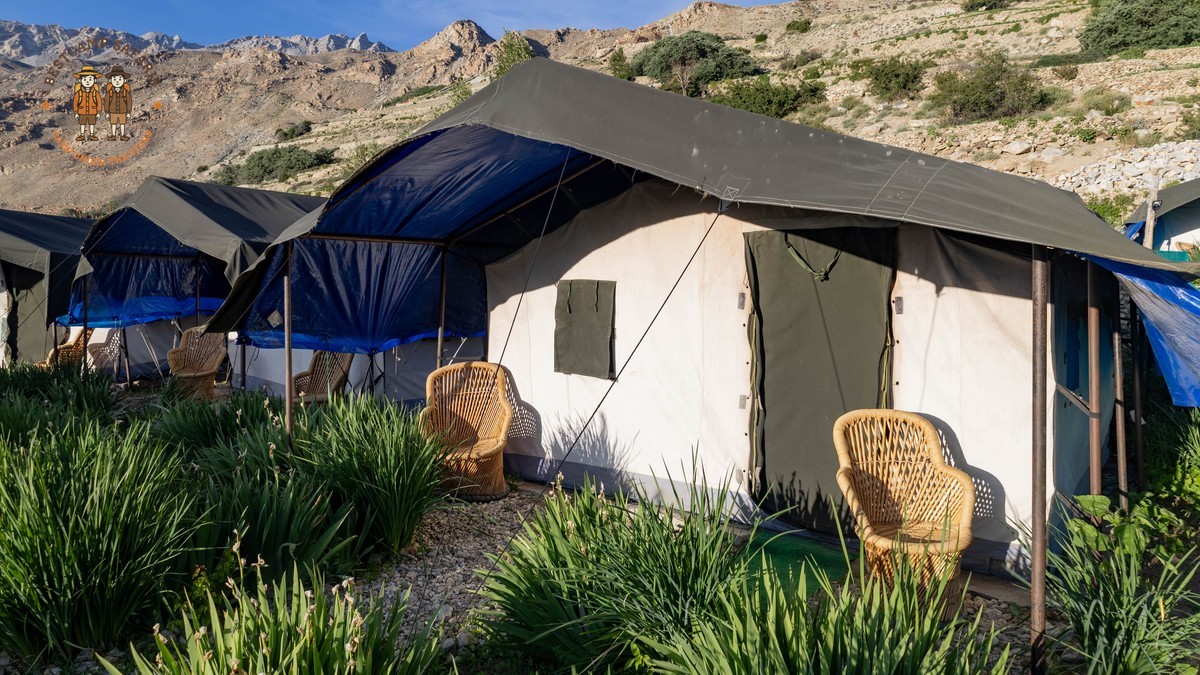
The useful question is always who carries what. BestCamp Safaris sends a complete equipment list before each trip. That list tells you whether a sleeping bag is useless or essential. At a serviced Samburu mobile camp, the team has already pitched the walk-in tent before you arrive. They have made the bed, filled the water, and set the table for dinner. At a DIY camp, you do those jobs.
| Item or task | Fully serviced camp | DIY or participatory camp |
|---|---|---|
| Tent and bed | Walk-in tent, camp bed, sheets, pillows, towels | Tent, sleeping bag, mattress, groundsheet |
| Meals and water | Cook handles meals and drinking water | Stove, fuel, pots, food, water filter or treatment |
| Luggage target | One 60- to 80-liter soft duffel plus daypack | 90-liter or larger duffel plus your own gear |
| Power in camp | Shared solar or generator, usually at dining tent | Bring your own solar panel and spare batteries |
| Setup effort | Crew moves camp ahead while you game drive | You carry, pitch, cook, and break camp daily |
- Soft-sided 60- to 80-liter duffel. Hard cases crack and waste space. A duffel squeezes into camp vehicles and stores flat inside your tent.
- Daypack with rain cover. This stays in the vehicle during game drives. Keep medicine, camera gear, layers, and water inside.
- Refillable water bottle or hydration bladder. One liter is a minimum. The camp supplies drinking water, so you only need the bottle, not treatment tablets.
- Headlamp or small flashlight. You need both hands when you unzip your tent after dark. Camp paths are sandy, uneven, and rarely floodlit.
If your route includes moving camp mid-trip, read what happens during a fly-camp move. On a serviced route, the crew dismantles and jumps ahead while you are on game drive.
Footwear, Sun Protection, and Insect Protection
Bring one pair of closed, comfortable walking shoes and one pair of sandals or camp shoes. Add a wide-brimmed hat, sunglasses, SPF 30 or higher sunscreen, lip balm, and insect repellent. Closed shoes matter after dark because paths around mobile camps can be sandy, uneven, and poorly lit.
- Closed walking shoes. Sturdy trail shoes or light boots work for camp walks and short bush walks. Break them in before you fly.
- Sandals or camp shoes. Your feet need air after dusty drives. Sturdy sandals are enough for the walk to the bathroom tent.
- Wide-brimmed hat. The Samburu sun is strong between late morning and mid-afternoon. A brim keeps glare off your face during open-vehicle drives.
- Sunglasses and a retainer strap. Polarized lenses cut dust glare. The strap keeps them from falling into the grass when you lift binoculars.
- Sunscreen and lip balm. Use SPF 30 or higher. Lip balm with SPF stops the dry northern wind from cracking your lips.
- Insect repellent. DEET or picaridin works best in the evenings. Apply before dinner, not after the mosquitoes find you.
Health, Toiletries, and Personal Essentials
Pack prescription medicines in original packaging, a compact first-aid kit, blister plasters, oral rehydration sachets, hand sanitizer, personal toiletries, wet wipes, and any medication that may be difficult to replace locally. Include a refillable water bottle and keep essential medicine, insurance details, and one change of clothes in your daypack.
- Prescription medicines in original packaging. Carry enough for the whole trip plus two extra days. Keep them in your daypack, not your duffel.
- Compact first-aid kit. Include blister plasters, antiseptic cream, painkillers, and a small roll of tape. You do not need a full field hospital.
- Oral rehydration sachets and a simple anti-diarrheal. These are easy to buy in Nairobi but less obvious north of Nanyuki. A small supply saves a long drive for a pharmacy.
- Hand sanitizer and wet wipes. Camp toilets may be eco loos. Wipes also clean dusty hands between morning coffee and a game drive.
- Toiletries in a leakproof bag. Toothpaste, toothbrush, biodegradable soap, deodorant, and any personal care items belong in one sealed pouch.
- Earplugs and a sleep mask. A mobile camp is quiet, but dawn birds are honest alarm clocks. Earplugs let you sleep until your wake-up call.
Camera, Power, Documents, and Luggage Organization
Use one soft-sided 60- to 80-liter duffel for a typical five-night serviced mobile camp, plus a small daypack. Pack binoculars, spare camera batteries, memory cards, a lens cloth, a 10,000mAh-or-larger power bank, and a Type G adapter. Keep your passport, cash, booking details, and medication accessible.
- Binoculars. An 8×42 pair works well for most Samburu viewing. Keep them in a front pocket of your daypack, not buried at the bottom.
- Camera, spare batteries, memory cards, and lens cloth. A phone camera is useful, but lions and vultures rarely pose at phone distance. Dust gets on lenses daily.
- Power bank and Type G adapter. Serviced camps often limit charging to the dining tent. A 10,000mAh power bank keeps your phone alive overnight.
- Documents and cash pouch. Keep your passport, insurance details, booking reference, and small notes in Kenyan shillings or US dollars together. It stays with you at all times.
If you are considering a one-night fly-camp extension later in the trip, 15 fly-camping essentials will show you how to keep that overnight bag even leaner.
Your Next Step: Finish This Samburu Mobile Camp Packing List
Do not order a new safari wardrobe yet. First, confirm the camp equipment list. Read a typical Kenya mobile-camp day if you are unsure how early mornings, long siestas, and evening drives fit together.
Then choose your Samburu dates and message BestCamp Safaris through the contact page. Ask for the current equipment list for their Samburu mobile camp. Once you know exactly what the camp supplies, this Samburu mobile camp packing list becomes your filter. You carry less, and you sleep better for it. A lighter bag is the smarter start to any camping safari.