
 Wildlife Tours
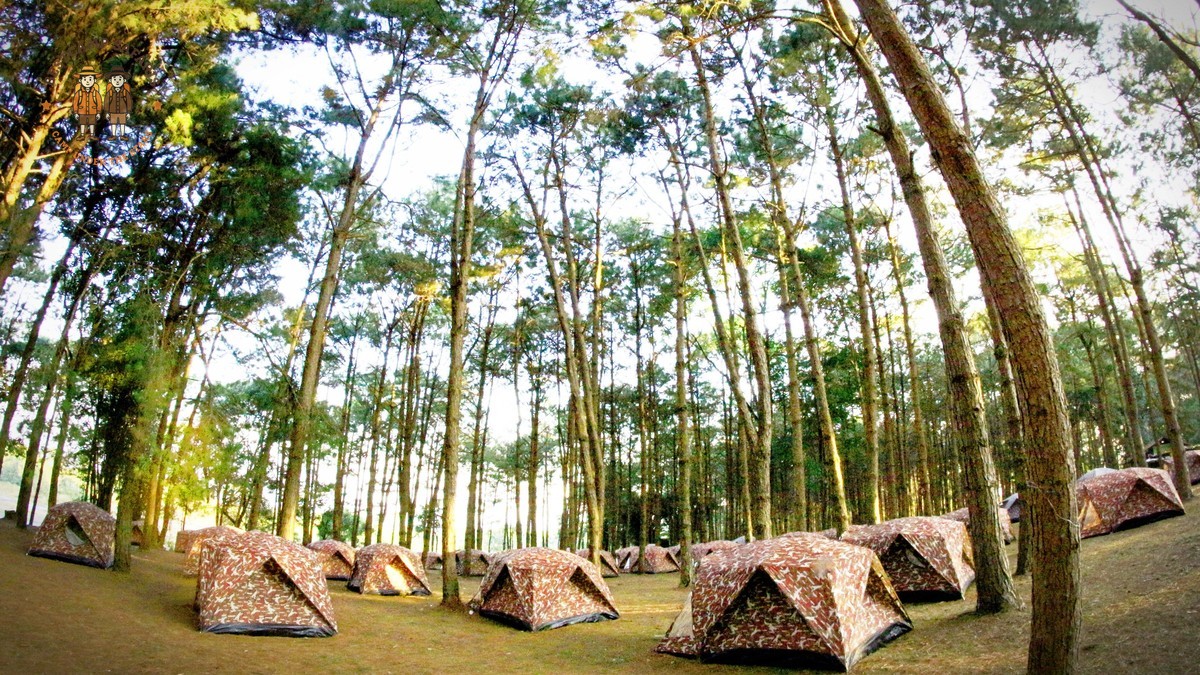
The first sound of the day is a zipper. Someone from the night staff walks from tent to tent with a steel thermos, and the canvas door shakes as he taps the pole. You reach out, take the tray, and sit for a minute with sweet milky tea while the dark outside slowly turns grey.
A mobile camping safari does not run on your hotel clock. It runs on a wildlife clock. The Kenya mobile camp day schedule has six key blocks: pre-dawn tea, the morning drive, bush breakfast, midday rest, the afternoon drive with a sundowner, and dinner under canvas.
Here are the times you can expect at a well-run private operation.
What time does a Kenya mobile camp day start?
A Kenya mobile-camp day usually starts between 4:45 and 5:30 a.m. The first event is tea or coffee delivered to your tent. The morning game drive commonly leaves camp around 5:15 or 6:00 a.m., depending on sunrise, wildlife activity, park rules, and whether the site is being moved that day.
If you are considering a Kenya mobile camping safari, prepare for early. Animals do not schedule meetings at nine. Lions finish their night hunts before the heat builds. Leopards drag kills into trees while the light is still soft. That is why guides wake you before the birds get noisy.
In the Masai Mara National Reserve, entrance gates usually open around 6 a.m. If your camp sits outside the gate, your vehicle may wait in a short line with headlights on. Camps inside the reserve can start driving as soon as visibility permits. In private conservancies like Naboisho or Mara North, there is no gate wait at all, so your start is often closer to 6:00 a.m.
Pack a fleece even if you booked for July. The ground is cold at that hour, and the canvas floor of your tent holds the chill. By the time you stop for your first animal sighting, you will not miss the sleep.
What does the morning game drive and bush breakfast schedule look like?
The morning drive usually lasts two to four hours. Cooler temperatures and low light make predators easier to find. Breakfast may be served back at camp or laid out in the bush during the drive. After breakfast you can shower, relax, walk with a guide, or switch to a longer all-day picnic.
The drive itself is not a straight loop. Your guide reads the radio, scans for vultures, and checks the places where lions like to rest. You might spend an hour with one cheetah or drive the Talek River area for two hours without stopping. A private vehicle means no group vote on when to leave.
The Kenya bush breakfast is one of those moments you will remember longer than most game sightings. The vehicle stops under an acacia. The crew unfolds a table and stools, then sets out a thermos of coffee, eggs, fruit, toast, and sometimes a pan of sausage. Wait for the moment after the meal when the crew zips the picnic cooler and folds the last chair. The bush swallows the whole scene in under a minute.
For most travelers, the morning game drive in Kenya is the reason they wake before light. If a leopard is sleeping in a sausage tree, your breakfast may wait until 10 a.m. That flexibility is part of a private safari.
What happens during midday rest, lunch, and camp activities?
Midday is usually the quietest part of the schedule. Lunch is served around 12:30 to 1:30 p.m. After lunch, expect two to four hours of rest while the heat peaks. You can nap, shower, read, or convert the break into a guided walk, cultural visit, or birding session.
Lunch is often the biggest meal of the day at a mobile camp. A typical spread includes soup or salad, grilled chicken or beef, rice or pasta, vegetables, and fresh fruit. The kitchen crew cooks over camp stoves, not in a permanent hotel kitchen, but the food is filling and well timed.
When you read a sample Kenya mobile safari itinerary, notice what is not written in the afternoon block: very little. That empty window is not wasted. It keeps you fresh for the evening drive.
Napping inside a canvas tent at 2 p.m. is a small skill. The canvas softens the light but does not cool the air. Good camps set their tents under shade for this reason. You will hear elephants push branches in the distance while you drift off.
Some guests prefer to use the break for a guided walk. In Laikipia, a walk with a ranger can show you dung, tracks, and termite mounds that you would never notice from a vehicle. Other days, sleep is the correct activity. This is not a camp where you feel guilty for resting.
When is the afternoon game drive, sundowner, and dinner?
The afternoon drive generally leaves between 3:30 and 4:00 p.m. and continues until sunset, usually with a sundowner stop. Guests return to camp after dark or around 7:00 p.m. for a hot shower, dinner, and a briefing about the next day. Some conservancies add a night drive.
Many mobile camps serve a light tea before the drive, around 3:00 p.m. Coffee, biscuits, and cake appear near the mess tent. You climb into the vehicle while the heat starts to soften.
The afternoon game drive in Kenya runs later but often produces the better light. Predators wake from their midday rest. Elephants move toward water. Your guide picks a view over a river or an open plain for sundowner.
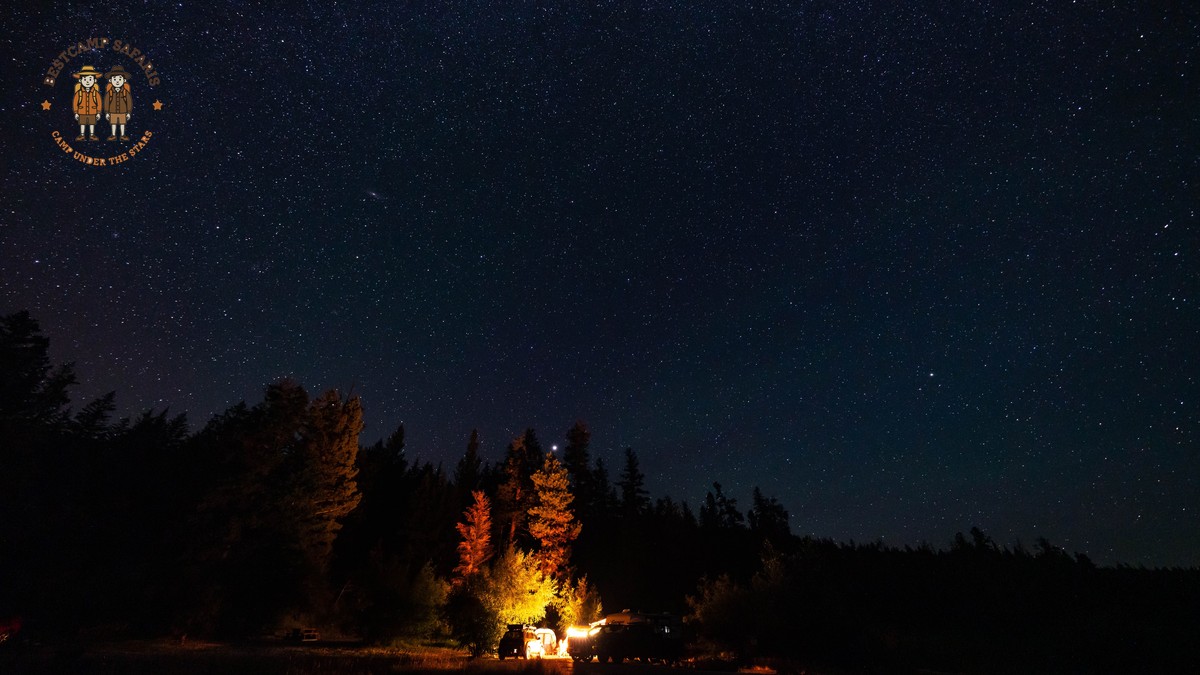
Sundowner is a tradition as old as the safari. The vehicle stops at a spot with a view, and a metal lockbox opens with drinks. You might sip a Tusker beer or a gin and tonic while the sky goes orange.
Returning to camp after dark is different from the morning departure. A lamp near the tent flap marks where you sleep. The guide kills the engine at the edge of camp, and you walk the last short stretch by torchlight.
Dinner is served around 7:30 or 8:00 p.m. by lamplight. The menu can be surprisingly polished for a canvas camp: soup, grilled meat, vegetables, and dessert. After dinner, the guide briefs you on the next day’s wake-up time, weather, and any camp move.
How does the Kenya mobile camp day schedule change by location and season?
A mobile-camp timetable changes with wildlife, weather, park rules, and travel logistics. In the Masai Mara, many days use two game drives, with the option of a full-day picnic. Samburu and Laikipia often add walks or community visits. On a relocation day, breakfast comes earlier and at least one drive window shortens.
| Region / typical base | Typical first tea | Drive pattern | Distinctive extra | Non-resident entry fee |
|---|---|---|---|---|
| Masai Mara National Reserve, near Sekenani or Talek Gate | 5:00-5:15 a.m. | Gate opens around 6 a.m.; two main drives; river-crossing picnics July-October | Full-day Mara River picnic | USD 100 per adult/day January-June; USD 200 per adult/day July-December |
| Naboisho Conservancy or Mara North Conservancy | 5:15-5:30 a.m. | Flexible drive times; night drives often allowed | Guided walking safaris | Roughly USD 80-150 per person/night, usually bundled into your camp rate |
| Samburu National Reserve | 4:45-5:00 a.m. | Morning plus late-afternoon drive; midday rest often longer in the heat | Ewaso Ng’iro River sundowners; rare northern species | Indicative USD 70-90 per adult/day, confirm at booking |
| Laikipia, Loisaba Conservancy area | 5:15-5:30 a.m. | Drives plus morning walks; rhino tracking on request near Ol Pejeta | Sleep-outs and walking safaris | Indicative conservancy fee USD 100-150 per person/night |
Road travel also shapes your day. Nairobi to the Masai Mara is roughly 270 km and can take five to six hours. Samburu sits about 350 km north, closer to a six-hour drive. Laikipia is nearer, around 230 km and three and a half to four hours. If you fly into a Mara airstrip, your schedule starts at the camp, not on the highway.
In July through October, the Mara day can turn into a full expedition. When the wildebeest are staging near the Mara River, the morning drive may continue through lunch with a picnic basket. During quieter months, the same camp may feel unhurried, with breakfast back at the table by 8:30 a.m.
Full detail on whether a mobile camp moves every day is in a separate guide, but the short answer is that most camps do not. A seasonal camp may stay in one spot for weeks or months. A lightweight expedition camp may set up for two or three nights, then shift. On a moving day, the crew packs during the morning drive, and you travel to the next site in time for lunch.
The BestCamp Safaris Difference
What makes a mobile camp safari work is not the tent. It is the rhythm around the tent. BestCamp Safaris builds private trips where the Kenya mobile camp day schedule matches your energy level, your budget, and the wildlife season. Some guests want every possible hour on the game drive. Others want a slower pace and a two-hour bush breakfast. BestCamp Safaris plans around that.
Because BestCamp Safaris runs private trips, the vehicle is yours and the pace is yours. There is no group vote on whether to stay with a leopard or leave for lunch. The booking team handles park fees, conservancy rates, and camp setup before you arrive. Your job is to wake up when the tea comes.
First-timers should review the mobile camping safety checks in Kenya before booking. That guide explains tent perimeters, night protocols, and camp staff roles. It is the same checklist BestCamp Safaris uses when the crew sets up after dark.
Frequently Asked Questions
What time does a mobile camp safari start in Kenya?
Most mobile-camp safari days start between 4:45 and 5:30 a.m., with tea or coffee delivered to the tent before departure. The morning game drive commonly begins around 5:15 or 6:00 a.m., depending on sunrise and the reserve.
Do mobile camps in Kenya have time to rest during the day?
Yes. Most schedules include lunch followed by two to four hours of downtime during the hottest part of the day. Guests can sleep, shower, read, or join an optional walk or cultural activity before the afternoon drive.
What time are game drives at a Kenya mobile camp?
The main game-drive windows are usually early morning, from about 5:15 or 6:00 a.m. until breakfast, and late afternoon, from roughly 3:30 or 4:00 p.m. until sunset. Some private conservancies also offer night drives.
Do mobile safari camps move every day?
Usually not. Many mobile camps remain in one place for several nights or for an entire season, while lightweight walking or expedition camps may move daily or every few days. A relocation day typically starts earlier and provides less time for a standard two-drive routine.
How much does a mobile camping safari in Kenya cost per day?
Indicative all-inclusive rates commonly range from about $350 to $550 per person per day for a mid-range private mobile camp and $550 to $800 or more for a premium setup. The final rate depends on season, conservancy fees, transport, camp style, and whether the safari is private. For a detailed breakdown, start with our guide to Kenya camping safari costs.
Ready to Build Your Own Kenya Mobile Camp Day Schedule?
The best time to talk about wake-up calls is before you book. Contact BestCamp Safaris with your dates, your preferred parks, and how early you actually want that first tea. We can turn this Kenya mobile camp day schedule into a private itinerary across the Masai Mara, Naboisho, Laikipia, or Samburu. Start the conversation on our contact page.


