
 Adventure Tours
I was lying in a mobile tented camp near the Mara River when the first drops hit the canvas. Rain on a safari tent sounds louder than you expect. By 5am the crew was checking guy lines and digging a drainage channel.
How do mobile camps handle rain? Yes, mobile camps can operate in rain. The tents are built for it, and the crew has a routine. Here is how it works.
Here is what rain does to a camp day along the roughly 260 km Nairobi-to-Mara route.
| Rain condition | What changes at camp | Game drives | Wet-track driving |
|---|---|---|---|
| Light showers, Nov-Dec, especially in the Mara | Crews tighten rain flaps and guy lines | Usually continue | Nairobi to Mara stays about 5 to 6 hours |
| Steady rain, long rains, March to May | Drainage channels dug; paths get sand | Start later or use higher tracks | Same route can stretch to 7 or 8 hours |
| Heavy rain or lightning, any month | Everyone gathers under the dining tent | Delayed or shortened | Trucks wait until tracks drain |
How do mobile camps handle rain? Tents that stay dry
Mobile safari tents stay dry through waterproof canvas, fitted rain flaps, raised or well-drained floors, secure guy lines, and regular checks by camp staff. Crews protect beds and luggage first, keep doors and ground sheets positioned, and repair coverings as needed. Good camps ventilate tents to limit condensation.
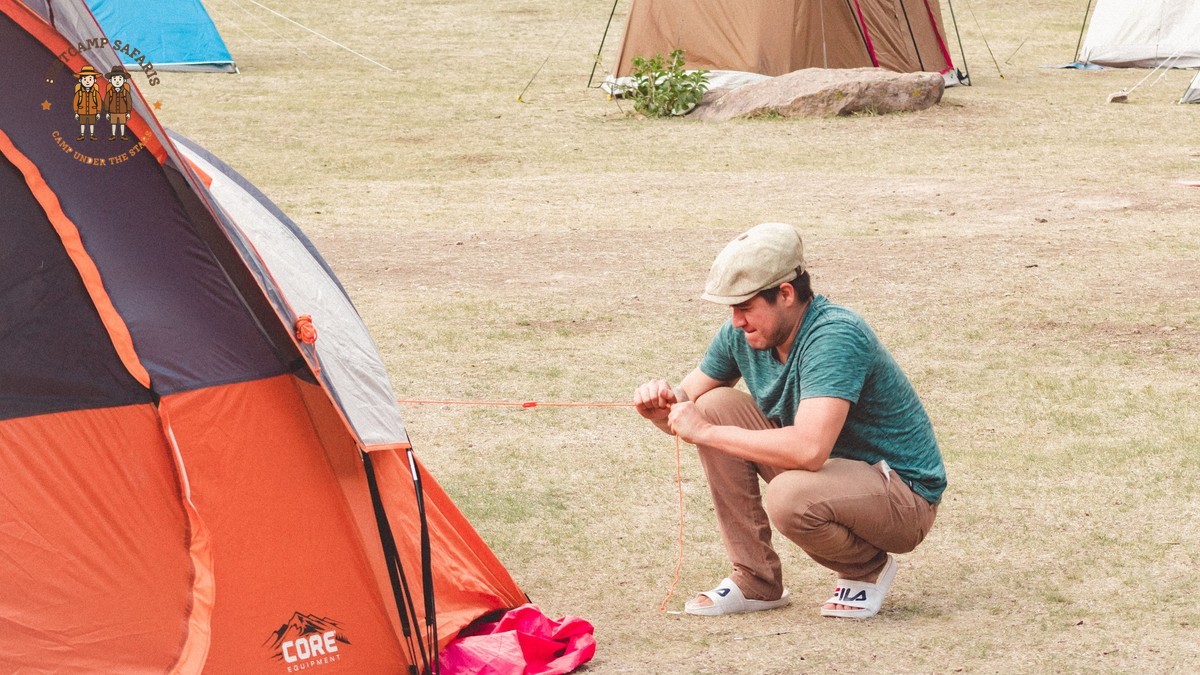
Your tent is usually a walk-in dome or ridge tent made from heavy cotton or synthetic canvas. The doors have storm flaps that fold over the zipper. Most floors sit on a low platform or well-drained pitch, so water never pools under your mattress.
A BestCamp Safaris crew checks the same things every evening. They look at seams, tug the guy lines, and re-stake anything loose. They open a small vent, because condensation dampens the inside even when the canvas stays dry. Here is what happens during camp thunderstorms.
How camp crews manage drainage, mud, and standing water
Crews choose slightly elevated ground, avoid natural drainage channels and depressions, and position tents so water runs away from entrances. They monitor pooling, reinforce paths, move vulnerable equipment, and alter the layout if soil becomes saturated. The priority is safe access, dry sleeping areas, and vehicles that stay unstuck.
Before pitching, the crew reads the ground. A good site sits on a slight rise, and they avoid dry riverbeds, because those can fill in minutes.
In steady rain, they keep a shovel near the kitchen and deepen drainage channels. They add sand or gravel to paths that turn slippery. If a vehicle sinks, they lay branches under the tires before winching it out. On a rainy mobile safari, the camp layout can shift between breakfast and dinner.
What happens to meals, showers, and shared areas during rain
Rain usually shifts camp life under a dining or lounge shelter, with staff protecting cooking equipment, dry food, lighting, and guest belongings. Meals continue, but service slows while staff manage water and slippery ground. Hot drinks, dry seating, towel changes, and a wet-gear area make the biggest difference.
The dining tent becomes the center when it rains. Breakfast still happens, and hot coffee comes out fast.
Bucket showers still work on rainy days. The crew heats water, tarps the shower, and lays a wooden pallet so you are not standing in mud. A wet-gear area near the dining tent keeps dripping gear away from dry clothes.
How rain changes game drives and daily safari plans
Light rain rarely stops a safari. Heavy rain, lightning, poor visibility, flooded crossings, or impassable tracks can delay a drive, shorten it, or replace it with a camp-based activity. Guides assess conditions locally rather than following a fixed rule. Departures may move later, and vehicles take safer routes until tracks drain.
Game drives in the rain can be memorable in the right way. A light shower pushes animals into the open, and low light makes for strong photos. If lightning is close, you wait in camp. If a river is swollen, the driver takes a longer route. For lightning rules, see how safari camps handle thunderstorms.
Most safari vehicles have canvas roofs and roll-down sides. In rain, the crew snaps the sides closed and covers the luggage bay. Guides also avoid black cotton soil because it holds water and swallows Land Cruisers for hours.
When a mobile camp relocates or delays a move
A mobile camp may delay relocation when roads are too muddy for trucks. The crew can move equipment in stages or choose a safer nearby site if the ground is flooding. The decision depends on rainfall, river levels, vehicle access, wind, lightning, and the next camp’s readiness. Guests should expect flexibility, not an automatic cancellation, during wet weather.
Trucks loaded with tents, kitchens, and mattresses are heavy. On a saturated track, the driver may decide that pushing through would damage the road or strand the convoy.
They wait out the rain under tarps, move gear in stages, or pick a safer site a few kilometers away. In Naboisho or Mara North, local teams coordinate so a delayed move never leaves guests without a camp. Here is who changes a mobile safari camp.
What guests should pack for a rainy mobile safari
Pack a lightweight waterproof jacket, quick-drying layers, waterproof shoes or sandals, extra socks, a dry bag for electronics, and luggage covers or waterproof packing bags. Keep one complete dry outfit accessible rather than buried in a case. Synthetic or merino layers dry faster than cotton, and dry bags protect valuables.
Cotton absorbs rain and stays cold. Merino or synthetic layers dry overnight. Bring trail shoes that drain well, not heavy leather boots. A dry bag the size of a pillow protects your phone, camera, and passport.
Regular campers pack one full dry outfit in a waterproof stuff sack at the top of the duffel. When the rain stops, you change without digging through wet clothes.
Rain is part of the story, not the end of it
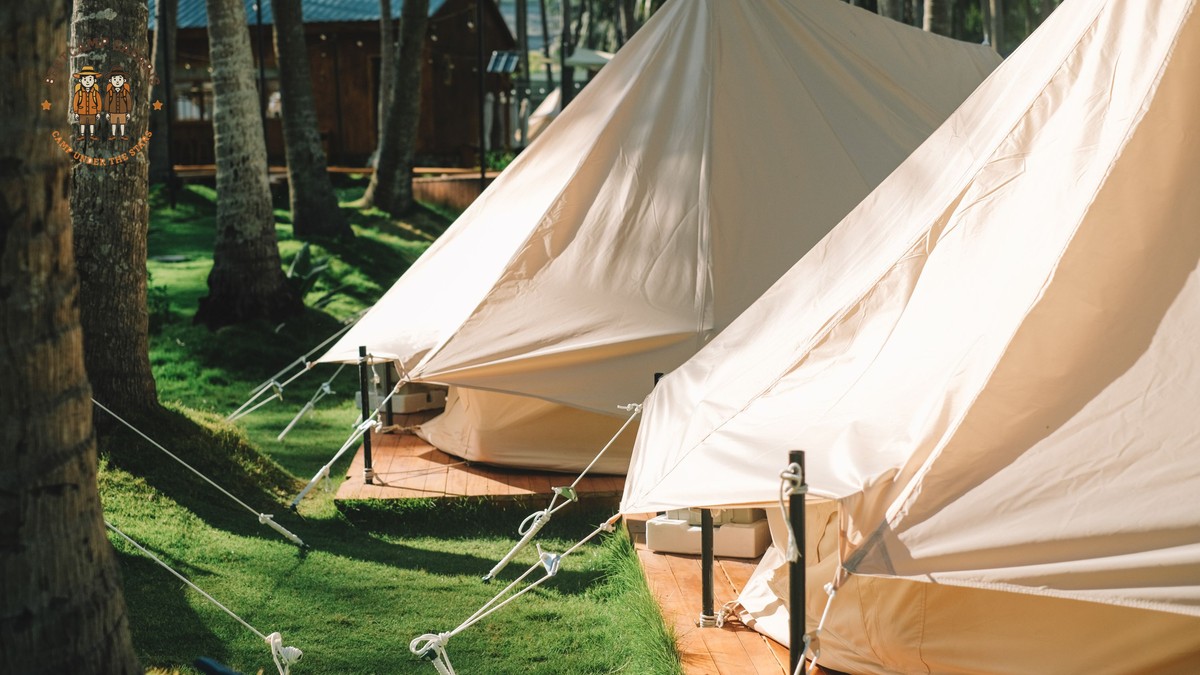
Rain is not a reason to skip a camping safari. It is a reason to book with a crew that knows how to read the ground. Next time rain hits the canvas, you know what comes next. The tents hold, the coffee stays hot, and the guide keeps watching the sky.
BestCamp Safaris runs mobile camps across the Masai Mara, Amboseli, and the Rift Valley. To see a well-run mobile camp handle the weather, plan your trip and ask about green-season departures.


