 Wildlife Tours
Planning a Kenya safari for Bengali speakers starts with a simple truth: native Bengali-speaking driver-guides are uncommon in Kenya. That is not a reason to stay home. It is a reason to plan the language side before you book. At BestCamp Safaris, we have arranged this route for travelers from Dhaka and Kolkata, and the interpreter question is the first one we solve.
What a Bengali-speaking setup really looks like
Native Bengali-speaking driver-guides are uncommon in Kenya. The most dependable arrangement is a certified English-speaking guide who handles navigation, safety, and wildlife spotting, plus a dedicated Bengali interpreter who travels in the vehicle.
The interpreter translates what the guide says during game drives. They also help with menus, check-in, medicine names, and casual conversations. The interpreter is not the wildlife expert. The guide remains responsible for driving and animal behavior.
Confirm the interpreter’s name, language ability, daily fee, meals, transport, and replacement policy in writing before paying. A good operator will happily put it in the invoice. If you choose a mobile tented camping safari, the interpreter usually stays with the group.
A 7-day Kenya safari itinerary for Bengali speakers
A practical first trip uses seven nights: one night in Nairobi, three nights in the Masai Mara, two nights in Amboseli, and one night near Lake Nakuru or Nairobi. This balances big-cat viewing, elephants, scenery, and recovery from the international flight without forcing camp changes every night.
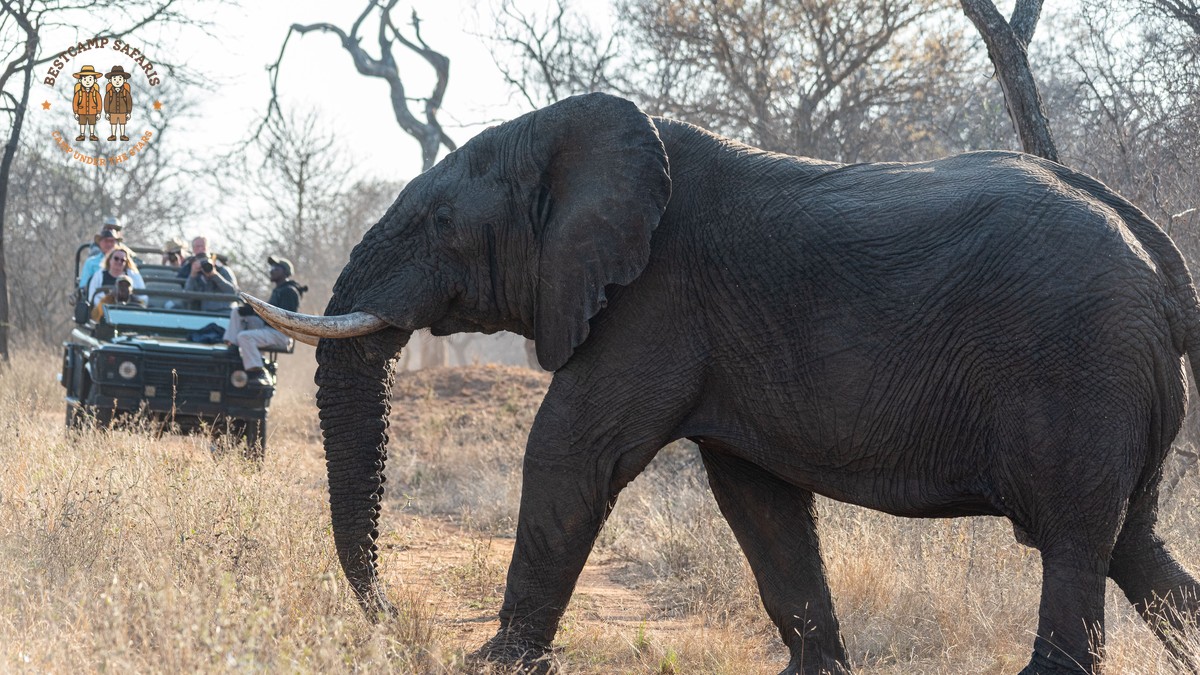
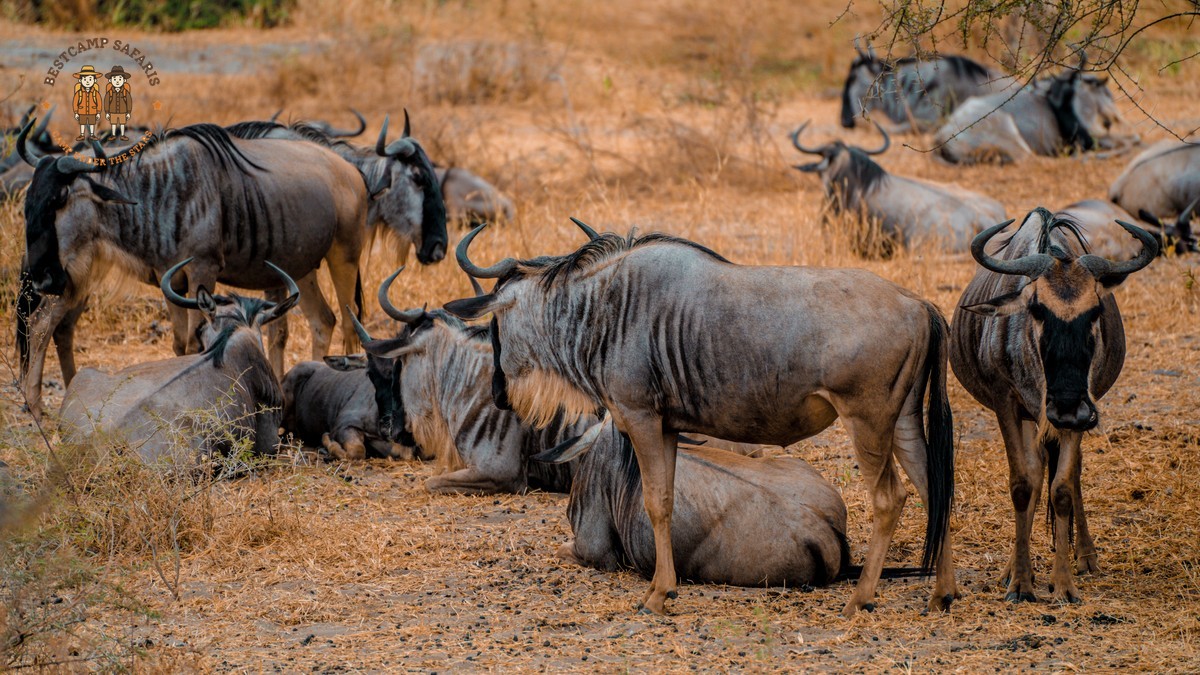
Day one lands at Jomo Kenyatta International Airport. Sleep in Nairobi. Day two, drive about 270 km to the Masai Mara, usually five to six hours by road. Three mornings of game drives there give you time to see lions, elephants, and if the timing is right, river crossings.
On day five, drive toward Amboseli, about 240 km and four to five hours. Two nights let you watch Kilimanjaro at sunrise and elephant herds around the swamps. On day seven, most travelers return toward Nairobi rather than continue on to Lake Nakuru, since the direct drive from Amboseli to Nakuru covers over 400 km and takes most of a day. If you want Nakuru’s rhinos and flamingos on this trip, plan an extra night and route back through Nairobi first. Day eight is your flight home.
| Stop | Distance from Nairobi | Typical road time | Non-resident fee per adult per day (2026) |
|---|---|---|---|
| Masai Mara National Reserve | About 270 km | 5-6 hours | USD 100 (Jan-Jun) / USD 200 (Jul-Dec) |
| Amboseli National Park | About 240 km | 4-5 hours | USD 90 |
| Lake Nakuru National Park | About 150 km | 2.5-3 hours | USD 90 |
The Masai Mara is run by Narok County, so its fee is separate from the Kenya Wildlife Service national park fees. Amboseli and Lake Nakuru are KWS parks. Budget for these fees inside your total safari cost.
Kenya safari cost from Bangladesh in USD and BDT
For 2026, a seven-night land safari commonly costs about USD 1,800-2,500 per person for budget travel, USD 3,200-4,800 for mid-range travel, and USD 6,500-10,000 or more for luxury. International flights, Kenya’s eTA, tips, and personal spending are usually extra.
The exchange rate moves, but a simple conversion near BDT 120 per USD gives you a planning number. A budget seven-night safari lands around BDT 216,000 to 300,000 per person. Mid-range comes to roughly BDT 384,000 to 576,000. Luxury starts around BDT 780,000.
A Bengali interpreter may add USD 50-100 per day. On a seven-day safari, that is roughly USD 350-700 before tips, or BDT 42,000-84,000 at the same indicative rate.
For a full breakdown of what sits inside those numbers, see what a Kenya safari price includes. If you are comparing operators, the real figures in Kenya safari price ranges help set expectations.
Best time for Bengali travelers to visit Kenya
January, February, and October offer a useful balance of dry weather, wildlife visibility, and manageable crowds. July through September provides the strongest Masai Mara migration atmosphere but usually brings higher prices and more visitors.
June and November can reduce costs. Heavy rains in April and May may limit camp and road options. If your calendar is flexible, February and October are the easiest first-time choices.
Arrival requirements: eTA, health, and practical steps
Apply online for Kenya’s electronic travel authorization before departure. Use a passport valid for at least six months and keep accommodation and onward-travel evidence available. Allow at least two weeks rather than relying on last-minute processing.
Bangladeshi citizens do not need a traditional visa, but they do need this eTA. Flights from Dhaka usually connect through Doha, Dubai, Istanbul, or Addis Ababa. Plan at least one night in Nairobi before the safari starts.
Check yellow-fever certificate rules, malaria prevention, travel insurance, and airport transfers with your operator. This is why BestCamp Safaris sends a short checklist before departure with the interpreter’s details, the camp contacts, and the eTA reference.
Food, communication, and practical safari logistics
Request Bengali or halal-friendly meals when booking and ask each camp to confirm what it can provide, especially for remote properties. A Bengali interpreter can help with menus, check-in, medicine, and cultural interactions, while the English-speaking guide remains responsible for wildlife interpretation and driving.
Carry offline translation support, prescribed medicines, and bottled-water supplies. Most camps cook vegetarian, fish, and chicken options every day. If halal meat matters, tell the operator early and ask each camp in writing.
On a tented camping safari, the kitchen crew can often prepare a separate halal meal if you flag it at booking. As you compare camps, keep responsible safari choices in Kenya close at hand. Small groups, ethical wildlife rules, and local staff matter.
The best part of this plan is not the itinerary. It is the first 5am game drive, when canvas zippers wake you and a kettle boils in the dark. That is the feeling you are booking.
When you are ready to sketch your seven nights, start planning with BestCamp Safaris. You can settle the interpreter, the route, and the tents before you leave home.