
 Adventure Tours
I was lying in my sleeping bag when the first heavy drops hit the canvas. It was 2am at a mobile tented camp near the Talek River, in the Masai Mara. Then came wind, rain, and a crack of thunder that rattled the lamp hook. That is how many camp thunderstorms begin: fast and loud. What happens during camp thunderstorms in a safari camp is a sequence, not a surprise. This post walks you through that sequence, from the first wind to the all-clear.
What happens during camp thunderstorms: how it feels inside camp
Inside camp, a thunderstorm usually brings sudden wind, loud rain on canvas, flashes of lightning, cooler temperatures and temporary disruption to normal routines. Strong gusts can make tent fabric flap, while heavy rain may create muddy paths or leaks. Staff may pause drives, move meals indoors and ask guests to remain in designated shelter until conditions improve.
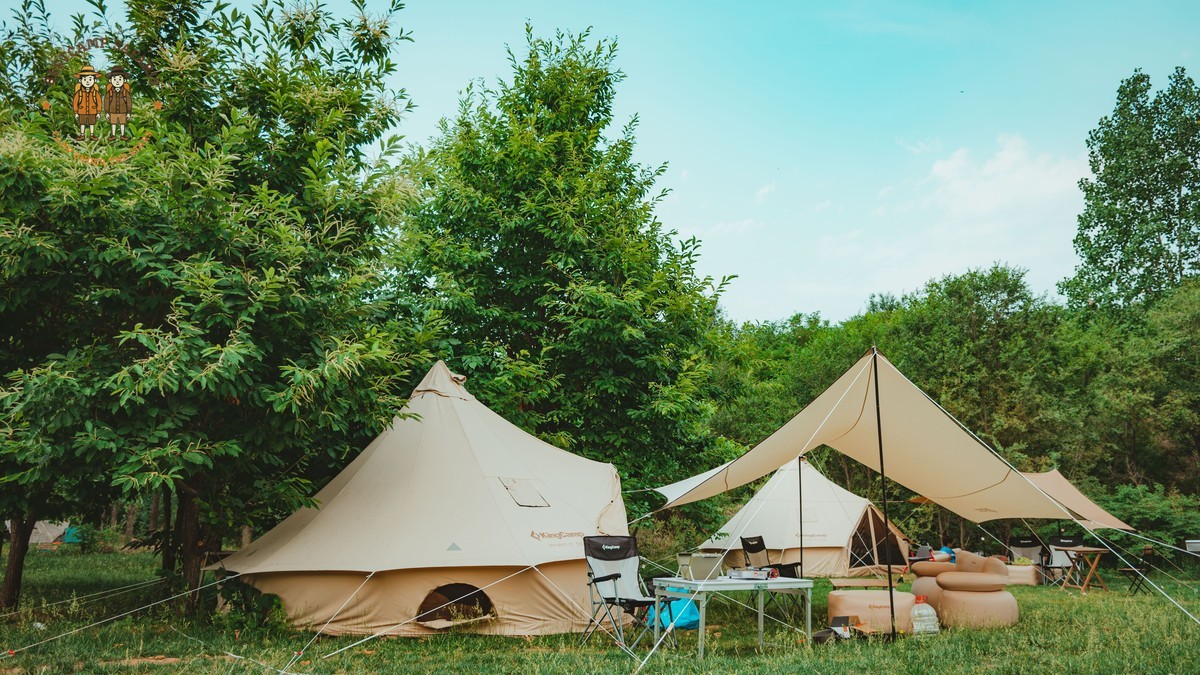
The first sign is a drop in temperature; the air changes before the rain arrives. Then you hear it: rain on the flysheet, like gravel on a tin roof. Guy lines hum in gusts. The door flap cracks in the wind. Seams stay dry in a well-pitched tent, and a good crew checks them before sundown.
The mess tent is where the storm changes camp life. Chairs that faced the savanna get pulled under cover. Napkin holders go into a wooden box. The tea urn is topped up, because a storm can keep you inside for an hour or more. If you are on a star bed, the crew knocks as the first drops fall. By the second gust, your mattress is back under canvas.
If you want the detail on airflow and a closed tent going stuffy, our post on how safari tents are ventilated covers it.
How safari camps respond when thunderstorms approach
Safari camps typically monitor the weather, stop or postpone exposed activities, secure loose equipment and tell guests where to shelter. Staff may check tent roofs, guy lines, drainage and access roads while keeping communication open between camp, guides and vehicles. The exact response varies by camp design, storm severity, location and available permanent buildings.
Most camps check a radar app before dinner. When a storm is about an hour away, the crew at a mobile camp runs a short checklist. They tie down the star-bed frames. They close the heavy canvas skirts on guest tents. They move firewood under cover and unplug the solar cables. They fill water buckets, because lightning can stop the pump. In the Mara, drivers get an extra warning: a few minutes of rain can turn black-cotton soil into mud that can stall a Land Cruiser.
The crew who changes mobile safari camps runs this routine every day in the wet season. Their speed comes from practice, not panic. For the bigger picture, our post on how safari camps handle thunderstorms covers the manager’s side.
Is a safari tent safe during lightning?
A canvas safari tent should not be treated as lightning protection. Ordinary tents do not provide the same safety as a substantial enclosed building or hard-topped vehicle. During nearby lightning, follow camp staff toward the designated solid shelter or vehicle. If evacuation is impossible, stay away from poles, walls, metal and wet surfaces, and follow staff instructions.
This is the uncomfortable part of safari tent safety. The tent that keeps you dry in a downpour is not the building that keeps you safe in a strike. Canvas has no grounding path. The aluminium poles and metal pegs conduct, but not usefully. Lightning safety while camping follows a simple rule: when thunder roars, go indoors. “Indoors” means the building or the vehicle, not your bedroom tent.
The table below shows what that means at three different camp setups.
| Setting | When storms are most likely (indicative) | Park or conservancy fee, non-resident adult/day | Main shelter in a storm | Approx. drive from tent to that shelter |
|---|---|---|---|---|
| Mobile tented camp in the Masai Mara National Reserve | March to May; November to December | USD 100 (Jan-Jun) / USD 200 (Jul-Dec) | Stone or timber lodge building; otherwise a hard-topped vehicle | 10 to 40 minutes (indicative) |
| Fly camp in the Naboisho Conservancy | Same as the Mara | USD 80 to 150 per night, bundled into the camp rate | Hard-topped 4×4 vehicle | Minutes, on foot (indicative) |
| Tented camp near Chyulu Hills National Park | March to May; November to December | USD 40 per day | Park gate buildings or a nearby lodge | 20 to 60 minutes (indicative) |
The kind of tent matters less than the kind of building. An open-sided mess tent is still a tent. A stone-walled lounge is shelter. If this is your first time camping in heavy rain, ask the camp manager which building counts as shelter. A good camp will point it out on arrival.
Where guests shelter during a camp thunderstorm
The preferred shelter is a substantial enclosed building or a hard-topped vehicle, rather than an open-sided lookout, isolated tree or exposed tent. In a safari camp, this may mean a main lounge, dining structure, reception building or vehicle, depending on the property. Ask on arrival which shelter is used and how guests are alerted.
At a permanent lodge in the Mara, shelter can be as simple as the stone dining room. At a mobile camp, it may be the two Land Cruisers parked near the mess tent. At a fly camp, it is almost always the vehicle, because fly camps are thin canvas and a long-drop loo. If your camp sits beside the Talek River, staff will move you to higher ground before the water arrives. Safe shelter during a thunderstorm is about position as much as walls: high ground, away from lone acacias.
If your hair stands on end or your skin tingles, you are in a strike zone. Do not wait. Move to shelter and tell a staff member.
Risks from wind, rain, flooding and falling branches
Thunderstorms can create more than lightning risk. High winds may damage or shift tents. Heavy rain can soak bedding and belongings. Hail can injure people, and water may flood low ground or wash out tracks. Falling branches are another hazard, so camps should keep tents away from unsafe trees and move guests when conditions or drainage make a site unsuitable.
The first storms of the long rains, from March to May, hit hardest. A big storm can drop a month of rainfall in an hour. Low points in camp fill with water first. A well-run camp pitches tents on a slight slope, digs a drainage channel around each tent, and never places a tent in a dry riverbed. In the Mara, black-cotton soil is the quiet danger. It absorbs water slowly and turns into slick grey mud. Vehicles spin. Boots disappear. The whole camp can wait for the ground to firm before a game drive leaves.
Trees are the other quiet risk. A dead fever tree can drop a thick branch without warning. Camps check their trees before the rains. You should too, from your tent door at night.
Camping in heavy rain affects gear as much as people. A waterproof duffel keeps a camera and passport dry. Damp boots go into a plastic bucket lined with newspaper. Wet towels hang beside the bucket, not on the bed. A mobile camp crew knows these tricks. Use them and you will be comfortable by morning.
What happens after the storm passes
Activities should resume only after staff confirm that lightning has moved away, access roads are usable and tents or structures are safe to re-enter. General guidance recommends waiting at least 30 minutes after the last thunder before returning to exposed activities. Camp teams may then inspect roofs, electrics, paths, trees, food service areas and vehicles before restarting the itinerary.
That 30 minutes is not a suggestion. Lightning can strike from a storm that seems to have moved on. In camp, the all-clear is visual: the mess tent fly comes down. Chairs go back out. The fire is relit if the wood stayed dry. A crew member walks the tent line, testing guy line tension, brushing pooled water off flysheets, checking zips. The cook inspects gas hoses. A guide drives the track to the airstrip to test the mud.
When the all-clear reaches everyone, the day restarts. A drive planned for 6:15am may shift to 10am. A sundowner on a hilltop may move to the lounge. The best camps tell you this in the morning briefing, not after the storm. The ground at 5am after a storm is a world of its own. The canvas drips until the sun hits it. Know that it ends with breakfast and a drive, and it ends well.

The BestCamp Safaris Difference
What we do at BestCamp Safaris is run small mobile tented camps with a named crew and a written storm plan. We also choose each site for drainage rather than view alone. When you book a trip, the camp manager walks the site with you on arrival. He points out the shelter, explains the 30-minute rule, and tells you exactly how you will be alerted. If a storm rearranges your day, you get the honest version. You learn what will run late, what is cancelled, and what it costs to change a crossing or activity. Our emergency procedures are explained before you need them. That is the whole point. We sleep in the same canvas, in the same rain, on the same wet ground at 5am before a drive.
Frequently Asked Questions
Is it safe to camp during a thunderstorm?
A tent is not a reliable lightning shelter, so the safest choice is a substantial enclosed building or hard-topped vehicle. In a safari camp, follow staff instructions, leave exposed areas and wait for the all-clear before returning to normal activities.
What happens to a tent during a thunderstorm?
Wind can make tent fabric flap, loosen stakes or damage the structure, while heavy rain can cause leaks, soaked gear and muddy or flooded ground. Camp staff may secure equipment, inspect the tent or relocate guests if the site becomes unsafe.
Can you stay in a tent during a thunderstorm?
Do not assume that a safari tent protects against lightning. General camping guidance recommends moving to a solid building or vehicle when possible. If there is no immediate alternative, stay away from tent poles, walls, metal and wet surfaces, and follow the camp’s emergency instructions.
Where is the safest place to be during a thunderstorm while camping?
A substantial enclosed building is generally preferred, with a hard-topped vehicle as another safer option. Avoid exposed ridges, open ground, isolated trees, lakeshores, open shelters and low areas that could flood.
How long should you wait after the last thunder?
Wait at least 30 minutes after the last audible thunder before resuming exposed activities. In a safari camp, staff should also confirm that tracks, trees, tents, power systems and other facilities are safe before restarting drives or moving guests.
Plan your safari around the weather
Kenya’s wet seasons bring lush grass, dramatic skies and short, intense storms. With a camp crew that knows what happens during camp thunderstorms, you can enjoy that weather from under a dry flysheet. Talk to BestCamp Safaris about a mobile tented safari that fits the season and your comfort with rain. We will show you the site, the shelter, and the plan before you commit. Start planning your safari with BestCamp Safaris.


