
 Wildlife Tours
Every first-time safari traveler asks me the same question at some point during planning. Land Cruiser or safari van? It usually comes up right after they see the price difference on our quote and wonder if the upgrade is worth it. This land cruiser vs safari van Kenya comparison lays out real prices, comfort, and terrain so you can decide with confidence.
I’ve spent enough mornings loading gear into both to give you a straight answer, not a sales pitch. Sometimes the van is genuinely the smarter, cheaper choice. Sometimes it will cost you sightings and a sore back. Here’s how to tell which trip you’re planning.
Land Cruiser vs Safari Van Kenya Comparison: The Two Main Vehicles
Almost every operator in Kenya runs one of two vehicles.
The safari van, usually a Toyota HiAce or Nissan Urvan, seats seven to eight people in rows with a window seat for everyone. Many have a pop-up roof hatch too, though usually with standing room for four or five at a time, not the whole vehicle.
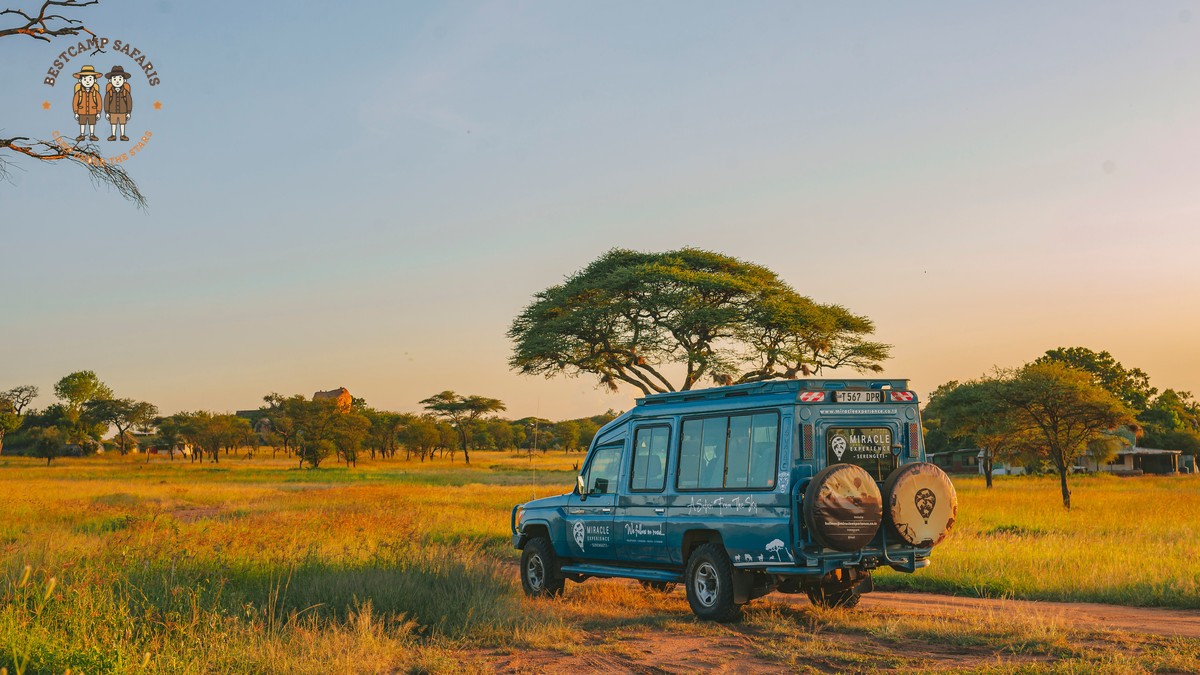
The Land Cruiser is a 4×4, built on a truck chassis with a diesel engine that handles mud, ruts, and river crossings without much drama. Most safari-spec Land Cruisers seat five to seven, with a full-length pop-up roof so everyone can stand for photos at once.
You’ll also hear “open-sided jeep” mentioned, mostly in private conservancies around the Mara. That’s usually a modified Land Cruiser or Land Rover with no side windows at all, used for close, quiet wildlife encounters and off-track driving where rules allow it.
Comfort and Ride Quality
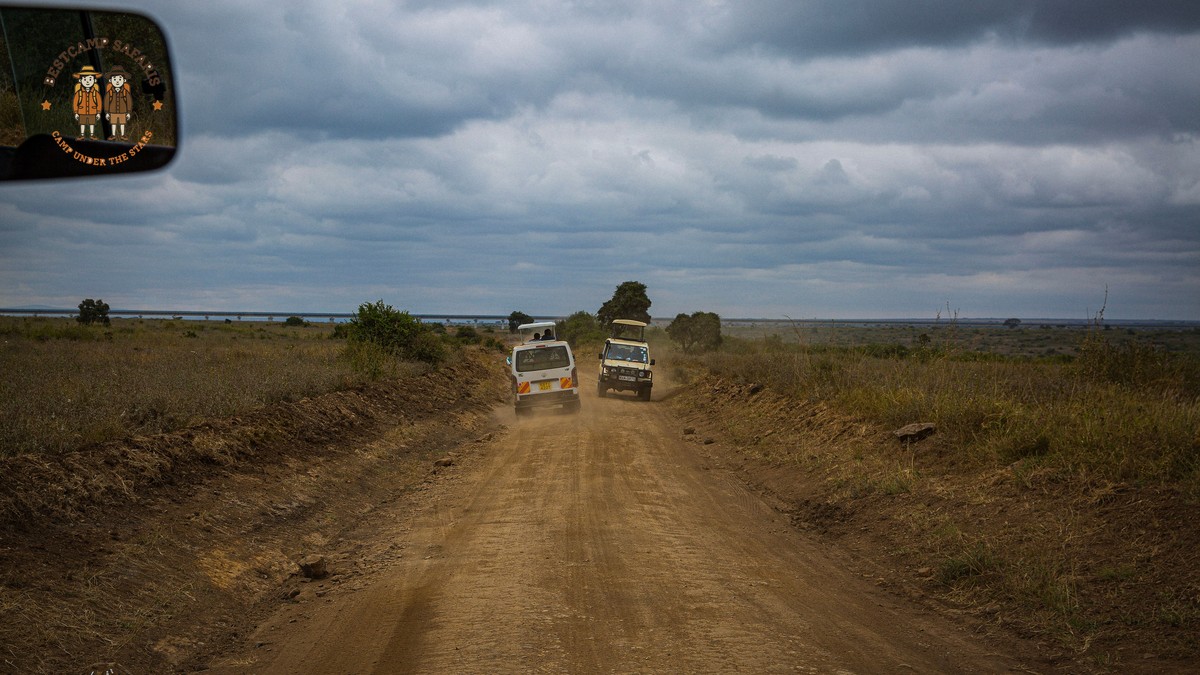
This is where the price difference starts to make sense. Safari vans ride low, with softer suspension built for tarmac, not rutted murram roads. On the drive from Nairobi to Lake Nakuru, that’s rarely a problem. On the last 40 km into the Mara Triangle after rain, it can mean an hour of bouncing around with your hat in your lap.
Land Cruisers sit higher, with stiffer off-road suspension and more ground clearance. You feel every rock less because the vehicle simply rolls over it instead of dropping into it. It’s also noticeably quieter at speed, which matters more than people expect after a full day of game drives.
Terrain and Off-Road Performance
Kenya’s parks sit on a mix of surfaces, and black cotton soil is the one that changes everything. It’s fine and dusty in the dry season, but turns into thick, sticky mud within hours of rain, the kind that swallows tires whole.
A safari van can usually manage the Mara’s main access roads in July and August, dry season, tarmac or graded murram most of the way. Push it onto a wet, rutted track in November and it will get stuck, sometimes for hours. Land Cruisers handle both, which is why nearly every operator, including us, defaults to Land Cruisers for any itinerary touching the Mara conservancies, Samburu, or Amboseli’s swampier southern sections. If you’re planning around timing, why the wet season changes which vehicle you need is worth reading before you lock in a vehicle type.
Wildlife Viewing: Roof Hatches, Windows, and Height
Elevation matters more than people expect on their first game drive. A Land Cruiser’s higher stance and full pop-up roof mean you’re looking down into the grass at a lion, not across at it through a window. Everyone can stand at once, which matters when a leopard shows up in a tree and six people all reach for their cameras.
Safari vans work fine for most sightings, especially near the vehicle. But with only part of the roof open, someone is always sitting while someone else stands, and window glare can be a problem for photographers using longer lenses.
How Many People Fit
Vans typically carry seven to eight guests plus a driver-guide, with three rows of bench seating. Land Cruisers usually carry five to seven, often in a 2-2-2-1 layout with more legroom and better window angles per person. Fewer passengers per vehicle also means less jostling for the good side when an elephant appears close to the road.
Pricing: What You’ll Actually Pay
This is the number everyone actually wants. Rates vary by operator, group size, and season, so treat these as an indicative range, not a fixed quote.
| Feature | Safari Van (HiAce/Urvan) | Land Cruiser (4×4, pop-up roof) |
|---|---|---|
| Typical seating | 7-8 passengers | 5-7 passengers |
| Ground clearance | Low, struggles on black cotton soil | High, built for rutted tracks |
| Roof access | Partial pop-up, room for 4-5 to stand | Full-length pop-up, room for all to stand |
| Best conditions | Dry season, tarmac and graded roads | Any season, off-track and conservancy driving |
| Indicative day rate (shared vehicle, per operator) | USD 120-160/day | USD 200-280/day |
| Conservancy off-track access | Often restricted | Usually required |
The gap narrows once you split it per person across a full group. On a 7-seat van at USD 150/day shared six ways, that’s about USD 25 per person. A Land Cruiser at USD 240/day shared five ways runs closer to USD 48 per person. It’s a real difference on a week-long trip, and it directly shapes how vehicle choice affects your daily safari cost.
Pros and Cons, Honestly
Safari van pros: cheaper, plenty of window seats, fine for dry-season Nairobi-Naivasha-Nakuru circuits, comfortable for shorter transfers.
Safari van cons: struggles off tarmac in rain, weaker roof access for photos, often barred from conservancy off-road driving.
Land Cruiser pros: handles any terrain or season, full standing roof access, required or preferred in most private conservancies.
Land Cruiser cons: higher cost, occasionally over-booked in peak months, sometimes more vehicle than a short tarmac-only trip needs.
Which Vehicle for Which Park
Some parks tolerate either vehicle. Others effectively decide for you. Some private conservancies have their own vehicle rules, and it’s worth checking before you book, since a few bar safari vans from off-track driving entirely.
- Masai Mara National Reserve: Van is workable June through September on main roads. Land Cruiser strongly recommended the rest of the year, and required in most Mara conservancies like Naboisho and Mara North.
- Amboseli National Park: Van manages the drier northern tracks fine. Land Cruiser is better for the swampier southern loops near Observation Hill.
- Samburu National Reserve: Rougher, more remote roads. Land Cruiser is the practical choice here, not just the comfortable one.
Distances matter too. Nairobi to the Mara’s Sekenani Gate runs about 270 km, roughly 5 to 6 hours by road. Nairobi to Amboseli is about 240 km, around 4 hours. Nairobi to Samburu is closer to 325 km, 5 to 6 hours depending on the route through Isiolo.
A Guide’s Honest Take
Two trips stick with me. One was a dry-season August group heading to Lake Nakuru and Naivasha, tarmac most of the way. I put them in a van without a second thought. Good roads, good seats, no reason to spend more.
The other was a November group booked into Naboisho Conservancy. Rain had turned the access track to soup two days before they arrived. We’d sent a van and it would have been stuck by the second river crossing. The Land Cruiser rolled through, and we walked into camp after dark by lamplight, tents already lit, dinner held for us. That’s not a moment you want to risk on the wrong vehicle.
The BestCamp Safaris Difference
We don’t default every guest into a Land Cruiser just because it’s the bigger upsell. We look at your actual route, the season, and whether your camps sit inside a conservancy with its own vehicle rules, then recommend what genuinely fits. If a van saves you money on a dry-season Nakuru run without costing you a single sighting, we’ll say so. If your itinerary includes the Mara conservancies or Samburu, we’ll explain why a 4×4 isn’t optional there, not just nicer to have.
Frequently Asked Questions
Is a 4×4 Land Cruiser really necessary for the Mara, or is it an upsell? Outside the reserve’s main dry-season roads, yes, especially in conservancies that require 4×4 vehicles for off-track driving.
How much more does a Land Cruiser cost per day than a van? Roughly USD 80-120 more per day at most operators, based on 2026 indicative shared-vehicle rates.
Can a safari van reach the Mara or Amboseli at all? Yes, on main roads in dry months. Rain changes that quickly on unpaved sections.
Which vehicle is better for photography? The Land Cruiser, mainly because of the full-length roof hatch and higher seating position.
Do conservancies ban safari vans from off-road driving? Many do. Rules vary by conservancy, so always check before booking your vehicle type.
Is it worth upgrading for a short 3-4 day trip? If you’re staying on tarmac routes, often not. If you’re visiting the Mara or Samburu, usually yes.
Ready to Plan Your Kenya Safari?
Tell us your route, your season, and your group size, and we’ll recommend the right vehicle for it, not just the priciest one. Get in touch through our contact page and we’ll help you plan a trip that fits the roads you’re actually driving.


