
 Wildlife Tours
I woke up in a mobile camp on the Mara River at 5am, and before I’d even zipped open the canvas I heard them. That low, honking grunt that rolls across still water. Hippos. They’d been grazing near our mess tent most of the night, then slipped back into the pool by breakfast. That sound, more than lion calls or hyena laughs, is what tells you where you actually are in Kenya.
These are real hippo photography safety tips safari Kenya guides actually use, built from actual KWS and county guide protocols and the settings that get you a sharp frame without pushing your luck. Hippos kill more people in Africa than lions, leopards, and buffalo combined. They’re also one of the most rewarding animals to photograph, if you understand the rules. No boat decks, no pretending Kenya works like the Chobe or the Okavango. Just what really works here.
Hippo Photography Safety Tips Safari Kenya: Why Hippos Are So Dangerous
Hippos look slow. They are not. A hippo can run up to 30 km/h on land over short bursts, faster than most humans sprint. They’re also fiercely territorial in water and unpredictable on land, especially at night when they leave the river to graze.
Most hippo attacks happen when a person gets between a hippo and its escape route to water, or between a mother and her calf. Guides in the Mara and along the Tsavo rivers treat every hippo sighting with real caution, not for drama, but because the animal’s temperament changes fast and without much warning.
For photographers, this means the danger isn’t really about proximity to a calm pod. It’s about not knowing where the exit routes are, and not reading the small signals before a hippo decides to move.
Safe Distance and Guide-Led Viewing Rules
Licensed Kenyan guides generally keep vehicles at least 20 to 25 meters from hippo pools, more if the animals show any agitation. On foot, that minimum climbs sharply, and most reputable operators won’t allow walking within 50 meters of a hippo pool at all.
You will not get out of the vehicle to photograph hippos in the Masai Mara, Amboseli, or Tsavo. It’s not allowed, and guides who let clients do it are breaking both park rules and basic safety sense. If you want ground-level or walking-safari access near hippos, that only happens in specific conservancies with an armed ranger, and even then the guide picks the distance, not you.
This is worth folding into your bigger trip plan. If you’re weighing walking safaris or bush camps against a purely vehicle-based itinerary, it’s worth reading Kenya’s broader safari safety guide before you book.
Reading Hippo Warning Signs and Body Language
A calm hippo pod looks almost comic, ears twitching, the odd yawn, bodies mostly submerged. Learn to read the shift before it becomes a problem.
- Wide yawning showing the full tusks is a threat display, not tiredness.
- Head shaking with a loud grunt-snort signals irritation and a request for space.
- Sudden full submersion after a period of watching you means the hippo may be repositioning to charge underwater.
- Ears pinned back with a lowered head on land is a clear pre-charge posture.
- A hippo facing you directly on land, especially between you and the water, is one of the most dangerous positions you can be in.
Good guides watch for these signs constantly and will quietly reposition the vehicle before you’ve even noticed the change. That’s part of what you’re paying for.
Best Places to Photograph Hippos in Kenya
Kenya has several strong hippo locations, each with a different photography style.
The Mara River, especially around Paradise Pool and the main crossing points near Serena and Governor’s Camp, holds large pods year-round and is dramatic during the wildebeest migration crossings from July through October. Lake Naivasha offers a different setup entirely, with boat-based viewing on the open lake rather than a river channel, and some of the most relaxed light for photography in the country. Mzima Springs in Tsavo West is unusual because of its underwater viewing chamber, letting you photograph hippos from below the waterline through reinforced glass, something no river camp can offer.
| Location | Distance from Nairobi | Typical Drive Time | Entrance Fee (non-resident) | Viewing Method |
|---|---|---|---|---|
| Masai Mara National Reserve | ~270 km | 5 to 6 hours by road, 45 min by air | USD 200/adult/day (Jul-Dec peak), USD 100/adult/day (Jan-Jun) | Vehicle, riverbank hides |
| Lake Naivasha | ~90 km | 1.5 to 2 hours | Indicative USD 20-30 boat fee, varies by operator | Boat, shoreline |
| Mzima Springs, Tsavo West | ~240 km | 4 to 5 hours | USD 80/adult/day (Tsavo West) | Underwater viewing chamber, vehicle |
| Amboseli National Park | ~240 km | 4 hours | USD 90/adult/day | Vehicle, swamp-edge |
Naboisho and Mara North conservancies, both bordering the Mara ecosystem, add roughly USD 80 to 150 per person per night on top of your camp rate, but they open up early-morning and dusk drives that the main reserve gate times don’t allow.
Best Time of Day and Light for Hippo Photography
Hippos spend most daylight hours submerged, so the best photography window is early morning and late afternoon, when they’re more active near the water’s edge and the light is soft.
Sunrise at the Mara River, around 6:30am in August, gives you warm side light on hippos hauling out to graze before the heat sends them back under. Late afternoon, from around 4:30pm, brings the same quality of light as the herd starts moving toward the water for the night.
This is exactly why camp position matters so much. A mobile camp pitched close to a known hippo pool means you can be in position before the light turns, without an hour of driving first. For more on how camp placement shapes your shots, see our guide to getting the best golden-hour light for wildlife shots.
Vehicle, Hide, or Boat: How You Can Legally and Safely Shoot Hippos in Kenya
This is where a lot of pan-African hippo guides mislead readers. Boat-level, eye-height hippo photography is common on the Chobe River in Botswana and parts of the Okavango Delta, but it is not standard practice in most Kenyan reserves. The Mara River, Amboseli’s swamps, and Tsavo’s waterholes are all vehicle or hide-based viewing, not boat safaris.
Lake Naivasha is the exception, with licensed boat operators offering photography trips on open water, keeping a working distance from pods rather than motoring in close. Mzima Springs solves the low-angle problem differently, with a fixed underwater chamber that puts you at eye level with hippos and fish without anyone entering the water.
For everywhere else, your access point is a stable vehicle platform and a long lens. That’s the honest trade-off: less proximity, more reach required.
Camera Gear and Settings for Hippo Photography
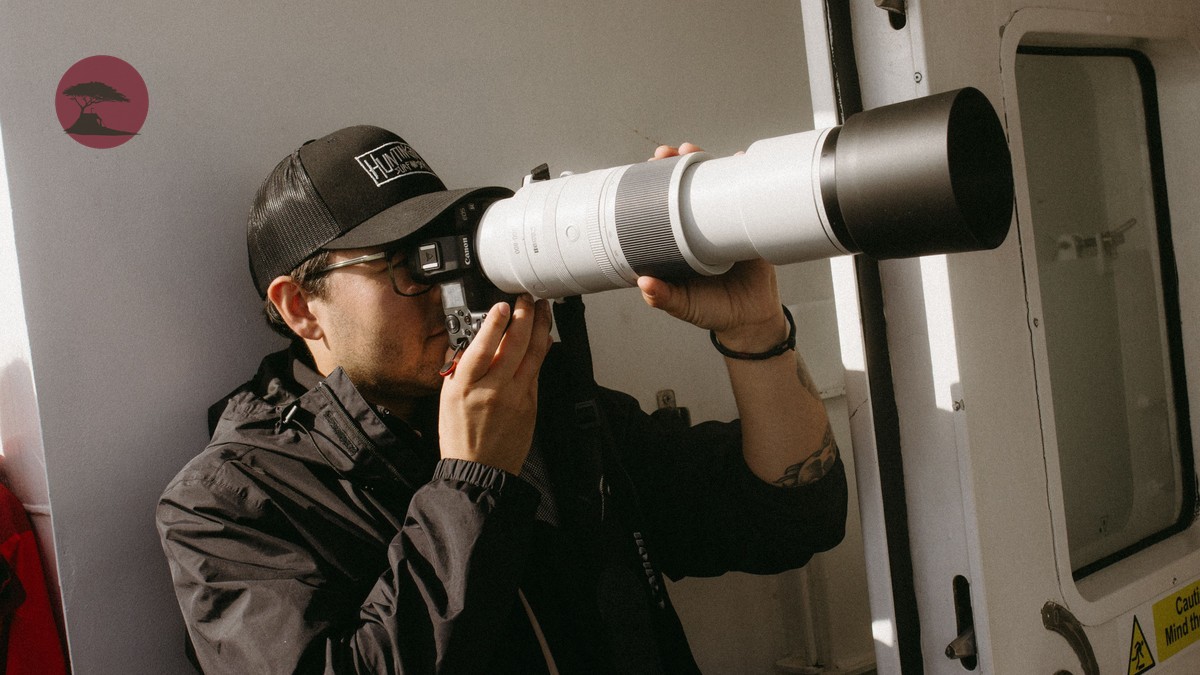
A 100-400mm or 150-600mm zoom covers most Kenyan hippo scenarios, giving you flexibility between wide river scenes and tight portraits of a yawning bull. If you’re shooting from the underwater chamber at Mzima Springs, a shorter lens, even 24-70mm, works better through the glass.
For settings, start with:
- Shutter speed of at least 1/1000s to freeze sudden yawns or water splashes
- Continuous autofocus (AF-C or AI Servo) since hippos move fast when they do move
- Aperture around f/5.6 to f/8 for pod scenes with several animals at different depths
- ISO adjusted up for early morning light rather than dropping shutter speed
Bring a beanbag or window mount for vehicle stability. Handholding a long lens for hours from a bouncing Land Cruiser is exhausting and it shows in your keeper rate.
What to Do If a Hippo Charges
If you’re in a vehicle, stay in the vehicle and trust your driver, who will already be moving. This is the single most important rule and the reason self-drive isn’t recommended near hippo territory.
If you’re on foot near camp, which does happen since hippos graze at night, the guidance from guides is consistent: get to higher ground or behind a solid object, never run in a straight line toward open ground, and never get between the hippo and the water. Do not try to photograph a charging hippo. Put the camera down and move.
This is also why camps near hippo pools brief guests on evening escort rules. If you’ve ever wondered why staff walk you to your tent with a torch after dinner, it’s largely about hippos wandering near camp after dark, not lions.
The BestCamp Safaris Difference
We build our hippo photography itineraries around patience, not proximity. That means choosing camps set back from the water at a safe, guide-approved distance, but close enough that you’re in position for first light without a long drive.
Our guides are trained to read hippo behavior and reposition before a shot gets risky, not after. We also plan drive times around migration crossing points on the Mara River during peak season, July through October, when hippo and crocodile activity both spike. Every mobile camp we run near hippo territory uses a trained night escort, so the walk from the mess tent to your canvas is never left to chance.
FAQ
Are hippos dangerous to photograph on safari? Yes. Hippos are unpredictable and fast, which is why all Kenyan photography happens from a vehicle, hide, or boat, not on open ground near a pool.
What is a safe distance to photograph hippos in Kenya? Licensed guides generally hold vehicles at 20 to 25 meters minimum, increasing that distance if a hippo shows any agitation.
Can you get out of the vehicle to photograph hippos? No, not in the Masai Mara, Amboseli, or Tsavo. Ground-level access only happens in select conservancies with an armed ranger present.
Is it safe to do a walking safari near hippos? Only with an armed, licensed guide, and even then most operators keep a minimum of 50 meters from any hippo pool.
What is the best time of day to photograph hippos? Early morning, around 6:30am, and late afternoon from 4:30pm, when hippos are more active near the water’s edge and light is soft.
What lens do you need to photograph hippos in Kenya? A 100-400mm or 150-600mm zoom covers most situations. A shorter 24-70mm works well at Mzima Springs, shooting through the underwater viewing glass.
Where can you see and photograph hippos in Kenya? The Mara River, Lake Naivasha, and Mzima Springs in Tsavo West are the three strongest locations, each with a different viewing method.
Are hippos more dangerous than lions or crocodiles? By recorded human deaths in Africa, yes. Hippos are considered the continent’s most dangerous large mammal to humans.
Can you do a boat safari to photograph hippos in Kenya? Yes, on Lake Naivasha. It’s the exception to Kenya’s mostly vehicle-based hippo viewing.
What should you do if a hippo charges you? In a vehicle, stay put and let your driver move. On foot, get to higher ground or cover, and never run between the hippo and the water.
Do hippos come near safari camps at night? Yes, regularly. They leave rivers and pools to graze after dark, which is why camps near water use trained night escorts.
Plan Your Hippo Photography Safari
If you want a photography-paced trip built around real light and real safety margins, we’d love to help plan it. Take a look at our Kenya safari camps and itineraries and tell us what you’re hoping to shoot. We’ll build the route around the light, not the other way around.


