 Wildlife Tours
Picture a weekend conversation in Lagos or Ibadan. A family group chat is named after the Mara. Someone asks, “Will they understand us in Kenya?” The answer is yes. This plan covers 7-day costs, a practical route, park fees, and how to handle Yoruba language support.
Can Yoruba Speakers Go on Safari in Kenya?
Can Yoruba speakers go on safari in Kenya? Yes, every year. English is the main working language for safari operators, drivers, guides, lodges, and park services. Yoruba support is not a standard service, so ask for it early and get written confirmation before you pay.
Kenya has two official languages, English and Swahili. Most guides and camp managers speak English well enough to run the whole trip. You do not need Swahili to check in, ask about a lion sighting, or order dinner. Yoruba-speaking travelers who are comfortable in English will not feel blocked. If you are traveling with a parent who prefers Yoruba, book the language support before flights. Families from other language communities face the same question. Our guide to a Kenya safari for Hausa speakers covers the same booking steps.
Yoruba-Speaking Safari Guide: Ask for Written Confirmation
A Yoruba-speaking safari guide may be arranged, but availability is limited. It depends on the operator, dates, and route. Ask for the guide’s name, fluency confirmation, Kenyan guiding credentials, and a replacement plan before paying a deposit.
Kenya’s guide pool mostly works in English. Yoruba-speaking guides exist, but they are not common at every camp. Start with an operator that handles Nigerian guests. Request a written note that names the guide and confirms that the same person stays for every game drive. Cover airport pickup, camp briefings, transfers, and activities. Then add a backup if the guide is sick or assigned elsewhere. A verbal promise at deposit time is not enough.
If the operator cannot confirm a Yoruba speaker, the safest replacement is an experienced English-speaking safari guide plus a translation app or interpreter. That works because the guiding license matters more than vocabulary in the bush. The same logic applies to other travelers planning a Hindi-speaking Kenya safari itinerary and costs.
Kenya Safari Costs: 7-Day Numbers That Matter
Plan about USD 150 to 250 per person per day for budget camping, USD 300 to 450 for midrange lodges or tented camps, and USD 450 to 800 for private or luxury travel. International flights are not included. Park fees and season change the final amount.
| Travel style | Per person per day | What to check on top |
|---|---|---|
| Budget camping | USD 150 to 250 | Masai Mara reserve entry is USD 200 a day from July to December |
| Midrange lodge or tented camp | USD 300 to 450 | Lake Nakuru National Park adds USD 90 a day; conservancy fees are often bundled |
| Private or luxury | USD 450 to 800 | Amboseli National Park adds USD 90 a day; private concession fees usually included |
The Masai Mara National Reserve is run by Narok County Government, not Kenya Wildlife Service. Non-resident entry costs USD 100 per day from January to June and USD 200 from July to December. A typical 7-day route inside the Mara for three to four days can add USD 600 to 800 per person in reserve fees alone. Lake Nakuru and Amboseli are KWS parks and cost USD 90 per day. Always ask whether park fees sit inside your quote or come as an add-on. These figures track closely with the numbers in our Kenya safari for Marathi speakers cost plan, since park fees do not change by nationality.
Practical 7-Day Kenya Safari Itinerary
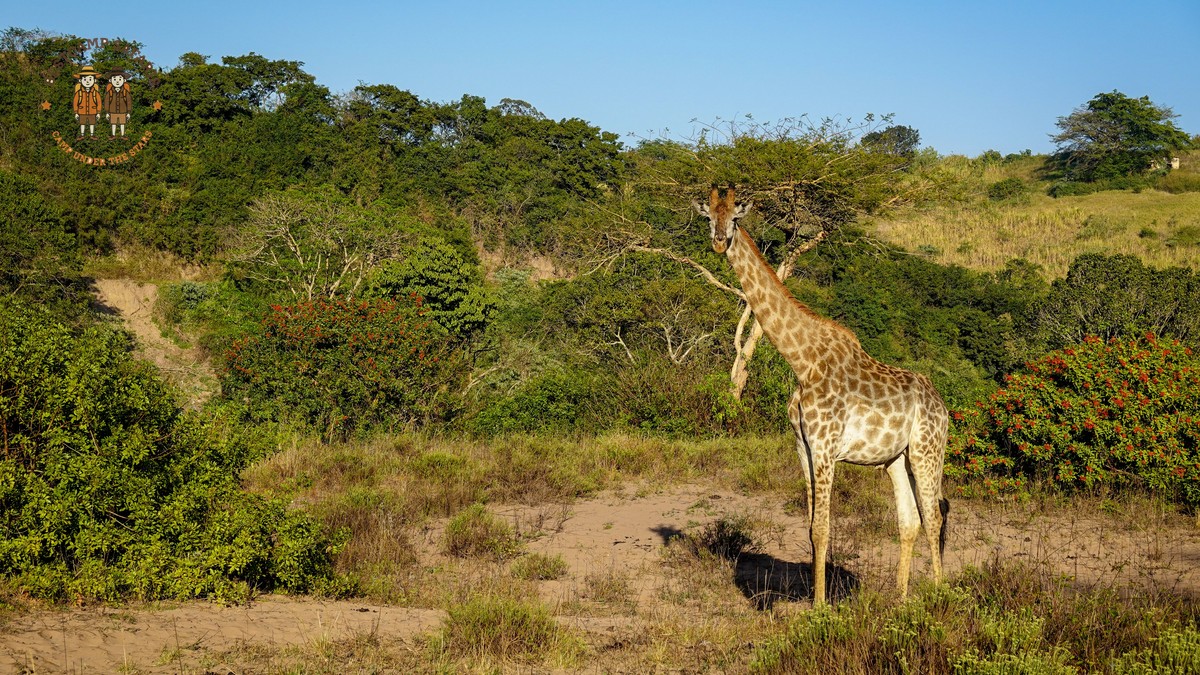
A practical first safari route is Nairobi, Lake Nakuru, and the Masai Mara over seven days. Amboseli works as an alternative if you prefer Kilimanjaro views and large elephant herds. Keep driving short by camping close to park gates.
Day 1: Arrive in Nairobi. Sleep near the airport or in Westlands. Day 2: Drive 160 km to Lake Nakuru, about three hours. Look for rhinos. Day 3: Drive about 300 km via Narok to the Masai Mara. Settle in before sunset. Days 4 and 5: Full game days in the Mara, with packed bush breakfasts. Day 6: Morning drive, then return about 260 km to Nairobi. Day 7: Depart or add Mombasa, Diani, or Watamu. For a deeper breakdown of this route, see our full Kenya safari route, cost, and booking tips guide.
Budget stays often use a camping safari style, with mobile tented camps and a crew that handles meals. At 5am the cook is already awake, the kettle is ready, and the first game drive leaves after sunrise. For first-time travelers, a midrange tented camp near Sekenani Gate or Naboisho Conservancy is easier because the crew handles all setup. BestCamp Safaris can plan the same seven days with daily costs and language notes included.
Kenya eTA and Yellow Fever Certificate for Nigerian Travelers
Nigerian travelers should apply for Kenya’s Electronic Travel Authorisation before departure. Carry a passport valid for at least six months, accommodation details, and onward-travel evidence. A yellow fever vaccination certificate matters when arriving from Nigeria.
Kenya’s eTA process replaced the old arrival visa for many visitors. Apply on the official government site at least one week before flying. Print the approval and the yellow fever certificate. Keep mobile copies too. Immigration may ask for proof of accommodation and return travel. Nigeria is a yellow fever risk country, so airlines and Kenyan health staff often require the yellow card. The vaccine should be taken at least 10 days before travel. Confirm the latest rules with a travel clinic because health protocols can change.
How to Book and Confirm Language Support with BestCamp Safaris
State Yoruba-speaking guide preferred when you request your quote. Ask the operator to confirm the guide’s name, fluency, qualifications, surcharge, vehicle, and backup arrangement in writing. Do not pay a deposit on a verbal promise.
BestCamp Safaris records language requests in your trip file and confirms what is included in writing. When a Yoruba guide cannot be assigned, we recommend an English-speaking senior naturalist plus translation support. Approve that alternative before paying.
Before you send money, ask five questions. Does the price include park fees? Which vehicle is used? Which meals are covered? Are transfers included? What is the reserve or conservancy fee?
The first morning in the Mara will be quieter than you expect. You will hear canvas, birds, and the low clink of tea cups. The vehicle engine warms as the sky turns orange. If you want that first sunrise without language confusion, start planning with BestCamp Safaris. Share your dates, budget, and Yoruba support need, and we will show the costs and camps before you book.