 Adventure Tours
Kenya feels far from Helsinki, but the distance shrinks on the first cold morning in Amboseli. Kilimanjaro turns pink before breakfast, and a herd of elephants often crosses the plain. This guide covers a Kenya safari for Finnish speakers, from named camps to eTA rules. Finnish first-timers quickly learn that planning matters as much as the scenery. This guide answers the real questions. Can your guide speak Finnish? What does a week cost in euros? Which parks suit a first trip? How do flights and entry rules shape your schedule? The figures below are current as of September 2026.
Kenya Safari for Finnish Speakers: Finnish-Speaking Guides, the Honest Answer
Most Finnish travelers use an English-speaking Kenyan driver-guide in the field and get Finnish support from a coordinator. A dedicated Finnish-speaking safari guide is uncommon in Kenya. That is not a deal-breaker. Guiding is a local skill, built over years of daily work in the Mara or Amboseli region, not a matter of language alone.
Do you need a Finnish-speaking guide for park access? No. English is the standard guiding language, and no reserve or national park requires Finnish. If translation or family coordination matters, a private Finnish-speaking escort can be arranged, usually for EUR 150 to 250 per day. That escort translates and organizes, but should not replace the local driver-guide’s wildlife expertise.
For a broader Nordic view, see our Kenya safari planning guide for Swedish-speaking travelers, which compares routes and logistics across the region.
Seven-Day Safari Costs in EUR: Three Real Tiers
Budget around EUR 2,400 to 3,200 per person for a comfortable seven-day shared safari. A premium week runs EUR 4,200 to 5,500. An exclusive safari costs EUR 6,500 to 9,000. These figures exclude international flights, so check airfare separately.
| Safari tier | Cost per person, 7 days | Example camps | Typically included |
|---|---|---|---|
| Comfortable | EUR 2,400-3,200 | Amboseli Sopa Lodge, Keekorok Lodge | Shared 4×4, full board, park fees, road transfers |
| Premium | EUR 4,200-5,500 | Kicheche Bush Camp, Olare Mara Camp | Private 4×4, full board, park fees, conservancy fees |
| Exclusive | EUR 6,500-9,000 | Angama Mara, Mahali Mzuri | Private guide, fly-in options, suite-level tent, conservancy fees |
The price swing depends on camp level, private vehicles, internal flights, and peak season. Park fees add up too. In the Masai Mara National Reserve, the gate fee is USD 100 per adult per day from January through June and USD 200 from July through December. Narok County Government runs that reserve, not Kenya Wildlife Service. Amboseli National Park charges USD 90 per adult per day all year. Private conservancies such as Naboisho and Mara North add roughly USD 80 to 150 per person per night, usually bundled into camp rates.
If you prefer a mobile camping safari, BestCamp Safaris can arrange walk-in tents with camp staff, though a fixed lodge with a mattress and hot shower is often easier for a first trip. For a full breakdown of these three tiers, read our seven-day Kenya safari cost guide for Finnish travelers.
Amboseli and Masai Mara: Why Two Parks Beat One
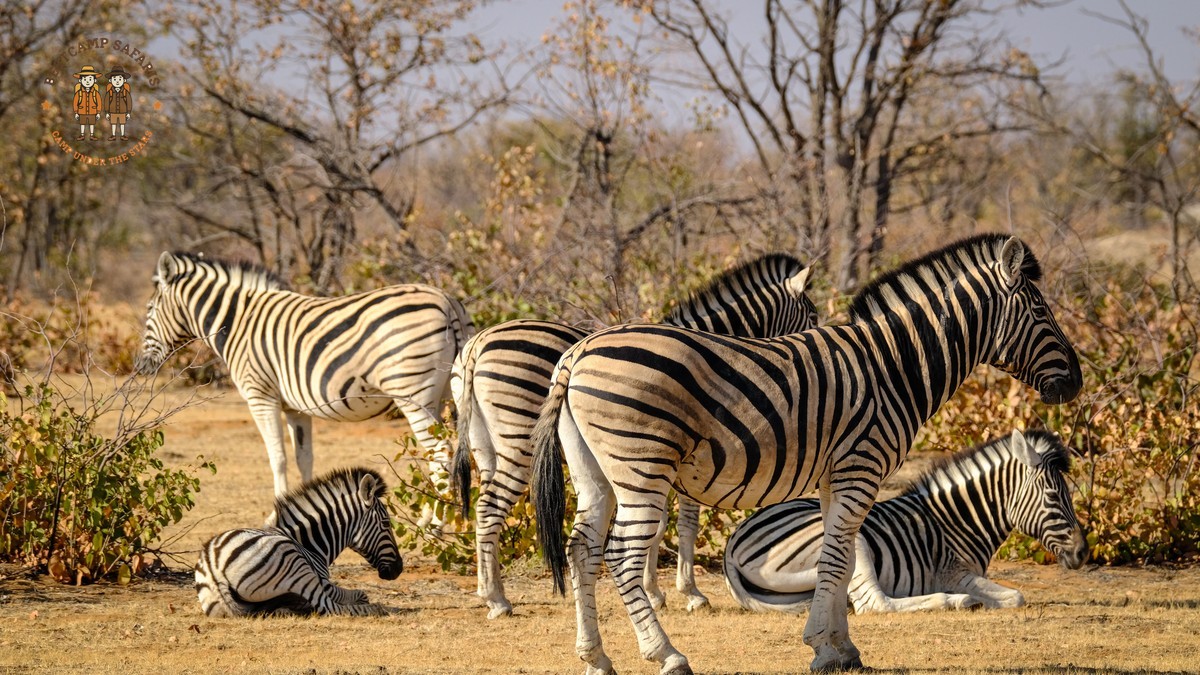
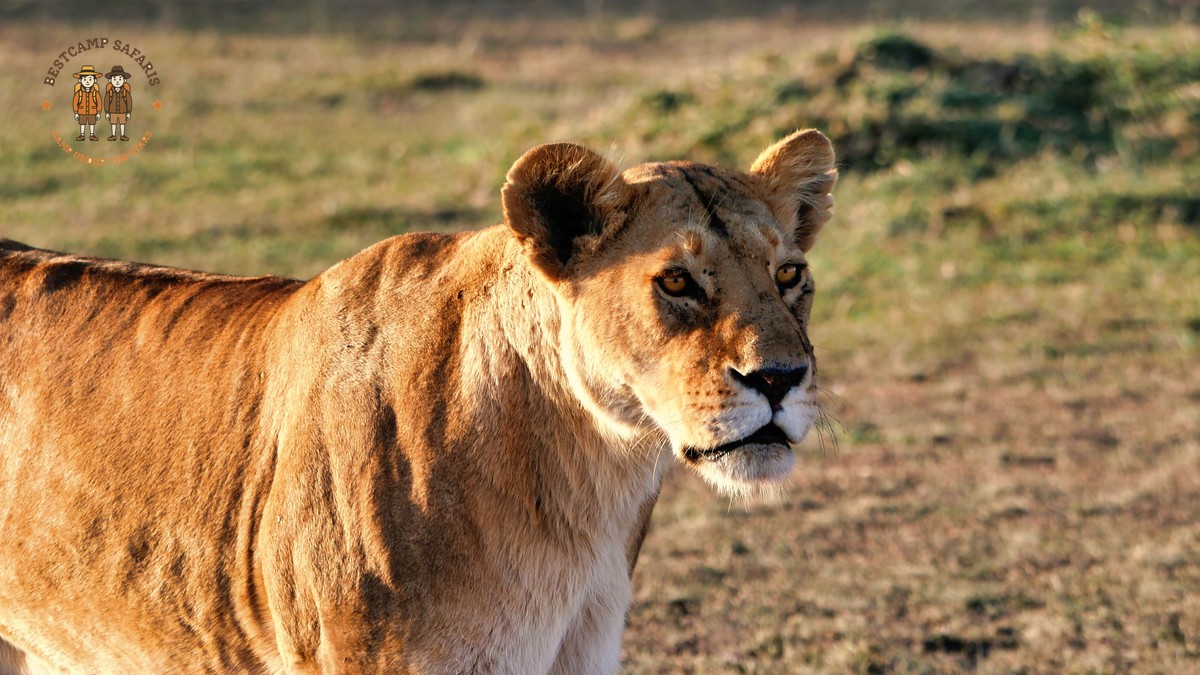
A practical first-trip combination pairs Amboseli with the Masai Mara. Amboseli delivers elephants and wide views of Kilimanjaro. The Mara delivers big cats, wildebeest, and open grassland. Each park stays distinct in memory.
Distances matter more than most first-timers expect. Nairobi to Amboseli is about 240 km and takes four to five hours with a stop. Amboseli to the Mara takes a full day by road through Nairobi, or a shorter hop by light aircraft from Wilson Airport. From the Mara back to Nairobi, allow six hours by road. A short internal flight can save a full day, with airfares roughly EUR 250 to 450 per sector, worth asking about before you book.
National parks and reserves offer dependable wildlife viewing and standard access rules. Private or community conservancies limit vehicle numbers and often allow off-road driving and walking safaris. Conservancy stays cost more, but the calmer atmosphere often improves sightings. Always confirm whether quoted fees include both park and conservancy charges.
How Many Days Do Finnish Travelers Need?
Eight to ten days on the ground gives the best balance for a first Kenya safari from Finland. Seven days works if you keep the route to two parks. For a seven-day trip, combine two or three nights in Amboseli, three nights in the Mara, and one night in Nairobi. That pacing allows time to recover from jet lag while still covering two distinct ecosystems.
If you only have five or six nights, skip the extra park and spend them all in the Mara. Longer stays feel slower, so consider ten to fourteen days if you want to add Samburu, Laikipia, or the coast. More parks do not automatically make a better safari.
Helsinki Flights, the eTA, and Nairobi Logistics
Finnish travelers normally fly from Helsinki to Nairobi with one connection, through Amsterdam, Frankfurt, Paris, Doha, or Istanbul. No direct Helsinki-Nairobi flight currently exists. Allow 10 to 14 hours of flying time plus a layover.
A recovery night in Nairobi after that journey prevents a rough start to the safari and protects you from delayed luggage or a missed same-day transfer.
Finnish passport holders need Kenya’s electronic travel authorization before departure. The basic eTA is commonly quoted at USD 30 to 35, though fees and processing rules can change. Use the official Kenyan government portal rather than a third-party site. Our Kenya eTA and safari booking requirements guide covers the documents and timing in more detail.
Best Time to Visit from Finland
Late June through October brings the driest weather and the classic wildebeest migration months in the Mara. January and February offer strong dry-season game viewing with fewer crowds at some camps. For better value, look at February and March. November through May is greener, with more afternoon rain but often lower rates.
If your dates are flexible, choose a season first and a camp second. A private conservancy in the Mara holds its own wildlife even outside the migration window, which can make shoulder-season travel worthwhile.
Start With Your Own Question
That first 5am coffee tastes different when the day ahead is already planned. Would you rather watch elephants dust themselves below Kilimanjaro, or wait for lions to move beside the Mara River? Both mornings fit into one well-paced week. BestCamp Safaris plans Finnish-friendly routes with a Kenyan driver-guide and Finnish-speaking coordination when you need it. When your dates are set, ask for a route plan and a full price list. Start planning your safari and see how the weeks, euros, and waking dreams line up.


