
 Adventure Tours
We pulled up to the Namanga border post in the early afternoon heat. Dust from the vehicle queue hung over the tarmac. Ahead of us was a safari truck, then a matatu, then tankers. If you have never crossed into Tanzania on safari, this is the moment nerves start. It does not need to be confusing.
Kenya safari, what happens at border? A Kenya Tanzania border crossing follows the same 7 steps every time. On most days, it takes 30 minutes to two hours. This guide explains each step, the documents you need, the realistic wait times, and the trade-offs between the two main crossings.
Which Kenya-Tanzania border crossings do safari travelers use?
Safari travelers most commonly use Namanga between Nairobi and Arusha, or Isebania/Sirari between the Maasai Mara and Serengeti. Taveta/Holili and other crossings serve specific routes. The right crossing depends on your itinerary, because border choice affects driving time, vehicle arrangements, immigration procedures, and how easily the next guide meets you.
Namanga sits on the main Nairobi-Arusha highway, about 170 km south of Nairobi. It is the fastest land crossing for trips that start in Nairobi and aim for Kilimanjaro, Tarangire, or Lake Manyara. The Kenya and Tanzania offices sit close together, so the walk between them is short.
Isebania, with its twin town Sirari, is the crossing for overland routes between the Maasai Mara and Serengeti. It is roughly 130 km from the Mara Reserve’s Sekenani Gate, about a two to three-hour drive. The air smells of diesel and grilled corn from the stalls by the fence. It is a busier commercial crossing, so expect trucks and a less polished arrival.
Taveta/Holili serves trips that combine Tsavo with Kilimanjaro. Some operators use it to save time on the coast route.
The crossing choice affects park fees too. If you cross via Isebania, you still pay the Maasai Mara Reserve fee before you reach the border. That fee is USD 100 per adult per day from January to June, and USD 200 from July to December. It is separate from immigration costs.
If you want the full migration circuit through the Mara and Serengeti, start planning your Maasai Mara safari early.
Kenya safari: what happens at border, step by step?
Your safari vehicle queues at the border, you leave with your passport and hand luggage, complete exit immigration, then complete entry immigration for the next country. Officers may check visas, vaccination documents, fingerprints, forms, or baggage. After clearance, you return to the vehicle or meet the onward guide and continue to camp.
Here are the 7 steps in order.
- Arrive and park. Your driver stops in the border zone. Keep your passport in hand.
- Prepare hand luggage. You carry passport, wallet, phone, medicines, and printed documents. Leave the big bag with the driver.
- Exit Kenya. Walk to the Kenya immigration desk. An officer stamps your passport and may take fingerprints.
- Walk to the Tanzania side. At Namanga the offices are close. At Isebania and Sirari, you cross a short road.
- Enter Tanzania. Show your passport and visa. Present the yellow fever certificate if asked.
- Pass customs. Officers may inspect bags or wave you through. Open what they point to.
- Meet your new guide. A Tanzania vehicle waits on the far side. They load your bags and confirm the plan.
The driver stays with the vehicle during steps 1 to 5. That is normal. You are never alone with paperwork, because the driver talks you through each window.
| Detail | Namanga border | Isebania/Sirari border |
|---|---|---|
| Best for | Nairobi to Arusha, Kilimanjaro, Tarangire | Maasai Mara to Serengeti |
| Road from Nairobi | About 170 km | Roughly 380 km via Kisii and Migori |
| Typical drive time | 2.5 to 3.5 hours | 6 to 7 hours |
| Typical border wait | 30 to 90 minutes | 45 minutes to 2 hours |
| Peak season wait | 1 to 2 hours | 1.5 to 3 hours |
| Who meets you after | Arusha or Kilimanjaro crew | Serengeti crew |
Distances and drive times are approximate estimates for planning.
What documents do you need at the border?
Carry a passport valid for at least six months, the required Kenya or Tanzania visa or electronic authorization, and any supporting booking details. Travelers arriving from yellow-fever-risk countries may need an International Certificate of Vaccination. Keep printed approvals and the yellow card accessible rather than packed in checked luggage.
- Passport with at least six months validity and blank pages.
- Tanzania visa or e-visa. Most nationalities need one. The indicative cost is around USD 50 for a single entry. Check current rates for your country.
- Kenya eTA. Kenya now uses an Electronic Travel Authorization for most visitors. If your trip returns to Kenya after Tanzania, confirm the eTA covers re-entry.
- Yellow fever certificate. Officers can ask if you arrive from a yellow-fever-risk country. Carry the International Certificate of Vaccination in your hand luggage.
- Trip documents. Lodge confirmations and your safari itinerary answer questions about your route. Printed copies help when the internet is slow.
Vaccination rules change. Check current requirements two weeks before departure. The border officer’s questions stay simple: where you came from, where you are going, and how long you stay.
How long does a Kenya safari border crossing take?
Allow roughly 30 minutes to two hours for a normal Kenya-Tanzania safari border crossing, with busy peak-season queues sometimes stretching to two or three hours. Namanga can be quicker when documents are arranged in advance, while visa-on-arrival processing, vehicle customs, luggage inspections, and crowded mornings add delay.
Time of day matters. Morning queues form because buses and trucks arrive early. A crossing between 11 am and 2 pm is often calmer. If you cross in July, August, or December, add buffer time. High season pushes queues longer at both Namanga and Isebania. Travelers with printed visas and eTA approvals often pass in the first 30 to 40 minutes. Anyone applying for a visa on arrival should plan for an extra 30 to 60 minutes.
Do you change vehicles or guides at the border?
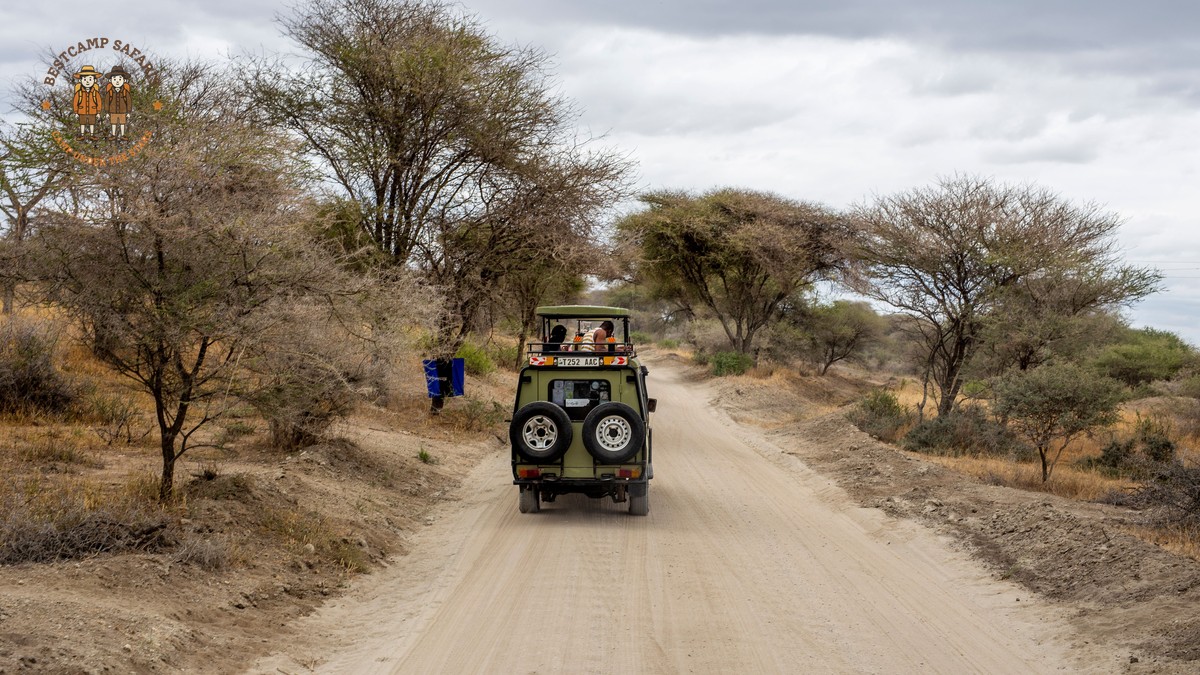
Usually, yes: Kenyan-registered safari vehicles and drivers generally do not continue into Tanzania, so travelers meet a Tanzanian vehicle and guide after immigration. The departing guide explains the handover, while the receiving crew confirms the itinerary and loads luggage. Exact arrangements vary by operator, route, vehicle permits, and border.
This is the safari vehicle change surprise. Kenyan vehicles cannot operate inside Tanzania parks, and Tanzanian vehicles cannot operate in Kenyan reserves. So the two systems meet at the border. Your Kenya guide stays with the vehicle. The Tanzania guide waits after immigration. The handover happens near the border office or a meeting point. The departing guide explains the plan, and the new guide confirms your name and route before loading bags. Expect the same handover on the return trip. It mirrors what happens during a safari camp move: one team packs you up, another welcomes you, and the trip continues.
What happens to luggage and customs at the border?
Passengers normally carry passports and small hand luggage into immigration, while larger bags remain available for customs inspection or transfer between vehicles. Customs checks may be brief, but officers can search luggage and drivers must process vehicle documents separately. Keep medicines, valuables, electronics, and travel documents with you during the handover.
You rarely carry all bags through both offices. You take a small bag with documents and valuables. The main bags move with the vehicle or sit near the customs point. Officers can open anything. Keep fresh fruit, meat, drones, and unlicensed wildlife products out of your luggage. Medicines travel best in original packaging with a prescription note. During the vehicle change, watch your bags get loaded. If you carry cameras or a laptop, keep them with you until the new vehicle door closes. The border is busy. One moment of distraction is enough to misplace a bag. That is why it pays to know how valuables are secured on safari before you leave home.
The BestCamp Safaris Difference
At BestCamp Safaris, the border is planned like every other part of the trip. Your Kenya guide explains the crossing before you arrive, carries the printed documents, and walks you through each window. The Tanzania guide is already waiting on the far side with the vehicle and the route confirmed. We choose the crossing based on your itinerary. Namanga for speed on the Nairobi-Arusha route. Isebania when the migration circuit points toward Serengeti. Our drivers talk by phone during the handover, so you always know who is next. You cross with someone who has done it many times before. That is the whole point.
Frequently Asked Questions
What happens at the Kenya Tanzania border on safari?
You complete an exit stamp for the country you are leaving, walk or move to the next country’s immigration office, and complete entry formalities. Officials may check your visa, yellow-fever certificate, and luggage before you meet the onward guide and vehicle.
How long does it take to cross the Kenya Tanzania border?
Most crossings take about 30 minutes to two hours. Busy high-season queues, visa-on-arrival applications, customs checks, and vehicle processing can extend the wait to two or three hours.
Do you change vehicles at the Kenya Tanzania border?
Often, yes. Kenyan and Tanzanian safari vehicles may not operate freely across the neighboring country’s parks, so the first driver usually waits while passengers complete immigration and then hands over to a new local vehicle and guide.
Do I need a visa to cross from Kenya to Tanzania?
Most international travelers need the appropriate Tanzania entry authorization, while the exact requirement depends on nationality and current immigration rules. Arrange the required e-visa or eligible visa-on-arrival option before travel, and confirm that your Kenya authorization permits re-entry if your itinerary returns to Kenya.
What documents do I need at the Namanga border?
Bring your passport, Tanzania entry authorization, Kenya exit or re-entry documentation, and any required yellow-fever certificate. Printed visa or authorization confirmations make processing easier, especially when queues are long or internet access is unreliable.
Plan your Kenya-Tanzania safari crossing
The border should be a short checkpoint on the way to your safari, not a stressful unknown. Tell BestCamp Safaris your dates and route, and we will match you with the right crossing, arrange the vehicle handover, and make sure your documents are ready. Browse our Kenya-Tanzania overland safari or contact the BestCamp Safaris team to start planning.


