
 Adventure Tours
Picture your last morning at a mobile tented camp. The sun is still low over the acacia line when the crew brings tea to your tent. You drink it as the canvas shakes. Another zipper opens. Breakfast smells float across the clearing. Then an odd thing happens. You climb into a safari vehicle for a short game drive, and behind you the entire camp starts to fold into boxes. This is what happens during a safari camp move. It is a process built around one goal: keep you in the bush, not in transit.
Here are the five key steps you will experience on a moving day. Step one is an early breakfast. Step two is baggage handover. Step three is the transfer. Step four is arrival briefing. Step five is the first activity at the new camp. Each step has a job, and together they protect your wildlife time.
Why Safari Camps Move and How Often They Relocate
A mobile safari camp moves to place guests closer to wildlife, seasonal water, fresh grazing, or a different ecosystem. The schedule varies: some camps relocate several times a year, while fly-camping or semi-participation trips may change sites every few days. Weather, animal movements, park rules, and road access determine the actual timing.
In Kenya, mobile migration camps often shift with the herds. One month they sit near the Mara River. The next month they follow fresh grass toward the Loita Plains. A static camp cannot do this. A mobile camp can. You wake in one habitat and sleep in another. On the Mara side, the reserve is run by Narok County, not by the Kenya Wildlife Service. That changes the rules. Conservancies like Naboisho or Mara North bundle fees into your nightly rate. The rough range is USD 80 to 150 per person per night. You can read more about how often mobile camps relocate in our daily camp movement schedule guide.
Camp relocation is part of the job on any mobile adventure. The crew knows the sequence by heart. The whole operation moves like a small caravan of canvas, water tanks, and spices.
What the Camp Team Packs and Transports
Staff dismantle sleeping tents, beds, linen, furniture, lighting, plumbing, kitchen equipment, dining supplies, and staff facilities, then label and load them for transport. On a fully serviced safari, guests normally do not pack the camp themselves. The operator moves the infrastructure by truck or support vehicle while protecting equipment and minimizing environmental impact.
The breakdown starts early. By the time your coffee is done, the cook has already emptied the grey water. The crew pulls tent poles out of the canvas. They roll the heaviest canvas into tight bundles. Mattresses go into plastic sleeves. The little sink outside the dining tent comes off its stand. Every box is labeled with a marker. The boxes go onto a lorry or a flatbed Land Cruiser. Some high-end camps use trailers towed by game viewers.
The equipment list looks like a small hotel. Twelve guest tents, a dining tent, a bar tent, a kitchen tent, a shower bladder, a generator, a spare tire, and two boxes of spices. All of it can fit in the back of a truck. During a camp relocation, the same boxes appear at the new site in the same order. That order matters. Kitchen boxes go down first. Guest tents go up last, so they stay clean.
On a participation safari, you would be handed your own tent bag and a pile of poles. That is a different model.
What Happens During a Safari Camp Move for Guests
Guests usually leave after breakfast, often with a shortened morning game drive or a direct transfer, while the camp crew packs behind them. They may travel by safari vehicle, aircraft, or a combination of both. At the destination, staff welcome them, explain camp rules, and offer a flexible activity after the new camp is ready.
Your moving day has a rhythm. You wake earlier than normal. A flask of something hot sits on your tent step. Breakfast is faster, but it is still a real breakfast. Scrambled eggs, toast, fruit, coffee. Then you join your guide for a short drive. This is not a spare hour. It is the route out of the area. Your guide knows where to look. Maybe a leopard sits in a sausage tree. Maybe elephants cross the track. By 10am you reach the airstrip. You watch your bags go onto the scales. You keep a daypack with water, medicine, and a warm layer.
The light aircraft climbs out of the valley. Below you, you can see the crew folding the last tent. If you travel by road, the difference is less dramatic but just as real. You stop for a toilet break under a thorn tree. The crew passes you chilled bottles of water. You arrive at the new site to find the table set and the kettle on.

How the New Camp Is Set Up Before Arrival
At the new site, the team re-erects guest tents, beds, bathrooms, kitchen, dining area, water systems, lighting, and safety equipment before guests arrive. The camp is checked for cleanliness, supplies, functionality, and wildlife-related risks. In a well-run full-service operation, guests should reach a finished camp rather than help construct it.
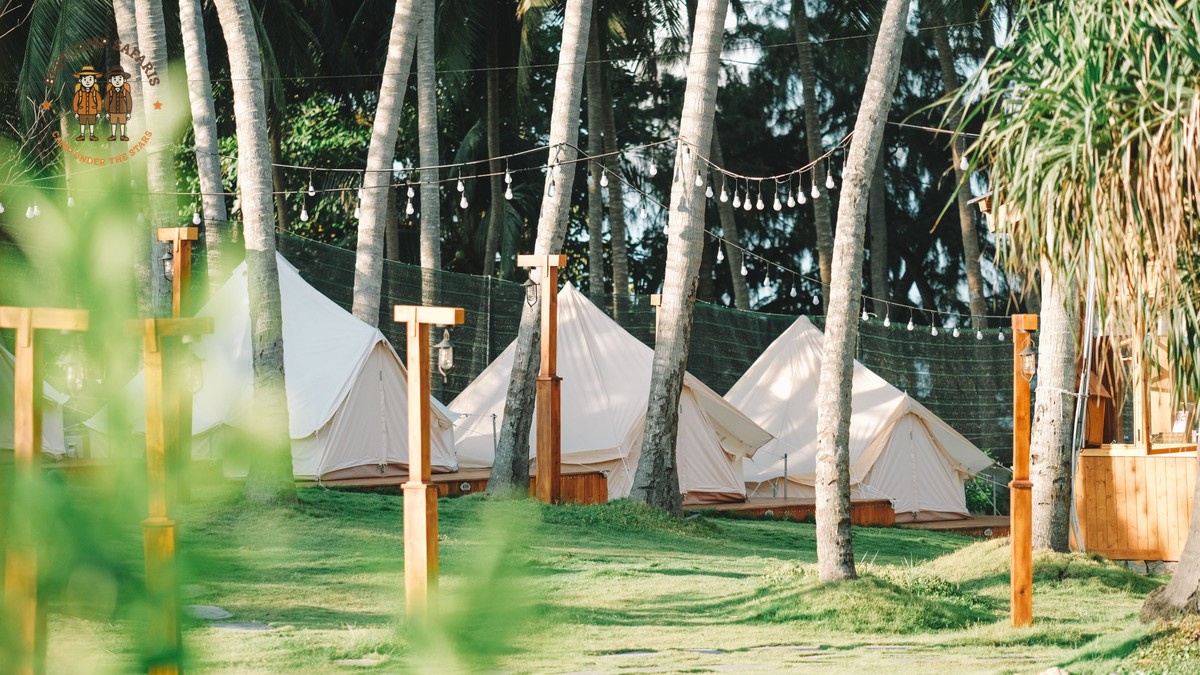
The new camp is waiting for you. Beds are made with hospital corners. The bucket shower hangs from a wooden frame with hot water already steaming. The dining table has a cloth and a vase of wildflowers. Outside the tent, a small mat catches the dust. The crew walks the perimeter before the vehicles arrive. They look for fresh lion tracks. They check the firebreak and the latrine trench. They test the pressure lanterns. In a full-service mobile tented camp, you take all of this for granted. You should. That is the point.
How Game Drives, Meals, Baggage, and Transfers Work on Moving Days
A moving day often replaces part of a normal game-drive schedule. Breakfast may be early, bags may leave first for weighing or loading, and road or air transfers can include waiting and intermediate stops. Operators usually provide meals or packed food, but guests should keep medication, water, valuables, and essential clothing accessible.
The practical details matter as much as the wildlife. Keep your passport, camera, and medication in your daypack. Put everything else in the checked bag. On a road transfer, your guide can stop for a game drive en route. On a flight, you lose that flexibility. Here is what moving between three major parks looks like on paper:
| Route example | Distance (km) | Typical drive time | Non-resident park fee (2026) |
|---|---|---|---|
| Nairobi to Masai Mara National Reserve via Narok | 270 | 5-6 hours | USD 200/day (Jul-Dec) |
| Nairobi to Amboseli National Park via Namanga | 240 | 4 hours | USD 90/day |
| Nairobi to Lake Nakuru National Park via Naivasha | 160 | 3 hours | USD 90/day |
| Nairobi to Tsavo East National Park via Voi | 320 | 5-6 hours | USD 80/day |
The Masai Mara fee is set by Narok County. The others are Kenya Wildlife Service rates from October 2025. A short flight changes the math. Wilson Airport to the Mara takes about 45 minutes. The drive takes five or six hours. If you move between conservancies, the cost is bundled into your nightly rate. The distance is smaller, but the habitat difference can be huge.
You may lose part of a game drive. The morning drive is often shortened, and the afternoon is lighter. If you want to skip a full drive and rest instead, many operators allow it. Read more about whether guests can skip a game drive before you tailor your day.
Full-Service Versus Participation Mobile Camping
On a full-service mobile safari, staff pack guests’ accommodation, prepare meals, transport supplies, and rebuild the camp, so guests mainly travel and enjoy the destination. On a participation safari, guests may pitch or dismantle tents, load vehicles, cook, or wash up. The itinerary should state clearly which model applies before booking.
For a first-time visitor, fully serviced safari is usually the better deal. You pay for the crew, the canvas, and the logistics. You get the bush without the chores. Participation safari has its own charm. You learn to pitch a tent, build a fire, and cook under a tarp. But it takes time. Expect to spend a few hours each day on camp work. Before you book, check what comfort level to expect in a safari camp. Ask about bucket showers, solar lights, and sleeping bags. The answer affects your packing list.
The Safety, Comfort, and Environmental Trade-Offs
A camp move can deliver better wildlife positioning and a more remote experience, but it may reduce time for activities and introduce long transfers, changing guides, limited connectivity, or a brief first afternoon. Safety depends on strict camp rules, secure baggage handling, trained staff, and a site inspection before guests arrive. The benefit is greatest when the move changes the habitat, not merely the tent.
Moving camp is not always comfortable. The truck is dusty. The road can be bumpy. The new guide needs time to learn your habits. There may be no phone signal for a full day. But the gain is real. One night you hear hyenas from your tent. The next night you wake to the sound of hippos in a river. The camp move is a tool, not a ritual. A good operator moves only when the new site is clearly better. They use existing tracks. They carry out every scrap of waste. They leave the site cleaner than they found it.
The BestCamp Safaris Difference
At BestCamp Safaris, a camp move is not a disruption. It is a chance to reset your view of the bush. Our crew breaks down and rebuilds with military precision. You never carry a tent pole. You never filter your own water. You do not help with the dishes, unless you want to. Our teams use custom-built boxes that keep linen dry and food safe. We arrive at the new site before you do, so the beds are made and the fire is lit. We also brief you on wildlife safety at each new camp. With us, a moving day feels like a short intermission, not a lost day.
Frequently Asked Questions
Do guests stay at the camp while it moves?
Usually, no. On a fully serviced mobile safari, guests leave for a game drive or transfer while staff dismantle and transport the camp. Guests arrive at the new location after the accommodation and essential facilities have been rebuilt.
How long does it take to move a mobile safari camp?
The guest-facing move can take several hours or most of a day, depending on road conditions, flights, airstrip transfers, distance, and possible stops. The physical camp relocation may take longer because staff must dismantle, transport, rebuild, and inspect every facility.
Does a camp move every day on safari?
Not necessarily. Some mobile camps stay in one location for weeks or months and move seasonally, while participation or fly-camping itineraries can change sites every few days. The camp’s operating model and wildlife strategy determine the schedule.
Do you lose a game drive when changing safari camps?
You may lose part of a game drive, especially when the move includes a long road transfer or flight. Many itineraries include a shortened morning drive or a flexible activity after arrival, and the next morning is often the first full safari period at the new camp.
Who packs and sets up a mobile safari camp?
The camp crew and support team normally dismantle, pack, transport, and rebuild a fully serviced camp. Guests are generally responsible only for their personal luggage. Participation safaris are different and may require guests to help with tents, cooking, washing up, or loading.
Plan Your Safari with BestCamp Safaris
Ready to wake up in a mobile tented camp? BestCamp Safaris can design an itinerary that follows the wildlife without losing your comfort. We handle the crew, the camp, and the logistics. You handle the binoculars. Start planning by visiting our safari tour page or reach us through our contact page.


