
 Adventure Tours
You’ve done the Mara. Maybe twice. A lodge deck, a pool overlooking the plains, a Land Cruiser with a fridge in the back. It was good. But you already know there’s more north of that, and you’re right.
Here’s the thing nobody clears up first about a Samburu fly camp safari: “fly camp” and “fly-in safari” are not the same trip. Most pages selling Samburu right now mean the second one, a charter flight from Nairobi to a permanent luxury camp. A real fly camp is a small, mobile canvas setup you often walk into, slept in for one or two nights, then it’s gone by morning. This post is about that second thing, the one almost nobody explains properly.
What a Samburu Fly Camp Safari Actually Is (And What It Isn’t)
A fly-in safari just means you flew instead of drove. You land at an airstrip, a vehicle meets you, and you sleep in a normal permanent tented camp with a proper bathroom.
A true fly camp is different. It’s a temporary satellite camp, usually two to four small dome or meru tents, a camp table, a fire, and a crew who set it up that afternoon and will strike it the next morning. There’s no swimming pool. There’s often no vehicle parked outside either, because you walked in with a guide and an armed Samburu scout.
Guests usually base at a main camp like Sarara or Sasaab for most of the stay, then peel off for one or two nights at the fly camp as an add-on, not the whole trip. If you want the fuller picture of how a fly camp differs from a walk-in camp, read that first, because the two terms get mixed up constantly and they’re not identical either.
Best Camps in Samburu for a Real Fly Camp Experience
Only a handful of properties in the Samburu ecosystem run genuine mobile fly camps, rather than just calling their permanent tents “fly camps” for the brochure. These four are the ones actually doing it.
| Camp | Location | Fly Camp Style | Standard Rate (indicative, USD pp/night) | Fly Camp Add-on (indicative) | Min. Nights for Fly Camp |
|---|---|---|---|---|---|
| Sarara Camp | Namunyak Conservancy | Walk-in fly camp near Reteti and the Sarara Singing Wells | 950-1,200 | +150-250 | 2 |
| Sasaab | Westgate Conservancy | Riverside star-bed and fly camp on the Ewaso Nyiro | 800-1,100 | +100-200 | 1-2 |
| Elephant Bedroom Camp | Samburu National Reserve | Seasonal mobile fly camp, request only | 550-750 | +120-180 | 1 |
| Saruni Samburu | Kalama Conservancy | Fly camp paired with a guided walking route | 700-950 | +150-200 | 2 |
Prices above are indicative, always check directly with the camp for the current season’s rates. All four sit on private conservancy land bordering the reserve itself, which matters, because conservancies allow walking and night activity that the national reserve doesn’t. If you’re weighing where to actually base your trip, it’s worth reading up on private conservancy vs. national reserve rules before you book.
What a Night at a Fly Camp Is Really Like
You walk in late afternoon, boots dusty, and the tent is already up. Inside is a camp bed, a canvas roll for your bag, and a paraffin lantern instead of a light switch. That’s it.
Washing is a bucket shower, water heated over the fire and hung from a tree in a canvas bag with a shower head at the bottom. It works better than it sounds. For the bathroom, most fly camps use a long-drop, a dug pit with a wooden or canvas frame over it, sometimes with a proper toilet seat bolted on top. If that’s new to you, it’s worth reading what to expect from the long-drop toilet at a fly camp before your first night, because it’s the detail people worry about most and it’s genuinely fine.
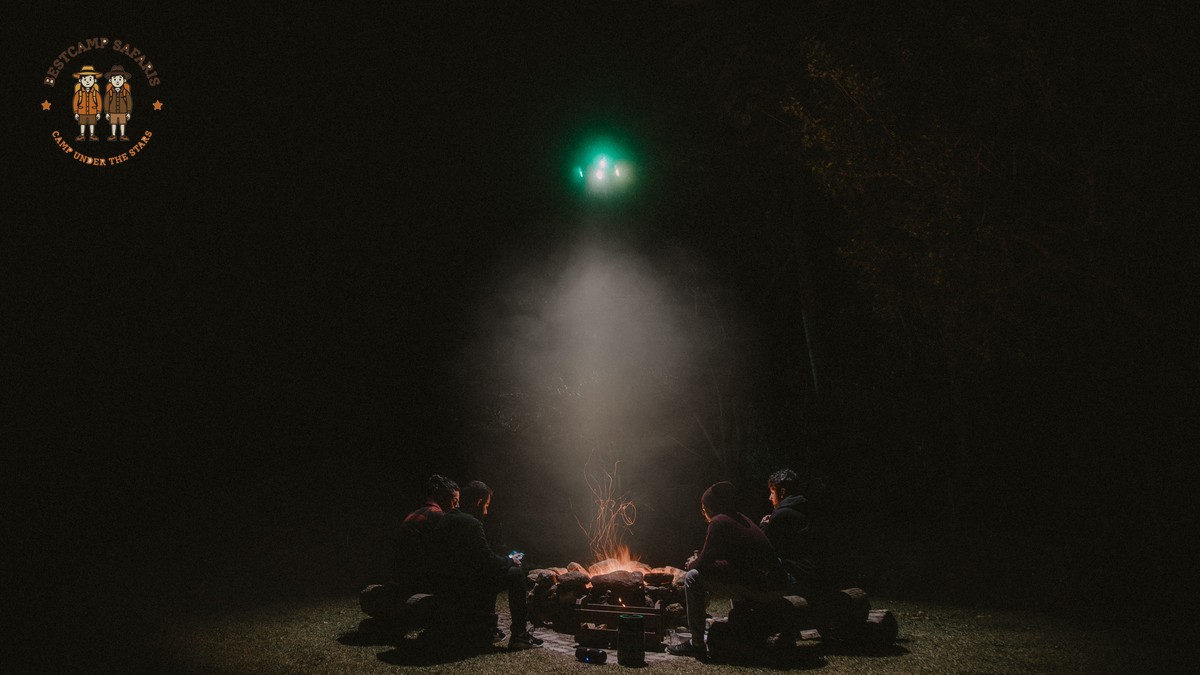
Dinner is cooked over an open fire a short walk from the sleeping tents, usually a stew or grilled meat with rice, eaten at a folding table under a lantern. You’ll hear the crew packing pots afterward, low voices, the clink of enamel plates. Then it’s quiet except for hyena calls and, some nights, a lion a valley away. You fall asleep faster than you expect to.
Walking Safari Days: How the Trip Is Structured
Fly camping in Samburu is almost never a standalone product. It’s bolted onto a walking safari, and the day runs on foot as much as by vehicle.
Mornings start around 5:30am with tea by the fire before first light. You walk for two to four hours with an armed Samburu guide, reading tracks, stopping for the small things, dung beetles, weaver bird nests, elephant browse lines on the acacia. A vehicle usually meets you partway with a hot breakfast laid out on a folding table.
Afternoons are slower. A drive or a shorter walk toward the next fly camp site, then that same routine of tents already pitched, fire going, lanterns lit by the time you arrive. It’s a rhythm, not a checklist of game drives.
Best Time to Visit Samburu for Fly Camping
The dry months, from late June through October, and again from January to March, are best. Tracks are firm, the Ewaso Nyiro River is low enough to cross on foot in places, and wildlife concentrates near remaining water.
The long rains, roughly April through May, and the shorter rains in November, turn the black cotton soil into a genuine problem. Walking is still possible but harder going, and some fly camp sites simply aren’t used because vehicle access in and out becomes unreliable. If you’re set on fly camping specifically, dry season is the safer bet, not just the more comfortable one.
The Samburu Special Five
Samburu’s dry, riverine landscape supports species you won’t see in the Mara at all. Guides call them the Special Five: Grevy’s zebra, with narrower stripes and bigger ears than the plains zebra; reticulated giraffe with sharp, tile-like markings; the long-necked gerenuk, which stands on its hind legs to browse; Beisa oryx, with straight rapier horns; and the Somali ostrich, with pale blue-grey legs instead of pink.
Add elephant along the river, leopard in the doum palm thickets, and lion moving through the conservancies at night, and a walking route through Samburu covers ground the Mara simply doesn’t offer.
Is Fly Camping Worth the Extra Cost?
For most of these camps, a fly camp night adds roughly USD 100 to 250 per person on top of the standard rate, mainly to cover the extra crew, transport of gear, and setup labor. That’s not small money for one night in a tent with no pool.
It’s worth it if you want a genuinely different kind of night, quieter, closer to the ground, away from any generator hum or camp lighting. It’s not worth it if you’re traveling with young kids, have limited mobility, or you’re only in Samburu for one night total, since most camps ask for a minimum two-night stay to fit a fly camp in properly.
Getting to Samburu from Nairobi
Two realistic ways in. Flying is faster and easier on your schedule; driving is cheaper and lets you break the trip at Mount Kenya or Laikipia on the way.
| Route | Distance / Time | Indicative Cost | Notes |
|---|---|---|---|
| Road, Nairobi to Samburu | Approx. 325 km, 5-6 hours | Private vehicle transfer roughly USD 250-400 total | Tarmac to Isiolo, rougher gravel after |
| Scheduled flight, Wilson to Samburu/Kalama airstrip | Approx. 55-70 minutes | Roughly USD 250-350 per person one-way | Daily flights in high season, fewer in the rains |
Many repeat visitors combine Samburu with a few nights in Laikipia or Meru National Park on the same road route, since both sit within a half day’s drive. Chyulu Hills, further south near Amboseli, works better paired with a separate southern circuit.
The BestCamp Safaris Difference
We don’t sell “fly camp” as a label stuck on a permanent luxury tent because it sounds adventurous. When we book you into a fly camp night in Samburu, it’s the real thing, walked in, torn down by morning, with a scout who knows that stretch of the Ewaso Nyiro by name. We work directly with Sarara, Sasaab, and Saruni’s guiding teams to build the walking route around what’s actually happening on the ground that week, not a fixed script. And we’ll tell you plainly if a fly camp isn’t the right fit for your group, rather than upsell you into a night you won’t enjoy.
Plan Your Samburu Fly Camp
If a night under canvas in Samburu sounds like the trip you’ve been circling for years, we’d like to help you build it properly, camp by camp, night by night. Get in touch with BestCamp Safaris to start planning.
More safari planning resources
- Samburu map and Special Five from SafariPure
- Samburu National Reserve guide from Trunktrails Safaris
- Map of Samburu from Valley Safaris
- Samburu National Reserve guide on Touring Insights
Related guides: Solar Powered Generator Free Camp: Kenya Fly Camps.


