
 Adventure Tours
If you’ve already done the Masai Mara from the deck of a lodge, you know the drill. Ten vehicles circling one leopard. A radio crackling with sightings before you’ve even parked. Il Ngwesi is the opposite of that, and that’s the whole point. An Il Ngwesi Community Conservancy safari trades crowded loops for open ground you can walk across in silence.
This is a Maasai-owned conservancy in Laikipia, north of Mount Kenya, where you can still walk across open ground with a guide and not see another vehicle all day. I’ve slept under canvas here more than once, and the thing that stays with me isn’t a single animal sighting. It’s the quiet. No engine noise, no queue at a sighting, just wind through acacia and the crunch of your own boots.
What Is an Il Ngwesi Community Conservancy Safari, and Where Does It Sit?
Il Ngwesi Community Conservancy covers about 16,500 hectares of Laikipia rangeland, roughly 290 km north of Nairobi. It sits on the eastern side of the Ewaso Ngiro River, bordering Lewa Wildlife Conservancy to the south and Borana Conservancy nearby. Together these three properties form an unfenced block of land that wildlife moves through freely, which matters more than it sounds.
The name comes from the Il Ngwesi Group Ranch, home to roughly 7,000 Maasai people who own and govern the land. This isn’t a national park run by a government agency. It’s a conservancy set up and run by the community that lives on it, and about 80% of the group ranch land is set aside for wildlife rather than grazing or farming.
Community Ownership: How the Model Works
Il Ngwesi was one of the first conservancies of its kind in Kenya when it launched in 1996, and it’s still owned outright by the Maasai landowners, not leased to an outside operator. A locally elected board decides how land is used and how tourism revenue gets spent, usually on schools, a clinic, water projects, and bursaries for students.
This matters for how a trip actually feels on the ground. Your guide isn’t a hired hand from Nairobi. He’s often someone who grew up on this land, tracking animals his father tracked before him. If you want the fuller picture of what separates this kind of setup from a government-run park, it helps to understand how community conservancies differ from national reserves before you compare Il Ngwesi to somewhere like the Mara.
Il Ngwesi also belongs to the Northern Rangelands Trust, a network of conservancies across northern Kenya that share security, grazing management, and conservation planning. That’s part of why the wildlife corridor here works as well as it does.
Wildlife: Honest Expectations
A lot of pages about Il Ngwesi repeat the same line about a community-run black rhino sanctuary. Here’s the more accurate picture. The dedicated black rhino sanctuaries in this landscape sit on neighboring Lewa and Borana, both fenced and intensively guarded. Il Ngwesi doesn’t hold its own separate rhino population inside a fence.
What Il Ngwesi does offer is an open border with Lewa and Borana, which lets rhino, elephant, and other wildlife range across the wider corridor rather than staying penned into one property. On a game drive or walk here you have a real chance of encountering black rhino, especially near the Lewa boundary, alongside reticulated giraffe, Grevy’s zebra, elephant, and often lion.
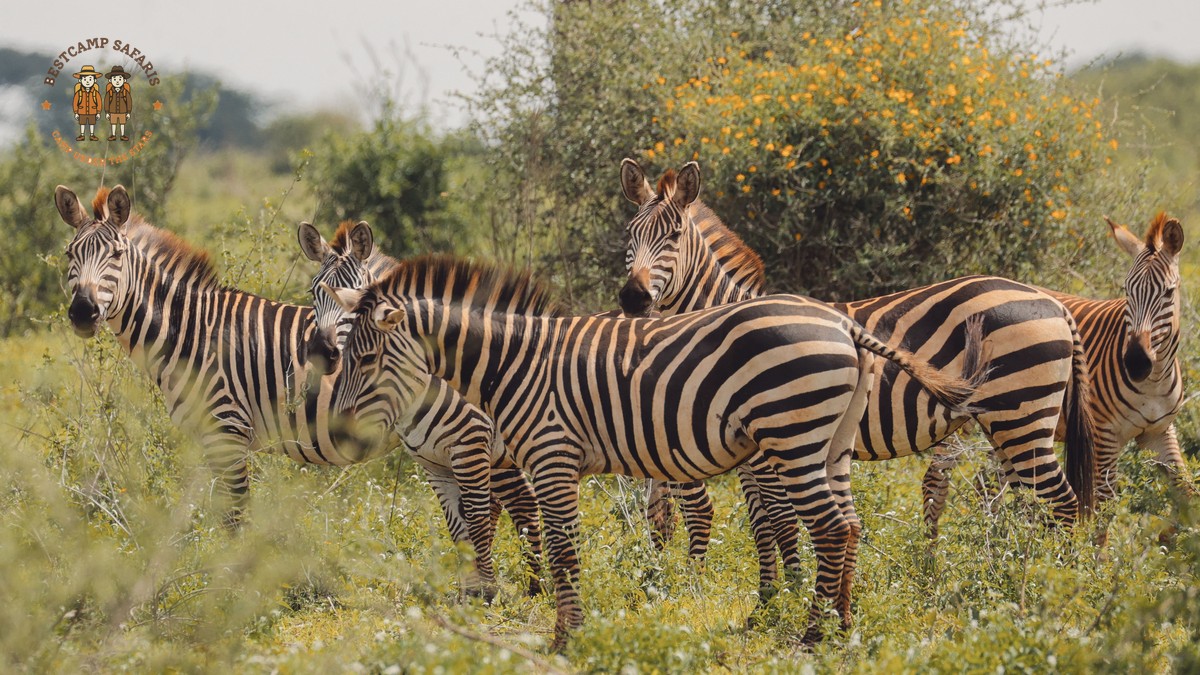
Laikipia holds the largest population of Grevy’s zebra left in the world, and Il Ngwesi is part of that range. You won’t see the sheer volume of animals you’d get in the Mara during migration season. What you get instead is space, quiet, and the kind of sighting that feels earned rather than crowded around.
Safari Activities: Walking, Driving, and Village Visits
This is where Il Ngwesi pulls ahead of most park-based safaris. Because it’s a conservancy, not a national reserve, activities banned in places like the Mara are standard here.
- Walking safaris with armed Maasai guides, often at dawn when tracks are freshest
- Night drives, spotting genet, aardvark, and other animals you’ll never see on a daytime park drive
- Game drives off-road, since conservancy rules allow driving beyond fixed tracks
- Village visits to Il Ngwesi homesteads, arranged through the conservancy rather than a staged stop
- Horseback rides in some seasons, similar in spirit to horseback safaris elsewhere in Laikipia if you want to cover ground at a different pace
Walking is the real draw for a repeat visitor. Nothing resets your sense of scale like being on foot near elephant dung that’s still warm, guided by someone reading the ground instead of a GPS.
Where to Stay
Il Ngwesi Lodge is the flagship property, six stone-and-thatch cottages built into a rocky outcrop, one with its own plunge pool, all overlooking a waterhole. It’s owned by the community and staffed almost entirely by Il Ngwesi residents. Expect roughly $300 to $450 per person per night on a full-board basis with activities included, though rates shift by season, so treat that as an indicative range and confirm current pricing when booking.
Koija Starbeds, on the neighboring Koija Group Ranch a short drive away, runs a similar community model with beds you can wheel out under open sky. It’s a good add-on for a second night with a different feel.
Ewaso Ngiro Campsite, inside the Il Ngwesi conservancy itself, is a self-drive or mobile camping option right on the river. This is where BestCamp’s own mobile tented setups fit best, canvas tents, a proper camp kitchen, and a fire circle instead of a lodge dining room. If you’ve read this far because you want the fly-camp version of Laikipia rather than the lodge version, this is it.
Entry and Conservation Fees
Il Ngwesi doesn’t run a single published gate fee the way KWS parks do. Budget an indicative range of around $40 per person for conservancy entry, plus a separate conservation fee of roughly $65 per person per night if you’re staying inside the conservancy. Many lodges already bundle this fee into their nightly rate, so ask directly when you book rather than assuming.
That fee structure is exactly the mechanism behind how conservation fees fund community conservancies like this one. Unlike a KWS park fee, which funds a government agency, this money goes straight to the Il Ngwesi Group Ranch for schools, water, and ranger salaries.
| Destination | Distance from Nairobi | Drive time | Non-resident daily fee | Walking safaris | Night drives |
|---|---|---|---|---|---|
| Il Ngwesi Community Conservancy | ~290 km | 5-6 hrs | ~$40 entry + ~$65/night conservation fee (indicative) | Yes | Yes |
| Masai Mara National Reserve | ~270 km | 5-6 hrs | $100/day Jan-Jun, $200/day Jul-Dec | No | No |
| Lewa Wildlife Conservancy | ~285 km | 5-6 hrs | ~$100/day, usually bundled in lodge rate (indicative) | Yes | Yes |
| Borana Conservancy | ~290 km | 5-6 hrs | ~$100/day, usually bundled in lodge rate (indicative) | Yes | Yes |
The trade-off is simple. You pay more per person to be here than a Mara day visitor pays at the gate, but you get zero vehicle congestion, permitted walking and night drives, and your money supports a community of about 7,000 people directly instead of a county government fund.
How to Get There
By road, it’s about 290 km from Nairobi, roughly 5 to 6 hours including the stretch of rough murram track past Nanyuki. Most people drive to Nanyuki first, about 200 km and 3 hours on tarmac, then continue north for another 2 to 3 hours on rougher roads to the conservancy gate.
By air, scheduled flights leave Nairobi’s Wilson Airport for the Lewa Downs airstrip, about 45 minutes in the air, followed by a road transfer of roughly an hour into Il Ngwesi. There’s also a small Il Ngwesi airstrip used for charter flights when road conditions are difficult.
Best Time to Visit
The dry months, from late June through October and again from January to February, give the easiest roads and the best game viewing, since animals cluster near the Ewaso Ngiro River. The long rains from March to May turn the access roads muddy and slow, though the bush turns green and bird numbers climb, useful if you’re chasing Laikipia’s 400-plus recorded bird species. Off-peak travel here also means lower lodge rates and even fewer other visitors than usual, which for a conservancy already this quiet is saying something.
Combining Il Ngwesi with Other Destinations
Il Ngwesi pairs naturally with the rest of Laikipia, especially Lewa and Borana next door, since you can often shift between properties without a long transfer. It also works well as one stop on a longer northern circuit through Samburu National Reserve, about 3 to 4 hours further north, or as a quieter bookend to a Masai Mara trip if you want contrast rather than repetition. For anyone building a longer Kenya itinerary, Meru National Park and the Chyulu Hills fly-camps further south round out a route that mixes big-name parks with the kind of low-traffic conservancies that don’t show up on a first Kenya trip.
The BestCamp Safaris Difference
Most operators sell Il Ngwesi as a lodge stay and stop there. We build mobile and fly-camp itineraries around it, moving your camp between the Ewaso Ngiro riverbank, a Laikipia bush site, and onward toward Samburu or the Chyulu Hills if you want to keep going. Our guides have run walking routes here for years, and our camp crews know how to strike a tented camp at dawn and have it standing again by lamplight at the next site the same evening. If you’ve already done the Mara from a lodge deck, this is what a second or third Kenya trip should look like.
FAQs
What is Il Ngwesi Community Conservancy known for? It’s known as one of Kenya’s first fully community-owned conservancies, run by roughly 7,000 Maasai landowners, with walking safaris and an open wildlife corridor shared with Lewa and Borana.
Is Il Ngwesi worth visiting on a Kenya safari? Yes, especially for a repeat visitor who wants walking safaris, night drives, and low visitor numbers rather than a repeat of a crowded Mara game drive.
How much does it cost to visit Il Ngwesi? Budget an indicative $40 entry fee plus roughly $65 per person per night in conservation fees, often bundled into lodge rates.
How do you get to Il Ngwesi from Nairobi? By road it’s about 290 km and 5 to 6 hours. By air, it’s a 45-minute flight to Lewa Downs airstrip plus a road transfer.
Can you see rhinos at Il Ngwesi? You can, though the dedicated black rhino sanctuaries sit on neighboring Lewa and Borana. Il Ngwesi’s open border lets rhino move into its range.
Who owns Il Ngwesi Lodge? The Il Ngwesi Group Ranch, the Maasai community that owns the conservancy itself.
Can you do walking safaris at Il Ngwesi? Yes, with armed Maasai guides, and it’s one of the main reasons to choose Il Ngwesi over a national reserve.
What is the best time to visit? Late June through October and January to February for dry roads and easier game viewing.
Is Il Ngwesi good for a honeymoon or family safari? It works well for both. The lodge suits couples wanting privacy, and the conservancy’s low traffic and hands-on activities suit families with older kids.
Plan Your Il Ngwesi Trip
If a walking safari, a night drive, and a camp that moves with you sounds better than another crowded Mara circuit, we can build that route. Visit our Laikipia and Northern Kenya safaris page to start planning your Il Ngwesi trip with BestCamp Safaris.


