
 Adventure Tours
Kenya’s bird checklist runs past 1,100 species, more than the whole of Europe combined. That number alone pulls in birders every year. But if you have already done a lodge-based Mara trip and ticked off lion, elephant, and giraffe, the real draw now is different. A birdwatching safari kenya camp guide should tell you where the birds actually are at first light. It should also tell you which camp puts you closest to them without a vehicle.
This guide is for the repeat visitor. You have seen the Mara from a permanent lodge. Now you want Samburu’s dry-country specials, Laikipia’s raptors, Meru’s river forest, and maybe a Chyulu Hills fly-camp under Kilimanjaro’s shadow. Here is what actually works, camp by camp, season by season, with real costs.
Why Kenya Tops the Birding List
Kenya sits where East African savanna, Rift Valley lakes, coastal forest, and highland moorland all meet inside one country. That mix is why the species count is so high. Lake Nakuru alone has recorded over 450 species. Add the migration corridor that funnels Palearctic migrants south from October through April, and you get overlap you will not find in a single-habitat country.
Samburu adds a further layer. North of the equator, dry Somali-Maasai habitat holds birds you will not see in the Mara at all, like the vulturine guineafowl and the Somali ostrich. That alone justifies a repeat trip, even if you already have a full Mara list from a previous visit.
Laikipia adds yet another angle. The conservancy land sits on high plateau between forest and semi-arid bush. Its bird list overlaps highland and dry-country species in a way no single park manages alone.
Best Time of Year for Birding
Peak birding runs November through April, when Palearctic migrants arrive and resident species are in breeding plumage. This is also when the Mara gets busiest and its dust gets thickest, and camp rates climb along with the crowds.
June through October is Kenya’s dry season. You lose some migrants, but tracks are firmer, camps are quieter, and birding overlaps neatly with mammal viewing at shrinking waterholes. For a repeat visitor who wants space over species count, dry season has real appeal. It is often the better trade-off if you already chased peak-season numbers before.
Short rains fall in November, long rains in April and May. Both green up the bush fast and bring breeding activity, but also mud and closed tracks in some conservancies. If your schedule is flexible, the shoulder weeks just before or after the rains often give you breeding plumage without the deepest mud.
Top Birding Destinations in This Birdwatching Safari Kenya Camp Guide
| Park or Reserve | Distance from Nairobi | Drive Time | Non-Resident Entry Fee | Key Birding Draw |
|---|---|---|---|---|
| Lake Nakuru National Park | 160 km | about 3 hours | USD 90/adult/day | flamingos, pelicans, white-backed vulture |
| Amboseli National Park | 240 km | 4 to 5 hours | USD 90/adult/day | swamp herons, saddle-billed stork |
| Samburu National Reserve | 325 km | 5 to 6 hours (or 45-min flight) | indicative USD 70-100/adult/day, confirm at booking | vulturine guineafowl, Somali ostrich |
| Meru National Park | 350 km | 5 to 6 hours | indicative USD 60-80/adult/day, confirm at booking | Pel’s fishing owl, palm-nut vulture |
| Chyulu Hills National Park | 250 km | about 4 hours | USD 40/adult/day | augur buzzard, montane forest species |
| Masai Mara National Reserve | 270 km | 5 to 6 hours | USD 100/day Jan-Jun, USD 200/day Jul-Dec | secretary bird, martial eagle, ostrich |
Fees change without much notice, so treat the indicative ranges as a starting point and confirm before you book. For the full daily math on camp fees, guide rates, and park costs together, our real per-day safari cost breakdown walks through an actual week.
What a Mobile Camp Adds That a Lodge Cannot
A fixed lodge puts you in one spot for the whole stay. A mobile tented camp moves with the season, following water and bird activity instead of sitting still.
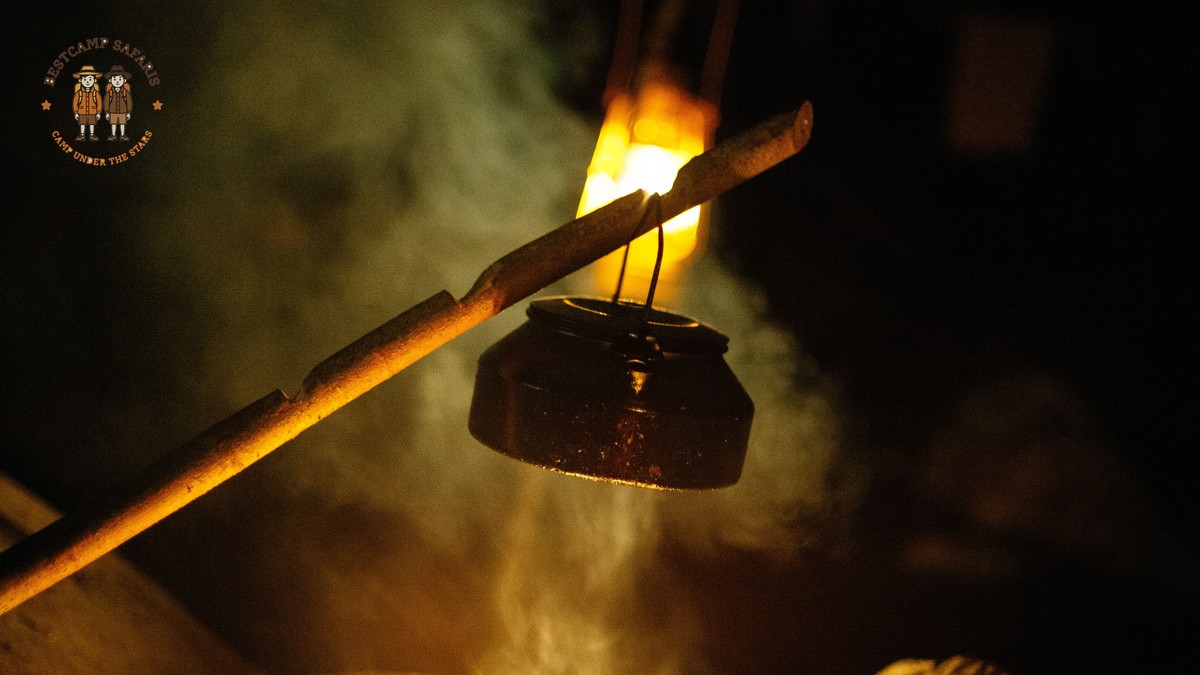
I have woken up in a Samburu mobile camp to hear ground hornbills booming before the camp staff had even lit the breakfast fire. That is the real difference. Camp-side hides and waterholes mean you can bird from your canvas chair before the vehicle even starts. No driving, no engine noise, just you, coffee, and a pair of binoculars.
Most mobile camps in Samburu and Laikipia pitch within walking distance of a river or waterhole. Elephant Bedroom Camp and Larsens Camp both sit along the Ewaso Nyiro River, where kingfishers and herons work the banks all morning. In Meru, Rhino River Camp and Leopard Rock back onto forest edge that pulls in turacos and hornbills you rarely see from open plains.
If you are choosing between setups, how a mobile camp setup compares to a fly camp is worth reading first. A fly-camp is lighter and more remote again, often just for a night or two on a walking route, which suits Chyulu Hills particularly well. Staff strike a fly-camp down to almost nothing by mid-morning, so the birding window there is short and worth planning around.
Best Camps for Birdwatching
For Samburu, Saruni Samburu sits high on a hillside with wide views over the river valley, good for raptors riding the morning thermals. For Laikipia, Sosian and Loisaba both run bush walks with a guide trained specifically in bird calls, not just game tracking. For Meru, Elsa’s Kopje looks over riverine forest that holds Pel’s fishing owl if you are patient and quiet at dusk.
Chyulu Hills fly-camps, often run as an extension from ol Donyo Lodge, sit in montane grassland with a totally different bird list from the lowland parks nearby. Augur buzzards hunt the open slopes at eye level from camp, and you can watch them without leaving your chair.
Birding Tips That Actually Help
Ask for a specialist bird guide, not just your standard driver-guide. A driver-guide knows the big animals well but may not call soft chip notes from thick bush. Adding a specialist for a day or two typically costs an indicative USD 40-70 on top of your standard guide rate, confirm exact pricing with your camp.
Get up before the vehicle leaves. Dawn chorus lasts about 45 minutes and most of it happens right around camp, not out on the plains. Sit still for the first ten minutes rather than walking straight to breakfast.
Learn five common calls before you land: ring-necked dove, hadada ibis, grey go-away-bird, superb starling, and fork-tailed drongo. Once your ear catches those, everything else stands out against them.
Equipment Worth Packing
Bring 8×42 binoculars if you can. They gather more light than 10x models, which matters at dawn and dusk when birding is best. A laminated East African bird field guide beats a phone app when there is no signal, which is most of Samburu and Meru.
If you want photographs, not just sightings, the right lens for bird photography covers what actually works from a vehicle or camp chair. Bird photography needs more reach than general game shots.
Pack neutral colors, a small notebook for your list, and a headlamp with a red filter. It keeps you from disturbing roosting birds when you walk back to your tent after dark.
Who Should Go
Beginners are welcome. A good guide will build your list fast regardless of experience. Big lifers like the lilac-breasted roller or Verreaux’s eagle-owl do not need a trained eye to appreciate. Serious listers get more from adding a specialist guide and choosing camps near varied habitat, like Samburu combined with Meru rather than one park alone.
Combining Birding with Big Five
You do not have to choose. Birding is strongest at dawn and directly around camp, while game drives run mid-morning and late afternoon. A week that pairs Samburu for dry-country birds with a few nights in the Mara for classic Big Five viewing covers both well. This works best outside the July-December peak pricing window.
The BestCamp Safaris Difference
We build mobile camp itineraries around where the birds and animals actually are, not around a fixed lodge location. Our teams have pitched camp along the Ewaso Nyiro at dusk and packed a bush breakfast away by lamplight more times than we can count. We know which pitch spots sit closest to a waterhole in each season. We tell you honestly when a camp will be dusty and crowded versus quiet and dry.
We also give you real numbers before you book, not vague ranges. Park fees, guide add-ons, and camp costs are laid out clearly so you know what a specialist bird guide actually adds to your day rate.
Plan Your Birdwatching Trip
Ready to trade the lodge view for camp-side birding at dawn? Get in touch through our contact page. We will build a route around Samburu, Meru, Laikipia, or a Chyulu Hills fly-camp that fits your travel season.


