
 Wildlife Tours
Big five vs big cats explained, in short: only two of the five animals on safari’s most famous checklist are actually cats.
I still remember a guest at our mobile camp near the Mara North Conservancy, coffee in hand at 5am, asking why our tracker seemed more excited about a serval crossing the track than the buffalo herd we’d passed an hour before. “Isn’t buffalo one of the Big Five?” she asked. “Shouldn’t that be the big win?”
It’s a fair question, and it trips up almost every first-time traveler. The Big Five and “big cats” sound like they should mean the same thing. They don’t. Only two of the five checklist animals are cats at all. Get this sorted before you book, and you’ll pick the right camp for what you actually want to see.
What Is the Big Five?
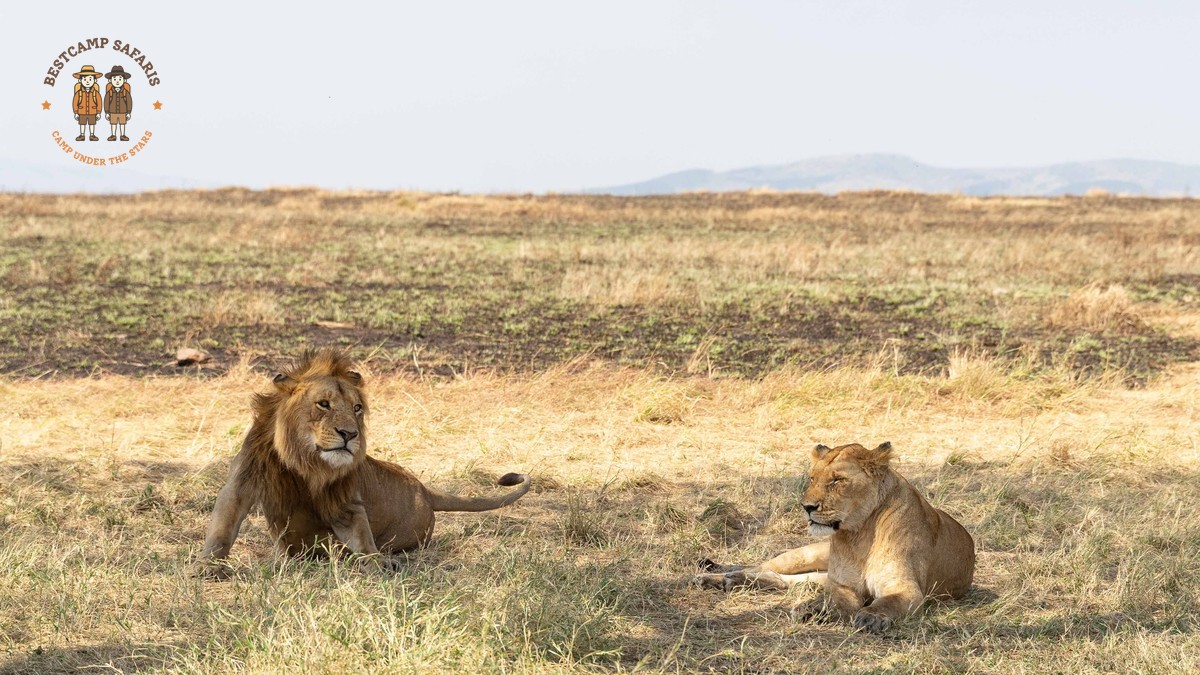
The term has nothing to do with size or rarity in the way people assume. Nineteenth-century big-game hunters coined “Big Five” to describe the five animals hardest and most dangerous to hunt on foot: lion, leopard, elephant, African buffalo, and black rhino. A trophy from any of these meant real risk, since all five could kill a hunter who got too close.
Safari operators picked up the phrase in the 1980s and 1990s as hunting gave way to photographic tourism. The animals stayed the same. Only the rifles changed to cameras. Today “Big Five” is a marketing and checklist term, not a scientific grouping, and it still shapes how most itineraries get built.
What Is a “Big Cat,” Really?
Zoologists reserve “big cat” for species in the genus Panthera, plus the cheetah and cougar in looser popular usage. In Africa, that means lion and leopard fall under the strict Panthera definition, while cheetah, serval, and caracal get grouped in casually by size and predatory habit even though they belong to different genera entirely.
On safari, guides use “big cats” more loosely to mean any of the impressive wild cats you might spot from a vehicle: lion, leopard, cheetah, serval, and caracal. That’s the definition we’ll use here, since it matches what travelers actually mean when they ask “will we see big cats?”
Big Five vs. Big Cats Explained: The Side-by-Side
Here’s the table that most safari guides never quite spell out.
| Animal | Big Five? | Big Cat? | Family/Genus | Kenya Sighting Difficulty |
|---|---|---|---|---|
| Lion | Yes | Yes | Panthera leo | Easy to moderate |
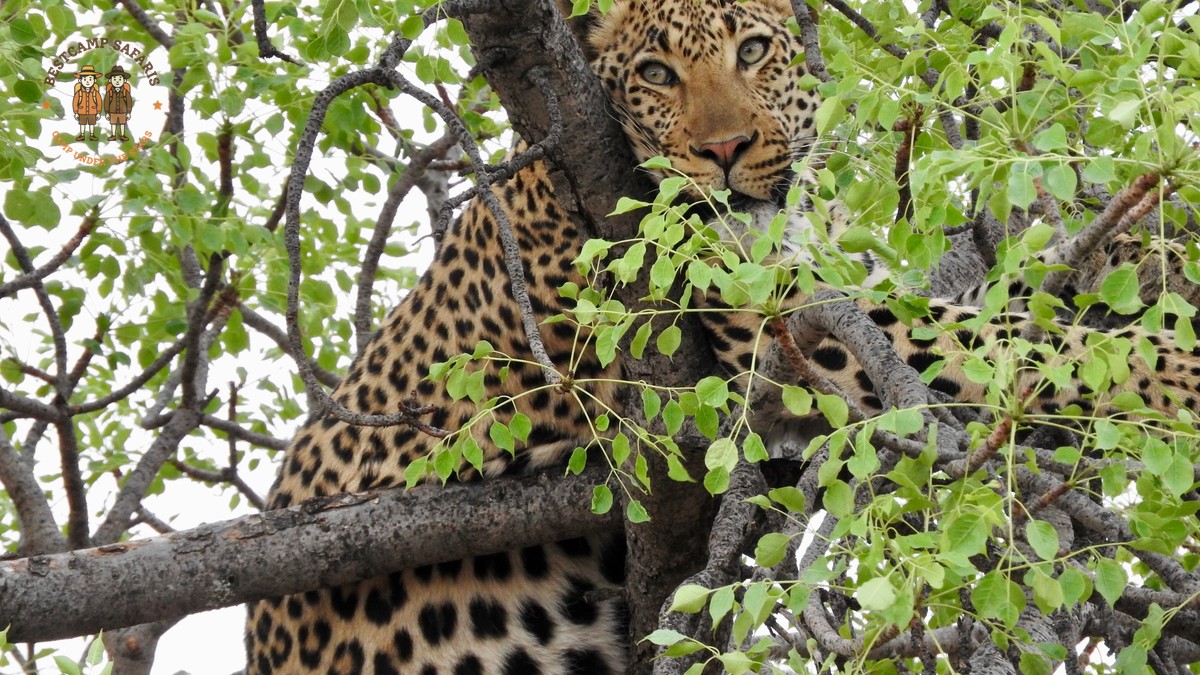
| Leopard | Yes | Yes | Panthera pardus | Hard |
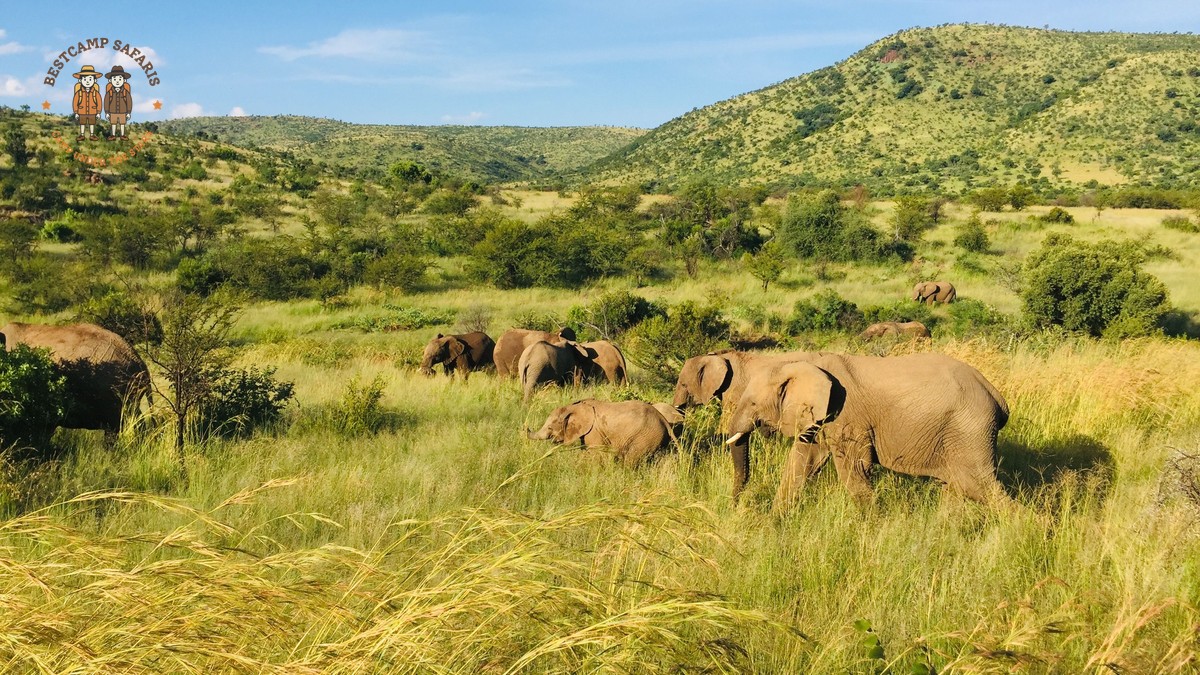
| Elephant | Yes | No | Loxodonta africana | Easy |
| Black Rhino | Yes | No | Diceros bicornis | Hard |
| Cape Buffalo | Yes | No | Syncerus caffer | Easy |
| Cheetah | No | Yes | Acinonyx jubatus | Moderate |
| Serval | No | Yes | Leptailurus serval | Hard |
| Caracal | No | Yes | Caracal caracal | Very hard |
Only lion and leopard sit in both columns. If you’re chasing a full “big cats” experience, three of the five species that matter to you aren’t on the Big Five checklist at all, and two Big Five members, elephant and buffalo, aren’t cats by any definition.
Why Cheetah, Serval, and Caracal Got Left Off the List
This is the question we hear most from first-timers. The Big Five was never about which animals impressed hunters most. It was about which ones were most dangerous to hunt on foot. A cheetah will outrun you, not charge you. A serval and caracal are shy, nocturnal, and rarely a threat to a person carrying a rifle. None of the three made the original list because none of them fit the criteria that built it.
That’s a strange legacy to carry into 2026, when most travelers care far more about behavior and beauty than danger. If cats are your priority, checking spotting servals and caracals before you plan your route matters more than checking the Big Five box.
Beyond Five: Other Groupings Worth Knowing
Safari marketing has multiplied well past the original five. The Big Seven adds great white shark and southern right whale for coastal South Africa itineraries, not relevant to a Kenya safari. The Small Five pairs each Big Five name with a smaller lookalike: elephant shrew, red-billed buffalo weaver, leopard tortoise, ant lion, and rhino beetle, a fun scavenger hunt for kids on a game drive. Some Kenya-specific lodges now promote a Big Nine, folding in cheetah, giraffe, hippo, and zebra alongside the original five. If you want the full rundown, the extended Big Nine list breaks down where that term came from and whether it’s worth chasing.
Sighting Odds: Which Animals Are Actually Hard to Find
Elephant and buffalo show up on nearly every multi-day Mara or Amboseli itinerary. Lion sightings are close behind, especially in the Mara Triangle and Naboisho Conservancy, where prides are well tracked by resident guides.
Leopard and black rhino are the two genuine Big Five challenges. Leopards are solitary and hunt mostly at dawn, dusk, and after dark, so a lot comes down to luck and a sharp-eyed tracker. Black rhino numbers are recovering but still low outside a handful of protected conservancies, which is why Lewa Wildlife Conservancy and neighboring Borana Conservancy in Laikipia exist as rhino strongholds.
Cheetah sightings run moderate, best in open grassland like the Mara Triangle or Ol Pejeta Conservancy. Serval and caracal are the hardest of all eight animals on this list, mostly nocturnal and easy to miss even for guides who’ve worked an area for a decade. For a realistic look at your actual odds across a typical trip length, we’ve laid out real odds of spotting all five in detail.
Where to Go: Cats vs. Big Five Completeness
This is the trade-off nobody spells out clearly enough. Chasing all five checklist animals, including rhino, and chasing a strong big-cat experience aren’t always the same trip.
| Region | Best For | Approx. Distance from Nairobi | Typical Drive Time | Entry Fee (non-resident) |
|---|---|---|---|---|
| Masai Mara National Reserve | Lion, cheetah, leopard density | 270 km | 5 to 6 hours by road | USD 100/day (Jan-Jun), USD 200/day (Jul-Dec) |
| Mara North / Naboisho Conservancy | Cat sightings, lower vehicle density | 275 km | 5 to 6 hours by road | USD 80-150/person/night, bundled into lodge rates |
| Lewa Wildlife Conservancy (Laikipia) | Black rhino, Big Five completeness | 220 km | 4 to 5 hours by road | Indicative USD 90-120/day, confirm with lodge |
| Borana Conservancy (Laikipia) | Rhino, elephant, Big Five runs | 230 km | 4.5 to 5 hours by road | Indicative USD 90-120/day, confirm with lodge |
| Amboseli National Park | Elephant herds, Kilimanjaro backdrop | 240 km | 4 to 5 hours by road | USD 90/day |
If cats are the priority, Laikipia’s private conservancies and the Mara conservancies outside the main reserve give you lower vehicle counts and guides who track individual cats daily. If completing the Big Five, rhino included, is the goal, Lewa and Borana in Laikipia are built around exactly that, with tracking teams dedicated to the resident rhino population.
Best Time to See Each Group
The dry seasons, late June through October and January through February, bring animals to permanent water sources and thin out the bush, which helps with every sighting. July through October also overlaps the wildebeest migration in the Mara, when predator activity spikes as lion and cheetah follow the herds. Rhino tracking works year-round in Laikipia since it depends on dedicated ranger teams rather than seasonal movement.
The BestCamp Safaris Difference
We build itineraries around what you actually want to see, not just a checklist. If you tell us cats matter more than a full Big Five sweep, we’ll route you through Naboisho and Laikipia’s private conservancies instead of stacking reserve time you don’t need. Our guides know the difference between a lion sighting and a serval sighting well enough to set honest expectations before you leave camp each morning, not after. And because we run mobile tented camps, not fixed lodges, we can shift camp toward wherever the cats or the migration actually are that week, rather than keeping you tied to one concession for the whole trip.
FAQ
What is the difference between the Big Five and big cats? The Big Five is a hunting-era term for five dangerous animals: lion, leopard, elephant, rhino, and buffalo. Big cats is a looser category covering lion, leopard, cheetah, serval, and caracal.
Are all Big Five animals cats? No. Only lion and leopard are cats. Elephant, buffalo, and rhino are not.
Is a cheetah part of the Big Five? No. Cheetahs were left off because they weren’t considered dangerous to hunt on foot.
Are serval and caracal considered big cats? Colloquially, yes, though neither belongs to the Panthera genus that defines big cats zoologically.
Can you see all of the Big Five on one Kenya safari? Yes, particularly across a Mara and Laikipia combination trip, though rhino and leopard sightings are never guaranteed.
What’s the difference between the Big Five and “big game”? Big game is a broader hunting term covering any large wild animal pursued for sport, including antelope and hippo. The Big Five is a specific five-species subset of that category.
Ready to Plan Your Trip?
Whether you’re after a full Big Five run through Laikipia or a cat-focused stay in the Mara conservancies, we’ll help you pick the route that matches what you actually want to see. Visit our Kenya safari trip page to start planning, or reach out through our contact page with your travel dates.


