 Adventure Tours
You’ve already done the classic Mara circuit. Sundowners on the escarpment, a lodge deck overlooking the river, maybe a lion kill from the safety of a Land Cruiser roof. So when someone mentions the big nine safari animals kenya list, you’re right to ask what’s actually new here, and where you’d need to go to see it.
I’ve woken up in a mobile tented camp in Laikipia at 5am, canvas walls cold and damp, listening to the crew quietly stacking chairs before a bush breakfast. That’s where this list starts making sense. The Big Nine isn’t a longer checklist for the Mara. It’s a reason to string together parks you may not have used yet: Samburu, Meru, Laikipia’s conservancies, and the volcanic slopes of Chyulu Hills.
What Is the Big Five, Really?
The term didn’t start as a marketing list. Big-game hunters in the colonial era coined “Big Five” for the five animals considered most dangerous to hunt on foot: lion, African elephant, black rhino, leopard, and Cape buffalo. Guides still use it, but now it describes difficulty of sighting, not danger of the hunt.
Big Nine Safari Animals Kenya: What’s Included?
The Big Nine takes those five and adds four more animals that tourists ask about constantly: cheetah, giraffe, hippo, and plains zebra. It’s a newer, informal term, built by tour operators and guides rather than any wildlife authority. There’s no official body that certifies it, which is exactly why the definition varies slightly between blogs.
The Nine, One by One
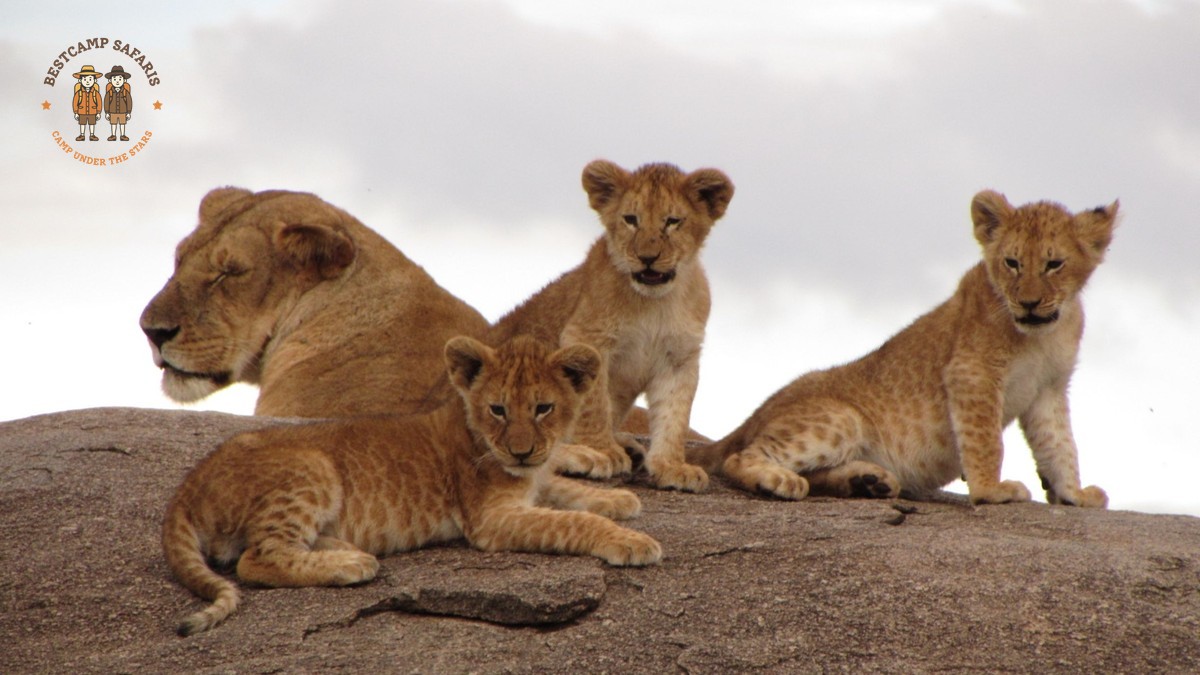
Lion. Kenya holds an estimated 2,500 lions, with the Mara-Serengeti ecosystem carrying some of the highest density in Africa.
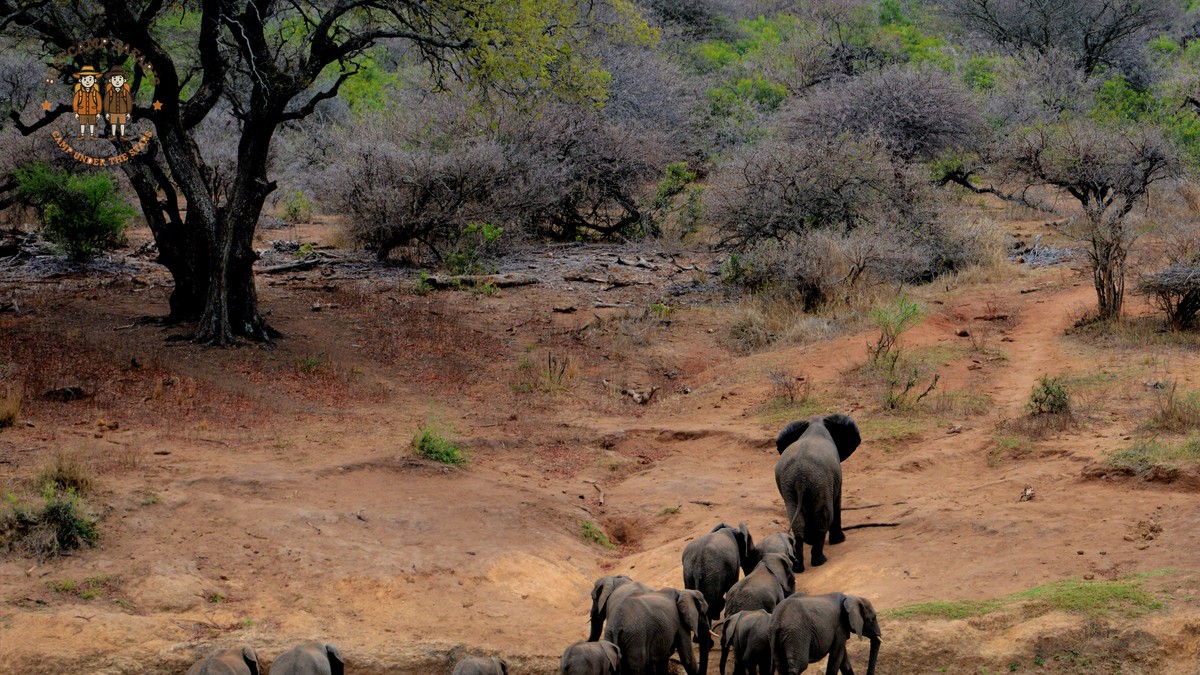
African elephant. Adult bulls can weigh over 6,000 kg. Amboseli and Samburu both have well-studied, long-term elephant families that guides can often identify by name.
Black rhino. Critically endangered, with fewer than 1,000 individuals in Kenya. Most live inside fenced, guarded sanctuaries like Lewa and Borana.
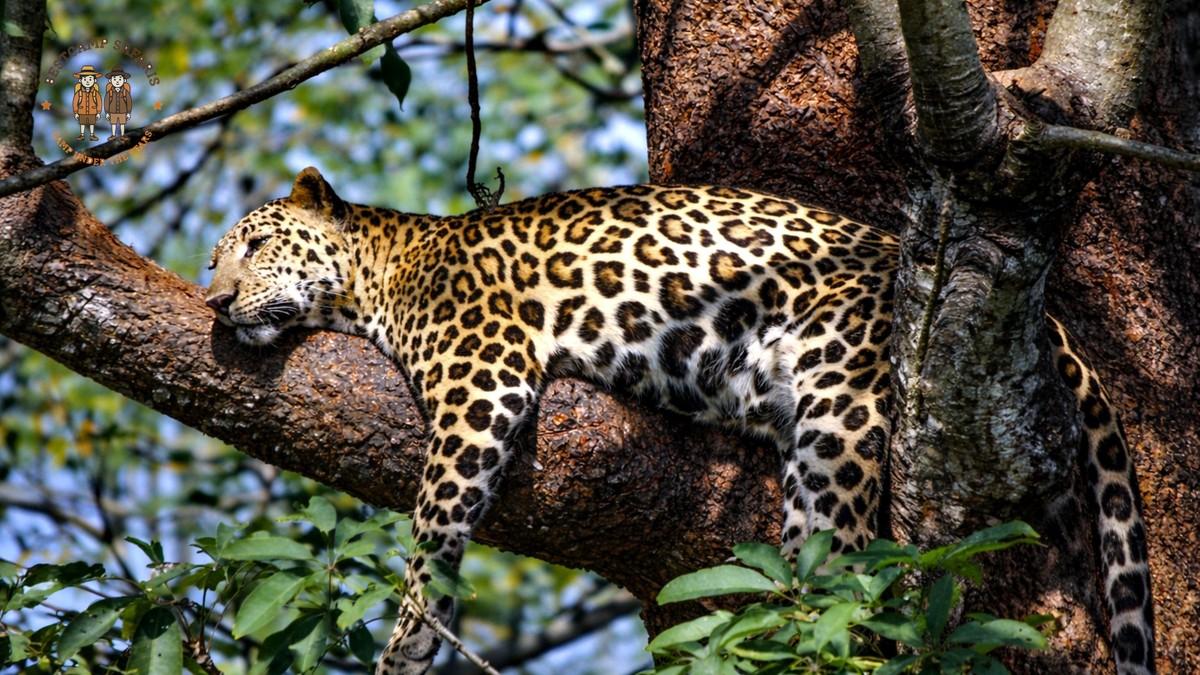
Leopard. Solitary and mostly nocturnal. Even experienced guides rate a daylight leopard sighting as genuine luck.
Cape buffalo. Herds in Meru and the Mara can run into the hundreds. They’re responsible for more guide close-calls than any other animal on this list.
Cheetah. Kenya’s population sits around 1,000, concentrated in open grassland where they can hit their top speed, close to 100 km/h in short bursts.
Giraffe. Kenya hosts three species: reticulated giraffe in the north, Masai giraffe in the south, and small Rothschild’s populations near Lake Nakuru.
Hippo. Look for pods in the Mara River, the Ewaso Nyiro in Samburu, and the Tana River near Meru. They kill more people in Africa each year than lions do.
Zebra. Here’s where the Big Nine gets interesting. Plains zebra fill the Mara in their thousands. Grevy’s zebra, larger, narrower-striped, and endangered with roughly 2,000 left in the wild, live almost entirely in the drier north.
Why the Big Nine List Exists
Tour operators built this list because visitors kept asking about cheetah, giraffe, hippo, and zebra anyway, animals that show up in nearly every safari photo but never made the original hunting-era five. It also nudges people toward conservancies that protect species the Big Five ignores, like the Grevy’s zebra, without official recognition or a governing body behind the term.
Where to Actually See the Big Nine in Kenya
Here’s the part most blogs skip. No single reserve reliably delivers all nine animals in one visit. The Mara is strong on lion, cheetah, buffalo, and plains zebra, but it has no Grevy’s zebra and thin rhino numbers. If you want the real odds on the classic five, our guide to the real odds of spotting the Big Five is worth reading before you set expectations for nine.
To get all nine, you need to combine parks. This table shows where we actually send repeat guests, and what it costs to enter.
| Park or Conservancy | Strong for (Big Nine) | Distance/Flight from Nairobi | Non-Resident Fee |
|---|---|---|---|
| Masai Mara National Reserve | Lion, cheetah, buffalo, plains zebra | 270 km road, or 45-min flight to Ol Kiombo | USD 100/day (Jan-Jun), USD 200/day (Jul-Dec) |
| Buffalo Springs / Samburu Reserve | Grevy’s zebra, elephant, leopard | 345 km road, or 40-min flight to Samburu airstrip | Indicative USD 70-100/day (county reserve, not KWS) |
| Borana Conservancy, Laikipia | Black rhino, elephant, buffalo | 200 km road, or 35-min flight to Nanyuki | Indicative USD 100-150/night, bundled into camp rate |
| Amboseli National Park | Elephant, giraffe, buffalo | 240 km road, or 45-min flight | USD 90/day |
| Meru National Park | Buffalo, hippo, elephant, Grevy’s zebra | 280 km road, or 45-min flight | Indicative USD 65-75/day |
| Chyulu Hills National Park | Giraffe, buffalo, transiting elephant | 250 km road, or 40-min flight via Amboseli | USD 40/day |
Buffalo Springs is the one most repeat visitors haven’t done. It’s home to the rare Grevy’s zebra, the species you almost certainly missed on your Mara trip. For the black rhino, Borana runs guided tracking on foot with an armed ranger, and we cover exactly how that works in our piece on rhino tracking in Borana Conservancy.
A Realistic Itinerary
For guests who’ve already done a Mara lodge stay, we usually build something like this over 8 to 9 days: two nights in Samburu or Buffalo Springs for Grevy’s zebra and desert elephant, three nights in Laikipia (Borana or a neighboring conservancy) for rhino tracking and buffalo, then three nights in a Mara conservancy like Naboisho or Mara North for lion, cheetah, and plains zebra. Naboisho and Mara North run roughly USD 80-150 per person per night, bundled into the camp rate rather than paid separately at a gate.
That itinerary gets you eight of the nine reliably. Hippo is the wildcard. You’ll likely see them in the Ewaso Nyiro at Samburu or the Mara River, but pod locations shift with water levels, so nothing about hippo is guaranteed on a fixed schedule.
Tips for Spotting All Nine
Go out at first light and again near dusk, when cats and elephants move most. Ask your guide to radio other vehicles, since sightings get shared across camps in real time. Budget extra nights rather than extra game drives per day. A fifth morning in Laikipia beats two rushed drives squeezed into three nights.
The BestCamp Safaris Difference
We don’t sell the Big Nine as a guarantee, because nobody honestly can. What we do instead is build the route around named camps we’ve actually stayed in, not a marketing map. Our guides know which Borana rangers lead the best rhino tracks, which Samburu waterhole draws Grevy’s zebra at sunrise, and when Chyulu Hills camps break down a fly-camp so quietly you’d sleep through it. We tell you the odds before you book, not after you’re disappointed at a gate.
Plan Your Big Nine Safari
If you’ve already seen the Mara from a lodge deck, it’s time to see what Samburu, Laikipia, and Chyulu Hills add to the list. Visit our Kenya safaris page to start building a route around the animals you haven’t found yet.


