 Adventure Tours
Chyulu Hills fly camping sits somewhere between an easy lodge stay and a self-sufficient trek. It is the kind of camping safari where the camp itself is the destination. You sleep in canvas under volcanic hills, but a team handles dinner, showers, and security. If you have already done lodge safaris in the Mara, this is the kind of trip you plan next. This chyulu hills fly camp guide covers the two camps worth booking, what a night really costs, and how to get the logistics right.
What is fly camping in the Chyulu Hills actually like?
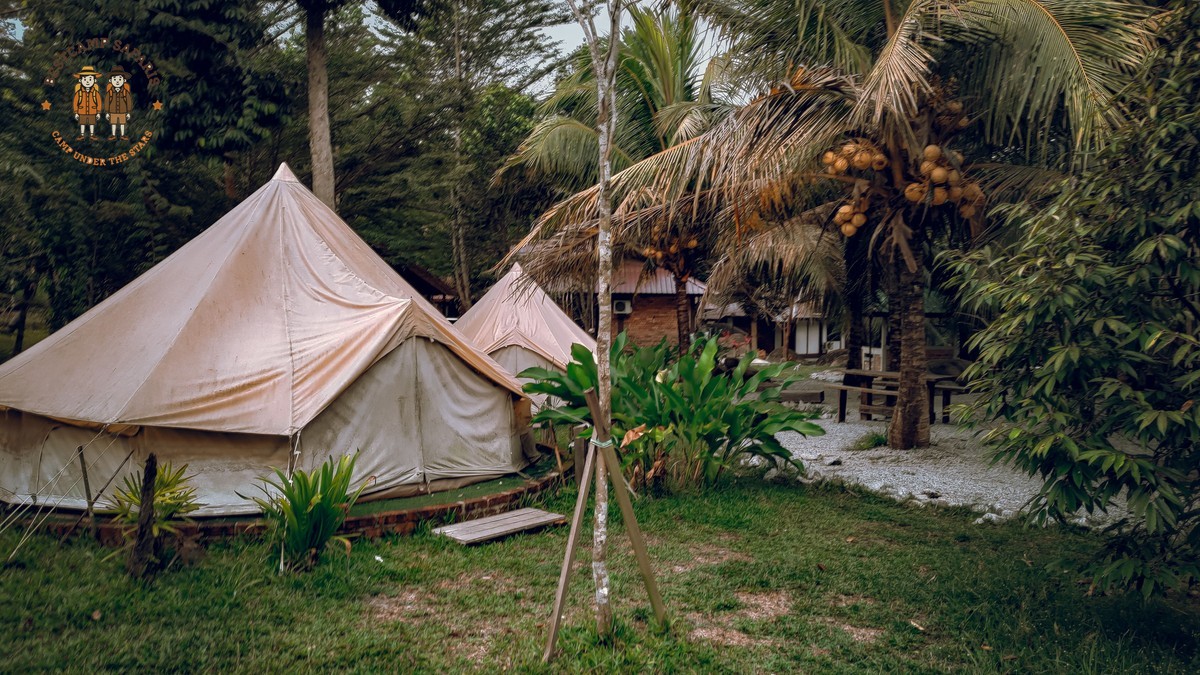
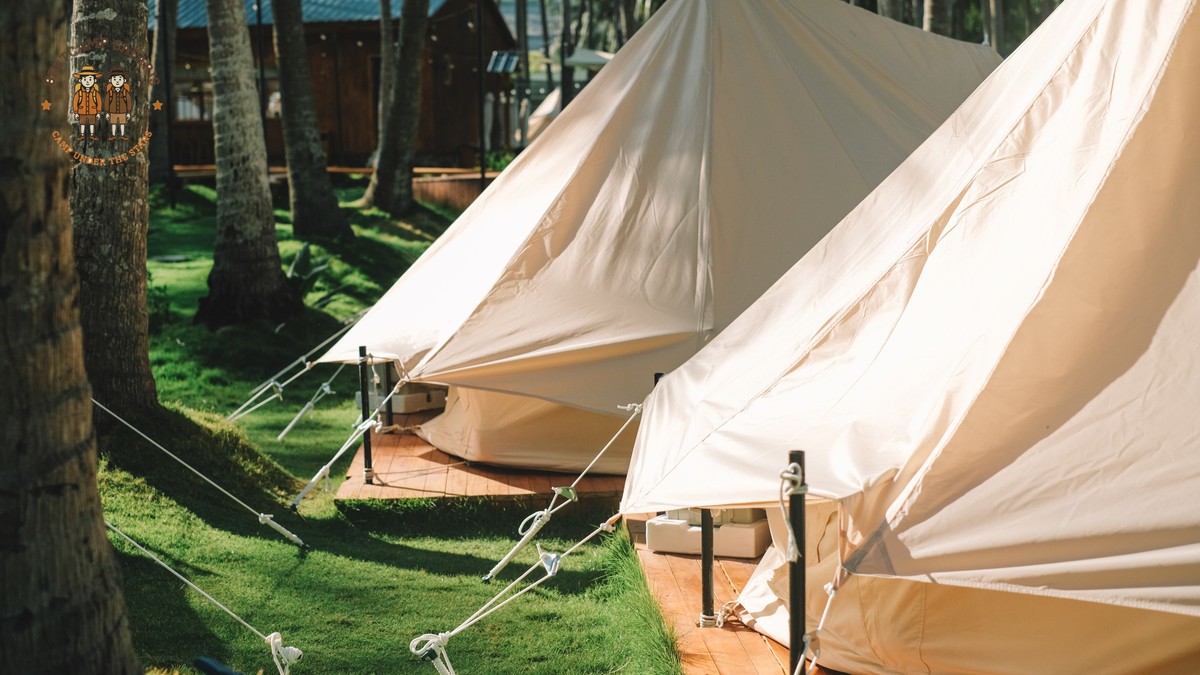
Chyulu Hills fly camping means sleeping in a lightweight canvas tent at a temporary wilderness site. You normally have a real bed, a bucket shower, a long-drop toilet, campfire meals, and a support crew that moves camp along a walking route. Expect a quiet, low-connectivity experience focused on volcanic scenery, caves, wildlife, and open views toward Kilimanjaro. For a first-timer, this is a camping safari with the lodge removed, not a rough bivouac.
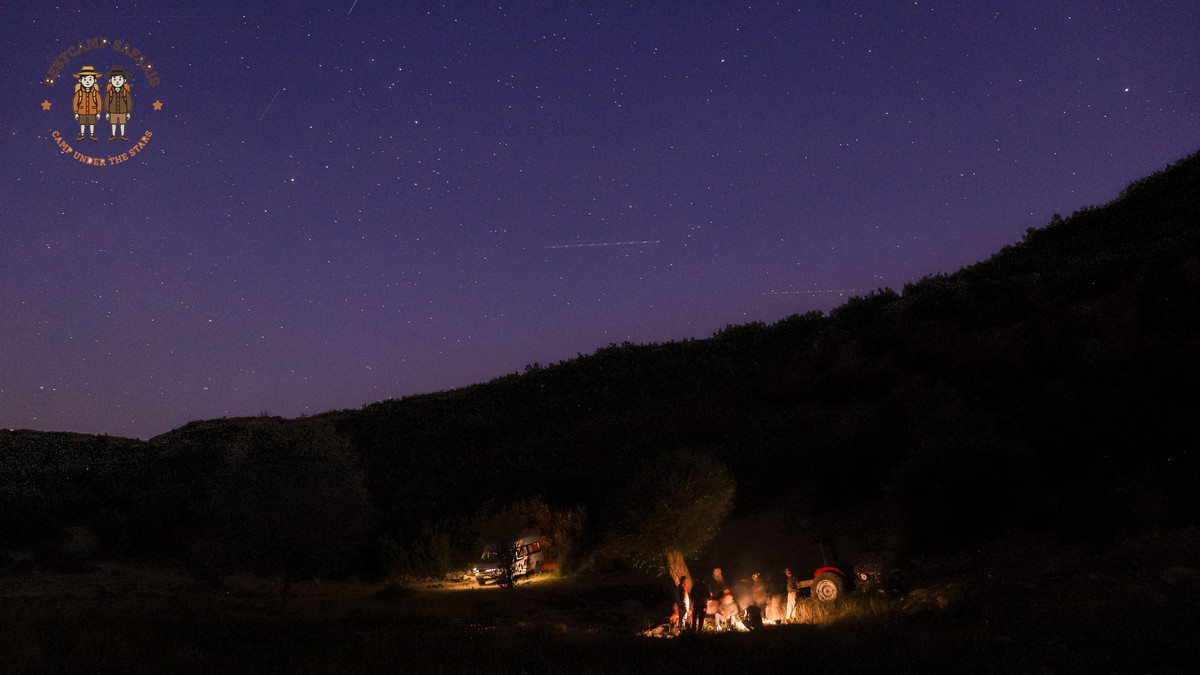
The day moves at walking pace. You follow a ridge while Maasai guides read tracks ahead. The crew appears with canvas and cooking boxes before you reach the new spot. At night a lantern sits on the table, and the dark sits very close beyond the firelight. I have slept in enough temporary camps to know that small details matter. The ground under a camp bed feels harder at 3am, and canvas sounds loud when wind moves across the slope. By 5am, the bush breakfast is already being packed, and the next part of the route is set.
For first-time fly campers, these details are the point. You are not missing a lodge. The team does the heavy work; you stay focused on the walk. If you want more detail on the routine, read what sleeping under the stars at a fly camp is like.
Which camps and operators should you choose in the Chyulu Hills?
The two most relevant luxury bases are Campi ya Kanzi and ol Donyo Lodge. Campi ya Kanzi is the stronger choice for a dedicated, Maasai-owned-conservancy fly-camp experience. ol Donyo suits travelers who want a polished lodge, star beds, and fly camping as an add-on. Neither is a casual walk-in booking.
Campi ya Kanzi sits on the Kuku Group Ranch at the edge of the range. Its Maasai guides run walking safaris as core business, so the fly camp feels less like a special event. You arrive at the main camp, take a briefing, and depart on foot with a guide and support porter. The night camp is a tent in the open bush, not a second lodge. This is the place to book if you want the fly camp itself to lead the itinerary.
ol Donyo is more polished. Suites have views of the hills, meals are long, and nights at a fly camp are planned as one dramatic pause. If you prefer a soft afternoon by the pool and one night of adventure, ol Donyo will feel more balanced.
Both camps work with BestCamp Safaris and confirm whether a conservancy fee or park fee applies. Ask about exclusive use of the fly-camp site, because that affects privacy. Before choosing, compare the trade-offs in how to choose a Kenya fly camp.
How much does a Chyulu Hills fly camp cost?
Indicative current-season rates run about $700-$950 per person sharing per night at Campi ya Kanzi. ol Donyo Lodge runs closer to $900-$1,200. Add an estimated $150-$250 fly-camping supplement. Conservancy fees on the group ranches can add $80-$100 per person per night. A national-park visit adds USD 40 per adult per day.
Those numbers are planning baselines, not fixed quotes. Ask what is included. Many rates cover meals and scheduled activities. Drinks, laundry, park fees, and the fly-camp supplement often land outside the headline rate. The supplement pays for the walking crew, extra tents, food transport, and moving camp. It rarely disappears from the final bill.
Chyulu Hills National Park is separate. Its non-resident entry fee is USD 40 per adult per day. Most camps use group-ranch land, not the national park. A cave walk may cross into the park, so confirm current fees with your operator.
| Option | Style | Indicative cost per night |
|---|---|---|
| Campi ya Kanzi | Walking and fly camp focus, Maasai-guided | $700-$950 per person |
| ol Donyo Lodge | Lodge-first trip, star beds available | $900-$1,200 per person |
| Chyulu Hills National Park | KWS day fee if you enter the park | $40 per adult per day |
| Fly-camp supplement | Walking crew, extra canvas, and setup | $150-$250 per person |
How do you get to the Chyulu Hills and plan the route?
The fastest route is a charter from Nairobi’s Wilson Airport. It takes roughly 45 to 60 minutes to an airstrip near the selected camp. Driving from Nairobi is longer but possible. Common road distances are about 210 to 250 kilometres. Reserve in advance because vehicles, guides, porters, supplies, and camp setup must be coordinated.
Most quotes arrange the charter as part of the package. If they do not, ask for a transfer cost in writing. On arrival, the camp vehicle meets you at the airstrip for the final drive. Road driving is doable in a 4×4. Allow most of the day once you add stops, ranch gates, and wildlife crossings.
Plan at least two clear nights if the fly camp is the point. The crew needs one full day to move ahead while you walk. If you like the Chyulu idea but want to compare another habitat, read our Loisaba fly camping guide.
What do you do on a Chyulu Hills fly camp?
The signature activities are guided ridge walks, visits to Leviathan or Kisula cave systems, wildlife tracking, and sunrise or sunset viewpoints facing Mount Kilimanjaro. A two- or three-night plan allows one fly-camp night plus lodge-based game drives or another guided activity.
Leviathan Cave is the most famous reason to walk here. You enter a lava tube through a low opening, and the temperature drops. Guides carry lamps and explain the basalt shapes. A two-hour return trip suits most walkers. Longer visits need more time and better shoes.
Wildlife watching on Chyulu is different from the Mara. You track elephant, buffalo, eland, and plains game moving between Amboseli and Tsavo. Predators are present but less visible, so the guides read prints, dung, and alarm calls rather than lines of safari vehicles.
Clear Kilimanjaro views appear along the western side of the range. Dawn is the cleanest window. The mountain sits above the clouds, with the Amboseli or Tsavo plains below.
What is the best time to visit, and what should you pack?
The clearest and easiest months are generally late June through October and January through March. April and May bring heavier rain, muddy roads, and possible seasonal suspension or relocation of fly-camp sites. Carry warm layers, closed walking shoes, a headlamp, insect protection, and a power bank because charging at the remote camp is limited.
Daytime feels warm, but nights can sit close to ten degrees Celsius. Bring a fleece for the dawn wake-up. Long trousers protect against thorn scrub and insects. A hat and sunscreen matter as much as a rain shell. The short rains usually arrive in November and early December. Some camps still run then, but confirm road conditions before adding a fly-camp night.
Ask your camp for the exact charter bag limit before packing. Keep a compact daypack for the cave walks, and leave the wheeled suitcase behind.
Is a Chyulu Hills fly camp safe, connected, and comfortable?
Chyulu Hills fly camping is comfortable but deliberately simple. Expect proper meals, a temporary bathroom, limited hot-water arrangements, no reliable Wi-Fi, and weak or absent phone signal. An armed ranger normally provides overnight security, and guests receive a tent and wildlife briefing.
The camp is not fenced. After dark, you walk only with a guide. Guests are told to unzip the tent only when escorted to the bathroom. That rule sounds strict until a buffalo moves through camp at night. The crew sees it first and stays quiet. You stay in the tent.
Hot water works best at the main lodge. At the remote camp, a bucket shower is the standard. Long-drop toilets are screened and kept clean. Charging is limited, so a power bank is essential. Phone signal is weak or absent. Some slopes catch a network, but do not rely on it.
The BestCamp Safaris Difference
The BestCamp Safaris Difference shows in planning before the tent goes up. We build a Chyulu Hills camping safari around your fitness, your comfort with rustic nights, and the exact camps that keep good crews. When BestCamp Safaris sends a proposal, it names the camp, the fly-camp supplement, the conservancy fee, and the route. You will not receive generic lodge names pasted into an email. A BestCamp Safaris consultant has slept on these sites, not only read reports, so you get a straight answer about whether one night is enough, or two.
What Are the Frequently Asked Questions About This Chyulu Hills Fly Camp Guide?
Is fly camping in Chyulu Hills safe at night?
Yes. Professionally operated fly camps use an armed ranger and give a clear after-dark plan. Stay inside the tent unless escorted, and follow the guide’s wildlife briefing.
How many nights should I plan for Chyulu Hills fly camping?
Plan for two or three nights in the Chyulu Hills. That allows one fly-camp night, guided walks or cave exploration, and some game drives. One night works if you only want the experience, but it feels rushed.
Do I need a guide or can I go independently?
Book with a guide and support team. Operators coordinate vehicles, porters, food, security, and camp setup. Independent walk-in access is not practical.
Is there phone signal or Wi-Fi at a Chyulu Hills fly camp?
No reliable Wi-Fi is available at the remote site. Phone signal is weak or absent. Charge your devices at the main lodge and bring a power bank.
How much does Chyulu Hills fly camping cost?
Indicative lodge rates range between $700 and $1,200 per person sharing per night. Fly-camp supplements run $150 to $250 per night. Conservancy and possible national-park fees may be extra.
Ready to plan your Chyulu Hills fly camp with BestCamp Safaris?
BestCamp Safaris can check current fly-camp availability at Campi ya Kanzi or ol Donyo. We also match fly-camp nights to the season, road conditions, and your walking ability. Camps hold only a few canvas tents, and dry-season nights book out early. If you want a Chyulu Hills camping safari soon, start planning now. Reach out to BestCamp Safaris for a route and a clear price sheet.


