
 Adventure Tours
Chyulu Hills sits in southeast Kenya, between Amboseli and Tsavo West. The green volcanic ridge rises sharply from dry plains. Walking is the way to read this landscape. Kilimanjaro stands on the southern horizon. This Chyulu Hills walking safari guide compares the best walking camps, daily price ranges, seasons and transport so you can make a plan.
What is a Chyulu Hills walking safari?
A Chyulu Hills walking safari is a guided hike through volcanic hills, acacia woodland, grassland and cloud forest. It usually happens on private conservancies bordering the national park. Walks commonly last two to four hours from a fixed camp. Guests who want more can choose longer hikes, fly-camping moves, horseback routes or cave excursions.
On foot, you notice what a vehicle masks. You read an elephant track, learn why a tree is stripped, and hear how quiet the bush can be. A walking day ends with a cold drink and a warm meal, usually under canvas.
Where can you walk in the Chyulu Hills?
Most serious walking takes place on private conservancies and lodge concessions. They adjoin Chyulu Hills National Park around Mbirikani, Kuku, Ol Donyo and Campi ya Kanzi. These areas allow guided walking with Maasai guides or armed rangers. Access inside the national park follows stricter regulations.
Can you walk in Chyulu Hills National Park itself? Yes, with an arranged guide and vehicle support. Entry costs USD 40 per adult per day for non residents. Most walking days in Chyulu start from community land, then cross into park sections when the route allows. Confirm which segments are inside the park before booking.
How much does a Chyulu Hills walking safari cost?
Budget approximately USD 450 to USD 800 per person per day for a fixed luxury camp in Chyulu Hills. The rate may include accommodation, meals, guiding and selected activities. Flights, transfers, park or conservancy fees, drinks, private vehicles and premium excursions often cost extra. Ask for an itemised quotation.
The wide range depends on camp style, season and number of guests. A two-person trip sharing a tented room comes out lower per head than a solo trip.
Private conservancy access, when listed separately, runs roughly USD 80 to USD 150 per person per night. It is not lower. Chyulu Hills National Park entry adds USD 40 per adult per day if your walk crosses the park.
Laikipia is another strong walking area. Compare our walking safari costs in Laikipia guide against these Chyulu figures before you decide.
What is the best time to visit Chyulu Hills?
June to October is the most reliable period for walking. Trails are firmer, grass is shorter and animal tracks are easier to read. January and February offer another dry-season window and clear Kilimanjaro visibility. In the green season, you trade some wet trail conditions for lush scenery and fewer visitors.
If you want to focus on walking, book June to October. If you want to photograph Kilimanjaro at sunrise and do not mind occasional rain, late May or November works. Ask your camp about trail conditions before you pay the deposit.
What wildlife and landscapes can you see on foot?
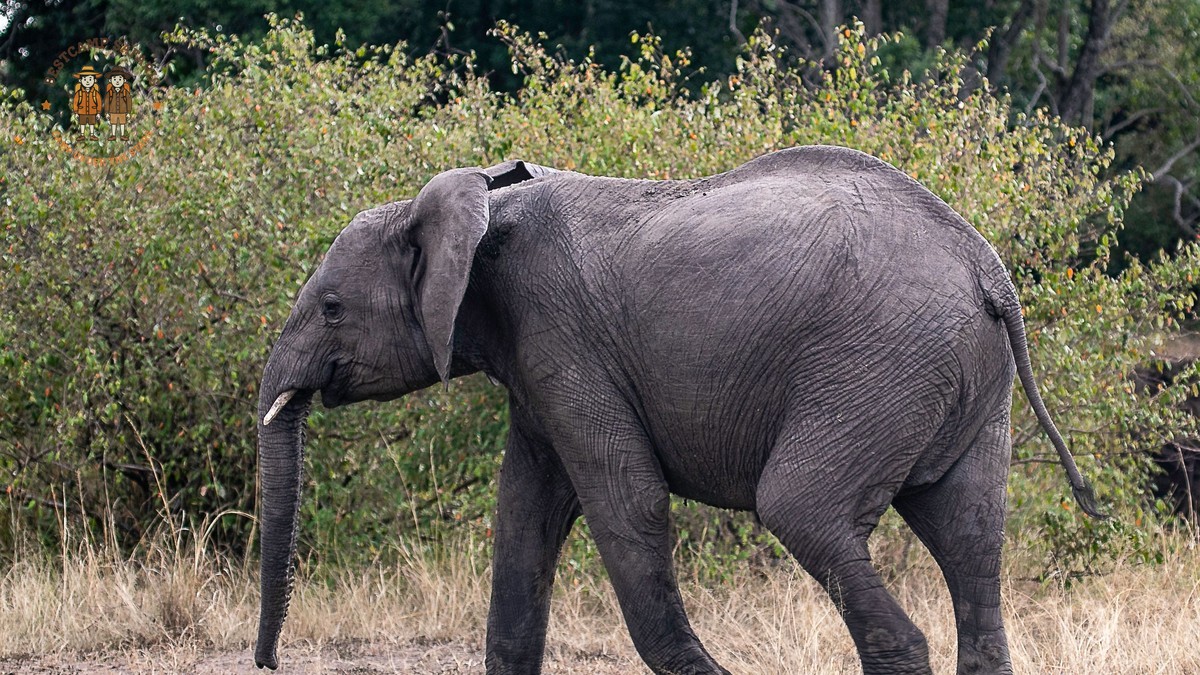
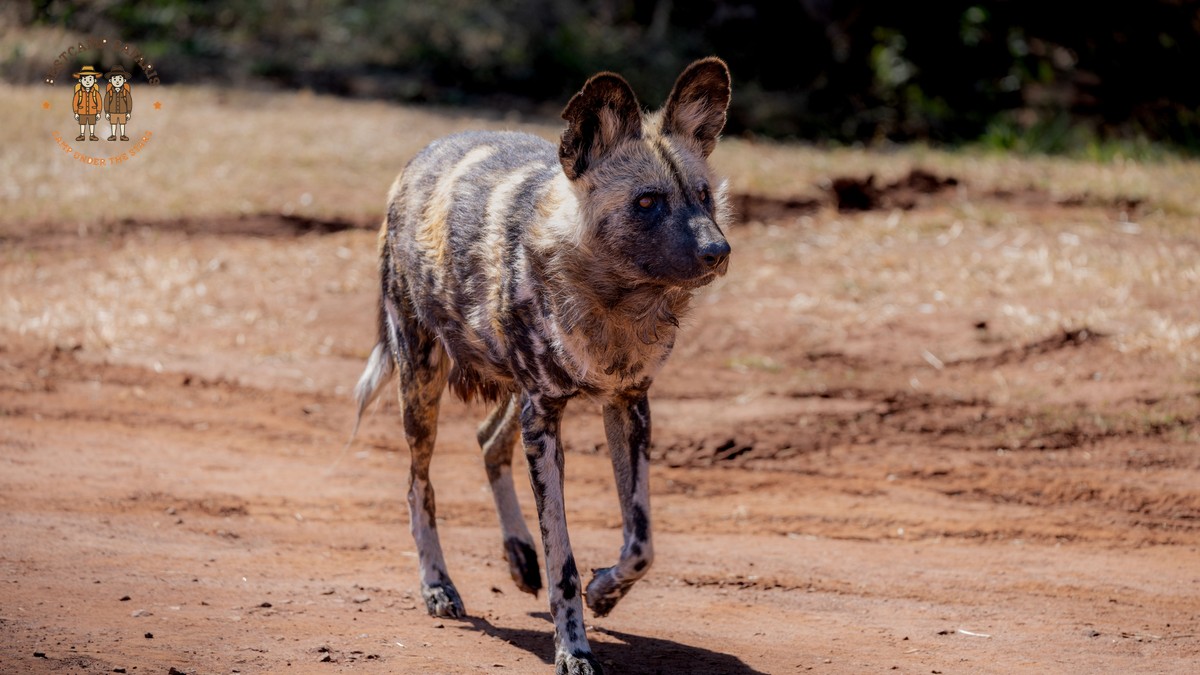
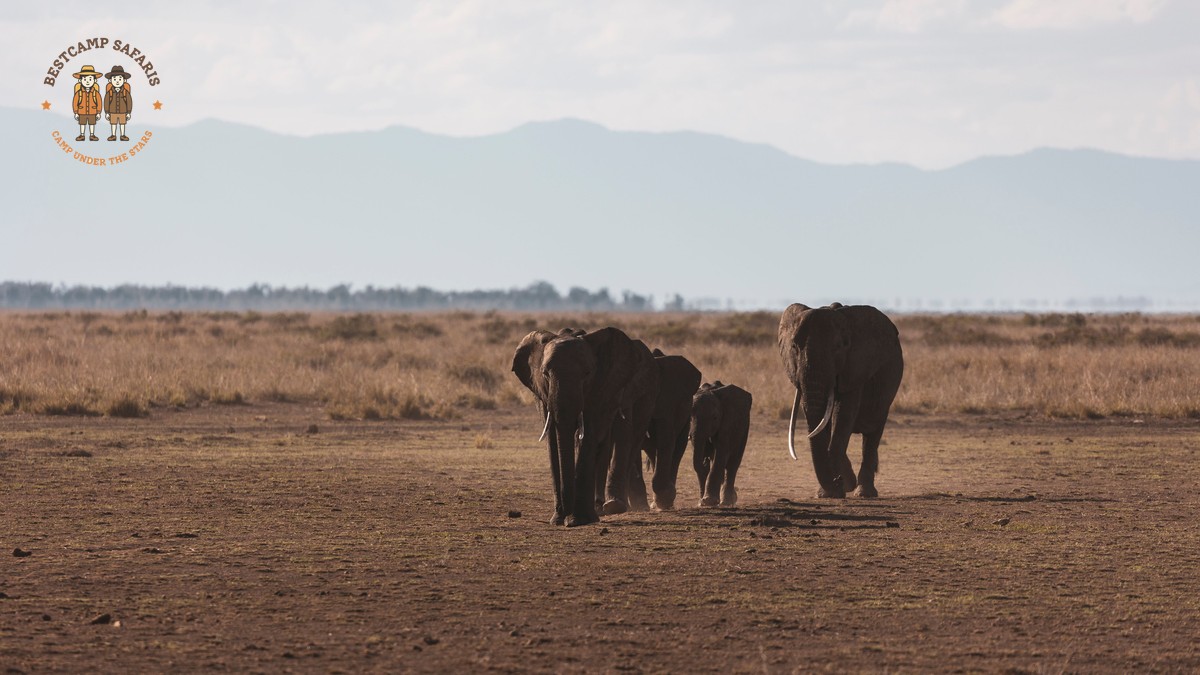
A walking safari can reveal elephant tracks, buffalo, giraffe, zebra, antelope, birds, medicinal plants, volcanic formations and changing ecosystems more clearly than a vehicle drive. Predators are present, but sightings are not guaranteed.
In Chyulu, the landscape climbs from savanna into acacia woodland and then cloud forest. The loose volcanic soil holds tracks all day. A good guide can find fresh elephant spoor, point out buffalo wallows, and explain how Maasai use the plants. Carry binoculars and keep your expectations flexible.
How does this Chyulu Hills walking safari guide compare the best camps?
Ol Donyo suits travellers seeking a high-end lodge base with guided walks, horseback riding and dramatic hill views. Campi ya Kanzi is a strong choice for Maasai-led walking and access to the cloud forest. Mobile camps suit guests who want longer point-to-point wilderness days.
The table below is based on current fixed-camp benchmarks for a camping safari. All three are private-land bases on the Chyulu footslopes.
| Feature | Ol Donyo walking safari | Campi ya Kanzi walking safari | Mobile fly-camp |
|---|---|---|---|
| Base and setting | High-end lodge on Mbirikani Group Ranch | Maasai-run eco camp on Kuku Group Ranch | Lightweight tented camp moved by vehicle or porter |
| Daily walking | 2-4 hour guided walks, horse riding, cave visits | Maasai-led bush walks, cloud forest hike, cave excursions | 4-6 hour point-to-point hikes, different camp each night |
| Best for | Travellers who want comfort and varied activities | Walkers who value Maasai guiding and forest walks | Camping enthusiasts who want remoteness and a moving route |
| Workable stay | 2-3 nights | 2-4 nights | 4-6 nights |
| Rate bracket | USD 450-800 per person per day | USD 450-800 per person per day | Same daily bracket plus logistics; ask for itemised quote |
Inside the park, the daily park fee of USD 40 is extra. On private group ranches, conservancy fees can be bundled into the lodge rate. Ask how the fee is shown in the final invoice.
How do you get there, and how long should you stay?
Plan on flying to an airstrip near Amboseli or Tsavo West, then taking a lodge transfer. Otherwise allow a long overland journey from Nairobi. Two or three nights works for short guided walks. Four to six nights allows a fuller mix of walking, caves, viewpoints and a mobile-camp experience.
Most fly-in guests land at Amboseli airstrip or Tsavo West airstrip. The transfer to your camp can run one to two hours over gravel. From Nairobi overland, allow about five or six hours depending on your gate and road conditions. That is an indicative range, not a fixed time. If you want to move camp between bases, read our six-day mobile walking itinerary and adapt it to Chyulu.
How difficult is the Chyulu Hills hike, and what should I pack?
Walking ability should match the route. Two- to four-hour bush walks are manageable for active travellers. Cloud-forest climbs and mobile hikes require stronger fitness. Walk with the assigned guide or ranger, follow wildlife instructions and carry water, layered clothing, sun protection, sturdy shoes, binoculars and light rain gear.
The Chyulu Hills cloud forest hike is the toughest standard route because the ground is steep and often muddy. Heat on the lower slopes adds fatigue even when the distance looks short. Pack a quality shell. Our notes on smart rain gear for Kenya camping will help you choose gear that dries quickly after a misty morning. Tell your guide about any knee or ankle issues before you set out.
The BestCamp Safaris Difference
BestCamp Safaris has planned walking trips in Chyulu, Laikipia and the Mara conservancies. That means we know what each camp does well before you arrive. We ask the questions that matter: how many hours you want to walk, which fitness level matches your group, and whether you want canvas or a stone lodge.
A BestCamp Safaris itinerary in Chyulu can start with two nights at Campi ya Kanzi, then switch to a mobile tented camp for a wilderness leg. We mix in walking guides with the right local knowledge and keep the pace realistic. We also keep the camping safari tradition honest. That means a proper tent, an open campfire, a packed bush breakfast and a clear route note before you commit.
BestCamp Safaris does not pad proposals with hidden park fees. We send an itemised quotation so you know when USD 40 park entry, conservancy contributions and flights are separate.
Which Chyulu Hills walking safari should you choose?
Choose Ol Donyo if comfort and variety matter as much as walking. Choose Campi ya Kanzi if you want Maasai-led walks and direct access to cloud forest. Choose a mobile fly-camp if remoteness and point-to-point hiking are your priority.
If this is your first walking safari, a two-night fixed-camp stay is the safe entry point. If you are already comfortable on your feet, ask for a four- to six-night mix that moves camp at least once. That turns the trip into a true mobile camping safari.
Talk to BestCamp Safaris through our contact page and ask for a route proposal with an itemised cost. Tell us how many walking hours you want each day. We will match the camp style and season to the answer.


