
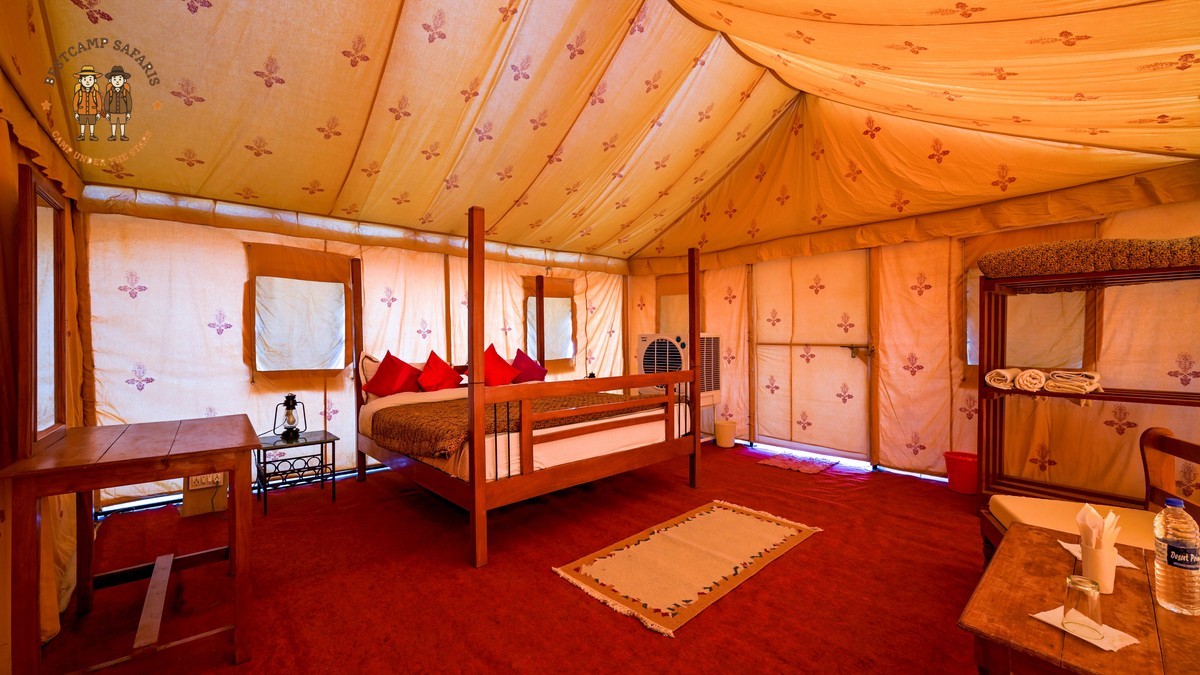
 Adventure Tours
The short answer to “is mobile camping safe in Kenya” is yes, when the camp is professionally run and the trip is guided. The longer answer depends on where the camp sits, who escorts you after dark, and how the operator handles an emergency.
There is a real difference between two kinds of camping in Kenya. Unsupported self-camping means you carry your own tent and manage risk alone. A guided camping safari has experienced staff, proper tents, vehicles, radios, and clear night rules. Keep those pictures separate and the safety question gets easier.
Is Mobile Camping Safe in Kenya? The Short Answer
Yes, professionally operated mobile camping in Kenya is generally safe when guests follow the guide’s instructions, remain inside the vehicle near wildlife, and use staff escorts after dark. The main safety difference from a lodge is that mobile camps are more remote and have fewer fixed facilities, so operator standards matter more.
Most guided mobile camps in the Maasai Mara ecosystem sit inside private conservancies such as Naboisho or Mara North. The crew does not leave at sunset, and someone stays awake through the night. Kenya camping safari safety depends less on the country and more on the operator and the guest.
Wildlife Safety around a Mobile Camp
Wildlife safety in Kenya means treating camp as unfenced bush. Never approach animals, leave your tent, or walk between camp areas without staff permission. Keep tent zips closed, do not store food openly, and remain in the vehicle unless the guide confirms it is safe to step out.
A lion or elephant can pass near a tent at night. That is normal and not dangerous on its own. What matters is your reaction: stay still, keep quiet, and let staff do their job. A good operator gives a short wildlife briefing on the first evening. It covers which animals move through the area and why you should never unzip the tent to look.
Night Movement and Tent Security
Do not walk alone around a Kenyan mobile camp after sunset. Ask camp staff for an askari or other trained escort whenever you need to move between your tent, dining area, or bathroom. If you hear an animal outside, stay inside, keep the tent closed, and alert staff rather than investigating.
Before you book, confirm that a safari camp night escort is included. In a well run camp, dinner ends the same way every evening: an askari carries a torch, walks ahead of you to your tent, and waits until the zips are closed.
If your tent has an internal toilet or bucket shower, use it at night instead of walking to a shared block. This is easier in most mobile camps than older permanent camps, and removes the temptation to leave your tent after dark.
Choosing a Safe Mobile Camp and Safari Operator
Choose an established operator with trained guides, secure camp procedures, reliable vehicles, staff night escorts, and a documented emergency plan. Before booking, ask where the camp will be, whether it is fenced, how guests are escorted after dark, and which airstrip supports the camp.
The table below shows the practical differences between a guided mobile camp and a fixed lodge.
| Safety point | Guided mobile camp | Fixed lodge or permanent camp |
|---|---|---|
| Typical location | Private conservancy or reserve edge, such as Naboisho, Mara North, or near Samburu | Permanent site, often with buildings and defined paths |
| Night movement | Askari escort from tent to mess tent | Askari escort or lit walkways |
| Fencing | Usually unfenced, sometimes a low electric fence | Some fenced, many unfenced |
| Staff overnight | Full safari team sleeps in the same camp | 24-hour hotel-style staff |
| Emergency support | Operator radio, vehicle, nearest airstrip and clinic | Similar, often with easier road access |
If you are weighing the two styles, read our mobile camp versus lodge comparison before you choose. It comes down to a longer drive from your pillow to the wildlife or a faster path to a private bathroom.
Mobile fly camping Kenya trips often move every one or two nights, so ask for the full camp plan before you pay.
Health, Weather, Water, and Emergency Planning
Prepare for heat, cold nights, rain, insects, dehydration, limited signal, and long distances to medical care. Confirm safe drinking water, carry personal medication and basic first aid, use insect protection, pack layers and a waterproof jacket, and verify that travel insurance includes evacuation from remote safari areas.
Cellphone signal is not reliable in many conservancies. A professional mobile camp should carry a satellite phone or a VHF radio. Ask to see it during your first evening briefing.
A road transfer from Nairobi to the Maasai Mara takes 5 to 6 hours. A flight from Wilson Airport to a Mara airstrip takes 45 to 60 minutes. Samburu is farther north, often a similar 5 to 6 hour drive. These are indicative times, and your operator should confirm the route and nearest airstrip before you depart.
If a medical issue happens at a remote camp, the team contacts the operator and arranges a road transfer or air ambulance. Confirm that your travel insurance covers Kenya safari medical evacuation, including remote locations. Review our Kenya safari vaccination checklist before you fly.
7 Safety Checks Before You Book
Use these checks before you book.
- Who sleeps on site? Ask whether the crew stays overnight or only sets up camp and leaves.
- Is the camp fenced? Unfenced camps are normal, but you need to know which kind you booked.
- Is a night escort guaranteed? Confirm a safari camp night escort is available whenever you need to move.
- What is the location history? Ask for the conservancy or reserve name and whether the same site is used every season.
- What is the emergency plan? Ask which airstrip is closest, how long the drive takes, and who coordinates an evacuation.
- Where does the water come from? Ask whether drinking water is bottled, filtered, or boiled and how food is stored overnight.
- What happens if a guest breaks a rule? A good operator explains the wildlife boundaries clearly during the evening briefing.
These checks apply anywhere in Kenya, whether you are considering the Mara or heading north. Our Samburu mobile camping costs guide shows how the same safety questions work in a different landscape.
BestCamp Safaris runs the same routine on every trip: a site briefing, closed tent zips, and an askari with a torch after dark.
Plan a Mobile Camping Safari with Confidence
Once you understand what safety looks like on the ground, the more useful question is not only “is mobile camping safe in Kenya.” It is what kind of night you want. A mobile camp puts you closer to the sound of the bush. No permanent wall separates your tent from the dark, and that is the part people remember for years.
When you are ready to explore the options, BestCamp Safaris can help you plan a trip that fits your comfort level. Start by sharing what worries you, and we will match you with a route and camp style that makes sense.


