
 Adventure Tours
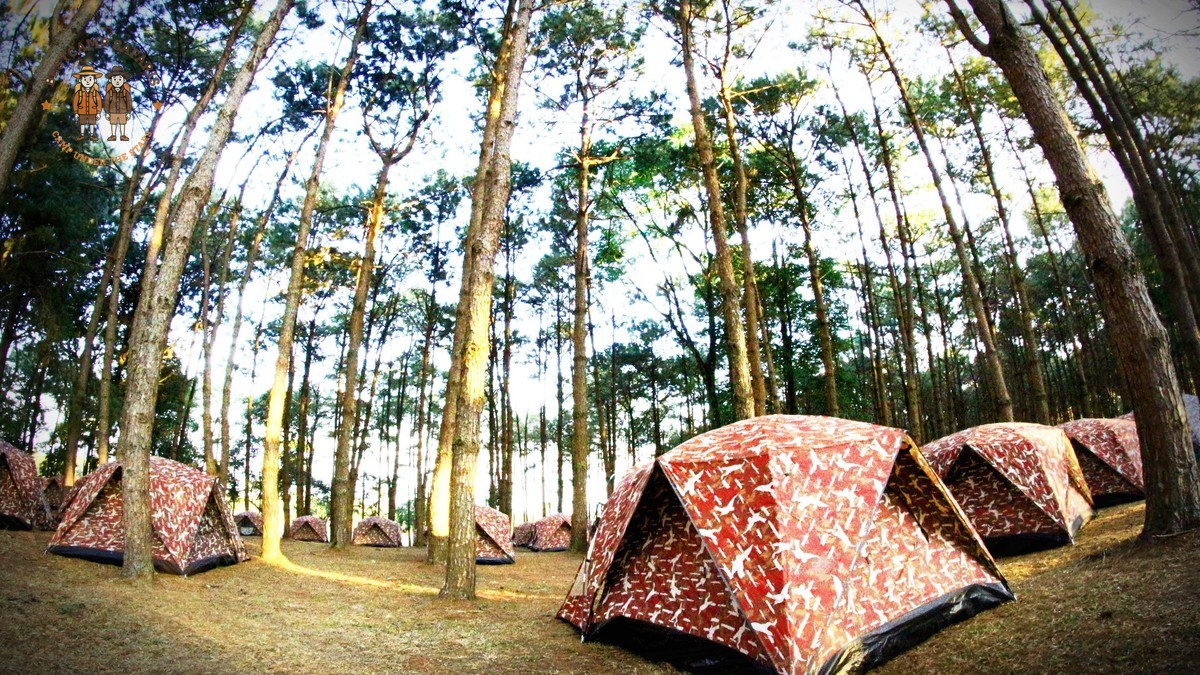
By 5 a.m., Samburu starts moving without asking you. The sky over the Ewaso Ng’iro turns from gray to gold. A camp cook rattles the kettle. If your tent is set up well, your only task is to unzip the canvas and reach for your daypack.
The practical Samburu mobile camping packing list starts with one question: what will the camp already handle? A good mobile camp provides the tent, bed, meals, and basic camp furniture. You provide the layers, the small gear, and the items that protect your skin, health, and camera.
This list is built for a three to five night camping safari in northern Kenya. It keeps you comfortable without hauling camping hardware across Nairobi.
If you have not settled on the style of trip yet, read our comparison of mobile camp versus lodge first. Tented camps and lodges share some packing needs, but the differences matter.
What’s on a Samburu mobile camping packing list for hot days and cool mornings?
Samburu safari clothing starts with layers. Pack three to five lightweight shirts, including two long-sleeved options, and two or three pairs of quick-drying trousers. Add underwear, socks, and proper sleepwear. A fleece or light down jacket earns its space on early game drives, and a wide-brimmed hat protects you in an open vehicle. Neutral colors work better than bright tones.
Samburu sits about 350 kilometers north of Nairobi. Afternoon temperatures climb, but the first drive of the day can feel cool. You want clothes you can remove when the sun clears the ridge.
Think of Samburu safari clothing as a three-layer system:
- A lightweight shirt for midday heat.
- A second long-sleeved shirt for sun and insect protection.
- A fleece or light jacket for dawn and dusk.
Shorts work inside a private camp, but long trousers are more useful around trees and bushes. Closed walking shoes handle the uneven ground better than open sandals.
If you travel in the shoulder seasons, weather is less predictable. The guide to Kenya’s shoulder-season safari weather gives monthly clues before you choose how warm your top layer should be.
What camping gear and personal comfort items should I bring?
Confirm the operator’s equipment list before bringing bulky gear. A fully serviced mobile camp commonly supplies tents, beds, bedding, chairs, and cooking equipment. You should still bring a headlamp, refillable water bottle, daypack, dry bags, toiletries, wet wipes, and a compact personal first-aid kit. Pack a sleeping bag only when the operator says bedding is not included.
Most first-timers overpack this category. They arrive with stoves, camp pillows, and towels that the camp already provides. Choose one comfortable setup and leave the rest.
| Item | Fully serviced mobile camp | DIY or participatory camp |
|---|---|---|
| Tent and bed | Supplied and set up before you arrive | Usually bring or rent in Nairobi |
| Bedding and towel | Usually supplied; check first | Bring sleeping bag and towel |
| Meals and drinking water | Camp crew prepares meals | Bring stove, food, and purification method |
| Camp table and chair | Supplied in the mess tent | Carry a lightweight chair or sit on a mat |
| Power for charging | Solar or generator at the dining tent, limited | Rarely available, so carry a power bank |
| Main luggage for a 5-night trip | One 60 to 80 liter soft duffel plus one daypack | Add tent, mattress, and cooking kit, so use a larger bag |
For a serviced Samburu camp, your personal camping gear stays simple. A headlamp matters more than a heavy lantern. A 20 to 25 liter daypack holds the items you need on the vehicle. Dry bags keep clothes dry when an afternoon storm hits and stop dust from settling into everything.
Do you need to bring a sleeping bag? Usually not. Many operators supply a bed, mattress, and pillow. If your camp does not, ask before departure. At minimum, a compact sleeping bag liner gives you personal separation and adds little weight.
Budget also changes your packing choices. If you are comparing options, Samburu mobile camping cost explains what is included in different camp styles.
What health, sun, and insect protection do I need for Samburu?
Bring SPF 30 or higher sunscreen, lip balm, sunglasses, a hat, insect repellent, prescription medicine, basic pain relief, blister treatment, hand sanitizer, and any required personal supplies. Long sleeves and trousers give real protection from sun and biting insects. A small first-aid kit is essential, but it does not replace travel insurance or medical advice.
Samburu is dry and dusty, and you spend long hours outside. Sunscreen needs to be reapplied after dust, sweat, and swimming. Pack lip balm with SPF, because cracked lips are common in northern Kenya.
Keep insect repellent in your daypack, not in your main duffel. You need it at the camp dining table in the evening, and you may need it during a walk or a bush breakfast.
Your personal health items should include:
- Prescription medicines in their original packaging.
- A travel-size first-aid kit with blister plasters.
- Oral rehydration sachets for hot days.
- Hand sanitizer for stops between camps.
- Any daily medication you cannot buy easily in Kenya.
If you manage a chronic condition, carry a note from your doctor and enough medication for the whole trip. Bring backup medicine in a second bag. A mobile camp is not the place to discover that your inhaler is missing.
Which camera and power kit should I bring for a mobile camping safari?
Make room for binoculars, a camera, spare batteries, spare memory cards, lens protection, and a power bank of at least 10,000mAh. Carry a Type G travel adapter for Kenya sockets. Keep camera equipment in your carry-on bag, not your checked duffel. A headlamp or small flashlight covers night walks, and mobile coverage varies from camp to camp. Download offline copies of maps and documents before you leave.
Samburu rewards patience over zoom. You will see elephants, lions, and possibly leopards, but the best photography happens in low light. A camera with a fast lens works better than a phone pressed to the vehicle window.
These mobile camping safari essentials fit into one waterproof bag:
- Binoculars, which often matter more than a camera.
- One camera body or camera phone plus a lens wipe.
- Two spare batteries and two memory cards.
- A 10,000mAh power bank or larger.
- A headlamp with spare batteries.
Camp charging time is limited. At a typical mobile camp, electricity runs for a few hours at the dining tent. That is enough to recharge one phone and one camera battery, not three devices. A power bank covers the rest.
Mobile network coverage is better on some hills than others. It is inconsistent across Samburu. Download offline maps, lodge contacts, and your booking confirmation before leaving Nairobi. Do not count on uploads from camp.
How should I organize my documents and luggage for the camp transfer?
Use one soft-sided duffel rather than a hard suitcase. Divide clothing, electronics, and toiletries into packing cubes or dry bags. Keep your passport, insurance details, booking confirmation, medication, cash, and one change of clothes in your daypack. This arrangement makes camp transfers easier and protects essentials from dust, heat, and the occasional afternoon storm.
Your driver will usually collect you in Nairobi, pass through Isiolo, and reach Samburu in about five and a half to six and a half hours. Soft bags are easier to lift and wedge into the vehicle. Hard cases with wheels do not survive sandy camp paths well.
Pack by destination, not by day. Divide items into three groups:
- Park clothes and sleepwear.
- Electronics and chargers.
- Toiletries and first-aid supplies.
Keep your passport and cash in a crossbody pouch or a small zipped pocket. If you fly from Wilson Airport to a Samburu airstrip, a 15 kilogram checked soft bag limit is common. Confirm with your operator before flying.
A spare outfit in your daypack protects you if your duffel arrives late on a light aircraft. That outfit should include a long-sleeved shirt, a pair of trousers, and one warm layer.
The BestCamp Safaris Difference
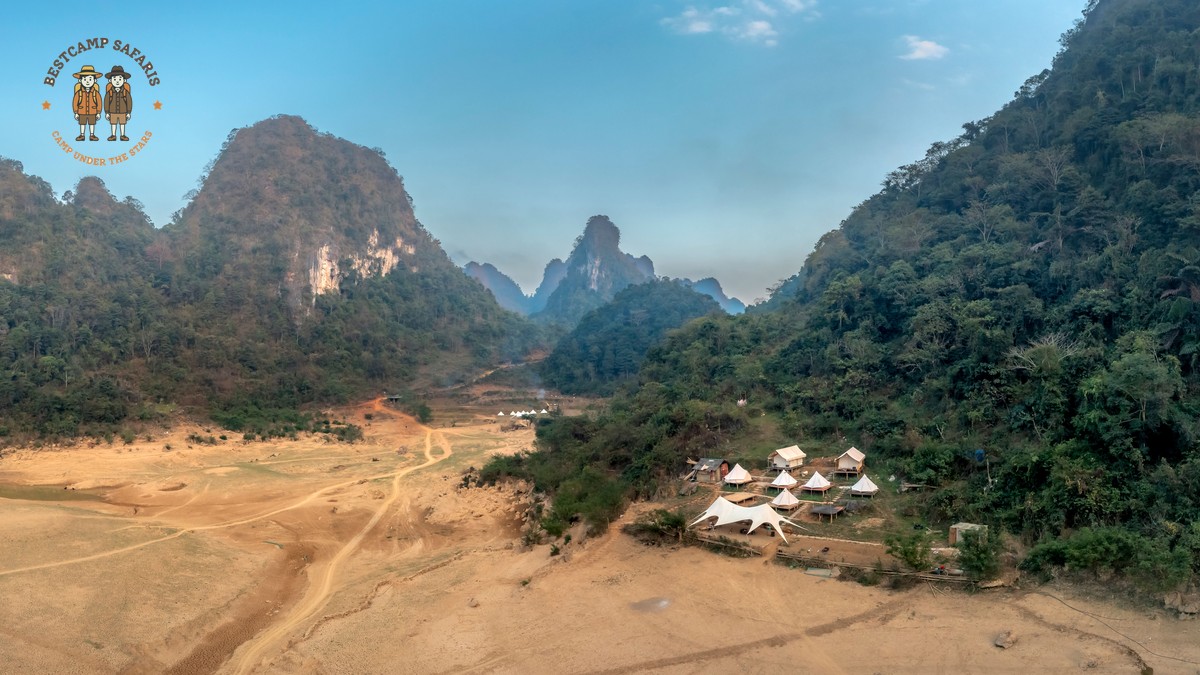
At BestCamp Safaris, we organize travel so you can pack less, not more. Our Samburu mobile camp sets up before guests arrive, with beds made and the dining tent ready. You focus on the daylight hours, not on laundry, cooking, or tent poles.
The real packing difference comes from knowing what will greet you in camp. When you book a BestCamp Safaris mobile camping safari, you receive a trip sheet that names every supplied item. You can then decide whether you need a sleeping bag liner, an extra fleece, or no spare pillow at all.
Most first-timers overprepare. We help you swap worry for space.
Which pack should you choose? For most first-time travelers, the fully serviced mobile camp wins. It suits people who want long game drives, a warm dinner, and a bed waiting in the dark. Independent camping makes more sense if you already own a tent, sleeping bag, and camp stove, and you want a self-sufficient group adventure.
Plan Your Samburu Mobile Camping Trip
Ready to finish your list? Plan a custom Samburu trip with BestCamp Safaris through the contact page. Tell us your dates, and we will help you finish this packing list in minutes, not hours.


