
 Wildlife Tours
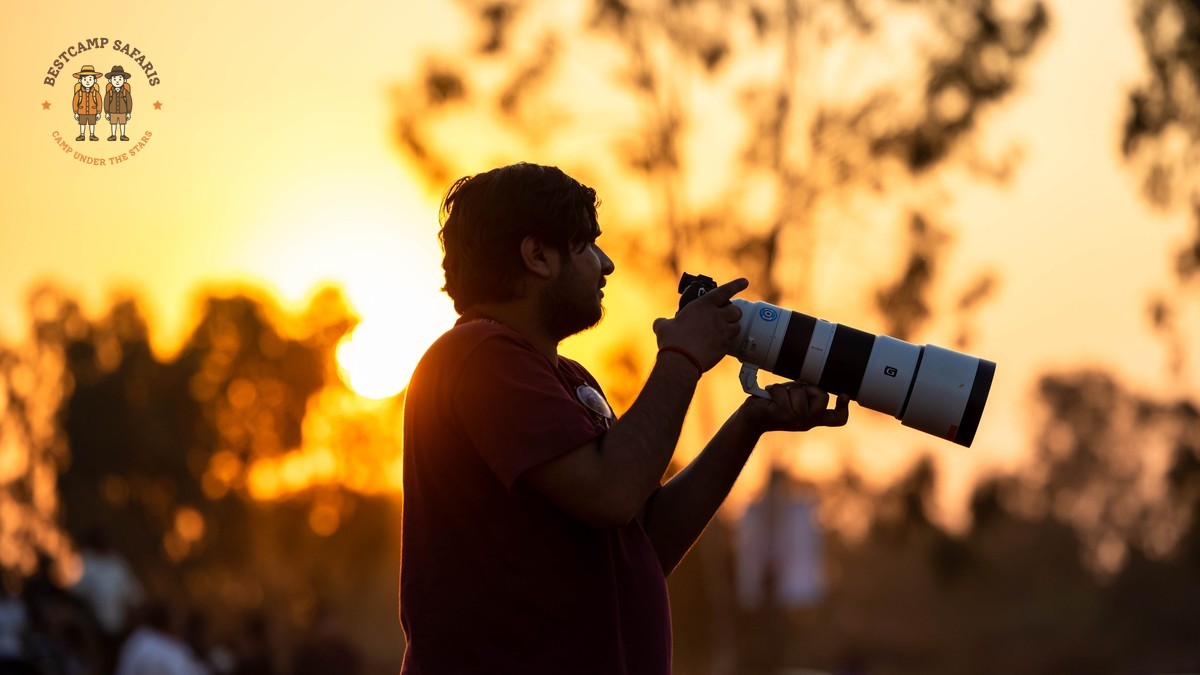
Planning a Kenya photography safari means making hard choices about lenses, weight, and time. One question comes up before almost every trip: maasai mara can photographers use beanbags? The answer is yes. A filled beanbag may be the best camera support you carry, and it fits in a daypack. Here is how to set it up, what to ask before you book, and what a Mara photography safari really costs.
Maasai Mara Can Photographers Use Beanbags?
Yes, photographers can use beanbags in the Maasai Mara, and they are one of the most practical supports for long lenses. Place the filled bag over a safari vehicle’s window ledge, roof edge, or shooting hatch. It cushions vibration, supports heavy lenses, and leaves more room to pan than a tripod.
I have watched photographers waste a whole morning fighting a tripod in the back of a Land Cruiser. The beanbag solves that problem neatly. A standard bag weighs almost nothing when empty. Filled with rice or beans, it molds around the foot of a 500mm lens and holds steady while the vehicle rocks.
Professional safari photographers usually carry at least one empty bag. It packs flat and takes less space than a layer of clothing. Once you reach camp, the guide or the kitchen can fill it with rice, beans, or plastic pellets. By the first game drive, your support is ready.
Why Beanbags Work Better Than Tripods in Safari Vehicles
Beanbags usually work better than tripods because safari vehicles are cramped, vibrate while idling, and require fast horizontal movement when animals change direction. A beanbag occupies little space, absorbs some vibration, and lets photographers track wildlife through a window or roof opening. A tripod is more practical only in a spacious private vehicle.
Tripods create three problems in the Mara. First, they are tall. There is rarely room for a tripod between two rows of seats in a shared 4×4. Second, the engine sends a slow vibration through the floor. At 600mm, that vibration turns a sharp image soft. Third, animals move fast. A lion that decides to walk needs a smooth pan, and a tripod cannot swing from a window to the roof in time.
A beanbag fixes all three. It sits on a solid edge, absorbs vibration, and lets the photographer slide the lens sideways. If the animal changes direction, the bag moves with the lens without catching on metal. For most travelers, the beanbag wins.
There is one place a tripod beats a beanbag: solid ground. During a walking safari, or for a landscape from the Oloololo Escarpment, use the tripod. Just do not expect to use it from a moving vehicle.
| Support option | Best used from | Handles | Main downside |
|---|---|---|---|
| Beanbag | Vehicle window sill, roof hatch | 500mm and 600mm lenses | Needs filling and practice |
| Tripod | Ground, or roomy private vehicle | Heavy telephotos | Too tall in a shared 4×4 |
| Window mount | Metal window frame | Very solid | Slow to remove on quick action |
Where to Place a Beanbag for Stable Wildlife Photography
Rest the beanbag on the vehicle’s window sill, metal window frame, roof edge, or a purpose-built photography hatch, then place the lens barrel, not the camera body, on top. Keep the bag firm enough to support the lens but loose enough to reshape around the surface. Test the position before the drive begins.
The most stable position is usually the window sill with the window halfway down. Put the bag on the frame. Set the lens foot directly on the bag. Keep the camera body behind the support, not resting on it. That leaves room to tilt and keeps the weight over the support.
On a pop-top roof, the same rule applies. Put the bag on the padded roof edge and rest the lens barrel on top. Some vehicles have a low-angle hatch below the window line. For cheetahs lying flat in grass, that hatch is gold. Ask for it when you book.
Do not wait until the lion appears to test your setup. A calm check at 6am costs nothing. A missed leopard costs everything. Fill the bag to about 80 percent firmness. If your lens has image stabilization, test it on and off. Many photographers prefer it off once the lens rests on a bag.
Do Maasai Mara Camps and Safari Vehicles Provide Beanbags?
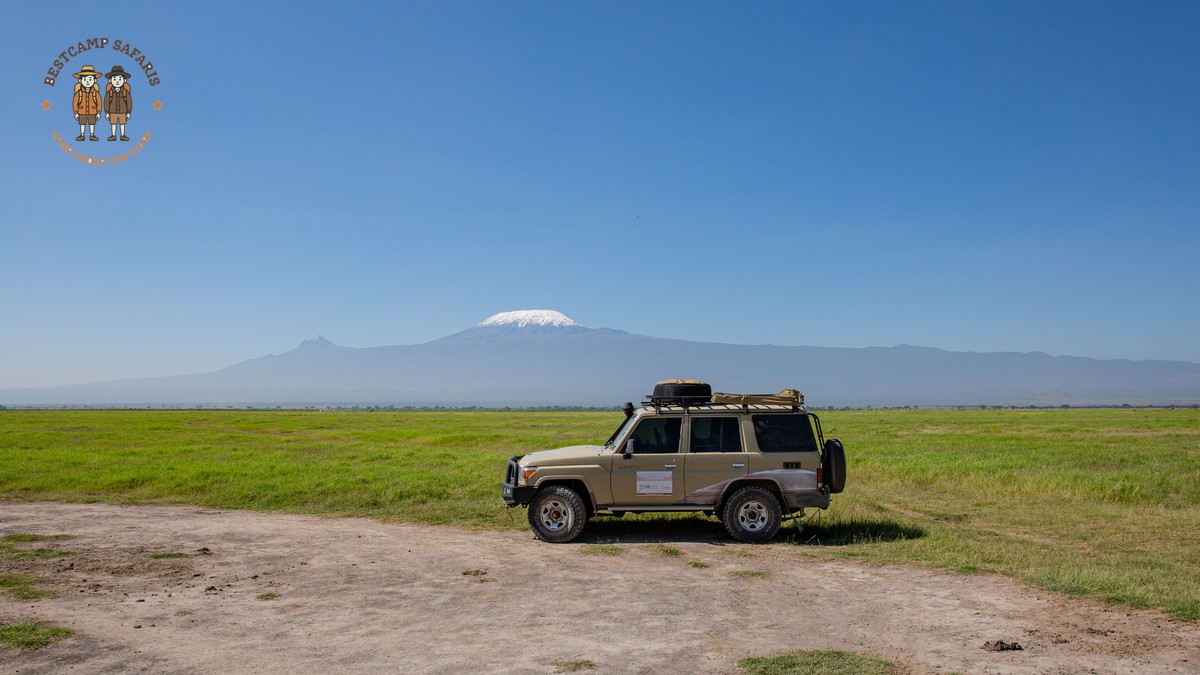
Some photography-oriented vehicles and camps provide beanbags, but travelers should not assume every shared vehicle has one. Ask whether the support is supplied at every passenger window, whether it suits a 500mm or 600mm lens, and whether the vehicle has a low-angle hatch. An empty beanbag cover can be filled locally with rice or beans.
During a recent BestCamp Safaris trip, our vehicle had two beanbags in the back next to the cool box. They were plain canvas bags filled with rice, and they worked perfectly. On other trips, I have joined shared vehicles where the only support was a folded blanket. The difference shows up in sharpness.
When you book, ask three questions. Does the vehicle include a beanbag at each window? Which shooting hatches are available? Can the camp fill an empty bag if I bring one? These questions matter more than the number of cameras in your bag.
If the answer is no, bring an empty beanbag cover. It flattens small and passes easily through airport security. Most Mara camps can fill it with rice or beans before the first drive. Check with the operator first so you know what filling material is available.
Also ask which windows will be used for shooting. Some shared vehicles only offer a beanbag on one side, and that side can face the wrong direction for the afternoon light. A private vehicle avoids that problem completely.
What Photography Vehicle Setup Should You Request?
Request a private or photographer-friendly 4×4 Land Cruiser with a pop-up roof, stable window rests, charging points, room for long lenses, and a guide experienced in positioning for light and animal behavior. Conservancies such as Mara North and Naboisho may offer more flexible positioning, while the reserve is especially relevant for migration crossings.
The vehicle matters as much as the lens. A pop-top roof gives you two shooting levels: the roof hatch and the window sill. Photographers who request a window seat get the best angle for afternoon light. On a shared vehicle, your seat may decide your entire week, so ask early.
Charging points matter on a full-day drive. A 12-volt socket can handle one camera battery, but a two-body setup gets stressful. Tell the operator you need a USB-C or inverter socket. Ask for space too. A hard camera case takes up a whole seat; a soft bag slides under the bench.
A private vehicle is worth the extra money if migration photography is your goal. It lets your guide plan game drives around the best light instead of following the group. Guides know that lions move in the last hour of light, so on a private vehicle you can stay longer.
The reserve and the conservancies charge differently. See the fee table below before you decide where to stay.
Maasai Mara Park Fees and Photography Costs
Masai Mara National Reserve charges USD 100 per day in low season (January to June) and USD 200 per day in high season (July to December), a fee set by Narok County. Mara North and Naboisho conservancies charge roughly USD 80 to 150 per person per night, bundled into the camp rate. Here is how the main photography areas compare.
| Area | Managed by | Non-resident fee | Photographer advantage |
|---|---|---|---|
| Masai Mara National Reserve | Narok County Government | USD 100 per day Jan-Jun; USD 200 per day Jul-Dec | Migration crossings, open savanna light |
| Mara North Conservancy | Private conservancy | Approx. USD 80-150 per person per night, bundled into camp rate | Fewer vehicles, flexible positioning |
| Naboisho Conservancy | Private conservancy | Approx. USD 80-150 per person per night, bundled into camp rate | Walking safaris, low vehicle density |
These figures reflect the fee changes that took effect in October 2025. Note that the reserve fee is set by Narok County, not by Kenya Wildlife Service. For context, KWS-run parks such as Amboseli, Lake Nakuru, and Nairobi National Park cost between USD 80 and 90 per adult per day. The Mara’s fee is notably higher, especially in high season.
For a five-day photography safari in the Mara, plan on roughly USD 3,400 to 8,500+ per person. That range includes accommodation, park and conservancy fees, a private vehicle, a guide, and meals. The final figure depends on camp tier, season, and vehicle choice. Ask for an itemized quote, and keep the beanbag question on that list.
Getting there takes planning too. A scheduled flight from Wilson Airport in Nairobi to Musiara Airstrip takes about 45 minutes. Driving via Narok covers roughly 270 km and takes 4 to 5 hours, depending on roadworks.
Frequently Asked Questions
Here are the answers to the questions travelers ask most about beanbags and safari photography.
Can photographers use beanbags in the Maasai Mara?
Yes. Beanbags are commonly used to support long lenses from a safari vehicle’s window ledge, roof edge, or shooting hatch. They are compact, stable, and easier to pan with than a tripod.
Are beanbags or tripods better for safari photography?
Beanbags are usually better inside Maasai Mara safari vehicles because they take less space and allow quicker panning. A tripod can work in a roomy private vehicle, but vehicle vibration and restricted movement often make it less convenient.
Do safari vehicles in the Maasai Mara have beanbags?
Some photography-focused vehicles provide beanbags, but availability varies by operator, camp, and vehicle. Confirm this before booking and ask whether the support is available at your preferred shooting position.
Can I bring an empty camera beanbag to Kenya?
Yes. An empty beanbag cover is easier to pack than a filled bag and can often be filled with rice or beans after arrival. Check with the camp or operator first so you know what filling material is available.
Do I need a private vehicle for photography in the Maasai Mara?
A private vehicle is not essential, but it gives photographers more control over positioning, departure times, window access, and equipment space. Shared vehicles can work when they are designed for photography and the other passengers agree on shooting priorities.
The BestCamp Safaris Difference
BestCamp Safaris runs mobile tented camps that move with the herds. Instead of watching a clock from a permanent lodge, you wake inside a canvas tent near the migration route. At 5am the ground smells of dew, the cook rattles the kettle, and the first vehicle engine turns over before the light arrives. The camp positions itself for the golden hour, not for the buffet line.
Our guides carry beanbags in every vehicle and know how to place them for each passenger. On long drives, they also keep valuable camera gear secure while you are out on a walk or settling into your tent. Quiet, practical, and built around your shooting style, not around a fixed schedule.
When the animals move, a mobile camp moves too. One night you might hear wildebeest crossing the Talek River; the next morning your guide leads a drive toward a crossing sighted at dawn. That is the difference between a safari and a schedule.
Plan Your Maasai Mara Photography Safari
Beanbags work. The rest is planning. BestCamp Safaris can build a photography-focused itinerary with a private vehicle, a mobile camp on the migration route, and a guide who positions for light. Tell us your lens kit, your preferred dates, and how many hours you want in the vehicle each day. Start planning your trip or view our Maasai Mara safaris to see which base fits your style. We will handle the windows, the seats, and the beanbags.


