
 Wildlife Tours
You have probably seen the photos. Lions in golden grass, wildebeest crossing a river, hot air balloons drifting at dawn. A Maasai Mara safari from Nairobi is on most first-time safari lists for good reason.
But the planning can feel like a maze. You live or are staying in Nairobi, and you want to see the Mara. The big questions are always the same. How far is it? Should I fly or drive? Can I do it in one day? What will this really cost me in 2026?
I have done this trip many times, both as a driver and as a passenger. I have bounced down the road from Nairobi in a Land Cruiser and I have flown over the Rift Valley in a small Cessna. Here is the honest, practical breakdown you need to plan your own Maasai Mara safari from Nairobi.
Maasai Mara Safari from Nairobi: Distance and Drive Time
Let me start with the numbers that matter. The Masai Mara National Reserve sits about 270 kilometers southwest of Nairobi. That is a straight line on a map. The road you actually drive is longer, closer to 280 kilometers.
The time it takes depends on your route and your driver. Most safaris leave the city by 7:00 a.m. and head towards Narok town. The first stretch, from Nairobi to Narok, is about 140 kilometers on a good tarmac road. You will make this in roughly two and a half hours, including a quick stop for fuel or coffee.
From Narok, the road changes. It is still tarmac for a bit, then it becomes murram, which is a packed gravel surface. This last section, around 130 to 140 kilometers into the reserve, takes another two to three hours. It is bumpy, dusty, and sometimes slow if it has rained.
My experience is that a standard game drive vehicle takes about five to six hours one way. On game drive days inside the park, you might add an hour or two. The total drive time today, in 2026, is around 5.5 hours in normal conditions.
Flying vs. Driving: The Real Trade-Off
This is the biggest decision you will make, and it comes down to time versus money.
The Road Option
Driving is cheaper. You avoid the cost of internal flights, but you spend two full days of your short trip just moving. If you only have a weekend, driving eats up a lot of it.
The Flight Option
Flying is faster. Small planes leave from Wilson Airport, which is about 15 minutes from Nairobi’s city center. Several airlines operate daily flights, including Safarilink and Air Kenya.
The flight itself takes roughly 45 minutes to an hour. You land at one of several airstrips inside or near the reserve. The main ones are Keekorok, Musiara, and Ol Kiombo. I have flown into Keekorok personally. The landing strip is dirt, but the landing is smooth.
A return flight costs roughly USD 300 to USD 450 per person in 2026, depending on the season and how early you book. That is a clear number, but it fluctuates, so I would call it an indicative range of USD 300-450.
Here is a simple comparison table so you can see the difference.
| Factor | Driving from Nairobi | Flying from Wilson Airport |
|---|---|---|
| Distance | ~280 km | ~220 km by air |
| Time one way | 5-6 hours | ~1 hour (plus 2-3 hours total for check-in and transfers) |
| Cost (return, per person) | Included in package, ~USD 40-60 for fuel surcharge | USD 300-450 (airfare only) |
| Comfort | Bumpy, dusty, tiring | Smooth, scenic views of the Rift Valley |
| Flexibility | Stops anytime for photos | Fixed schedule, light luggage only |
My verdict is simple. If you have more than 3 days, drive. If you have 2 nights or fewer, fly. The extra cost of flying is often worth it for the time you save.
The Day Trip Trap: Why I Say No
Many travelers ask about a one-day trip. You leave Nairobi at 6:00 a.m., drive for 5.5 hours, have a few hours in the park, and drive back. You arrive at your hotel in Nairobi around 10:00 p.m.
Here is the problem. You spend 11 or 12 hours on the road and roughly 4 to 5 hours actually looking for animals. That is a terrible ratio. You will be exhausted on the drive back. The animals are often less active in the midday heat when you finally arrive. And the Mara deserves more than a rushed drive-through.
I have done this once, and I do not recommend it. If you are that short on time, consider a fly-in day trip, but know it is expensive. Most travelers I meet who try this regret not adding one more night.
Overnight Options: The 2-Night Minimum
My honest recommendation for your first Maasai Mara safari from Nairobi is a minimum of 2 nights and 3 days. This gives you:
- One full day for game drives (morning and afternoon)
- A second morning for an early drive before you head back
- Time to relax and absorb the camp experience
If you have a week in Kenya, add a 3rd or 4th night. Each extra day lets you see different parts of the reserve, like the Mara River crossings during the migration.
Costs in 2026: Budget, Mid-Range, and Luxury
Now for the part everyone wants to know. What does a Maasai Mara safari from Nairobi cost? Prices vary wildly based on where you sleep. Here are the 2026 rates, broken down by tier.
All prices are per person per night, including meals and game drives in a shared vehicle, but excluding international flights.
| Accommodation Tier | Example Camps | Cost per Person per Night | What You Get |
|---|---|---|---|
| Budget / Mobile Camping | BestCamp’s mobile tents, public campsites | USD 150-250 | Basic tented camp, shared bathrooms, great value |
| Mid-Range Lodge | Fig Tree Camp, Miti Mingi | USD 300-500 | En-suite rooms, pool, buffet meals, private verandas |
| Luxury Lodge | &Beyond Bateleur, Angama Mara | USD 800-1500+ | Private plunge pools, butler service, amazing views |
For a complete 3-day, 2-night package, expect to pay:
- Budget: USD 500-700 per person
- Mid-Range: USD 700-1,200 per person
- Luxury: USD 2,000+ per person
These are indicative ranges. The final price depends on the season and the specific camp. For a mobile camping safari options in the Mara, you get the full canvas tent experience without the luxury lodge price tag.
Park Fees and Hidden Costs
Do not forget the entrance fees. The Masai Mara National Reserve is run by Narok County, not the national parks authority. The fees are seasonal and went up recently.
- From January to June: USD 100 per adult per day
- From July to December (peak migration): USD 200 per adult per day
These fees are charged per night of your stay. If you are there for 2 nights, you pay for 2 days of entry, even if you depart on the third day. Some camps include these in their package price, but many budget options do not. Always ask.
Other costs to consider:
- Park walking safari fee: USD 20-30 per person
- Hot air balloon ride: USD 450-500 per person (worth it, but a big add-on)
- Tips for your guide: USD 10-20 per person per day
Best Time to Visit and the Great Migration
The reserve is worth visiting all year. But if you want the Great Migration, timing matters.
The herds of wildebeest and zebra usually arrive from Tanzania between July and October. The spectacular river crossings happen mostly in August and September. This is the peak season. Park fees are highest and camps book out months in advance.
If you want to see the migration without the July to December price increase, consider late June or early November. The animals are often still around, and the crowds are thinner.
Where to Stay: Reserve vs. Conservancy
You have two main choices for your accommodation base.
Inside the Reserve: You are right in the action. You can drive directly into the park for early morning game drives. The downside is that vehicle density can be high, especially during migration season.
Border Conservancies: Private lands like the Naboisho and Mara North Conservancies border the reserve. Park rules differ. You are usually limited to a few vehicles per sighting, and you can often enjoy night drives and guided bush walks, which are not allowed in the reserve. The cost is roughly USD 80-150 per person per night, often bundled into your lodge rate.
I personally prefer a mix. Sleep in a private conservancy for the exclusive feel, but spend your game drive days in the reserve to see the open plains.
Sample Itineraries and Packages
Here is what a typical 3-day driving package looks like with a mid-range operator.
Day 1: Nairobi to the Mara
- 7:00 a.m. Pickup and depart Nairobi
- 10:00 a.m. Brief coffee stop near Narok
- 12:30 p.m. Arrive at camp, settle in, have lunch
- 4:00 p.m. Afternoon game drive until sunset
- 8:00 p.m. Dinner at the camp
Day 2: Full Day in the Reserve
- 6:30 a.m. Early morning game drive (best light for photos)
- 10:00 a.m. Return for brunch and rest
- 4:00 p.m. Afternoon game drive, look for river crossings
- 8:00 p.m. Dinner and stargazing
Day 3: Return to Nairobi
- 6:30 a.m. Early game drive or a visit to a Maasai village
- 10:00 a.m. Depart the reserve, drive back to Nairobi
- 4:00 p.m. Arrive in the city
A 4-day package adds a full day in a private conservancy like Naboisho. A 7-day safari will often combine the Mara with Lakes Naivasha and Nakuru, where you can see flamingos and rhinos.
The BestCamp Safaris Difference
You have read the costs and the routes. Now let me tell you why travelers choose BestCamp Safaris for their Maasai Mara safari from Nairobi.
Most agents book you into a large lodge and hand you a generic itinerary. We do it differently. We have a network of trusted mobile camps and small, family-run lodges. This means your money goes further, and you get a more personal experience.
I have slept in our mobile tents at 5 a.m. when the camp is just waking up. You hear the canvas rustle in the wind. The coffee is brewing on the fire. The ground is cool under your boots as you walk to the vehicle. That is the safari I want you to have, not a buffet line at a big resort.
We also handle all the logistics that overwhelm first-timers. We book the flights, the park fees, the vehicle, and the guide. We give you a detailed packing list before you arrive. And we stay available throughout your trip. When you are choosing a trusted Kenya safari tour operator, transparency and on-the-ground support matter most.
Frequently Asked Questions
How much time do I need for a Maasai Mara safari from Nairobi? I recommend at least 2 nights and 3 days. This gives you a full day of game drives without rushing.
Is it better to drive or fly? If you have 3+ days, driving is fine and cheaper. If you have 2 nights or less, fly to maximize your game viewing time.
How rough is the road? The first half is good tarmac. The last stretch from Narok are murram, which is bumpy and dusty. A 4×4 is mandatory.
Can I see the Big Five? You have a good chance of seeing lions, leopards, elephants, and buffalos. Rhinos are rare in the Mara, but you can see them at nearby Lake Nakuru.
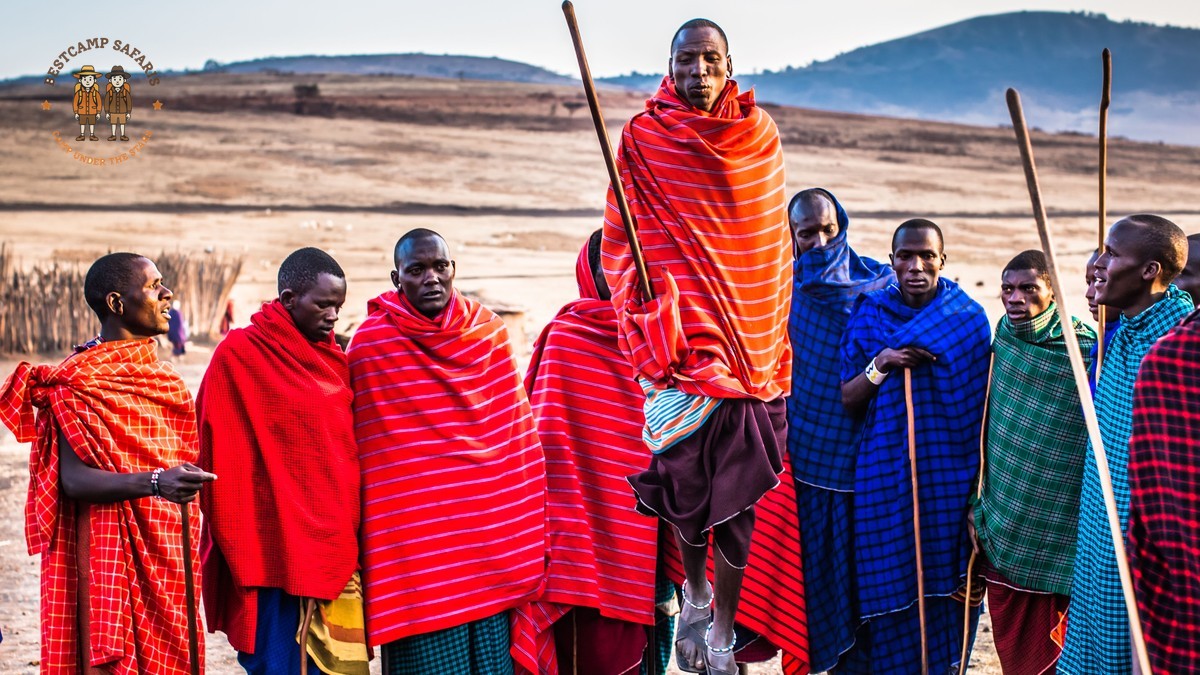
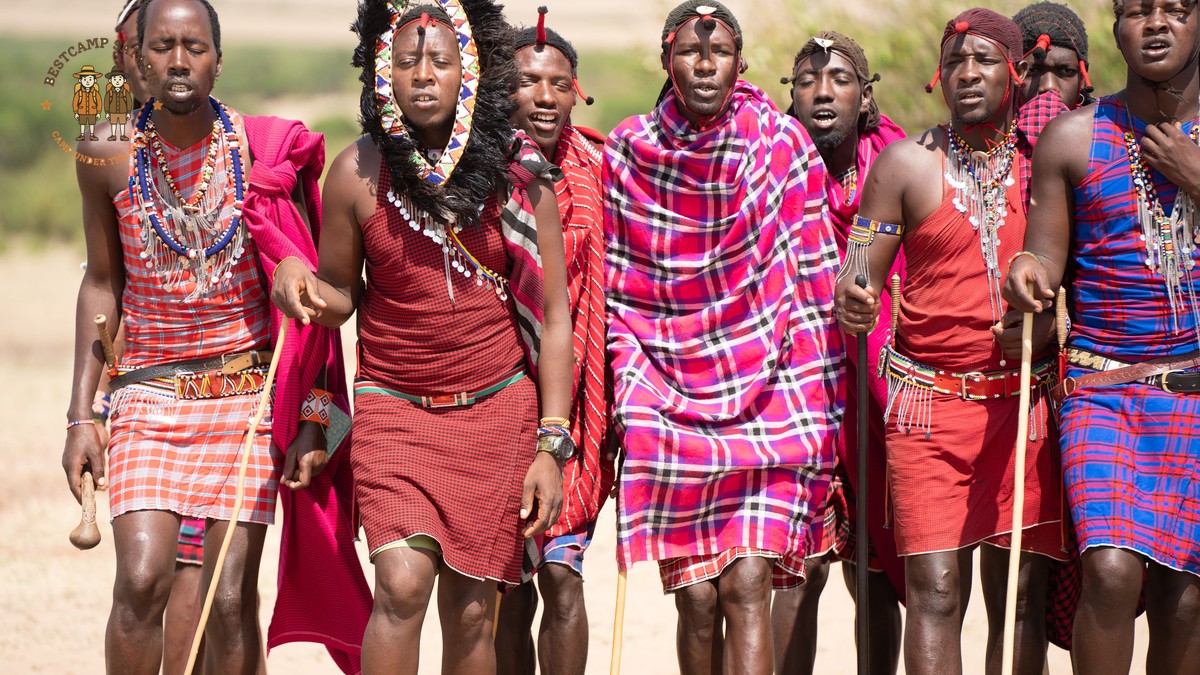
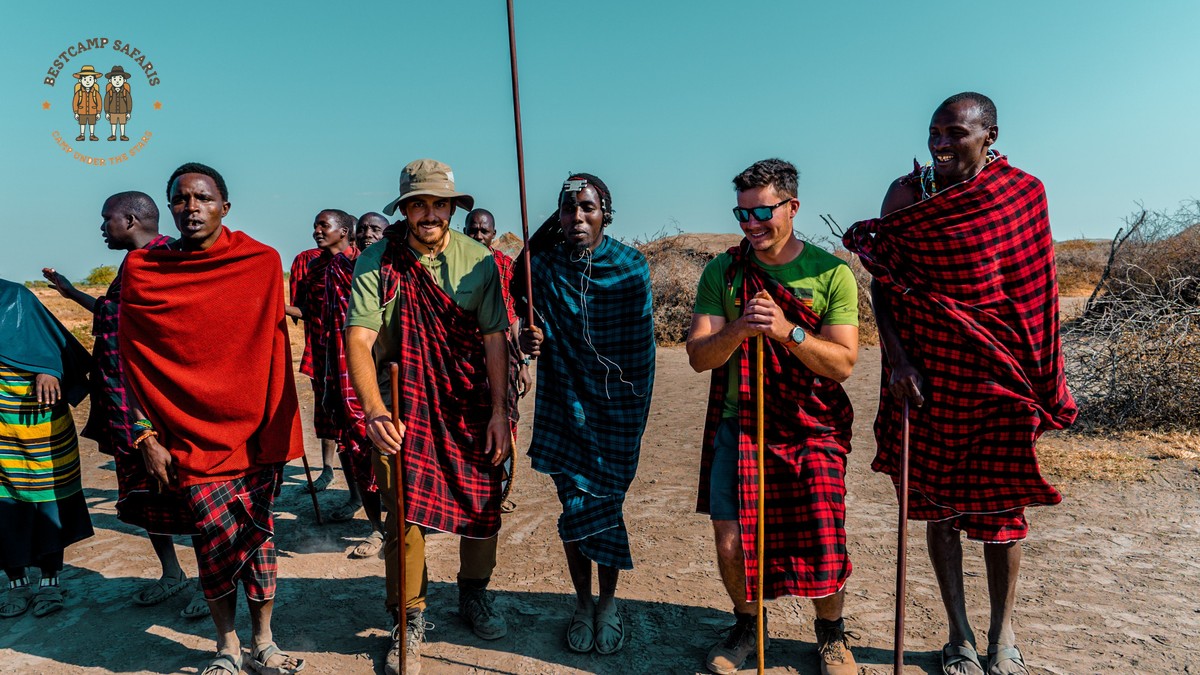
Should I visit a Maasai village? Yes, it is a cultural highlight. Just ask your operator to arrange a respectful visit where you are supporting the community directly. You can read more about visiting a Maasai village during your trip for tips on what to expect.
Ready to Plan Your Safari?
You now have the real numbers for a Maasai Mara safari from Nairobi. You know the drive time, the flight options, the seasonal park fees, and what a night in a tent or lodge will cost.
The next step is simple. Reach out to BestCamp Safaris to start planning your trip. Tell us your dates and your budget, and we will craft an itinerary that fits, whether it is a quick fly-in weekend or a week-long adventure with a mix of parks. We will handle the details so you can focus on the experience.
Browse our Masai Mara safari packages and start planning today.


