
 Wildlife Tours
Kenya safari predator photography rewards patience more than speed. You can photograph lions, cheetahs, leopards, and hyenas in one Maasai Mara trip, but the frame depends on light, vehicle position, and how early your camp wakes up. This guide compares the national reserve, Mara conservancies, Laikipia, and Samburu with real distances, current fees, and practical gear choices.
Why Kenya Is Excellent for Predator Photography
Kenya is especially strong for predator photography because the Maasai Mara combines open grasslands, abundant prey and high visibility. That makes lions, cheetahs, leopards and hyenas easier to locate and photograph than in denser habitats. The Mara also offers dramatic skies, seasonal behaviour and access to both reserve and conservancy experiences.
The open turf around Musiara Marsh and Paradise Plains lets you spot a cheetah from half a kilometre away. You can then position the vehicle before the action starts. In thicker bush, you would hear more than you see. That is why a Mara morning feels like a working studio, not a lucky search.
Best Kenyan Parks and Conservancies for Predator Photography
The Maasai Mara is the best all-round choice for classic predator images, while Mara conservancies offer fewer vehicles and more flexible access. Laikipia and Ol Pejeta add varied landscapes and strong lion and leopard opportunities. Samburu provides a drier setting with distinctive northern species. A single-region itinerary usually maximises predator time.
| Destination | Distance from Nairobi | Drive time | Flight from Wilson | Day or conservancy fee |
|---|---|---|---|---|
| Maasai Mara National Reserve, Sekenani Gate | 240 km | 5 to 6 hours | 45 minutes | USD 200 adult/day July to December, USD 100 January to June. Paid to Narok County, not KWS. |
| Mara North Conservancy | 245 to 260 km | 5.5 to 6.5 hours | 45 to 60 minutes | USD 80 to 150 per person per night, bundled |
| Naboisho Conservancy | 260 km | 6 to 7 hours | 45 to 60 minutes | USD 80 to 150 per person per night, bundled |
| Ol Pejeta Conservancy, Nanyuki | 200 km | 3.5 to 4.5 hours | 35 minutes | Indicative USD 80 to 110 per adult per day |
| Samburu National Reserve | 350 km | 6 to 7 hours | 1 hour | Indicative USD 70 to 100 per adult per day |
For predator-only work, split time between the Mara Reserve and one conservancy. Do not add Amboseli or Samburu unless you have ten days or more. A single base lets you learn individual cats, which is the real prize.
Maasai Mara Predator Photography: Lions, Leopards, Cheetahs and Hyenas
The Maasai Mara offers the most balanced opportunity to photograph Kenya’s headline predators. Lions are often the most reliable. Cheetahs suit open-plains action photography. Leopards require patience near riverine cover. Spotted hyenas become especially compelling during social or hunting behaviour. No itinerary guarantees every species, so plan repeated sightings instead of a checklist.
In the reserve, lion prides around Talek and Musiara are used to vehicles, which helps with calm portraits. Cheetahs need room. Early light on Paradise Plains can show a female scanning from a termite mound. Leopards often rest in croton thickets along the Talek River, so a long wait may be needed. Hyena dens give reliable morning scenes of cubs and adults. If a leopard walks at last light, resist moving. Let the cat choose the background.
Best Seasons and Light for Photographing Predators
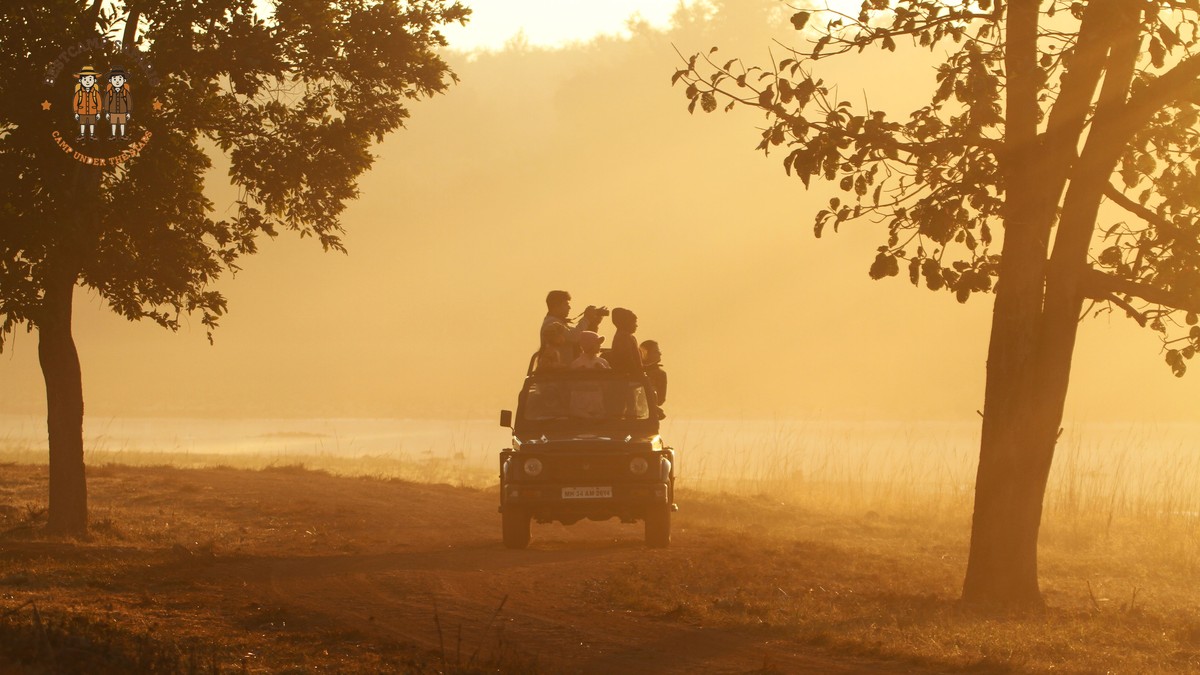
For predator-focused photography, January and February are strong choices because the Mara is green, prey animals are calving and predator activity can be high. November can provide quieter conditions after migration. Early morning and late afternoon produce the best light. Midday can still reveal useful resting poses and clear environmental portraits.
Green-season grass can be short enough to show cubs, but long enough to hide stalking cats. February thunderstorms build dramatic clouds for backlit frames. November has fewer vehicles, though wheel ruts soften and some tracks close. I have shot clean cheetah portraits at 2pm, but only because the cat was resting in shade. Light direction matters more than the hour.
Choosing Between the National Reserve and Private Conservancies
Choose the national reserve for broad access, abundant wildlife and the classic Mara experience. Choose a private conservancy for fewer vehicles, smaller groups, off-road opportunities where permitted and, in some areas, night drives. Conservancies usually cost more, so the decision is a trade-off between access and exclusivity rather than a guarantee of closer sightings.
Inside the Maasai Mara National Reserve, off-road driving is not allowed in most zones. In Mara North or Naboisho, camps often have permission for limited off-road positioning on their own blocks. Night drives happen in conservancies, not the reserve. If you want a lioness backlit at first light from a specific angle, a conservancy block can feel empty in a good way.
Game-Drive Strategy and Vehicle Positioning
The most effective strategy is to book a private vehicle or a vehicle with very few photographers, leave before sunrise, stay with promising behaviour and communicate your preferred angle clearly to the guide. Positioning should preserve the animal’s escape route and avoid crowding. A clean background and patient observation usually produce better images than simply getting closer.
Start with a private vehicle even if it costs extra. Two photographers can share if the vehicle has open rows and both can stand. Leave at 5:20am, not 6:30am. Ask your guide to stop before the sighting, then approach slowly. If a cheetah stiffens, hold position. Tell the guide you want the sun behind your shoulder and no other vehicles in frame. If staying in a conservancy camp, read sleeping safely in bush tents to understand the night routine before you plan a dawn start.
Camera Gear, Lenses and Essential Accessories
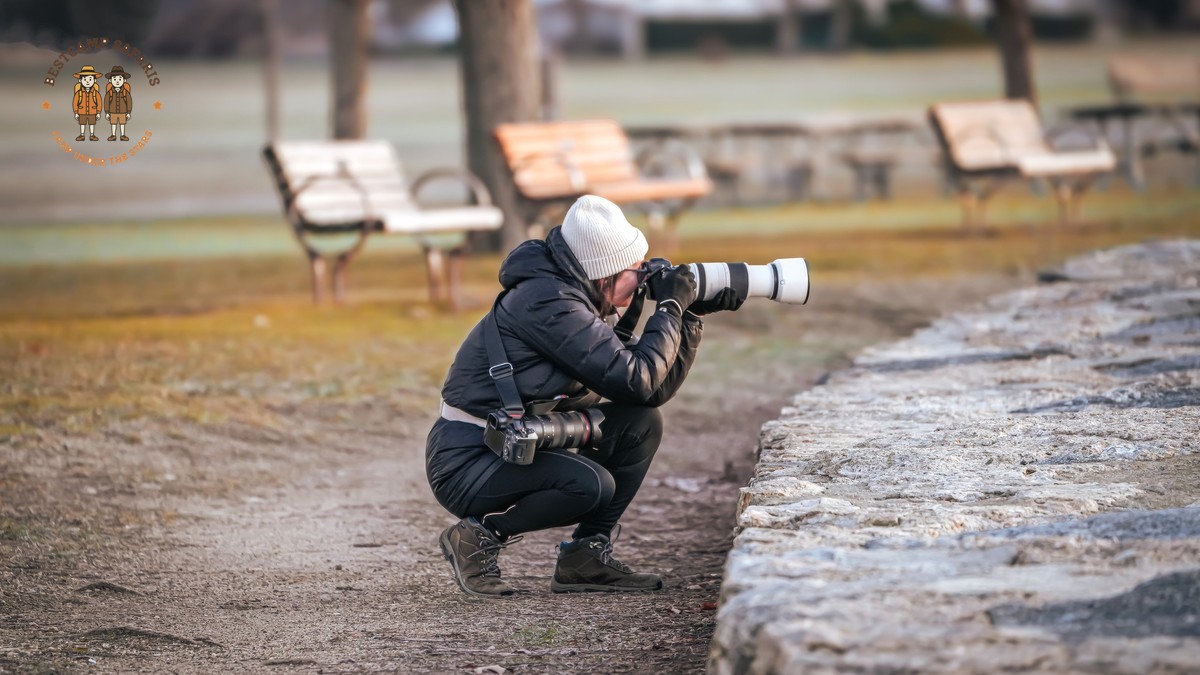
A 200-600mm telephoto lens is the most versatile primary lens for predators. Support it with a shorter zoom or wide-angle lens for environmental scenes. Bring spare batteries, multiple memory cards, dust protection and a beanbag or stable support. A tripod is less practical in many vehicles, while fast shutter speeds matter for running cheetahs and hunts.
Use two bodies if possible. Keep one with a 200-600mm and the other with a 70-200mm or 24-70mm. Mara dust gets into everything, so clean lenses only inside a closed bag. Carry several 128GB cards, not one huge card. A beanbag on the door rail beats a monopod. For running cheetahs, set shutter speed above 1/2000 second and let the ISO climb.
How to Photograph Predator Behaviour Ethically
Ethical predator photography means keeping a respectful distance, never blocking an animal’s path, avoiding prolonged pressure and accepting that the guide may leave a sighting. Prioritise behaviour over forced close-ups. Hunting, grooming, cub care, territorial displays and social interactions tell a stronger story while reducing disturbance. Night photography should only occur where local rules and operators allow it.
If a cheetah starts hunting, we do not follow into her path. We wait and return to the same area later. A lion pride can tolerate one quiet vehicle but not five. When your guide says the sighting is being crowded, agree to move. That decision often saves the next morning, because the animals stay in the area. In some conservancies, red-filtered night drives allow hyena images without white light.
Planning a Predator Photography Safari: Costs, Camps and Logistics
A specialist Kenya predator photography safari can range from several thousand dollars per person for a small-group itinerary to roughly USD 9,000 to 17,000 or more for premium guided departures, before optional expenses and international flights. Budget separately for flights, park or conservancy fees, single supplements, private-vehicle upgrades, Nairobi transfers and photography equipment. Then choose camp location before room style.
Published specialist departures sometimes start around USD 8,995 to 9,895 for seven days, with premium ten-day trips near USD 16,995. Those figures usually include accommodation, game drives, and full-board meals, but not all air transfers. Road transfers from Nairobi to the Mara cost a few hundred dollars and take five to six hours. A flight from Wilson Airport takes about 45 minutes and saves a bumpy drive.
Camp position is the detail that changes your images. A mobile camp in the Mara bush can put you ten minutes from a known pride, but you trade running water and solid walls. Before you commit, read mobile camping in Kenya for an honest look at the setup. In a remote camp, also know who helps during safari emergencies in remote camps. The answer matters more when the road out is two hours of black cotton soil.
The BestCamp Safaris Difference
The BestCamp Safaris Difference is simple. We build predator photo trips around where the light and the cats are, not around the nearest big lodge. You wake to coffee at 5:10am, walk out to the vehicle in the cold, and hear breakfast boxes being packed in canvas bags. The engine warms before the radio chatter starts.
We position mobile camps close to known pride areas and riverine cover. At night, you walk back to camp by lamplight with a guard. The tent canvas moves in the wind. That may not sound like luxury, but it is the right kind of close. For photographers, the result is more first-light minutes with predators and fewer minutes stuck on the wrong side of a river.
Frequently Asked Questions
Which Kenya safari is best for predator photography?
The Maasai Mara is generally the best all-round destination for predator photography because its open plains, abundant prey and strong populations of lions, cheetahs, leopards and hyenas create varied opportunities. Choose a private Mara conservancy if fewer vehicles and more flexible access matter more than keeping costs low.
What is the best time of year for predator photography in Kenya?
January and February are strong months for predator-focused photography because the Mara is green and calving prey can increase hunting opportunities. November can also be appealing because it follows the main migration period and may bring fewer vehicles, although rain can complicate travel and light.
What lens do I need for a Kenya safari?
A 200-600mm telephoto lens is a practical choice for photographing predators from a safari vehicle. A shorter zoom or wide-angle lens captures animals in their landscape. Carry spare batteries, memory cards and a stable beanbag, since dust, long drives and rapid action make equipment reliability important.
Should I choose the Maasai Mara National Reserve or a private conservancy?
The national reserve usually offers wider access and strong wildlife density. Private conservancies generally provide fewer vehicles, smaller groups and additional activities such as night drives where permitted. The conservancy option normally costs more, so it is best for photographers who value positioning flexibility and quieter sightings over the lowest price.
How much does a Kenya predator photography safari cost?
Published specialist departures range from about USD 8,995 to 9,895 for seven-day programs to USD 16,995 for a premium ten-day itinerary. Some tours add single supplements or conservation donations. The final price depends on camp category, season, flights, vehicle exclusivity, park fees, guide expertise and whether the itinerary includes several regions.
Plan Your Kenya Safari Predator Photography Trip
If you want a predator-focused itinerary built around first light and vehicle rules, BestCamp Safaris can help you choose between a Mara conservancy, a private vehicle, and a mobile camp. Start with the contact page and tell us how many mornings you want. We will plan the rest around the cats, not the clock.


