 Adventure Tours
Scots speaking travelers mobile camping in Kenya will find canvas suits them better than any lodge, especially if you prefer it over concrete. You sleep close to the bush, not close to a bar. You wake at 5am to the sound of a kettle being filled and the low murmur of the crew folding the breakfast table. By the time most lodge guests reach the front gate, you have already watched the first light change over the plains.
This guide is written for Scots speakers who want the real bush camping experience. It covers what mobile camping actually means on the ground in Kenya, where it works best, what it costs, how the camp is set up each night, and how language works when your first tongue is Scots.
What Mobile Camping Means in Kenya
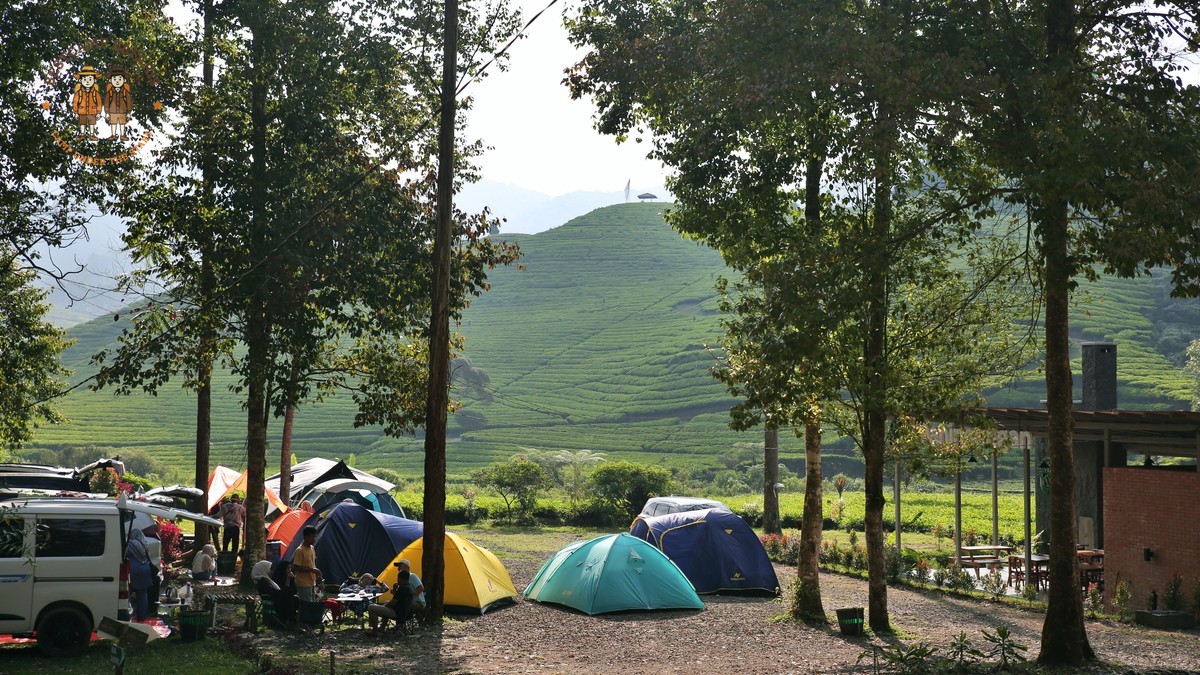
A mobile camp moves with you. On a typical route, the crew packs the entire camp while you are out on a morning game drive. By late afternoon, a new camp waits at the next site. Your tent is up, your bed is made, and hot water is ready for a shower. The camp itself is canvas, poles, folding tables, and a bush kitchen carried on a support truck.
Mobile camping in Kenya works in two main styles. A walk-in mobile camp travels with you on a multi-day safari, often through private conservancies where off-road driving and walking are allowed. A fly-camp is lighter, often just one or two nights, and is set up in a remote corner of a reserve for a wilder finish to a longer trip. Both styles offer the same trade-off. You give up some fixed comforts, but you gain access to quiet country where wildlife is not used to minibus traffic.
Mobile Camps Versus Permanent Tented Camps and Lodges
The easiest way to choose is to see exactly what changes between the options.
| Feature | Mobile camp | Permanent tented camp | Lodge or resort |
|---|---|---|---|
| Location | Moves nightly or every few nights, often inside a private conservancy | Fixed site, usually inside a reserve or conservancy | Fixed site, often outside or at the park edge |
| Privacy | High, often the only camp for miles | Medium, shares a site with 10 to 20 other tents | Low to medium, fixed rooms and shared public areas |
| Bathroom | Private bucket shower and a portable bush toilet | Plumbed shower and flush toilet in an attached bathroom | Standard hotel bathroom |
| Power and Wi-Fi | Limited, usually one charging point in the mess tent | Generator or solar, Wi-Fi in common areas | Full power, often Wi-Fi in rooms |
| Typical cost per person per night, all-in | USD 350 to 600 | USD 450 to 900 | USD 300 to 1,000 plus, depending on season |
| Best for | Campers and overlanders who want solitude | Travelers who want canvas plus comfort | Travelers who want walls, a pool, and predictability |
The prices above are indicative ranges for a mid-market to premium safari, not a budget overland truck. Park and conservancy fees are a real cost and sit on top of some quotes, so always ask exactly what is included.
Best Destinations and Realistic Drive Times
The Masai Mara is the classic choice, but it is not the only one. The Mara National Reserve is run by Narok County, not Kenya Wildlife Service, and its fees reflect peak demand. Non-resident adults currently pay USD 100 per day from January to June and USD 200 per day from July to December. Private conservancies around the Mara, such as Naboisho Conservancy and Mara North Conservancy, charge roughly USD 80 to 150 per person per night, usually bundled into your camp rate. Mobile camps in these conservancies can drive off the main tracks, which matters more than most travelers expect.
Amboseli National Park sits at the foot of Mount Kilimanjaro and is a strong second choice. Its KWS fee is USD 90 per adult per day for non-residents. Mobile camps here move between the lake and the marshes to follow the elephant herds.
Tsavo East and Tsavo West National Parks are wilder and much bigger. Both cost USD 80 per adult per day for non-residents under KWS. Mobile camping suits Tsavo well because the distances are huge and a fixed lodge ties you to one corner.
| Destination | Distance from Nairobi, roughly | Drive time | Non-resident adult fee per day |
|---|---|---|---|
| Masai Mara National Reserve (Narok County) | 270 km | 5 to 6 hours | USD 100 Jan-Jun, USD 200 Jul-Dec |
| Amboseli National Park (KWS) | 240 km | 4 to 5 hours | USD 90 |
| Tsavo West National Park (KWS) | 240 km | 5 hours | USD 80 |
| Tsavo East National Park (KWS) | 330 km | 5 to 6 hours | USD 80 |
| Chyulu Hills National Park (KWS) | 220 km | 4 to 5 hours | USD 40 |
For something quieter again, Chyulu Hills National Park costs just USD 40 per adult per day and suits walking-focused mobile safaris. Nairobi National Park costs USD 80 per adult per day but is only practical as a short fly-camp outside the city.
When to Go and How the Season Moves the Camp
The big seasonal shift is the migration. From July to October, millions of wildebeest and zebra move between the Serengeti and the Mara. Mobile camps in the Mara creep closer to river crossing points, which is exciting but busier and dearer. From January to June, the same camps can sit on the quiet eastern plains or inside conservancies, where cat sightings are often better and there are far fewer vehicles.
The rains shape the route too. Long rains fall from late March through May, and short rains come from November into early December. Mobile camps need firm ground and passable tracks, so most operators do not run mobile trips through the wettest weeks. July to October is the most reliable window across all regions. January to early March is drier and greener after the short rains, with fewer crowds outside the Mara.
What a Mobile Camping Safari Includes and What It Costs
Most private mobile camping safaris in Kenya are quoted all-in. That normally covers the canvas tent, camp bed and bedding, all meals, drinking water, park or conservancy fees, game drives in a private 4×4, the guide, the camp crew, and the support truck that moves the camp. Transfers from Nairobi are usually included or itemized. Tips, drinks beyond water, laundry, and international flights are the common exclusions.
For a detailed breakdown of line items, see our guide on Kenya mobile camping safari prices and what they include.
Expect to budget USD 350 to 600 per person per night for a good mid-range mobile camp in the Mara conservancies, all-in. Fly-camp nights at the top end can run USD 700 to 900 near the migration river crossings from July to October. Budget overland truck safaris can go lower, often USD 180 to 250 per person per night, but they share sites and basic facilities.
The biggest extra people forget is the reserve fee if your route enters the Mara National Reserve itself. At USD 200 per adult per day in the July to December high season, two people spend USD 800 on fees alone over two nights. Staying inside a private conservancy avoids that if your camp never crosses into the reserve.
Camp Life: Tent, Bucket Shower, Meals, and Power
The tent is a proper canvas safari tent, not a nylon backpacking dome. You get a camp bed with a real mattress, sheets, a pillow, and usually a duvet or blankets. There is room to stand up. A small veranda with two folding chairs faces the view.
The bathroom is private but basic. A canvas bathroom attaches to the back or side of your tent. The shower is a bucket shower, filled with hot water and hoisted on a rope. You pull a cord and get about five minutes of hot water. The toilet is a portable pit or cassette type with a bucket of ash or sawdust beside it. It is clean if the crew is good. The crew matters more than the brand name on the tent.
For an honest look at how much space and separation you get, read how private a mobile camp really is.
Food is cooked in a bush kitchen over gas, not over a campfire. Meals are simple and hearty. You get a cooked breakfast at camp or a bush breakfast packed and served under an acacia, a plated lunch, and a three-course dinner by lamplight. Drinking water is filtered and supplied in the mess tent. Tell BestCamp Safaris about any dietary needs before you book, and the cook will plan for them. Tipping is standard. Budget USD 10 to 15 per guest per day for the guide and a similar amount shared among the camp crew.
Power runs on solar and a small battery bank. There is one charging table in the mess tent, not in your tent. Wi-Fi is rare in a true mobile camp. Some premium fly-camps carry a satellite router, but do not plan around it. Phone signal is patchy in the Mara but often fine on higher ground. Safaricom reaches more valleys than other networks. Buy a Kenyan SIM with data in Nairobi before you leave.
Luggage, Laundry, Safety, and Family Tents
Most mobile safaris limit you to 15 kg per person in a soft duffel bag, not a hard suitcase. Small aircraft on fly-in safaris set the strictest limits. The camp crew handles bags daily. Most camps can do a small amount of hand laundry, but it may not dry in humid weather. Pack quick-dry clothing, a warm layer for 5am game drives, a head torch, a power bank, and a book. Camps are cold before sunrise, even in the Masai Mara.
Mobile camping in Kenya is generally safe when run by a licensed operator. Camps are often unfenced, so you never walk between tents after dark alone. An askari, or camp guard, escorts you by lamplight. Hearing hyenas at night is normal. They are close, but they stay out of a lit camp where people are moving and cooking.
Malaria risk is real in the Mara, Amboseli, and the Tsavo lowlands. Take a prophylactic prescribed for your itinerary and use repellent after dusk. Tents have mosquito nets or mesh screens. Families are fine, but mobile camping suits children over about 8 unless you pick a camp with family tents. See how family tents work on safari for more detail.
Scots Speaking Travelers Mobile Camping: Language Support That Actually Works
This is the part most travel sites skip. Scots and English are closely related languages. If you speak Scots, you already manage Scottish English every day, and Kenyan guides work in English. You do not need a special Gaelic-speaking guide. Scots is not the same thing as Scottish Gaelic, which is a Celtic language spoken by a much smaller number of people in the Highlands and Islands. If your first language is Scots, an English-speaking Kenyan guide will understand you well, with a little patience on both sides.
What helps is telling your booking team two things. First, that your accent is Scottish. Second, that you would like plain, slow English on the drive. BestCamp guides are used to Scottish guests. They can repeat place names, avoid fast idioms, and write key words on a note if a particular consonant gets lost. For booking, written email is often easier than a phone call if you are self-conscious about being understood. The BestCamp Safaris team replies in clear written English.
The BestCamp Safaris Difference
BestCamp Safaris runs mobile camping the way campers actually want it. The crew is dedicated to the camp, not borrowed from a lodge kitchen. Tents are spaced for real privacy, bucket showers are filled on schedule, and the support truck moves ahead so camp is ready when you arrive tired from a game drive. Our local guides know the conservancy tracks, respect park rules, and treat wildlife viewing as slow observation, not chasing. You choose the pace, the route, and how long you sit with a pride before breakfast.
Plan Your Mobile Camping Safari
If you are a Scots speaking traveler who would rather hear canvas flap than a generator hum, a Kenya mobile camping safari is worth the trade-off. It costs more than camping at home, but you are not bringing your own groundsheet. You are arriving to a bed already made in the middle of the Mara.
Contact BestCamp Safaris through our contact page to plan a route that fits your dates, your pace, and your language comfort. We will build the camp around it.


