
 Wildlife Tours
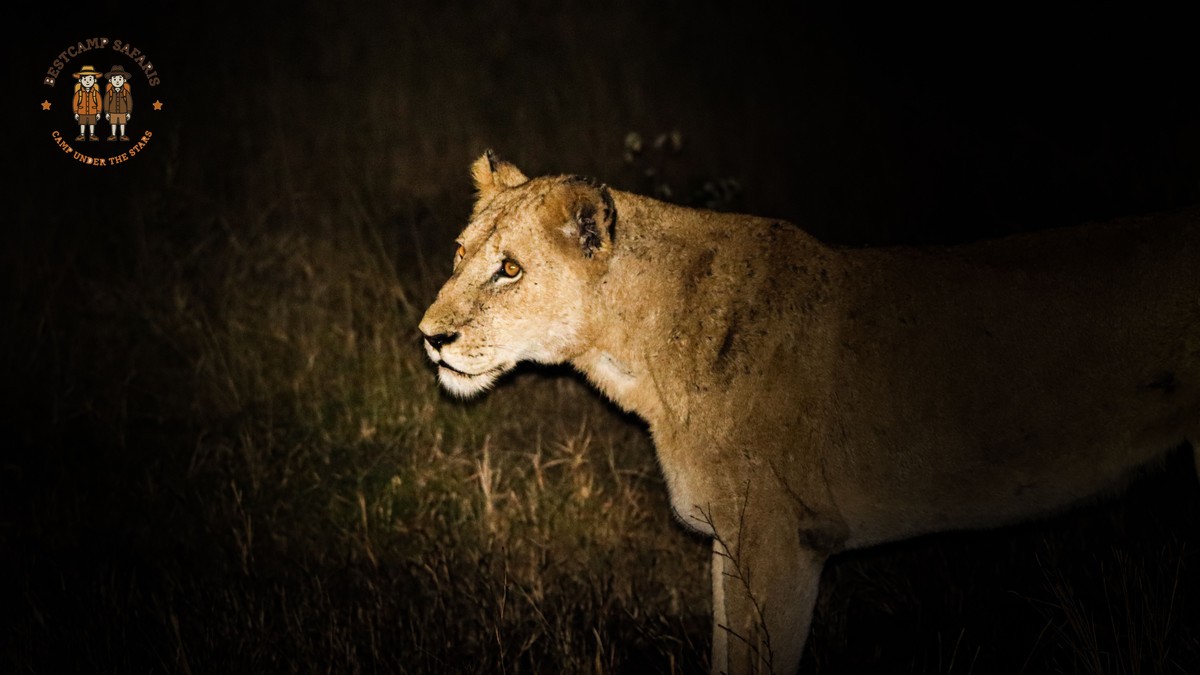
I have stood outside a Mara tent at 5am while the ground still held the cold from last night. Canvas creaked in the wind. A hyena whooped past the camp edge. My kids were still zipped inside. The question is not whether canvas is safe. The question is whether your child and your camp are ready for the night rules that make it safe.
Can children sleep in bush tents on a Kenya safari? Yes. It only works when the camp accepts the child’s age, the tent is fully zipped, and the whole family follows the escort system. The main risk is not sleeping inside the tent. It is moving around camp after dark without an adult. This guide is for family planners who want clear answers before they book.
Can Children Sleep in Bush Tents on Safari?
Yes, children can sleep in bush tents when the camp accepts their age and the tent is properly zipped and mosquito-protected. The main danger is usually leaving the tent after dark, not sleeping inside it. Parents must follow the camp’s escort system, keep children with an adult, and never allow unsupervised wandering.
A safari bush tent is not like a family camping tent at a public site. At an unfenced camp in the Masai Mara or Amboseli, animals can and do walk between tents. Canvas keeps you dry and private. It is not a solid barrier against a lion, but lions rarely try to enter a closed tent that smells strongly of people. The zipped doors keep children inside and mosquitoes out. The bigger risk is a child unzipping the flap at 11pm to look for a sound. You will hear canvas flap at 2am. You may hear heavy breathing outside. You stay in bed. You do not open the zip.
What Age Can Children Sleep in a Bush Tent?
There is no universal safari age limit. Many camps set their own minimum, and some will not accept children under eight. Child-friendly properties may welcome younger guests. Ask for the exact camp policy before booking. Ask whether a private vehicle, a family tent, or adult supervision is required for children under a stated age.
In Kenya, the answer changes by camp, not by the tent itself. Some Mara properties accept toddlers if the family books a two-room or family tent. Others set a firm five, six, or eight-year minimum and will not budge. A two-year-old may join a private, child-friendly camp, but you must confirm that the camp allows that age before paying a deposit. Ask about private game drives. Many camps require a private vehicle for children under six. That reduces pressure on other guests and lets you return to camp when a child is done. If a camp says no children under eight, do not try to talk a five-year-old in. That rule usually reflects night walks, shared vehicles, and camp layout, not a dislike of children. Some remote fly-in operations are stricter. For the full picture, read about children joining mobile camps in Kenya.
How Children Should Be Supervised in a Safari Camp
Children should stay within arm’s reach or clear sight of an adult around wildlife, water, fire, paths, and camp edges. They should not walk around alone, approach animals, or play beyond illuminated communal areas. After dark, an adult must call camp staff or an askari for every movement outside the tent.
At breakfast, you can let a ten-year-old fetch a bowl of fruit from the mess. You cannot let that same child wander down to the riverbank to look at tracks. A hippo path is exactly the kind of quiet spot a child finds fascinating. The ground at 5am feels hard and cool underfoot, but a buffalo may have walked there twenty minutes earlier. Keep younger children on the deck or inside the mess before a game drive. By 6am the kitchen crew is clinking spoons into boxes for the bush breakfast. Your child should already be at the table, not exploring behind the kitchen. After the drive, the afternoon heat makes everyone lazy. Use that time to rest. Do not let children disappear behind the kitchen tent. If you walk to your tent in daylight, point out the game fence line or the askari post. After dark, a child should not walk even ten meters without an escort.
Night Rules for Children in Bush Tents
Close and fully zip the tent before sleeping, keep children inside after dark, and call for an escort rather than opening the flap when they need the bathroom. Do not keep food or scented items inside, shine lights at animals, or leave the tent to investigate noises. Follow the camp’s radio, whistle, or bell procedure.
Most safari tents have heavy zips and a way to secure the door from the inside. You can usually fasten the zip pulls together. That is not the same as a deadbolt. A curious child can still work a zip. The real rule is simple: no child opens the tent after lights out. If a child needs the bathroom at 2am, use the bucket or toilet inside the tent if there is one. If the shared bathroom is outside, call the askari on the radio or use the camp bell. Then walk together with a lamp. I have done that walk at 3am. Lamplight makes a small yellow circle on the path. You hear crickets and the scuff of your own feet. That is the correct way to move. For more on the door itself, see whether safari tents lock from the inside. Keep snacks in the mess, not under a pillow. A cookie in a child’s hand at bedtime is a smell invitation. Water bottles are fine. Scented lotions and fruit are not.
Baby and Toddler Sleep Safety in Safari Tents
Babies need a firm, flat, uncluttered sleep surface such as a suitable portable cot, with good ventilation and no loose pillows, toys, or extra bedding. Confirm that the tent can fit the cot safely and will not overheat. A toddler’s needs differ, so ask about bed rails, family layouts, and direct adult access.
A baby should never sleep on a soft camp bed with a parent in a hot canvas tent. The risk of overheating or soft-surface suffocation is too high. Ask the camp for a proper travel cot with a firm mattress. Check that the tent has mesh windows for airflow. Some older bush tents have small windows and get very hot by 7pm. In that case, book a family tent with larger windows or a ceiling fan. A toddler may roll out of a camp bed. Ask for bed rails or request a family tent where a parent sleeps within a step. Do not use pillows or soft toys in the cot. In cooler highland areas like Lake Nakuru or the Laikipia plateau, the night temperature can drop. A sleep sack is safer than loose blankets. Canvas will snap in the breeze. That sound can wake a toddler. A small white noise app often helps, but do not cover the cot with anything.
How to Choose a Child-Friendly Bush Camp
Choose a camp that confirms its minimum age, provides family or interconnecting tents, offers escorted night walks, and has staff used to hosting children. Ask whether the camp is fenced, how far tents are from the mess, whether private meals or vehicles are available, and what happens if a child becomes frightened by wildlife sounds.
Start with the camp’s child policy in writing. Then look at the tent layout. A family tent usually has two sleeping areas separated by a canvas wall or a short corridor. Interconnecting tents give two rooms with an internal door. This matters more than a pool or a kids club. For a full explanation, see how family tents work on a Kenya safari. Ask how far your tent is from the mess. At some camps that is a two-minute walk. At others it is a dark, sloping five-minute walk. With small children, request a tent near the main building. Also check the fence line. Some camps in Amboseli and Tsavo are fully fenced at night. That is not a guarantee, but it changes how closely a small child must be supervised around the tent.
| Destination | Distance from Nairobi | Typical road / flight time | Non-resident entry fee and notes | Indicative camp rate per person per night | Child-friendly note |
|---|---|---|---|---|---|
| Masai Mara National Reserve | About 240 km via Narok | 5 to 6 hours by road, 45 min from Wilson Airport | USD 100 Jan-Jun, USD 200 Jul-Dec per adult per day. County-run, not KWS | USD 450-1,200 | Unfenced in most areas. Ask min age and escort policy. |
| Amboseli National Park | About 240 km | 4 to 5 hours by road, 45 min flight | USD 90 per adult per day (KWS) | USD 350-900 | Many family-friendly tents. Waterhole overlooks. |
| Tsavo East / Tsavo West | 250-300 km depending gate | 5 to 6 hours by road | USD 80 per adult per day (KWS) | USD 300-800 | Some camps fenced. Good for younger children. |
| Lake Nakuru National Park | About 160 km | 2.5 to 3 hours by road | USD 90 per adult per day (KWS) | USD 250-600 | Easier first stop. Fenced camps more common. |
| Naboisho Conservancy, Mara | Fly to Naboisho airstrip | 45 min flight from Wilson | USD 80-150 per person per night conservancy fee | USD 400-900 | Lower vehicle density. Stricter night escort rules. |
| Mara North Conservancy | Fly to Mara North airstrip | 45 min flight from Wilson | USD 80-150 per person per night conservancy fee | USD 500-1,000 | Private wildlife areas. Night escorts standard. |
The fees are current as of July 2026. The Mara fee is set by Narok County, not KWS, and rises during the migration months from July to December. Conservancy fees in Naboisho and Mara North are usually bundled into the lodge rate. Camp rates are indicative per person per night and shift with season, child discount, and family tent choice.
The BestCamp Safaris Difference
BestCamp Safaris starts every family inquiry with two questions. First, how old are the children? Second, what worries you most at night? We then check each camp’s minimum age, family tent setup, fence status, and escort routine before we send options. We do not put a family into a tent that is wrong for their stage. We prefer slower itineraries with two or three nights per camp so children learn the night rhythm instead of repacking daily.
Our team has slept in mobile tented camps in the Mara, Amboseli, and Tsavo. We know the difference between a camp that tolerates children and a camp built for them. We can arrange private vehicles, early dinners, family guides, and an extra mattress for a frightened five-year-old. We also make sure the camp manager briefs you on the radio, bell, or whistle routine before dark, not as a footnote at 9pm.
Frequently Asked Questions
Can children sleep in bush tents?
Yes, children can sleep in bush tents if the camp permits their age and the tent remains fully zipped. Adults must supervise them closely and follow the camp’s rules for movement after dark. Children should never leave the tent alone or walk to the dining area without an escort.
What age can children stay in a safari tent?
The minimum age depends on the camp, not on safari accommodation as a whole. Some properties exclude children under eight, while others accept younger children with specific supervision or room requirements. Confirm the exact policy for every camp on the itinerary before paying a deposit.
Is it safe for children to sleep in a tent on safari?
It can be safe when the tent is secure, the child stays inside after dark, and adults follow the camp’s escort procedures. The higher-risk situation is usually walking outside at night, not sleeping inside a properly closed tent. Camp staff should explain the rules during arrival.
Can a 2 year old go on safari?
A two-year-old may be accepted by some child-friendly safari camps, but age policies, vehicle rules, medical access, and sleeping arrangements vary. Choose a private or flexible itinerary, verify that a cot or safe bed is available, and confirm whether the camp requires an adult to supervise every movement outside the tent.
Do children have to be escorted to their tent at night?
At many unfenced safari camps, yes. Guests are expected to call camp staff or a night guard for an escort after dark. This applies even when the tent is close to the mess. Children should never make that walk independently.
Plan the Trip with BestCamp Safaris
Tell us your children’s ages and the park you have in mind. We will match you with child-friendly camps, family tents, and a pace that works for your family. Start on the contact page and we will build the night rules into the itinerary, not leave them to chance.


