 Wildlife Tours
You speak Corsican at home. Maybe you also speak French for work or travel. You want the real Kenya, not a fenced lodge with a buffet. A mobile camping safari is the answer. This Corsican speaking travelers mobile camping guide covers costs, camps, language support, and what to expect on the ground.
What is a mobile camping safari in Kenya?
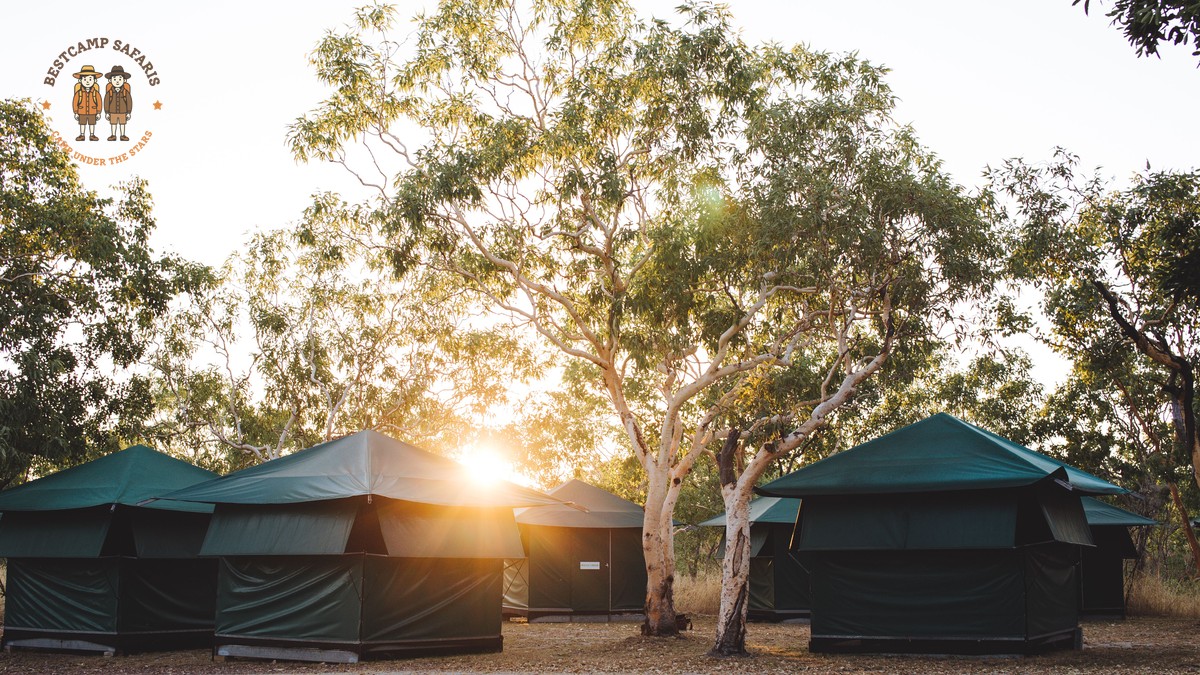
A mobile camping safari is a tented camp that moves with you. The camp crew packs everything into vehicles. They drive ahead while you are on a game drive. By the time you arrive, your tent is up and dinner is cooking.
Unlike a permanent lodge, a mobile camp has no fixed location. It sets up in seasonal spots that give the best wildlife access. This matters most in the Masai Mara between July and October. That is when the Great Migration crosses the Mara River. A mobile camp can follow the herds.
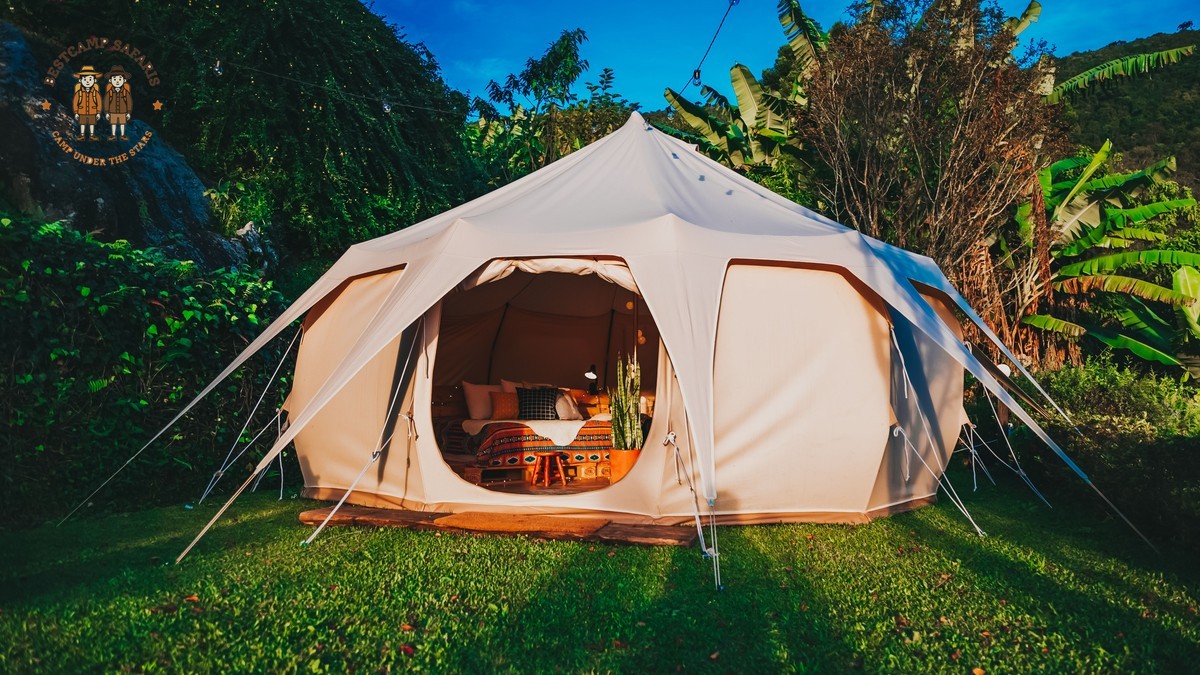
The tents are walk-in safari tents. Most have a canvas outer layer and a mesh inner layer. You sleep on a proper bed with sheets and pillows. The ground beneath you is a mattress or a cot. You hear the bush all night. That is the point.
Why choose mobile camping over a permanent safari lodge?
Lodges are comfortable. They have pools, bars, and permanent walls. But they are fixed in one spot. Wildlife moves. Lodges do not.
Mobile camping puts you closer to the action. You wake up to the sound of lions or hyenas near camp. The camp is small, often 6 to 12 tents. You eat with your guide and the camp crew. You get to know the people who make your trip work.
The trade-off is honest. Mobile camps have fewer permanent facilities. Power is often limited to solar charging for cameras and phones. Wi-Fi is rarely available or very slow. Showers are warm, not hot, and are usually bucket showers. This is bush camping, done properly.
If you want a pool and a spa, book a lodge. If you want the smell of wood smoke and the sound of a hyena at 3am, choose mobile camping.
Best Kenyan destinations for a mobile camping safari
Kenya has many parks. For a mobile camping safari, three regions stand out.
Masai Mara National Reserve
The Mara is the flagship. It is a county-run reserve, not a national park. Entrance fees are USD 100 per adult per day from January to June. From July to December, during the migration, the fee doubles to USD 200 per adult per day.
The reserve covers about 1,510 square kilometers. The adjacent private conservancies, like Naboisho and Mara North, add more space. These are private land. Camp fees there range from USD 80 to 150 per person per night, often bundled into your lodge or camp rate.
Amboseli National Park
Amboseli is famous for elephants and views of Mount Kilimanjaro. It sits in the south, near the Tanzania border. The park fee is USD 90 per adult per day. The roads are dry and dusty. The swamps attract big herds of elephant and buffalo.
Mobile camps operate on the edges of the park. From your tent you can see Kilimanjaro at sunrise. It is a different landscape from the Mara. Open plains, acacia woodland, and the dried lake bed.
Chyulu Hills National Park
Chyulu Hills is quieter and cheaper. The fee is USD 40 per adult per day. It is a volcanic landscape of rolling green hills and ancient lava tubes. Fewer tourists come here. It pairs well with Amboseli and Tsavo for a longer southern circuit drive.
Comparison of key parks
| Park or area | Entrance fee (USD/adult/day) | Drive from Nairobi | Best season | Main attraction |
|---|---|---|---|---|
| Masai Mara Reserve (Jan-Jun) | 100 | 5-6 hours | Jan-Jun | Big cats, year-round wildlife |
| Masai Mara Reserve (Jul-Dec) | 200 | 5-6 hours | Jul-Oct | Great Migration river crossings |
| Naboisho Conservancy | 80-150 (bundled) | 6-7 hours | Year-round | Private guided safaris, low crowds |
| Amboseli National Park | 90 | 4-5 hours | Jun-Oct and Jan-Feb | Elephant herds, Kilimanjaro views |
| Chyulu Hills National Park | 40 | 3-4 hours | Jun-Oct | Hiking, lava tubes, solitude |
| Tsavo East National Park | 80 | 3-4 hours | Year-round | Huge park, red elephants, the Galana River |
Distances are indicative and depend on road conditions. The Narok highway to the Mara is now paved, which cut driving time by about two hours.
What to expect from a mobile safari camp
You arrive in the late afternoon. The camp crew greets you with cold drinks and warm towels. Your tent is a double-layered canvas dome. Inside, there is a bed with flannel sheets, a pillow, and a duvet. A small table holds a solar lantern. The floor is a groundsheet over packed earth.
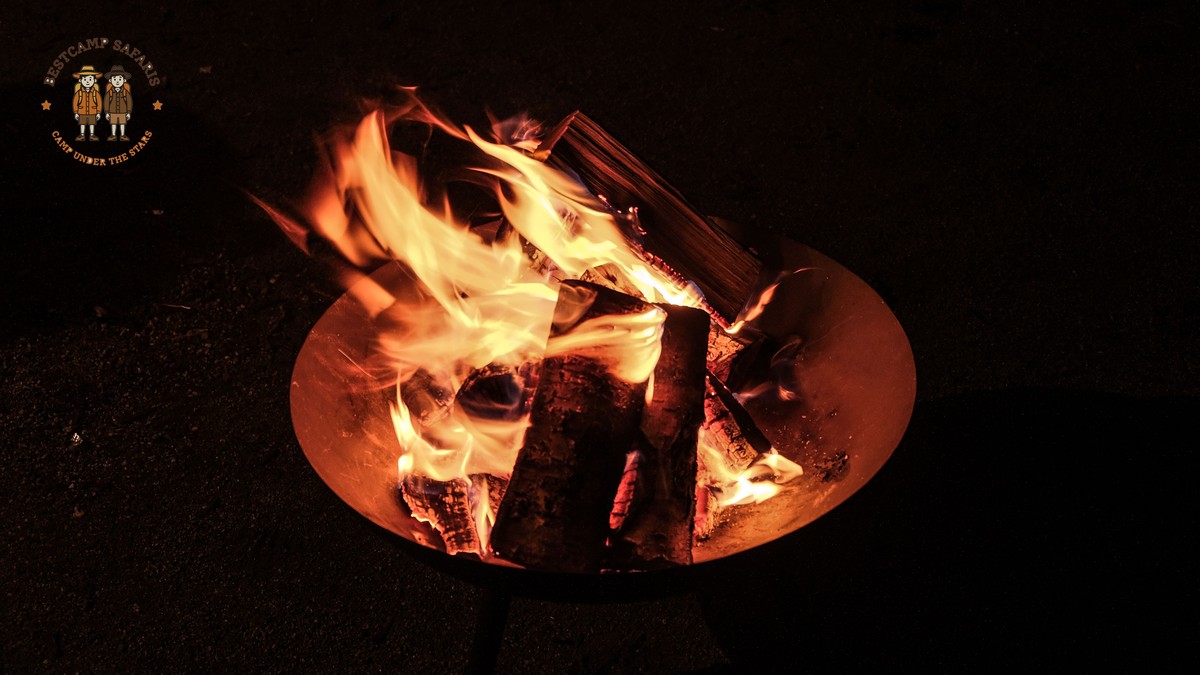
Bathrooms are often en-suite but basic. A canvas enclosure behind the tent has a bucket shower and a camp toilet. The crew heats water over a fire and hoists a canvas bucket above your head. You pull a cord and the water falls. It is a satisfying experience after a dusty game drive.
Meals are served in a mess tent or under the stars. Breakfast is porridge, eggs, toast, and fruit. Lunch is a boxed meal on the game drive. Dinner is a set menu. Expect grilled meat, vegetable stew, rice, and fresh salad. Vegetarians and other dietary needs are normal. Tell us in advance.
The camp has generators or solar for basic power. Most camps charge camera batteries at a central charging station. Phone signal is patchy or absent in remote spots. Satellite Wi-Fi is available at some camps for an extra fee.
Safari itinerary and day-to-day logistics
Most mobile camping safaris run from 5 to 10 days. Here is a sample 7-day itinerary.
Day 1: Nairobi to Amboseli
Pickup at your Nairobi hotel at 7:30am. Drive south for 4 to 5 hours with a stop in Namanga town. Lunch at the camp. Afternoon game drive in Amboseli. Overnight in a mobile camp near the park gate.
Day 2: Amboseli full day
Morning game drive from 6:30am to 10am. Return for a late breakfast. Rest during the heat of the day. Afternoon drive from 4pm to 6:30pm. Watch elephants at the swamp. Overnight at the same camp.
Day 3: Amboseli to Chyulu Hills
Morning game drive. Then drive north about 2 hours to Chyulu Hills. Set up camp at a private ranch. Afternoon nature walk with a Maasai guide. Learn about volcanic craters and local plants. Overnight in camp.
Day 4: Chyulu Hills to Masai Mara
Long drive day. Leave after early breakfast. Stop for lunch in Narok town. Continue on the paved highway to the Sekenani Gate. Arrive at your mobile camp in the late afternoon. Overnight in camp.
Day 5: Masai Mara full day
Morning game drive at 6:30am. The savannah is cool and busy with animals. Watch lions hunt and cheetahs scan for prey. Return to camp for brunch. Afternoon drive focuses on the Mara River. In July through October, look for wildebeest crossings. Overnight in camp.
Day 6: Mara North Conservancy
Spend the day in the Mara North Conservancy, right next to the reserve. Drive to the conservancy gate at 6:30am. Your guide pays the conservancy fee. Expect fewer vehicles and the freedom to drive off-road. Enjoy a bush lunch under a shady acacia tree. Overnight in a mobile camp in the conservancy.
Day 7: Mara to Nairobi
Grab a pre-dawn coffee and a quick biscuit. Leave camp by 7am. Drive back to Nairobi with a stop at a curio shop. Arrive at your hotel or the airport by 3pm.
Best time to travel
The dry seasons are best for wildlife viewing.
- June to October is the Great Migration season in the Mara. Crowds peak in August. Fees peak too, at USD 200 per day.
- January to February is a short dry season. Calving season in the Mara attracts predators. Amboseli is good too.
- March to May is the long rainy season. Some camps close. Roads get muddy. Avoid this window unless you want deep discounts.
For a mobile camping safari, aim for June to October if you want the migration. January to February is a quieter alternative with better prices.
Safari costs and what is included
Prices vary by camp, season, and group size. A reasonable indicative range is USD 300 to 600 per person per night for a full-service mobile camping safari. This includes a private guide, a 4×4 Land Cruiser, all park and conservancy fees, full board meals, and the camp setup.
Not included: international flights, visas, drinks, tips, and optional extras like hot air balloon rides (about USD 450 per person).
You need to budget extra for:
- Tips for your guide and camp crew. Plan on USD 15 to 25 per person per day.
- Personal items, laundry, and souvenirs.
- Travel insurance that covers emergency evacuation.
Pay with US dollars in cash for tips and small purchases. Cards work in Nairobi and larger lodges. Mobile camps rarely have card readers.
Language Support for Corsican Speaking Travelers Mobile Camping Trips
Here is the honest answer to a common question. There are very few guides in Kenya who speak Corsican. Corsican is not widely taught outside the island. You should not expect to hear your mother tongue on safari.
Instead, plan around French. Most Kenyan guides who work with European travelers speak French to a conversational or fluent level. French is more common than English among guides who handle Belgian, French, and Swiss clients.
What this means in practice:
- You can request a French-speaking guide when you book. BestCamp Safaris will confirm that before you pay.
- The guide handles park gates, camp staff, and Maasai walk leaders. He or she translates for you.
- Camp staff usually speaks Swahili and English. Your guide translates your dinner requests, shower timing, and wake-up calls.
- You can bring a phrasebook or your phone with a translation app. Offline French to Corsican dictionaries exist, but coverage is limited.
- For deep interpretation, you can hire a local interpreter in Nairobi who speaks French and has some Corsican. This is rare and expensive. For most travelers, a French-speaking guide is enough.
Book at least eight weeks ahead in the high season. This gives the safari company time to match you with a French-speaking guide. Do not assume it is available on short notice.
Packing list and essential documents
For a mobile camping safari, pack light but smart. A soft duffel bag of 60 to 80 liters works best. Hard suitcases do not fit well in safari vehicles.
- Passport valid for at least six months with two blank pages.
- Visa. Most nationalities get a visa online for about USD 34. The eTA system is now mandatory. Apply 2 weeks ahead.
- Yellow fever vaccination certificate. Required if you arrive from a yellow fever country. Carry the card.
- Anti-malarial medication. Get a prescription from your doctor.
- Headlamp or flashlight. Camps are dark after dusk.
- Insect repellent with DEET and a light long-sleeve shirt for evenings.
- Comfortable walking shoes. Flip-flops for the shower tent.
- Solar power bank for your phone.
- Lightweight fleece and a windbreaker. Mornings are cold, around 10 to 12 degrees Celsius in July.
- Binoculars. A mid-range 8×42 model works well.
Is mobile camping safe for first-time safari travelers?
Yes, with common sense. The camps are in wildlife areas. You walk with a guide after dark. You do not wander alone. Keep your tent zipped. Store food in the camp kitchen, not your tent.
The crew is experienced. They know the local wildlife patterns. They place the camp in a safe spot. In the Mara, that often means on a ridge with good visibility.
Medical care is far from remote camps. The nearest clinic can be 2 to 3 hours away. That is why travel insurance with helicopter evacuation cover is essential. In an emergency, a fixed-wing aircraft can land on a bush strip near most camps.
Connectivity and money
Do not expect reliable internet. Mobile camps rarely have Wi-Fi. Signal on your phone depends on the network. Safaricom has the best coverage across Kenya. Buy a local SIM at the airport in Nairobi.
ATMs exist in Narok and other gateway towns, but not in the parks. Withdraw enough cash in Nairobi before you leave. Use dollars in crisp notes for tipping.
How to book a mobile camping safari
Plan ahead. Decide your dates, your budget, and your top destinations. Tell us that you need a French-speaking guide. We handle the rest.
Start with our mobile camping safari guide for language-specific travelers to see how other travelers plan their trips. For a broader look, check the Kenya mobile camping safari planning guide. If your group mixes French and English speakers, our mobile camping safaris in Kenya for international travelers covers mixed-language logistics.
The BestCamp Safaris Difference
We are a Kenyan-owned safari company. Our guides live here. They grew up in these landscapes. They know the bird calls, the animal tracks, and the Maasai elders who manage the conservancies.
For Corsican-speaking travelers, we make one promise. We confirm your French-speaking guide before you pay. No surprises at the airport.
Our mobile camps are small by design. Six tents, not sixty. You get a private 4×4 with pop-up roof, a guide who stays with you the whole trip, and a camp crew that treats you like family.
We handle the logistics: park bookings, conservancy fees, camp setup, and the daily game drive schedule. You handle the binoculars.
Ready to plan your mobile camping safari?
Tell us when you want to travel and how many nights you have. We will prepare a route that matches the season and your pace. One of our travel consultants will send you a draft itinerary with exact prices.
We speak French and English. You speak Corsican at home. Let the planning be simple.
Contact BestCamp Safaris to start planning your mobile camping safari in Kenya.


