 Adventure Tours
You speak Breton at home and French at school or work. You want a real African bush experience, not a lodge with a buffet. This guide is written for Breton speaking travelers: mobile camping in Kenya is the answer. But you have one big question: will anyone understand you?
Most Kenya safari guides speak English and Swahili. Very few speak French. Almost none speak Breton. This guide shows you how to plan a mobile camping safari anyway. It covers costs, daily life, safety, and how to get a French-speaking guide.
I have spent many nights in canvas tents across Kenya. I know what the ground feels like at 5am before a game drive. I know the sound of a bush breakfast being packed away. Let me walk you through it.
What “Mobile Camping Safari” Actually Means
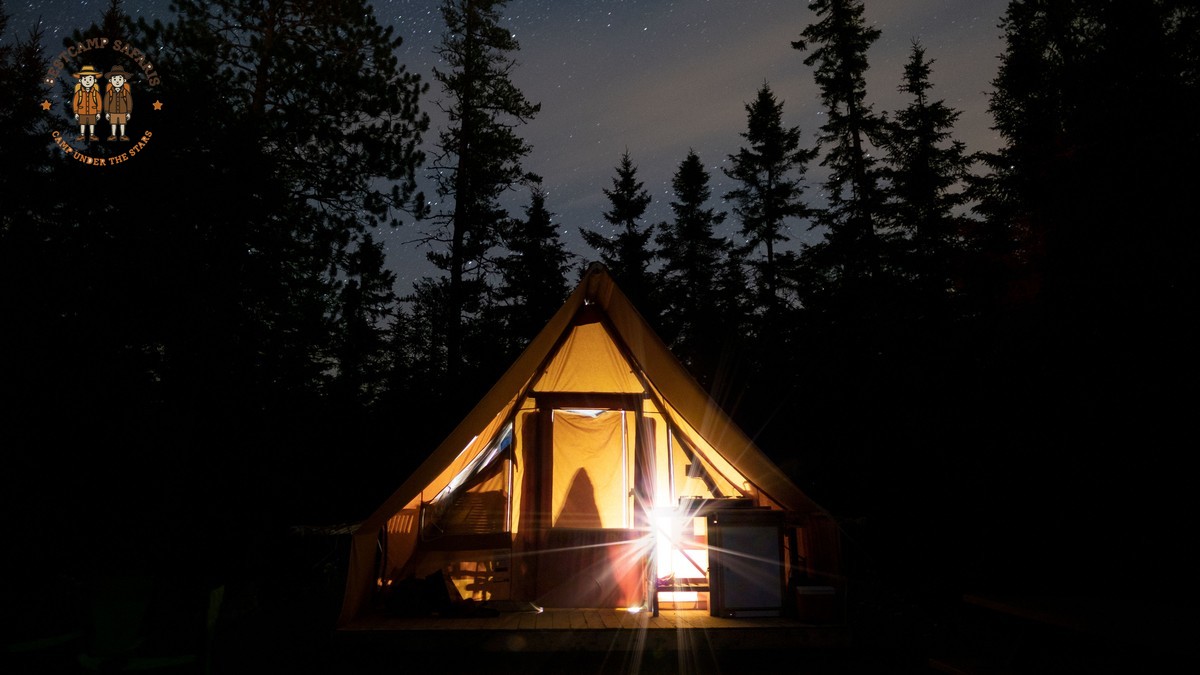
A mobile camping safari is not a lodge safari. You sleep in a tent that gets set up by a camp crew. The camp moves with you as you travel. You might stay two nights at one spot, then pack up and drive to the next park.
The crew drives ahead of you. By the time you arrive, the tents are up. Your bed is made. The camp chairs are out. There is usually a mess tent for dining and a bucket shower behind a canvas screen.
This is different from a fly-camp, where you walk or drive to a spot with minimal gear. A mobile camp has more comfort. But it is still canvas, not concrete.
A lodge safari means permanent buildings. Swimming pools, tile floors, restaurant menus. You are safe from the weather. But you are also removed from the bush. At a mobile camp, you hear the animals all night. That is the point.
Real Costs for 2026
Prices below are in US dollars per adult, per day. They are current as of late 2025. Park fees change, so always confirm before booking.
| Item | Cost (USD) | Notes |
|---|---|---|
| Masai Mara fee, Jan-Jun | $100/day | Administered by Narok County, not KWS |
| Masai Mara fee, Jul-Dec | $200/day | Peak migration season |
| Lake Nakuru fee | $90/day | KWS national park |
| Nairobi National Park fee | $80/day | KWS, near the city |
| Naboisho Conservancy | $80-150/night | Private, usually bundled into lodge rates |
| Mobile camp package, low season | $250-400/day | Includes camp crew, meals, transport |
| Mobile camp package, peak season | $400-600/day | July-October, higher demand |
Those package prices are indicative ranges based on typical operator rates. Exact figures depend on group size and the number of nights. A private mobile camp for two people costs more per person than a group of six.
The headline cost is the park fee. If you go to the Mara in August, you pay $200 per day just to enter. That adds up fast for a week-long trip. Budget for it.
Low season (January-June) is much cheaper. The grass is longer in places, but the wildlife viewing is still excellent. You also avoid the crowds.
A Sample Day-by-Day Itinerary
This is a classic route. It covers three very different habitats. Distances are real, taken from actual driving times.
Day 1: Nairobi to Lake Nakuru. About 160 km, roughly 3 hours by road. You leave the city and climb into the Rift Valley. Lake Nakuru National Park is famous for flamingos and rhinos. You camp inside the park or just outside the gate. KWS fee is $90 for the day.
Day 2: Lake Nakuru to Lake Naivasha. About 90 km, roughly 2 hours. Naivasha is a freshwater lake, not a park. You can walk along the shore and see hippos from the water. Camp on a private lakeside plot. This is a good night for a campfire.
Day 3: Naivasha to Masai Mara. About 250 km, roughly 5-6 hours including a lunch stop. The road is decent until the last section. The Mara escarpment drops suddenly. You arrive at your mobile camp in the late afternoon, in time for a short evening game drive.
Days 4-6: Masai Mara. Full days in the reserve. Morning drives start at 6:30am. Afternoon drives run from 4pm to sunset. In July-October, the wildebeest migration is crossing the Mara River. The fee is $200/day in peak season.
Day 7: Return to Nairobi. The drive back takes 6-7 hours depending on traffic. You can also fly out from the Mara airstrip on a small plane. That costs extra but saves a full day.
Named Camps Worth Knowing
You do not choose a mobile camp the way you choose a hotel. The operator sets up where they have permission. But you should know these areas.
In the Mara, the private conservancies are better than the reserve. Naboisho and Mara North have strict vehicle limits. You see fewer trucks. Fees run $80-150 per person per night, usually bundled into your total. Camps in these areas are semi-permanent. They go up for the season and come down after.
On Lake Naivasha, several operators have permanent campsites on private land. This is not a mobile camp, but it is a good base for two nights before the Mara. You get real beds in tents with views of the water.
In Amboseli National Park, the campsites are inside the park fence line. You see Kilimanjaro in the morning. The KWS fee is $90/day. The park is flatter and drier than the Mara. Different animals, same canvas.
Daily Camp Life
Reveille comes early. At 5am, the camp crew starts moving. You hear the clink of tin mugs and the hiss of a gas stove. Your tent zipper is the loudest sound in the bush.
You dress in the dark. A headlamp helps. You walk to the mess tent for tea and porridge or eggs. The coffee is strong and hot. Then you climb into the safari vehicle and the engine turns over. The sky is just starting to lighten.
The morning game drive runs three to four hours. You stop for a bush breakfast around 9am. The crew sets up a folding table with fresh fruit, pancakes, and thermoses of tea. You eat standing up, watching the horizon.
Back in camp by midday, you rest during the heat. Lunch is a relaxed affair. The afternoon drive starts at 4pm. You return as the sun sets. The crew meets you with a warm towel and a sundowner drink.
Dinner is served by lantern light. The generator runs for a few hours to charge batteries. Then the camp goes quiet. You walk to your tent with a flashlight. The canvas walls rustle in the breeze. You hear hyenas whoop in the distance.
Safety at Unfenced Bush Camps
This is the question every first-timer asks. Is it safe to sleep in a tent with lions nearby?
The short answer is yes, if the camp is run properly. Mobile camps are unfenced by design. They rely on a night watchman. He sits by the fire all night. He has a flashlight and sometimes a horn. His job is to spot animals and warn the camp.
You follow simple rules. Do not walk alone after dark. Always use the bucket shower before dinner, not after. Keep food smells out of your tent. Zip your tent fully shut.
Lions have walked through camps. It happens. But camps are set up in areas where wildlife is used to human presence. Animals usually avoid the tents. They are interested in the watering hole, not in you.
The real dangers are not the big cats. It is waking up and stepping on a scorpion or snake. So keep your shoes inside the tent. Shake them out before putting them on. This is the advice every guide gives, and it is the advice most people ignore.
Solo travelers are fine at mobile camps. The crew looks out for you. You will meet other guests, because mobile camps usually have a minimum of two people. They will become your bush family for the week.
Breton Speaking Travelers Mobile Camping: The Language Situation
Here is the honest truth. Most Kenyan guides speak English and Swahili. A smaller number speak French. Almost no one speaks Breton.
But this is fixable. You just need to plan ahead.
Request a French-speaking guide at booking. This is the most important step. BestCamp Safaris can assign you a guide who speaks French fluently. Some of our guides have studied in French-speaking countries. You should ask for this explicitly when you book, not assume it.
Bring offline translation tools. Download a French-Swahili or French-English dictionary on your phone before you travel. The camp staff speak limited English. A simple phrase like “Asante sana” (thank you very much) goes a long way. The crew will appreciate your effort with their language.
Use the Breton-French connection. You are already bilingual. A guide who speaks French is a guide you can talk to directly. The Breton language can be your private way to speak with your travel partner. The guide will not understand your Breton. That can be useful for making private comments about the elephant you just saw.
Learn a few key phrases. Here is a cheat sheet for camp life:
- “Mank” (water in Breton) or “Eau” (French)
- “Nann, trugarez” (No, thank you) or “Non, merci”
- “Mat eo” (It’s good) or “C’est bon”
- “Noz vat” (Good night) or “Bonne nuit”
The crew will hear you speaking Breton among yourselves. They will smile and ask where you are from. It is a great conversation starter.
For more language planning, see our Scottish Gaelic-speaking travelers’ safari guide which covers similar ground for another minority language. We also have a guide for Sorbian-speaking travelers and a Romansh-speaking travelers’ mobile camping guide. The principles are the same: plan ahead, request your language at booking, and bring offline tools.
What to Pack
You do not need to bring a tent. That is the point of a mobile camp. But you do need the right gear.
Bring a headlamp with spare batteries. The camp provides lanterns, but a headlamp frees your hands. Bring a warm fleece for early morning drives. The Mara gets cold before sunrise. Bring sturdy walking shoes and sandals for camp.
A small power bank is useful. The camp generator runs for a few hours, but it cannot charge everything. Keep your camera batteries topped up when the generator is on.
Do not bring a hard suitcase. A soft duffel bag is easier to store in the safari vehicle. Do not bring drones. They are banned in national parks and the Mara.
Sunscreen, insect repellent, and a wide-brimmed hat are essential. The high altitude sun is strong. Lip balm with SPF is a good idea. The dry air cracks lips quickly.
Bring personal medications with you. Camp shops do not exist. The nearest pharmacy is hours away. If you have a prescription, bring enough for the whole trip plus a few extra days.
FAQs
Do Kenya safari guides speak French? Some do. You must request a French-speaking guide when you book. Do not assume it. BestCamp Safaris has guides who speak French fluently.
How much does a mobile camping safari in Kenya cost? Plan for $250-600 per person per day including park fees, depending on season. Peak season in the Mara is double the low season fee.
Is it safe for solo travelers? Yes. Mobile camps have staff on site at night. You will join a group or share the camp with other guests.
What is the difference between mobile camping and a lodge? Mobile camping means canvas tents and a camp crew. A lodge means permanent buildings. Camping is closer to the wildlife.
Do I need my own tent? No. The camp crew provides everything. You bring only your personal gear.
What is the best time of year? For the migration, July to October. For lower costs, January to June. Both have good wildlife viewing.
Honest Trade-offs
Camping is not for everyone. The bucket shower is a canvas bag with a showerhead. It gives you about 10 liters of warm water. That is enough for a fast rinse, not a long soak.
The toilets are pit latrines or portable chemical toilets. They are clean but basic. You are in the bush, not in a hotel.
You will be dusty. The roads are unpaved. The dust gets everywhere, even inside zipped tents. Accept this early and you will enjoy the trip more.
Wildlife noise at night can be disruptive. A lion roaring near camp is thrilling at first. It is less thrilling at 3am when you need to walk to the latrine. You learn to time your bathroom breaks before bed.
The BestCamp Safaris Difference
We run mobile camps the way they were meant to be run. Our crew sets up camp before you arrive. The tents are three-meter dome tents with proper beds and fresh linens. The mess tent serves hot meals cooked over a wood fire or gas stove.
We believe in real distances and honest pricing. What we quote includes park fees, camp fees, meals, and the crew. What it does not include is alcohol, tips, and optional flights. We tell you this before you book, not after.
For Breton and French speakers, we assign guides who actually speak French. You will not spend a week miming your requests. You will have real conversations about the animals, the politics, and the weather.
We also work with conservancies like Naboisho and Mara North. These areas are quieter than the main reserve. You see the same wildlife with fewer vehicles. The fees are higher, but the experience is more intimate.
We are not the cheapest operator. We are the operator that shows up on time, with working equipment, and a crew that knows what they are doing. That is worth the extra cost.
Ready to Plan Your Camping Safari?
A mobile camping safari is the most immersive way to see Kenya. You sleep in the bush, eat under the stars, and wake to the sounds of the wild. As a Breton speaker, you can do this. Just ask for a French-speaking guide and bring your offline translation tools.
Plan your trip with BestCamp Safaris. We will build an itinerary around your language needs and your camping style. Whether you want a classic Mara route or a remote fly-camp, we can make it happen. Contact us to start planning your mobile camping safari today.


