
 Adventure Tours
I want to answer the tent privacy honeymoon safari camp question honestly, because most safari sites will not. Canvas does not block sound. Not really. If you are booking a honeymoon tent and picturing the same hush you get behind a hotel room door, you need better information before you pay a deposit.
I have slept in enough mobile camps to know what actually gives you privacy on safari. It is not the tent fabric. It is where that tent sits, how many other tents are around it, and who else is staying in camp with you.
Do Canvas Tent Walls Actually Block Sound?
No. Canvas is a fabric, not a wall. It stops wind, rain, and some light. It does very little for sound.
A typical canvas wall reduces sound by maybe 5 to 10 decibels, according to glamping industry acoustic testing. Compare that to a solid interior house wall, which can cut sound by 40 decibels or more. That gap is the whole story. A quiet conversation at normal volume, around 60 decibels, will still be clearly audible through canvas from a few meters away.
So if you can hear a zipper open two tents down, or someone padding across their deck at 5am before a game drive, that is normal. It is not a design flaw. It is just what canvas does.
This is why I tell honeymoon couples to stop asking “will the tent block sound” and start asking “how far away is the next tent.” That question actually has a useful answer.
Tent Privacy Honeymoon Safari Camp Basics: Spacing and Layout
Distance, not fabric, is what buys you privacy in a tented camp. Most well-run camps in Kenya space tents between 20 and 60 meters apart, using bush, riverbank, or raised decking to break sightlines and add distance.
Smaller, owner-run camps tend to space tents further apart because they have fewer guests to fit on the same plot of land. Big lodges with dozens of rooms often cannot afford that kind of spacing, so rooms sit closer together, sometimes sharing a wall or a covered walkway.
Here is how that plays out across the accommodation types you will actually see when booking in the Masai Mara ecosystem.
| Accommodation type | Typical room or tent count | Typical spacing between units | Noise privacy | Indicative price (USD/person/night) |
|---|---|---|---|---|
| Large safari lodge (Amboseli, Tsavo areas) | 40 to 80 rooms | Attached or 5 to 10m | Low | $150 to $350 |
| Standard tented camp (Mara North, Naboisho) | 8 to 16 tents | Roughly 20 to 40m | Medium | $350 to $700 |
| Small owner-run camp (Kicheche-style, Cottar’s-style) | 6 to 9 tents | Roughly 30 to 60m | Medium-high | $600 to $1,000 |
| Exclusive-use fly-camp | 2 to 6 tents, whole camp booked | 40m or more, no other guests | High | $900 to $2,000+ |
These figures are indicative ranges based on typical Mara-area pricing and layouts, not fixed quotes from any single property, since rates shift with season and demand.
Honeymoon-Specific Tents and Suites
Camps that market to couples usually set one or two tents apart from the rest, sometimes on a separate bank of the same river, sometimes tucked behind a ridge. These are worth asking about by name when you book, not just assuming from a brochure photo.
Look for a private plunge deck, an outdoor bath with a view instead of a shared one, or a star-bed platform where the roof rolls back so you sleep under open sky. Some camps add a private vehicle for the stay, which matters for privacy on game drives too, not just at night.
None of these features soundproof anything. What they do is put more distance and more trees between you and the next couple. That is the honest trade you are paying for.
Lodge vs Tented Camp: The Real Privacy Trade-Off
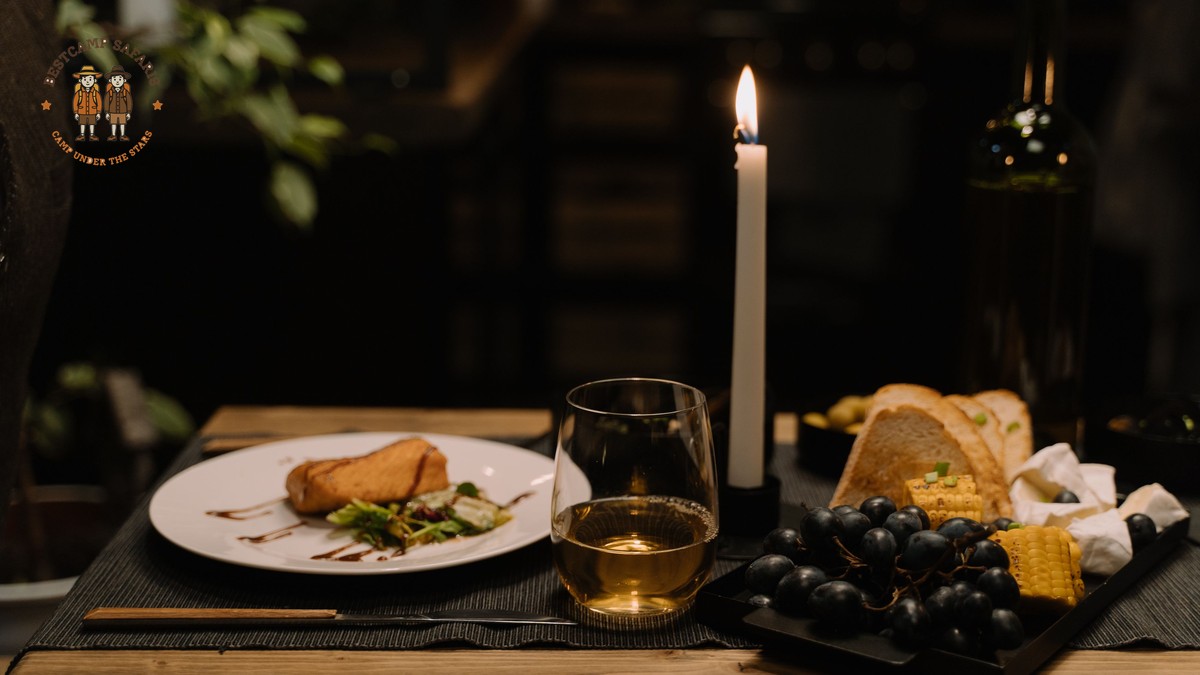
Lodges win on total silence inside your room, because they have real walls, insulation, and closing doors. What they lose is the sense of being properly out in the bush. You hear the corridor, not the hyenas.
Tented camps flip that. You get the sounds of the bush at night, which most honeymooners actually want, but you also get more exposure to human sound nearby. If total acoustic isolation matters more to you than atmosphere, a lodge room may serve you better than a tent, whatever the marketing says.
Mobile Camps vs Permanent Camps
Mobile fly-camps, the kind that move with the wildebeest migration or set up for a few nights in a fresh spot, often have fewer tents than permanent camps, sometimes just two to six. Fewer tents on a smaller footprint usually means better spacing and fewer other guests overall, even if the tents themselves sit a bit closer together for logistics.
Permanent camps have fixed infrastructure, so their layout is set. That can mean better-planned spacing since it was built to last, or it can mean tents packed closer to keep the camp compact. Ask directly how many tents are in operation on your dates, not just how many the camp has in total.
Nighttime Safety and Staff Escorts
This is where privacy and safety pull in different directions, and it is worth planning for honestly. Most tented camps in the Mara require a staff escort after dark, walking you between the mess tent and your own tent with a torch, because lion and hyena do walk through camp at night.
That means a staff member will likely see you heading to your tent each evening. It is a small trade for real safety, and it ties directly into broader honeymoon safari safety concerns in Kenya that go well beyond privacy. If you want the full picture on how camps handle staff escort protocols after dark in tented camps, it is worth reading before you book, not after you arrive.
Exclusive-Use and Low-Tent-Count Camps
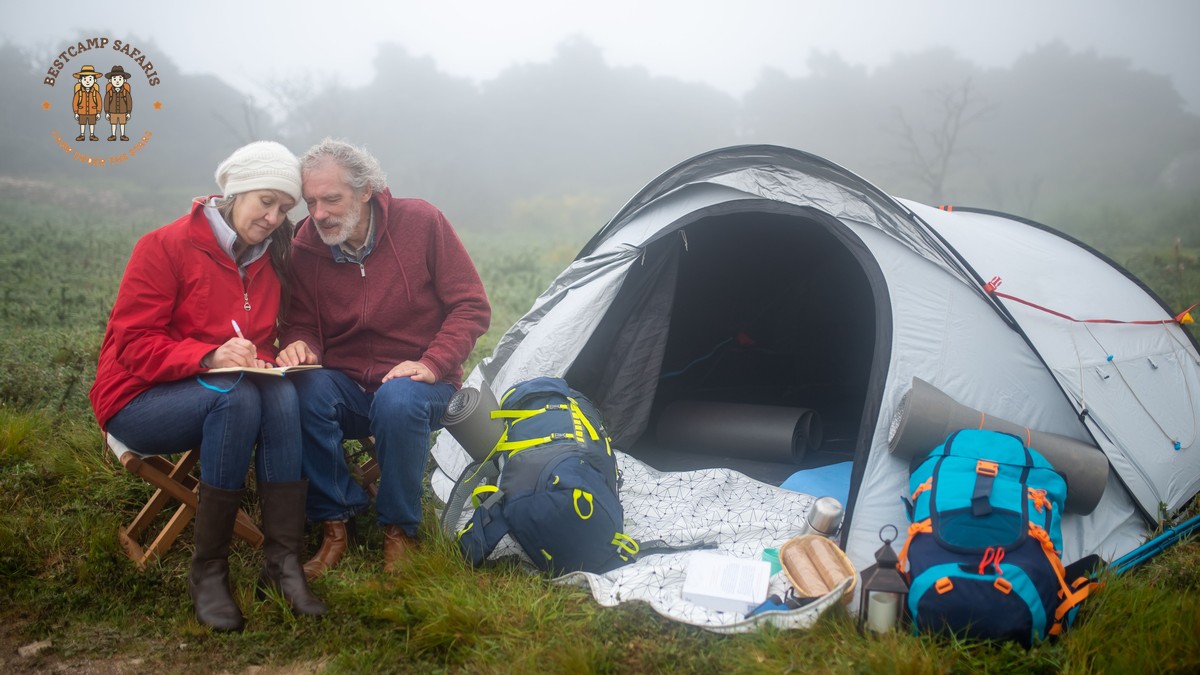
If privacy is your top priority, ask about exclusive-use booking. That means your group has the whole camp, staff included, and no other guests at all. It costs more, often double a standard per-tent rate, but it removes the variable entirely.
Short of full exclusive use, look at conservancy camps with fewer, more widely spaced tents. Conservancies like Naboisho and Mara North cap visitor numbers by agreement with local landowners, which keeps camps small on purpose, not by accident. Entry into these conservancies typically runs USD 80 to 150 per person per night, bundled into the camp rate rather than billed separately.
Practical Tips for Booking Real Privacy
Ask three questions before you book. How many tents are operating on your dates. How far apart are the honeymoon tents from the rest. Is the camp shared with other groups or booked exclusively.
Also ask about quiet hours and generator noise, since a generator running near your tent can be louder than any neighbor. And if you want a genuinely private night, ask about a one-off fly-camp dinner or a star-bed night away from the main camp, which several properties offer as an add-on for a few hundred dollars.
The BestCamp Safaris Difference
We book honeymoon trips into camps we have actually stayed in, so we know which tents sit apart from the rest and which ones share a fence line. We ask camp managers the exact spacing questions above before we recommend a property, not after a guest complains.
We also match the camp size to what you actually want. If you want full exclusive use, we will tell you honestly what that costs and where it makes sense. If you are happy with a smaller, well-spaced standard camp at a lower price, we will say that too. No camp on our list oversells privacy it cannot deliver.
Plan Your Honeymoon Safari with Us
If you want real privacy on your honeymoon safari, not just marketing language about it, we can walk you through the camps that actually deliver it at your budget. Get in touch through our contact page or browse our honeymoon safari options to start planning.


