
 Wildlife Tours
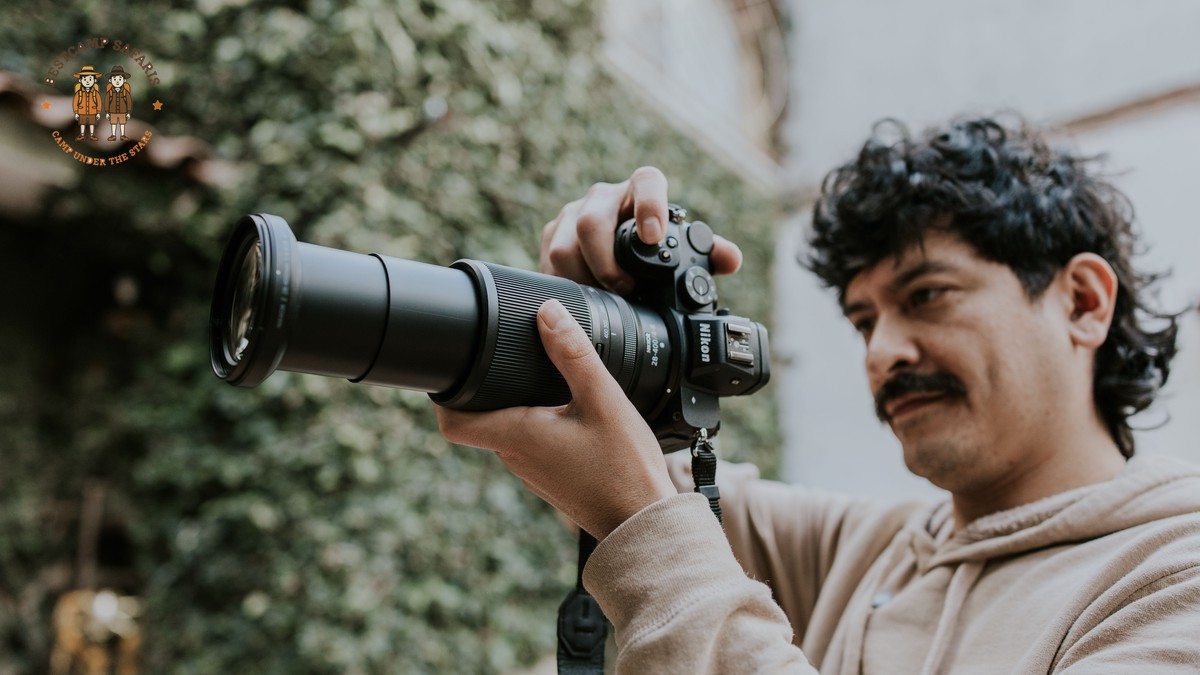
I have watched a lot of guests miss a cheetah sprint because they were still turning dials. The best camera settings for safari photography are not complicated. They just need to be set before the vehicle rolls out of camp, not after the action starts.
This guide covers what actually works on Kenya game drives, not generic travel photography advice. It comes from years of watching guests shoot from pop-up roof hatches on the Mara plains and window rests on the Laikipia Plateau.
The Light You Actually Get on a Kenya Game Drive
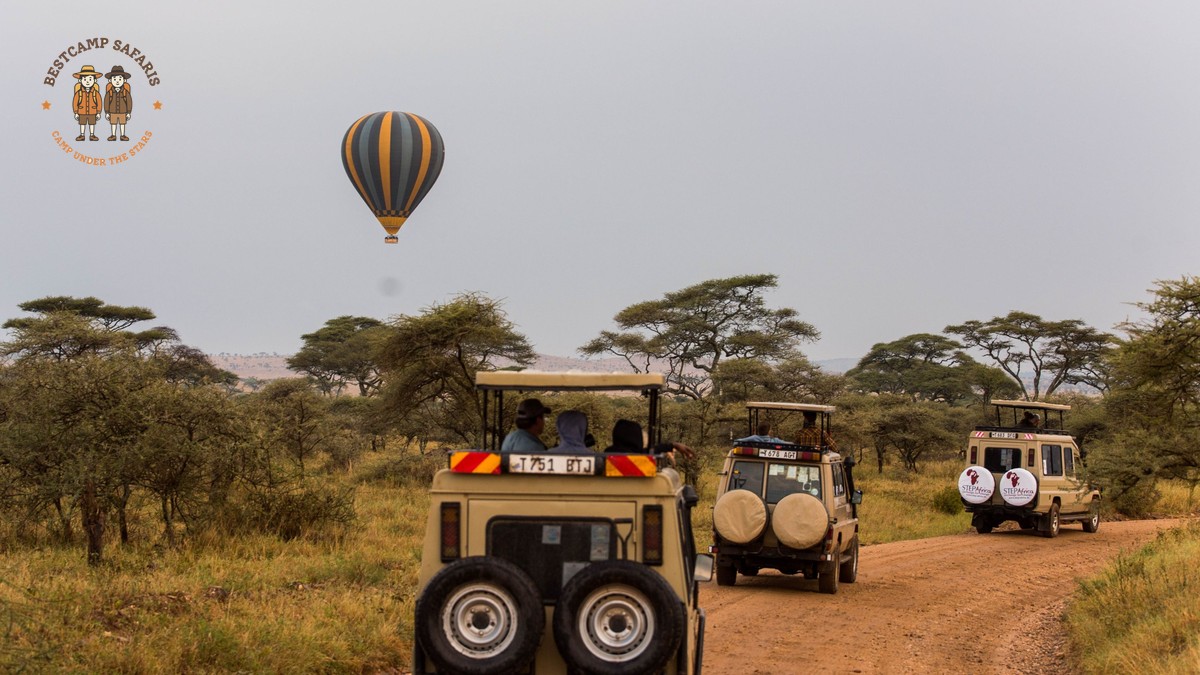
Light on a game drive changes fast. At 5:45 am, camp staff are still packing away the flasks from the wake-up call, and the sky over Naboisho Conservancy is barely grey. By first light, when the earliest drives are already rolling, the light is soft and low. That window lasts about 45 minutes before the sun climbs and shadows turn hard.
Dust season, roughly January through March and again in July through October, adds a haze that can work in your favor. It softens harsh midday light into something warmer. Rain season, especially April and May, brings dramatic skies but shorter, less predictable golden hours.
Camp position matters here. A mobile camp set closer to the migration route means less driving in flat midday light. You get more time shooting at dawn and dusk, when the animals are moving and the light is doing the work for you.
Best Camera Settings for Safari Photography: The Core Three
Get these three settings right and most of your shots will be sharp and properly exposed, no matter what walks in front of the vehicle.
Shutter speed. For a stationary lion or a grazing elephant, 1/500th of a second is plenty. For anything moving, a trotting hyena, a herd crossing a lugga, go to 1/1000th or faster. For birds in flight or a cheetah at full speed, push to 1/2000th or higher.
Aperture. Wide open, f/4 to f/5.6 on most safari zoom lenses, is your default. It blurs the background and lets in more light for those early morning drives. Stop down to f/8 only when you want more of the scene sharp, like a whole pride resting together.
ISO. Set Auto ISO with a ceiling. On a modern camera, ISO 6400 still produces usable files. Cap it there and let the camera handle the rest as light shifts through the drive. Trying to manage ISO manually while a leopard walks out of thick brush is how you miss the shot.
Which Shooting Mode Wins on a Bumpy Mara Track
Aperture Priority mode, marked A or Av on most cameras, is the right default for safari. You set the aperture and Auto ISO ceiling, and the camera adjusts shutter speed for you as light changes between open grassland and shaded acacia woodland.
Full Manual mode makes sense for one specific case: a static subject in consistent light, like a leopard sleeping in a sausage tree for twenty minutes. You have time to dial it in and it will not change.
Shutter Priority is useful when you know you need a fast shutter and nothing else, like tracking a herd of zebra at a run. Beyond that, it is one mode too many to manage from a moving vehicle.
Autofocus That Keeps Up With a Running Cheetah
Set your camera to continuous autofocus, called AI-Servo on Canon and AF-C on most other brands. This tracks a moving subject instead of locking focus once and holding it.
For focus area, use a small group of points rather than a single point or the full wide zone. A single point is too easy to lose off the subject when your vehicle bounces on a rutted track. Wide zone tends to grab the nearest bush instead of the animal.
Back-button focus, where you separate the focus trigger from the shutter button, helps a lot on safari. It lets you focus once on a stationary subject, then reframe without the camera hunting again.
Settings by Scenario
| Scenario | Shutter Speed | Aperture | ISO | Notes |
|---|---|---|---|---|
| Stationary animal, good light | 1/500s | f/5.6 | Auto, cap 3200 | Standard default setup |
| Moving herd or walking predator | 1/1000s | f/5.6 | Auto, cap 6400 | Continuous AF, small group point |
| Birds in flight | 1/2000s or faster | f/5.6-f/8 | Auto, cap 6400 | Pre-focus on likely flight path |
| Golden hour portrait | 1/500s | f/4 | Auto, cap 1600 | Shoot into low sun for rim light |
| Low light, dawn or dusk | 1/250s | f/4 | Auto, cap 12800 | Brace on window rest or bean bag |
| Spotlight night drive | 1/125s | f/4 | Auto, cap 25600 | Only where night drives are permitted |
Lens Choice: Why We Point Guests to a 100-400mm, Not an f/2.8 Prime
Camera forums push f/2.8 fixed lenses hard. On safari, we tell guests something different. A 100-400mm zoom, or similar, outperforms a heavier prime lens for nine out of ten guests we host.
Here is the honest trade-off. An f/2.8 prime gathers more light and blurs backgrounds beautifully. It also weighs close to 3 kg and needs a bigger bean bag or gimbal to hold steady. And it locks you into one focal length while a giraffe walks from 80 meters to 15 meters in front of your vehicle. A 100-400mm zoom lets you reframe in seconds, weighs half as much, and handles almost every scenario this guide covers.
Save the f/2.8 glass for specialists chasing birds in flight at first light, when every stop of light matters and a second body is doing the wide work.
Field Setup: What Actually Keeps Shots Sharp
A bean bag draped over the window frame or roof hatch rail beats a tripod on every game drive we run. Tripods are awkward in a vehicle and slow you down when a subject moves.
Shoot in RAW, not JPEG. RAW files hold detail in shadows and highlights that JPEG throws away, which matters when you are shooting into low sun or deep shade under an acacia canopy. Check your histogram after the first few frames each morning, not just the screen preview, since the LCD can lie in bright outdoor light.
Burst mode, three to five frames per second, catches the moment between the moment. A yawning lion has a peak expression that lasts a fifth of a second.
Camp Position and Golden Hour Timing
| Camp Base | Nearest Wildlife Draw | Distance to First-Light Spot | Typical Drive Departure | Entry Fee (2026) |
|---|---|---|---|---|
| Naboisho Conservancy | Migration crossing points, Mara Triangle | 25-35 km (indicative) | 5:45 am | Bundled, roughly USD 80-150/person/night |
| Laikipia Plateau | Ewaso Nyiro River corridor | 15-25 km (indicative) | 6:15 am | Varies by conservancy, ask on booking |
| Masai Mara National Reserve, Talek Gate | Mara River crossing points | n/a, inside reserve | 6:00 am | USD 200/adult/day, July-December 2026 |
Gear Protection on Dusty Tracks
Mara and Laikipia tracks throw up fine red dust, especially from July through October. Change lenses inside the vehicle, never outside in wind. A rain cover doubles as a dust cover and costs less than one bad sensor cleaning.
Carry two batteries minimum and more memory cards than you think you need. Camp generators run mornings and evenings, not around the clock, so charge whenever the power is on, not the night before you fly out.
The BestCamp Safaris Difference
We build our game drive schedules around light first, sightings second. Our guides know which side of a crossing point catches the 6:30 am sun on a given month, and they position the vehicle before the herds move, not after.
We also brief every guest on photography consent laws for the Maasai before any village visit, because a great photo is never worth an unwanted one. If you are flying a drone, read Kenya’s drone photography rules first, since most parks and conservancies ban them outright. And if a night shoot is part of your plan, our guides can tell you where night game drives are legally allowed, since it varies by reserve and conservancy.
Frequently Asked Questions
What is the best shutter speed for safari photography? Start at 1/500th for still animals and go to 1/1000th or faster for anything moving.
Should I use Auto ISO on safari? Yes, with a ceiling set for your camera’s noise tolerance. It frees you to focus on framing and timing.
Do I need an f/2.8 lens for safari? No. A 100-400mm zoom covers nearly every situation you will face and is far easier to handhold from a vehicle.
Can I get good photos with just a smartphone? For wide scenes and camp life, yes. For animals more than 20 meters away, a smartphone will not deliver a sharp result.
Plan Your Photography Safari
If you want game drives timed around light, not just sightings, we can build that itinerary with you. Have a look at our safari trips or reach out through our contact page to start planning.


