
 Adventure Tours
The first time I walked out of camp before sunrise in Laikipia, I was more worried about my knees than the buffalo. Turns out I had it backward. A good guide sets a pace that almost anyone can hold. What actually matters is your comfort with heat, uneven ground, and standing still for a while when a scout raises a hand. That is the real walking safari fitness level kenya travelers need to know before they book.
Every big safari guide online tells you a walking safari needs “moderate fitness” and leaves it there. That line doesn’t tell you much. So here’s the honest version, with real distances, real camps, and what actually happens if you fall behind the group.
What a Walking Safari Actually Involves (vs a Game Drive)
A game drive puts you in a vehicle, engine running, covering 20 to 40km in a few hours. A walking safari is the opposite. You move on foot, at a slow, deliberate pace, usually 2 to 3km an hour, led by a licensed guide and often an armed ranger or scout.
You’re not chasing sightings. You’re reading tracks, smelling wild sage after rain, and hearing your own footsteps on dry earth. Most walks cover 3 to 5km over two to four hours, including stops to look at dung, termite mounds, or a fresh leopard print. It’s closer to a slow nature walk than a hike.
Walking Safari Fitness Level Kenya: The Real Requirement
Here’s the part every other guide buries in a paragraph. You do not need to be an athlete. If you can walk 3km on flat to gently rolling ground without stopping to catch your breath, you can do a standard morning walking safari.
The terrain in most walking areas, Laikipia’s plateau, the Mara conservancies, is not technical. There’s no scrambling or rock climbing involved on a standard walk. The challenge is heat, dust, and standing still in the sun while a guide reads a track, not the walking itself.
Where it gets harder:
- Chyulu Hills has volcanic ground and more incline, so expect steeper short climbs.
- Multi-day walking safaris, where you cover ground daily between fly camps, ask more of your legs and your feet over several days in a row.
- Midday heat, especially in Samburu from January to March, taxes stamina more than distance does.
If you manage a 45-minute walk at home without real strain, you’re fit enough for a standard half-day walk. Nobody is grading your pace.
Minimum Age and Older Travelers
Most camps set a minimum age of 12 to 16 for walking safaris, though it varies by property and depends on the individual child’s ability to stay quiet and follow instructions near wildlife. Some conservancies, including parts of Laikipia, allow younger children on short, close-to-camp walks with a private guide.
There’s no fixed upper age limit. I’ve walked with guests in their seventies who moved slower but steadily, and the guide simply adjusted the route and pace to match. What matters more than age is mobility and balance on uneven ground. If you use a cane or have joint issues, tell your operator in advance so they can plan a shorter loop or suggest a vehicle-supported walk instead, where a car trails behind and picks you up when you’re done.
How Walks Are Kept Safe
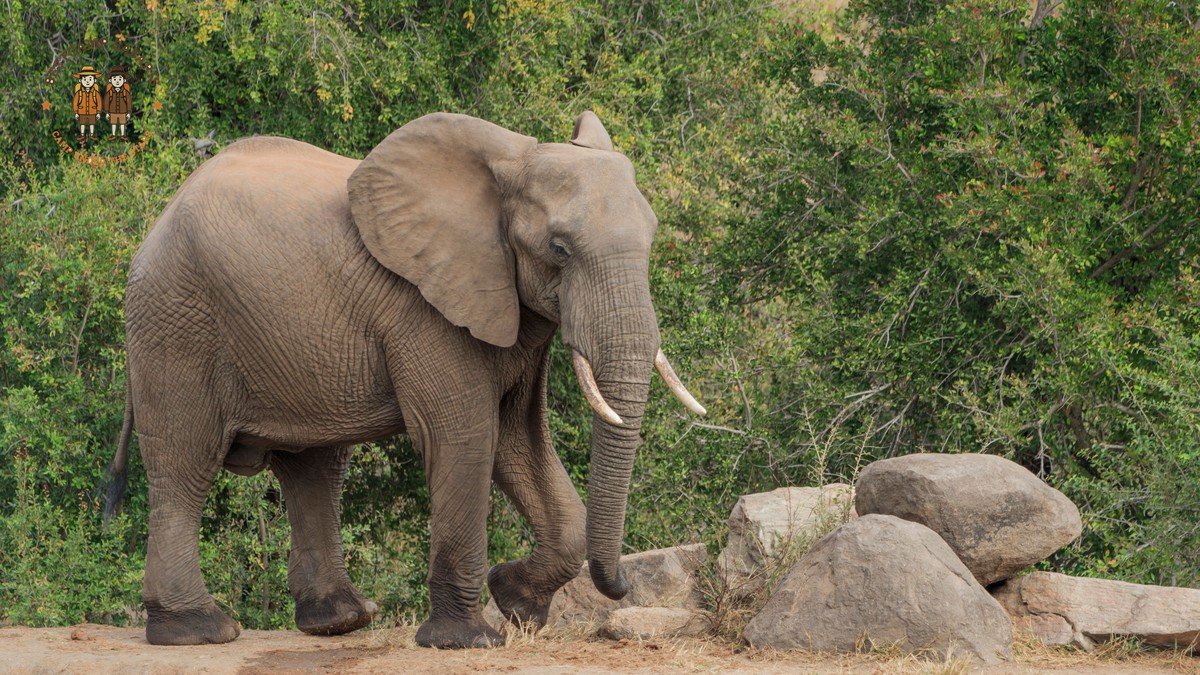
Every walking safari in Kenya runs with a trained guide, and in wildlife-dense conservancies, an armed ranger or scout walks with the group too. They read wind direction, keep the group downwind of animals, and choose routes that avoid known danger, thick bush near a buffalo herd, a lion pride resting near a waterhole.
If the group is moving slower than planned, the guide simply shortens the route or turns back early. Nobody pushes a tired guest to keep pace near wildlife. Safety comes before covering ground. You can read more on how camps manage wildlife safety after dark, since the same caution applies once you’re back in camp for the night.
Where to Walk in Kenya
Walking safaris are not available everywhere. This is the trade-off most guides skip. Maasai Mara National Reserve itself does not permit walking, only game drives. Walking is allowed in the private conservancies that border it, Naboisho and Mara North among them, where guest numbers are capped and off-road walking is part of the deal.
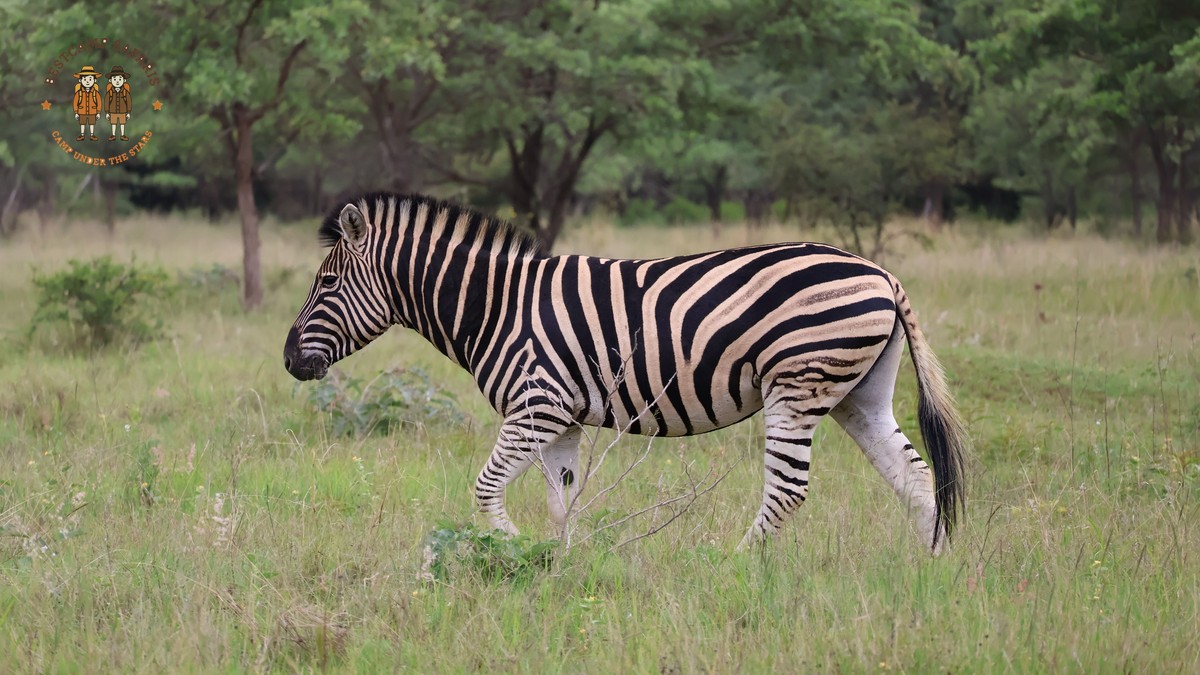
Laikipia’s conservancies, where many walking safaris take place, including Ol Pejeta, Loisaba, and the Karisia Hills, are Kenya’s real walking country. Open plateau, fewer vehicles, and guides who have walked the same ground for decades. Samburu’s community conservancies, like Namunyak, offer walking through drier, more rugged terrain with a different mix of wildlife, including reticulated giraffe and Grevy’s zebra.
Chyulu Hills National Park, between Tsavo and Amboseli, adds volcanic hills and cooler air at altitude, with a KWS entrance fee of USD 40 per adult per day. It’s a good add-on for travelers who want more incline. For the full picture on why walking safaris are allowed in conservancies but not reserves, it comes down to guest caps and off-road access, which reserves like the Mara don’t permit.
Half-Day, Full-Day, or Multi-Day: Comparing Difficulty
| Walk type | Distance | Duration | Typical terrain | Fitness needed |
|---|---|---|---|---|
| Half-day walk (Laikipia, Mara conservancies) | 3-5km | 2-4 hours | Flat to rolling grassland | Comfortable 45-min walk |
| Full-day walk with bush lunch | 6-10km | 5-7 hours, with rest stops | Mixed grassland and light bush | Regular walker, some stamina for heat |
| Multi-day walking safari (fly camp to fly camp) | 8-15km per day | 4-6 hours daily, several days | Varied, including inclines in Chyulu Hills | Consistent daily walking fitness |
| Chyulu Hills volcanic terrain add-on | 4-6km | 2-3 hours | Steeper short climbs, loose volcanic soil | Comfortable with moderate inclines |
Prices for guided walking safaris vary widely by camp and season. As an indicative range, expect walking-focused stays in Laikipia or the Mara conservancies to run roughly USD 400-900 per person per night, often bundled with conservancy fees, which for places like Naboisho and Mara North run around USD 80-150 per person per night on top of accommodation.
What to Pack and Wear
Closed walking shoes with ankle support matter more than fancy boots. You’re on dirt tracks and through short grass, not scree. Bring:
- Neutral-colored, lightweight long sleeves and trousers for sun and thorn protection
- A wide-brimmed hat and high-SPF sunscreen
- A refillable water bottle, camps usually carry the rest
- A light jacket for cool starts before the sun climbs
Skip bright colors and heavy perfume. Both draw attention you don’t want on foot.
Who Should Choose Walking Over Driving-Only
If you want the version of Africa where you can hear a hornbill call and smell the dust, choose walking. If you have real mobility limits, severe heat sensitivity, or simply prefer to watch wildlife from a vehicle’s safety, a driving-only safari suits you better, and there’s no shame in that choice. Many travelers do both, a walk in the cool morning and a game drive in the afternoon heat.
When to Go
The dry seasons, January to March and June to October, give the firmest ground and clearest tracking conditions. Rains between April and May and in November soften trails and bring out mud, which slows any walk down. Early morning starts, usually by 6:30am, avoid the worst midday heat.
The BestCamp Safaris Difference
We plan every walking safari around your actual fitness, not a guessed-at ideal. Before you book, we ask how far you walk comfortably at home and whether heat affects you. That shapes the route, the pace, and whether a vehicle trails your group as backup. Our guides in Laikipia and the Mara conservancies have walked the same ground for years, so they know exactly where to shorten a route without you missing the best of it. We also camp where the walking is, in mobile tented camps and fly camps set close to the trailhead, not lodges an hour’s drive away.
Ready to Walk?
If a walking safari sounds right for your fitness and your sense of adventure, we’d love to help plan it. Get in touch through our contact page and we’ll match you with a route, camp, and pace that fits.


