
 Adventure Tours
What age suits mobile camping in Kenya? There is no single clean age line. A child can sleep in a camp but be too young for the night drive. A toddler can sit on a day game drive but not handle a five hour move. I have done these trips and woken at 5am to the sound of a canvas zip before the first coffee. This guide sorts the real cutoffs by age.
What age suits mobile camping in Kenya?
Kenya has no single national minimum age for staying in a mobile camp. The operator and individual camp set the rule. Babies and toddlers are the most restricted, children aged five to eight are accepted by more family-friendly operators, and children aged nine or older usually fit standard mobile-safari arrangements. Confirm the policy before paying a deposit.
Legally, the country does not stop you from setting up a family tent with a baby in the bush. The practical rules come from camp managers, insurance, and the guide. A camp in Mara North Conservancy may accept a six year old for day drives but refuse the same child on a night drive. A camp in Ol Pejeta may set a walking rule at twelve. Ask about whether children can sleep in bush tents before you compare vehicle costs. The sleeping rule and the activity rule are two different answers.
Best age bands for mobile camping: babies, toddlers, school-age children, and teenagers
For most families, ages eight to twelve are the easiest balance of safety, stamina, curiosity, and activity access. Children aged five to seven can enjoy a carefully designed private safari, while toddlers require shorter drives, constant supervision, and flexible camp arrangements. Teenagers generally handle standard drives and gain access to more walking and night activities.
Start with the child, not the camp. This table shows the usual fit for each age group.
| Age band | How mobile camps usually handle it | A route that works | Real drive and park fee |
|---|---|---|---|
| Babies under 2 | Private vehicle, family tent, very short drives; many unfenced camps decline | Nairobi National Park from Karen | 10 km, about 30 min; adult non-resident entry USD 80 |
| Toddlers 2-5 | Private vehicle, short game drives, camp with a fenced mess area | Nairobi to Lake Nakuru | about 155 km, 2.5-3 hours; Lake Nakuru adult entry USD 90 |
| School age 5-8 | More operators accept; private vehicle, no walking, shorter afternoon drives | Nairobi to Amboseli | about 240 km, 4-5 hours; Amboseli adult entry USD 90 |
| Ages 9-12 | Standard mobile moves, family tent, possible night drives where camp allows | Nairobi to Masai Mara | about 270 km, 5.5-6 hours; Mara adult entry USD 100 Jan-Jun or USD 200 Jul-Dec |
| Teenagers 13-17 | Adult style drives, walking at 12 or 16 depending operator | Amboseli to Tsavo West | about 150 km, 3-4 hours; Tsavo West adult entry USD 80 |
Babies under two are the hardest to place. Many mobile camps in the Mara or Tsavo will not take them because the canvas sides are thin and the camp is unfenced. A baby can still join if BestCamp books a private vehicle and a family tent in a gateway area. For how babies sleep, see how babies sleep safely in a mobile safari camp.
Toddlers need very short drives, no more than two hours at a time. A good day starts at 6am, returns by 10am, naps through the heat, and goes out again after tea. School-age children can manage the Nairobi to Amboseli drive with a break at Emali. Teenagers handle a full Mara day and often want the longer afternoon loop.
How mobile safari activities change by age
A child may be allowed to sleep in camp but still be too young for walking or night activities. Vehicle game drives are often possible for younger children with an appropriate guide and private vehicle, while walking safaris commonly begin at twelve or sixteen, depending on the operator. Balloon rides are often restricted to children aged seven and above.
Vehicle game drives have no legal minimum age in Kenya, but a child must stay in the vehicle and follow the guide. For younger children, that means a private vehicle because shared drive schedules cannot wait for snacks or bathroom stops. Walking safaris are stricter. Most operators start at twelve, and some set sixteen for remote or longer walks. A child can be old enough for the tent but not for the walk.
Night drives follow conservancy rules rather than a single national law. Many camps set eight or twelve as the floor. Balloon rides usually require a child to be at least seven and steady enough to climb into the basket. Cultural visits to a Maasai manyatta have no hard minimum, but heat and dust make short visits better for children under five.
Safety, supervision, malaria, and camp logistics for children
The practical question is not only whether a child can sleep in a tent, but whether they can follow instructions around an unfenced camp, tolerate early starts and long drives, and cope with heat and malaria precautions. Toddlers need close one-to-one supervision; older children are easier when the itinerary includes shorter drives, midday breaks, and a stable family tent.
Mobile camps are unfenced. At 5am the ground is cold, the lanterns are low, and the camp staff are already moving between the kitchen tent and the dining fly. A child who follows instructions will do well. A child who runs at a rustle is a risk. The camp briefing matters as much as the tent zip.
Malaria is real in most prime mobile safari areas. The Mara, Amboseli, Tsavo, and Nakuru are malaria risk zones. Talk to a pediatric travel doctor about prophylactic medicine, long sleeves at dusk, and DEET. Heat also matters. A midday break in the shade does more for a seven year old than another hour of driving.
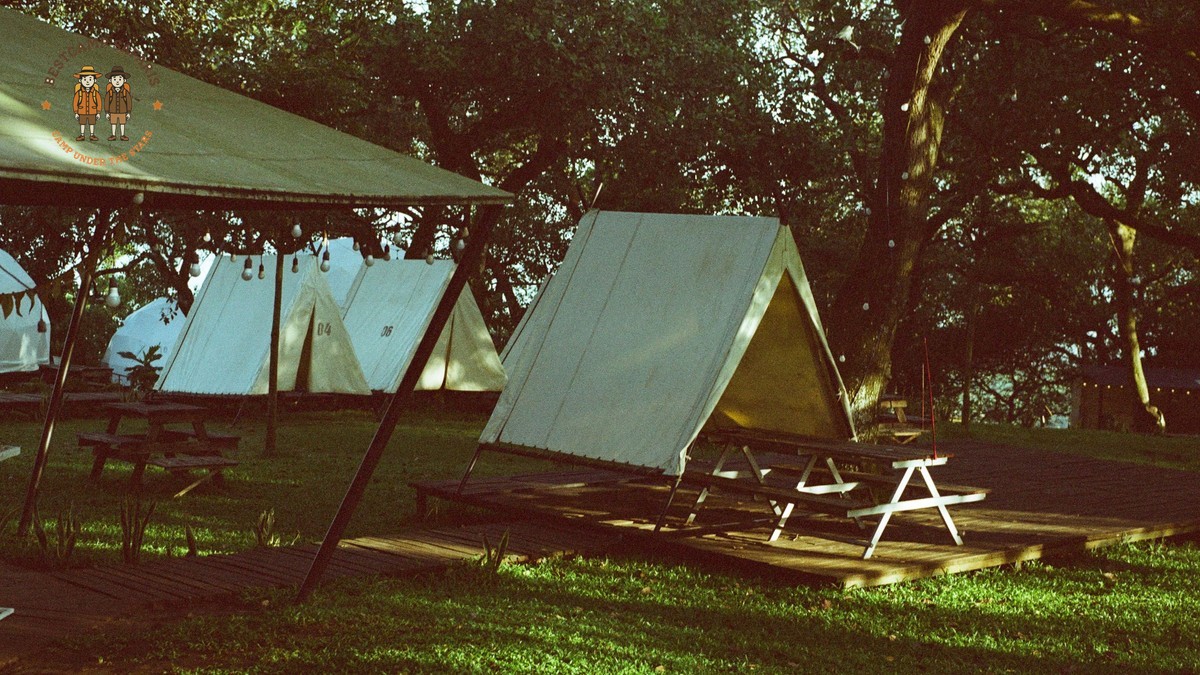
Before booking, ask how long mobile camp moves take, because a six hour transfer after a poor night changes the decision. A family tent with two sleeping compartments, a shared sitting area, and a low cot makes the whole itinerary easier.
Private vehicles, family tents, and the real cost of bringing younger children
Families travelling with children below a camp’s shared-activity age often need a private vehicle and guide. This can add roughly USD 150 to USD 300 per day, based on typical industry rates. Child discounts also vary. Many camps use age cutoffs around five, six, eight, or twelve, so the total depends on the camp, room setup, vehicle plan, and season.
A private vehicle is not a luxury on a family mobile safari. It is the tool that lets you stop for a child who needs a bathroom, come back early from a hot drive, or sit quietly next to a nervous toddler. The guide drives slower, skips the crowded river crossing if needed, and plans meals around your children.
Tent size changes the price. A family tent with a canvas divider usually costs a supplement over a double, often roughly 30 to 60 percent more depending on the camp. That money buys a separate sleeping area and a zippered front panel, not extra animal sightings. Ask for the exact supplement in writing.
Park and conservancy fees stack up. Masai Mara National Reserve adult non-resident entry is USD 100 in January to June and USD 200 in July to December. Child rates in the Mara are set by Narok County and must be reconfirmed before booking. Private conservancies such as Mara North and Naboisho bundle a conservancy fee of roughly USD 80 to 150 per person per night into camp rates. Amboseli adult entry is USD 90, and Tsavo West is USD 80.
The BestCamp Safaris Difference
BestCamp does not sell a child a seat in a vehicle and call it done. We start with a private guide who knows each camp, then we quote the exact age policy for every tent and every activity before you pay a deposit. Our family tents have two sleeping compartments, a central sitting area, and a low step at the canvas door.
We plan camp moves around the child. The longest drive lands in the middle of the day, not before dawn. Bucket showers run at set times, and the kitchen packs bush breakfast slowly so younger kids can wake without being rushed. A night watch stays in camp while you sleep.
If your child is not old enough for a walking safari, we do not sell it. We run a shorter drive instead and tell you why. That honesty is the whole point.
Frequently Asked Questions
What age is best for a mobile camping safari?
Ages eight to twelve are usually the best fit for a mobile camping safari because children can follow bush-safety instructions, manage longer drives, and appreciate the wildlife experience. Younger children can still go, but they normally need a slower itinerary, closer supervision, and a private vehicle.
Can a 2 year old go on a mobile camping safari?
Sometimes, but only with an operator that explicitly accepts toddlers and can provide suitable supervision and logistics. A private vehicle, short drives, a family tent, and no walking or night activities are commonly needed; many unfenced mobile camps may decline children this young.
Are mobile safari camps safe for children?
They can be safe when the camp accepts the child’s age, adults follow the camp briefing, and children remain supervised around unfenced areas. Safety also depends on drive length, heat, malaria precautions, tent design, and the child’s ability to respond immediately to guide instructions.
What is the minimum age for a Kenya mobile safari?
There is no universal Kenyan legal minimum age for staying in a mobile safari camp. Each operator sets its own policy, and common practical cutoffs range from no minimum to six, eight, or twelve years; activity rules can be stricter than the accommodation rule.
Can children go on walking safaris in Kenya?
Walking-safari minimums are commonly twelve years, although some operators require sixteen, especially for longer or more remote walks. The final decision depends on the guide, terrain, wildlife risk, and the child’s maturity, so a vehicle safari may be suitable even when a walking activity is not.
Plan Your Mobile Family Safari with BestCamp Safaris
Tell us the ages of your children and where you want to sleep under canvas. We will return a route with the age rules, the private vehicle cost, and a clear price before you commit. Visit our contact page to start planning a mobile camping safari that fits your family.


