
 Adventure Tours
Most parents asking “how do babies sleep mobile camp” are not really worried about the canvas. They worry about the 5am wake-up, the zipped door, the silence before the bush comes alive, and whether a travel cot will fit beside their bed. After sleeping in enough mobile tented camps, I can tell you the setup is simpler than it looks, but only when the operator confirms the details in advance.
How Do Babies Sleep Mobile Camp? Where Baby Sleeps in the Tent
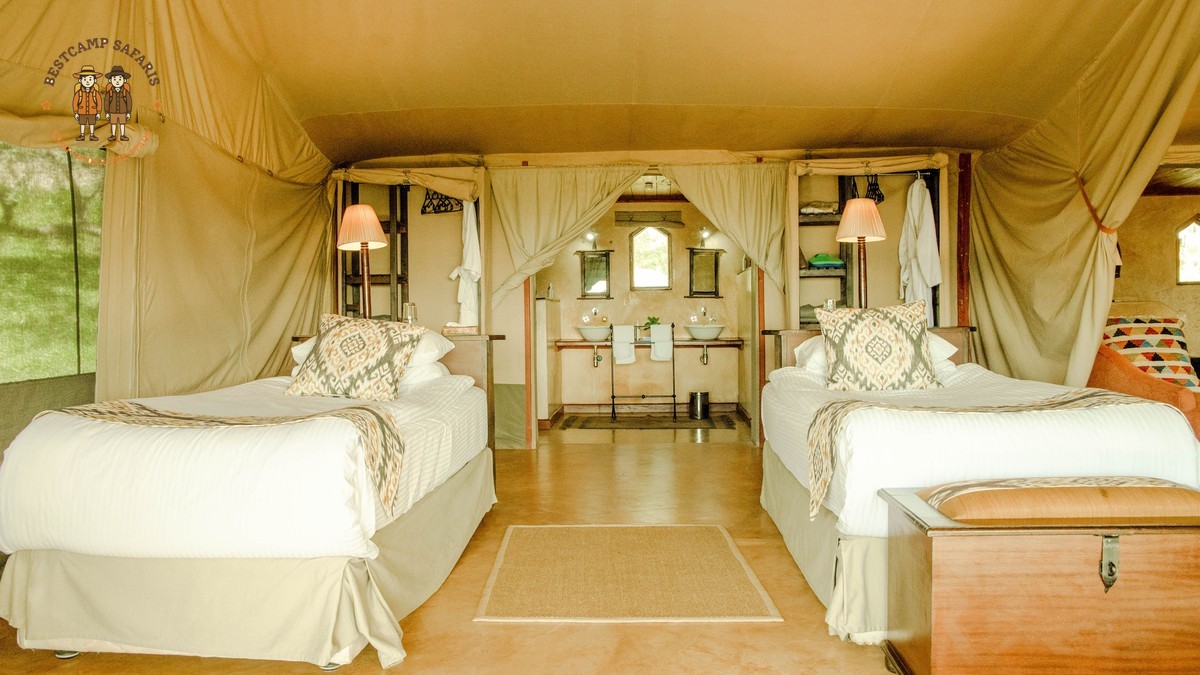
A baby should sleep on their back in their own travel cot, bassinet or other firm, flat sleep space placed inside the parents’ safari tent. The cot should contain only a fitted sheet, with no loose blankets, pillows or toys. Confirm the tent’s floor space and cot availability with the operator before booking, because mobile tents vary in size and furnishings.
BestCamp Safaris can request a travel cot or bassinet for your tent. A standard East African Meru-style canvas tent may be four metres wide or six metres wide. The smaller size often leaves space for a cot at the foot of the bed, not always beside it. Ask exactly what the camp uses. Camp cots in Kenya are often compact folding metal or aluminum frames with a padded mattress. Some fits are better than others. If you bring your own, a rectangular travel cot usually fits more easily than a round bassinet. This matters for whether children can sleep in bush tents.
Read how family tents work on safari to understand partition walls, en-suite bathrooms and door placement. A cot should never block the tent entrance or the path to the bathroom. In a mobile camp, that path may pass near zipped canvas and a rope floor, so keep the baby’s sleep area flat and away from foot traffic.
Safe Sleep Essentials for Babies in Camp
The safest arrangement is a separate firm sleep surface, a correctly fitted sheet, baby placed on their back, and no loose bedding or objects around them. Do not rely on an adult mattress, inflatable camping pad or shared sleeping bag as the baby’s sleep space. Test the travel cot at home and ask camp staff where it can be positioned safely.
In a mobile camp, the temptation is to use the raised adult bed or a padded camp bed. That is the wrong move. A baby needs a firm surface, not a soft camp mattress. If the camp provides a cot, ask about the mattress. A thin camp cot mattress with a clean, fitted sheet can work for an older infant. A newborn needs a bassinet with a firm base and no additional padding. Test anything unfamiliar at home if you can. Some families bring a lightweight travel cot and a fitted sheet they have washed at home. The familiar smell helps. This is not about luxury. It is about reducing the risks that come with loose bedding and soft surfaces.
How to Keep a Baby Warm or Cool at Night
Dress the baby in light, removable layers suited to the night temperature and check their chest or back rather than their hands to judge warmth. Use a well-fitting sleep sack instead of loose covers, avoid hats during sleep unless medically advised, and prevent overheating in warm tents with ventilation and shade. Ask the camp about expected overnight temperatures before packing.
Night temperatures in the Masai Mara typically sit around 12 to 15 degrees Celsius in July and August. Amboseli can drop to 14 degrees at night, but daytime shade can be warm. The tent itself matters. A mobile tent with mesh windows and a flysheet will cool faster than a permanent lodge room. Ask the camp about expected overnight lows before you pack. A sleep sack is easier to manage than piles of blankets. Choose a light layer under it, check the baby’s chest, and do not use a hat during sleep. If the night is hot, open what the camp says you may open, but keep the insect mesh tight. A portable fan is sometimes useful, but only if the charging setup can support it.
Bedtime Routines, Naps and Settling in a Safari Camp
Keep the baby’s familiar sleep sequence, feed, nappy change, sleepwear, short story or song, as consistent as the safari allows. Expect naps in a vehicle, carrier or tent and allow extra soothing after long drives or camp changes. A travel cot, familiar sheet, white noise and blackout solution can make the unfamiliar tent easier to settle in.
Routines survive better than most parents expect. Bring the same sheet, the same short song, the same order of feed, nappy, sleepwear. The unfamiliar part is the tent’s echo and the bush sounds. White noise helps mask camp staff closing kitchen boxes and the pop of canvas in wind. A blackout panel can help too, because safari camps wake with the sun. Naps will move. A baby may fall asleep in a shaded game vehicle, in a carrier at camp, or on a mattress under supervision. Allow a longer settle after a camp move. The first night in a new tent is the hardest, so schedule a shorter drive or a later morning if you can. That practical pacing is part of how how family tents work on safari intersects with baby sleep.
Wildlife, Tent Security and Night-Time Supervision
Parents should never let a baby sleep outside the tent or walk around camp at night without an escort. Keep the tent zipped according to camp rules, follow staff instructions about bathroom trips and animal sightings, and ask how to summon assistance after dark. The operator should explain the camp’s lighting, guard, escort and emergency procedures before arrival.
Mobile camps run clear night protocols: a night watchman, lanterns, and a rule that children do not move between tents without an askari. A baby’s cot stays inside the main tent with the parents. If you need to use the bathroom after dark, call the staff first. Do not walk out with a baby in your arms while the camp is dark and quiet. The same rule applies to the open-air bucket shower if a camp has one. Ask how close the bathroom is to the tent and whether a family tent can be placed near the dining or bathroom area.
What Parents Should Pack for a Baby in a Mobile Camp
Pack the baby’s travel cot or confirm one in advance, fitted sheets, sleep sack, weather-appropriate layers, nappies, wipes, feeding supplies, familiar comfort items and a small white-noise device. Bring backups because laundry and resupply can be limited during mobile operations. A carrier is useful for naps and transfers when the tent is being packed or moved.
A practical list for a Kenyan mobile camp includes:
- Travel cot or confirmed camp cot and two fitted sheets
- Sleep sack in two weights
- Thin cotton layers and one warmer layer
- Nappies and wipes, with one extra day
- Formula, bottles, or expressed milk storage
- White-noise device or phone app plus power bank
- Small familiar blanket, not used inside the cot
- Carrier for transfers and settling walks
Malaria risk varies by park. The Masai Mara and Amboseli tend to be lower-risk highland or semi-arid areas, but ask your clinician about the right protection for your baby before you book.
Camp Moves, Vehicle Logistics and Feeding Routines
During a mobile camp move, staff may dismantle and transport the tent while guests are on a game drive or transferring between locations, so the baby’s sleep gear must remain accessible in the family’s vehicle luggage. Schedule feeds, changes and naps around drive times, and ask whether staff can warm bottles, store expressed milk or provide safe water.
The table below shows the current non-resident adult entry fees and transfer context as of August 2026. Masai Mara National Reserve is run by Narok County, not KWS, so its fee changes by season. Children’s rates often differ from adult rates, so confirm exact charges with BestCamp Safaris.
| Destination or conservancy | Non-resident adult entry fee | Typical road transfer from Nairobi |
|---|---|---|
| Masai Mara National Reserve (Narok County, not KWS) | USD 100 per day Jan-Jun; USD 200 per day Jul-Dec | 240 km, 5-6 hours to Sekenani Gate |
| Amboseli National Park (KWS) | USD 90 per day | 240 km, 4-5 hours to Kimana Gate |
| Lake Nakuru National Park (KWS) | USD 90 per day | 160 km, about 3 hours |
| Tsavo East or Tsavo West (KWS) | USD 80 per day | 240 km, 4.5-5 hours near Mtito Andei |
| Chyulu Hills National Park (KWS) | USD 40 per day | About 200 km, 3.5-4 hours |
| Naboisho / Mara North Conservancy | Roughly USD 80-150 per person per night bundled | 240 km to Mara, then 1-2 hour conservancy transfer |
Feeding logistics matter more than many parents expect. Ask whether camp staff can warm bottles with safe boiled water. In a mobile camp, this often happens in the mess tent or the guide’s kitchen box. Do not assume a fridge is available. Many camps have a small solar fridge or cool box. Plan breast milk storage around that. A short drive on a camp move day often works better than a five-hour transfer when the baby is under one year old.
When Is a Mobile Safari Camp Suitable for a Baby?
A mobile safari can suit a baby when the parents are comfortable with variable sleep, vehicle transfers, outdoor temperatures and limited on-site conveniences, and when the operator confirms a safe sleep space and practical support. Families wanting predictable rooms, stronger climate control and easier night access may prefer a permanent lodge or family tent, even if it costs more.
A mobile camp in a private conservancy like Mara North or Naboisho can reduce crowd pressure and keep drives close. But it also means fewer tarmac roads and more dust. If your baby is under six months, you may prefer a permanent family room near a town like Naivasha or Nanyuki, then add a short mobile camp stay later. Compare Kenya safari family rooming options before deciding. The honest trade-off is simple: mobile camps give you great wildlife access and a quieter wild feel. Permanent family rooms give you stronger climate control, easier night access and less kit to manage.
The BestCamp Safaris Difference
BestCamp Safaris does not treat the baby as an afterthought. We confirm tent dimensions, cot type, mattress firmness, fitted sheet availability, expected night temperatures, and the exact distance from your tent to the bathroom before you travel. We request family tents near the dining or bathroom area when a camp allows it. We build drive days with feed and nap stops, and we carry a spare bottle-warming kit for mobile moves. If a camp cannot guarantee a safe sleep setup, we say so and adjust the route rather than asking you to manage it in the dark.
Frequently Asked Questions
Can a baby sleep safely in a safari tent?
Yes, provided the baby sleeps on their back in a separate firm, flat sleep space such as a suitable travel cot or bassinet. Keep the sleep area free of loose bedding and objects, keep the tent secured according to camp rules, and confirm the operator’s setup before arrival.
Do safari camps provide a cot for babies?
Some camps may provide a cot, but availability and size vary, especially in mobile camps. Ask BestCamp Safaris to confirm the exact cot or bassinet, mattress condition, fitted-sheet arrangement and whether it fits inside the booked tent rather than assuming standard baby equipment is included.
Can you take a newborn on safari?
A newborn may face more practical challenges than an older infant, including feeding demands, temperature changes, medical access and disrupted sleep. Discuss the trip with the baby’s clinician, then choose an itinerary with short transfers, reliable medical planning and accommodation that can provide a safe, private sleep setup.
How do you keep a baby warm while camping?
Use weather-appropriate layers and a well-fitting sleep sack, and check the baby’s chest or back for signs of overheating or cold. Avoid loose blankets, adult sleeping bags and overdressing. Ask the camp for expected overnight temperatures and whether the tent has insulation, blankets for adults and safe heating policies.
Is it safe to sleep with a baby in a tent?
A tent itself can be safe, but bed-sharing on an adult mattress or inside an adult sleeping bag introduces avoidable risks. The safer plan is a separate firm sleep surface inside the parents’ tent, positioned away from hazards, with the tent secured and staff instructions followed after dark.
Plan Your Mobile Safari with a Baby
Start with a quick check of Kenya safari family rooming options and tell us your baby’s age, sleep setup and travel dates. We will confirm the cot, tent size and camp route before you pay a deposit. Contact BestCamp Safaris to begin planning.


