
 Adventure Tours
I woke up at 5am in Naboisho with frost on the fly sheet and the smell of woodsmoke already drifting from the mess tent. Twenty minutes later we were in the vehicle with a spotlight, tracking a leopard that had killed just before dawn. That drive would be illegal a few kilometers away inside the Masai Mara National Reserve. Same ecosystem, same animals, completely different rules for the person sleeping in canvas. That’s the camping conservancy vs reserve activities divide in one night.
Most guides compare conservancies and reserves through a lodge lens: infinity pools, breakfast buffets, thread counts. None of that matters much when your camp is four tents and a fire pit. What matters is where you can pitch a fly camp, whether the spotlight comes out after dark, and how many other vehicles show up when the radio call goes out. Here’s what actually changes.
Conservancy or Reserve: Who’s Actually in Charge
A national reserve like the Masai Mara is government land. The Masai Mara National Reserve is run by the Narok County Government, not the Kenya Wildlife Service, even though people often assume KWS manages it. Access is open to any licensed operator with a valid ticket, and rules are set centrally with little room for a single camp to bend them.
A conservancy is different. Land like Naboisho, Olare Motorogi, or Mara North is leased directly from Maasai landowners by a small group of camps. Those camps agree on shared rules: how many vehicles per sighting, quiet hours, walking routes. Because the camp operators write the rulebook together, they can allow things a county-run reserve never will, like driving off the marked tracks or running a game drive after sunset.
Camping Conservancy vs Reserve Activities: What You Can Actually Do
This is the part that matters most if you came for the bush experience, not the buffet.
| Activity | National Reserve (e.g. Masai Mara) | Private Conservancy (e.g. Naboisho) |
|---|---|---|
| Night game drives | Not permitted | Permitted, usually included |
| Walking safaris | Not permitted | Permitted with an armed guide |
| Off-road driving | Not permitted, fines apply | Permitted in most conservancies |
| Fly camping / bush sleep-outs | Rare, tightly restricted | Common, often a signature offering |
| Bush breakfast away from camp | Limited to set spots | Flexible, camp picks the spot |
| Vehicles per sighting | Unrestricted in practice | Capped, often 5 to 8 vehicles |
If you want to know exactly where night game drives are actually legal before you book, it’s worth reading up, because the rules shift by conservancy and by season.
Fly camping is the clearest example of what a conservancy buys you. In Naboisho or Mara North, camps can set up a satellite camp, sometimes just two or three tents and a long-drop, miles from the main lodge, for a night under open sides with a guard on watch. In the Mara Reserve itself, that kind of unfenced overnight stop is essentially off the table. If a fly camp is on your list, a Naboisho Conservancy camping stay is the more realistic route.
Wildlife Density: Do Reserves Really Have More Animals
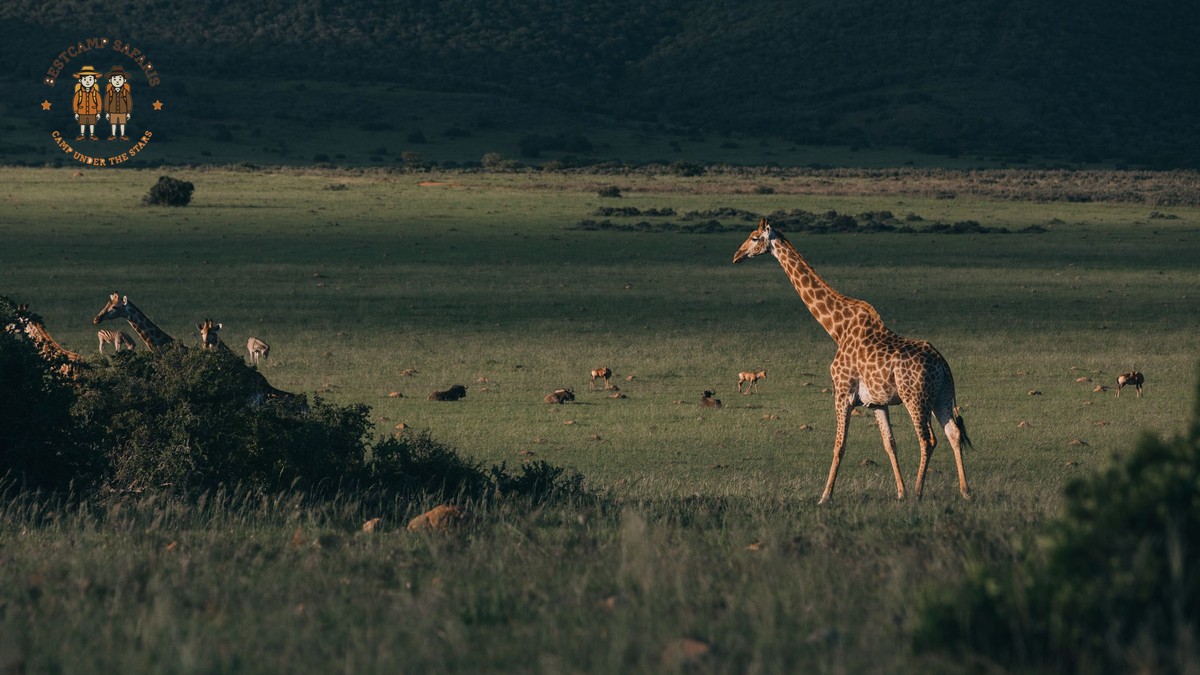
Yes, often. The Masai Mara Reserve holds the highest concentration of predators in the ecosystem for much of the year, especially during the wildebeest migration from July through October. Conservancies bordering the reserve share the same herds and the same cats, since there’s no fence between Naboisho and the Mara itself, but the reserve interior tends to have denser sightings simply because the land mass is smaller and animals concentrate along the river crossings.
What conservancies trade in raw density, they make up in quality. A cheetah hunt at dawn with two vehicles present feels completely different from the same hunt with twenty. Vehicle caps mean sightings stay calm, which means animals behave more naturally and stay visible longer.
Crowds and Vehicle Caps
This is the number that surprises first-time campers most. In peak season, a single lion sighting in the Mara Reserve can draw fifteen to thirty vehicles jostling for a view. Most conservancies cap sightings at five to eight vehicles by written agreement between camps. Naboisho and Mara North both enforce this, and rangers will radio a camp that breaks the limit.
For someone camping, not just visiting for a day, this matters at the tent too. Reserve-adjacent public campsites can sit close to access roads with more foot and vehicle traffic passing by. Conservancy fly camps are usually set well off any public route, reachable only by the camp’s own vehicles.
Cost: What a Conservancy Night Actually Adds
Conservancy fees are bundled into the nightly camp rate rather than paid at a gate. As of the 2025/2026 season, a rough guide:
| Site | Non-resident fee | Notes |
|---|---|---|
| Masai Mara National Reserve (Narok County) | USD 100/adult/day, Jan-Jun | Rises to USD 200/adult/day Jul-Dec, peak migration |
| Naboisho / Mara North Conservancy | Roughly USD 80-150/person/night | Bundled into camp rate, not paid separately |
| Amboseli National Park (KWS) | USD 90/adult/day | For comparison, different ecosystem |
| Samburu / Buffalo Springs Reserve | Indicative range, check current camp rates | County-run, fee structure differs from Mara |
Camping inside a conservancy generally costs more per night than a basic reserve campsite once you add the conservancy fee on top of camp costs. But it usually buys you night drives, walking safaris, and fewer vehicles at every sighting, activities a reserve stay can’t offer at any price. If your budget favors the reserve side instead, camping inside Buffalo Springs Reserve still delivers strong elephant and leopard sightings along the Ewaso Nyiro River without the conservancy premium.
Where the Fees Actually Go
Conservancy fees aren’t just an entry cost. They’re lease payments to the Maasai families who agreed to keep their land as wildlife habitat instead of fencing it for farming or grazing. That lease income is often the primary reason a family keeps land open rather than subdividing it. Reserve park fees, by contrast, go to county or KWS operating budgets, roads, ranger salaries, general upkeep, but not directly to individual landowners.
Who Should Pick Which
- First-time safari campers who want maximum animal density and don’t mind sharing a sighting: the reserve interior delivers volume.
- Overlanders and repeat visitors chasing walking safaris, night drives, and a fly camp under the stars: a conservancy is built for exactly that.
- Photographers wanting clean shots without ten roofs in the frame: conservancy vehicle caps make a real difference.
- Families with kids: reserve campsites tend to have more infrastructure nearby, which some parents prefer.
Combining Both on One Trip
You don’t have to choose only one. A common route is three nights in a Naboisho or Mara North conservancy fly camp, then two nights moving into the Mara Reserve itself to chase the river crossings during migration season. The conservancy gives you the walking safari and the night drive. The reserve gives you the crossing chaos. Drive time between the two is short, often under an hour depending on which gate and which camp.
The BestCamp Safaris Difference
We’ve pitched tents on both sides of that invisible conservancy line, and we plan trips around what a camping guest actually cares about, not what a lodge brochure lists. We know which conservancy camps still run a proper night drive with a spotlight from the vehicle, which fly camp sites have the best predator activity right now, and which reserve-side public campsites are worth the lower fee versus which ones sit too close to the main road. We build the mix, conservancy nights for the walking and the dark-sky drives, reserve nights for the migration density, so you get both without wasting a driving day figuring it out yourself.
Frequently Asked Questions
Can you do night game drives in the Masai Mara National Reserve? No. Night drives are not permitted inside the reserve itself. They are permitted in most bordering conservancies like Naboisho and Mara North.
Are private conservancies worth the extra cost? For campers who want walking safaris, night drives, and fewer vehicles at sightings, most say yes. If raw predator density matters more than activities, the reserve can be the better value.
Is off-road driving legal in Kenya’s national parks and reserves? No, it’s prohibited in the Mara Reserve and in KWS parks, with fines for operators who break the rule. Most conservancies permit it under guide discretion.
Can you combine a reserve and a conservancy on one safari trip? Yes, and it’s one of the most popular ways to camp in the Mara ecosystem, splitting nights between a conservancy fly camp and a reserve-side campsite.
Ready to work out your own mix of conservancy nights and reserve days? Get in touch through our contact page and we’ll build the itinerary around the camping experience you actually want.


