
 Adventure Tours
I woke up at 5am in a mobile tent on the Buffalo Springs side of the Ewaso Nyiro river, and the first sound I heard was not an engine. It was a hornbill, then camp staff folding canvas chairs for the pop-up breakfast table. No other vehicle noise. No other camp lights across the riverbank. That silence is the whole pitch for Buffalo Springs, and it is the starting point for this buffalo springs reserve safari guide.
If you have already done the Masai Mara from a permanent lodge and want to know where repeat visitors go after the Masai Mara, this reserve deserves a real look, not a courtesy mention in a Samburu itinerary.
Buffalo Springs Reserve Safari Guide: Where It Actually Is
Buffalo Springs National Reserve sits on the south bank of the Ewaso Nyiro river in Isiolo County, roughly 325 to 345 km north of Nairobi. Samburu National Reserve sits directly across the river on the north bank. Shaba National Reserve lies a short drive to the east.
The three reserves share one ecosystem and one river, but they are managed and gated separately. Buffalo Springs covers about 131 square km of dry acacia scrub, doum palm groves, and open lava-strewn plains, with the natural freshwater spring that gives the reserve its name near the center.
Most travelers fly into Samburu because the lodges are named after that side. Fewer than half bother crossing the river bridge into Buffalo Springs itself, which is exactly why it stays quiet.
Wildlife: What You Will and Won’t See
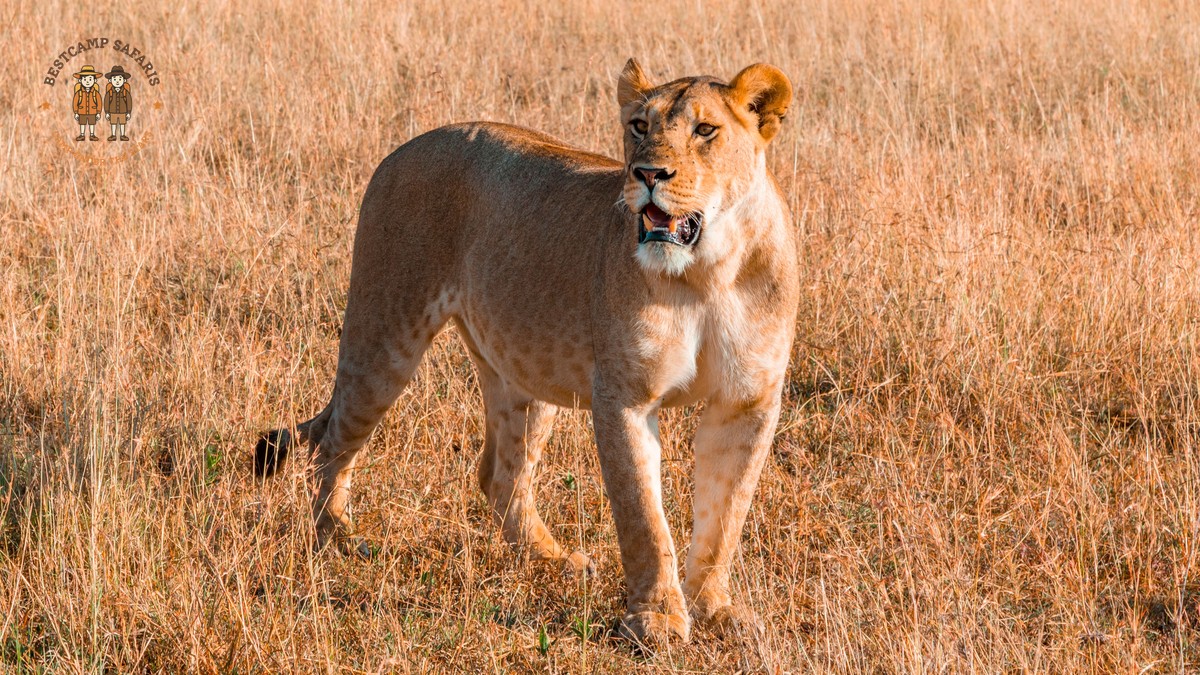
Buffalo Springs does not have rhino, so it is not a Big Five reserve on its own. Elephant, buffalo, leopard, and lion are all present, though lion density is lower here than in Samburu proper.
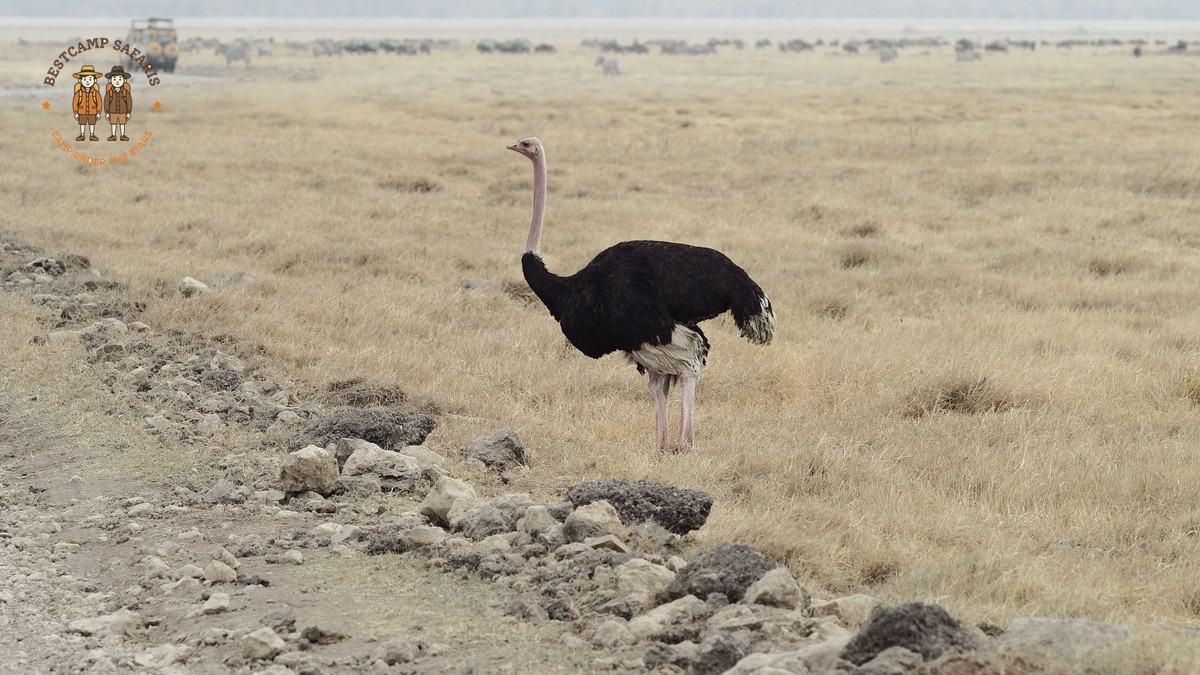
What makes this ecosystem distinct is the Samburu Special Five: Grevy’s zebra, reticulated giraffe, Somali ostrich, gerenuk, and beisa oryx. All five are adapted to arid country and you will not find this exact lineup in the Mara or Amboseli. Gerenuk standing on their hind legs to browse acacia is a scene worth the drive by itself.
Birdlife is strong along the river, with kingfishers, bee-eaters, and vulturine guineafowl common near camp. If you want the honest math on predator sightings before you commit vehicle time here versus elsewhere, our piece on the real odds of seeing the Big Five in Kenya breaks it down reserve by reserve.
Best Time to Visit
The dry months, from late June to October and again from January to March, bring animals to the river and make tracks passable. The rains, roughly April through May and again in November, green up the scrub fast and can cut off some tracks for a day or two.
Daytime temperatures run hot, often 30 to 34°C, since Buffalo Springs sits at lower elevation than Samburu’s more wooded stretches. Mornings before a game drive are genuinely cold enough for a fleece, then the heat builds fast by 9am.
Activities
Game drives run morning and afternoon, and most camps also offer night drives under permit, which is not standard in the Mara. Walking safaris with an armed Samburu guide are common on the private conservancy fringes just outside the reserve boundary, less so inside the reserve itself.
Cultural visits to Samburu villages near the reserve gate are widely offered, usually as an add-on rather than included. Balloon safaris are not currently operated over Buffalo Springs the way they are over the Mara, so do not plan around one here.
Accommodation and Camps
Most permanent camps serving Buffalo Springs sit on the river, technically inside Samburu National Reserve’s boundary but a five to ten minute drive from the Buffalo Springs bridge. A handful of tented camps and the public campsites sit inside Buffalo Springs itself.
| Camp / Option | Location | Style | Indicative rate (USD, pppn, all-inclusive) |
|---|---|---|---|
| Larsens Camp | Samburu NR riverbank | Luxury tented | 450 to 600 |
| Elephant Bedroom Camp | Samburu NR riverbank | Luxury tented | 380 to 520 |
| Ashnil Samburu Camp | Samburu NR riverbank | Upper-midrange tented | 280 to 380 |
| Samburu Sopa Lodge | Samburu NR, set back from river | Midrange lodge | 200 to 280 |
| Buffalo Springs public campsites | Inside Buffalo Springs NR | Budget, self-drive camping | 30 to 50 (camping fee only, bring your own gear) |
| Mobile fly-camp (seasonal, BestCamp-arranged) | Inside Buffalo Springs NR | Star-bed / canvas | 250 to 400 |
Rates shift with season and are indicative, always confirm current pricing before booking. For a broader sense of how off-peak timing changes these numbers, see our shoulder season pricing and value guide.
The mobile fly-camp is the one I’d push a repeat visitor toward. You sleep on a raised bed under the stars with a mosquito net instead of a full canvas roof, and staff pack the whole setup onto a truck the next morning while you’re out on a drive. It feels different from checking into a fixed lodge, and inside Buffalo Springs it usually means camping without another camp in sight.
Entry Fees and Getting There
Buffalo Springs is a county-run reserve, administered by Isiolo County, not a KWS national park. Samburu and Shaba are county-run too, the same category of reserve as the Masai Mara, which Narok County administers rather than KWS. That means fees here are set locally, not nationally. As an indicative range for non-resident adults, expect somewhere around USD 60 to 80 per person per day, but confirm the current published rate before you travel, since county-set fees can change with little advance notice.
| Route | Distance / time |
|---|---|
| Nairobi to Buffalo Springs by road | ~325 to 345 km, 5 to 6 hours via Nanyuki and Isiolo |
| Nairobi (Wilson Airport) to Samburu/Kalama airstrip | ~1 hour 10 to 20 minutes by air |
| Samburu airstrip to Buffalo Springs gate | 15 to 30 minutes by road transfer |
Flying in makes sense if you have three days or fewer. Driving lets you break the trip at Nanyuki and add Laikipia’s conservancies, like Ol Pejeta or Borana, on the same loop.
Buffalo Springs vs Samburu vs Shaba
This is the decision most repeat visitors actually need help with, not a wildlife checklist.
| Factor | Buffalo Springs | Samburu | Shaba |
|---|---|---|---|
| Size | 131 sq km | 165 sq km | 239 sq km |
| Vehicle density at sightings | Low | Moderate to high near river camps | Very low |
| Lion and leopard odds | Fair | Best of the three | Fair, less monitored |
| Camp options inside reserve | Few, mostly camping | Many, high-end riverside camps | Very few |
| Best for | Solitude, self-drive travelers, second-stop repeat visitors | First Samburu-ecosystem visit, best predator odds | Total isolation, fly-camping specialists |
The honest trade-off: Samburu wins on big cat density because that’s where the camps, the guides, and the vehicle traffic concentrate. Buffalo Springs trades some of those odds for empty tracks and a real shot at having a Special Five sighting entirely to yourself. Shaba goes further still, with almost no camp infrastructure at all.
For a repeat visitor who has already had a crowded cat sighting in the Mara or on Samburu’s busier river loop, that trade makes sense. For someone who has never seen a lion in the wild, book Samburu first.
Safari Packages and Pricing
A 3-day, 2-night fly-in package combining Samburu and Buffalo Springs, based from a riverside luxury camp with drives into both reserves, typically runs USD 1,200 to 1,800 per person sharing, all-inclusive of park fees, meals, and drives. A 4-day self-drive or road-transfer version combining Buffalo Springs with a Laikipia conservancy stop runs somewhat less per day once you factor out the flight.
Mobile fly-camp packages built specifically around Buffalo Springs and Shaba, with no fixed-lodge nights at all, are priced closer to a private safari and are worth requesting a custom quote for rather than comparing against a published rate card.
FAQs
What’s the difference between Buffalo Springs and Samburu? Same ecosystem, opposite riverbanks, separate gates and fees. Samburu has more camps and denser predator sightings. Buffalo Springs has fewer vehicles and a real shot at solitude.
Is Buffalo Springs worth visiting? Yes, as a second stop after Samburu or the Mara, not usually as a first and only safari destination.
Does Buffalo Springs have the Big Five? No rhino, so no. Elephant, buffalo, leopard, and lion are present.
What is the Samburu Special Five? Grevy’s zebra, reticulated giraffe, Somali ostrich, gerenuk, and beisa oryx, all arid-adapted species unique to this ecosystem.
Can you combine Buffalo Springs and Samburu on one safari? Yes, and most itineraries do. A single day pass often allows crossing between the two on the same booked day, but confirm this with your operator before travel since policy changes.
How many days do you need? Two full days lets you cover both reserves properly. Three lets you add a Laikipia conservancy or a Shaba morning drive.
The BestCamp Safaris Difference
We don’t sell Buffalo Springs as a Samburu add-on. We build itineraries where it earns its own nights, usually as a mobile fly-camp stop timed for empty tracks and a private star-bed evening. Our guides know which side of the river to be on at which hour, and we quote real camps and real rates upfront instead of vague price tiers. If a route works better through Laikipia or Meru instead, we’ll say so before you book, not after.
Plan Your Buffalo Springs Safari
If Buffalo Springs sounds like the second stop your Kenya trip has been missing, we’d like to help you build it properly, camps, timing, and the crossing into Samburu included. Get in touch through our contact page and we’ll start putting the route together.


