
 Wildlife Tours
At 5:15am in a mobile tented camp, the canvas walls are cold and a little damp. You hear the camp crew outside, moving flasks of coffee and packing the bush breakfast into crates before you have even unzipped your tent. Ten minutes later you are in a Land Cruiser, blanket over your knees, watching your breath fog up in the dark. That is a sunrise game drive.
If you have never done a sunrise vs sunset game drive in Kenya before, you have probably seen this exact question in every tour listing: morning drive or evening drive? Most first-time travelers assume it does not matter much. It does, and the difference comes down to animal behavior, light, temperature, and how many other vehicles you will be sharing the view with.
What Morning and Evening Game Drives Actually Are
A morning game drive in the Masai Mara or Amboseli typically leaves camp between 5:30am and 6:00am, before the sun is properly up, and runs until breakfast or brunch back at camp around 9:30am to 10:00am. An evening drive leaves after the midday heat breaks, usually around 4:00pm, and runs until the park gates close or the light fades, around 6:30pm to 7:00pm.
Both are built around the same idea. Animals are most active when temperatures are cool, so guides plan around dawn and dusk rather than the hot middle of the day.
Wildlife Activity and Predator Behavior by Time of Day
Mornings tend to win for predator sightings. Lions and hyenas often hunt through the night and are still finishing a kill, moving a cub, or lying near a fresh carcass when the first vehicles arrive. Guides who know how lion prides move through their territory at dawn can often predict which stretch of the Talek or Mara River a pride will be near before the sun clears the horizon.
Evenings are not far behind. Cats that spent the heat of the day asleep in shade start stirring around 4:30pm to 5:00pm, and this is a common time to see a leopard stretch out of a sausage tree or a cheetah start scanning for a last hunt before dark. Elephants and buffalo herds also move toward water in the evening, which makes them easier to find.
Photography and Light Quality
Photographers usually prefer sunrise. The light between 6:15am and 7:15am is soft, low, and gold, without the dust that builds up later as vehicles and animals move across dry ground. Backgrounds stay cleaner too.
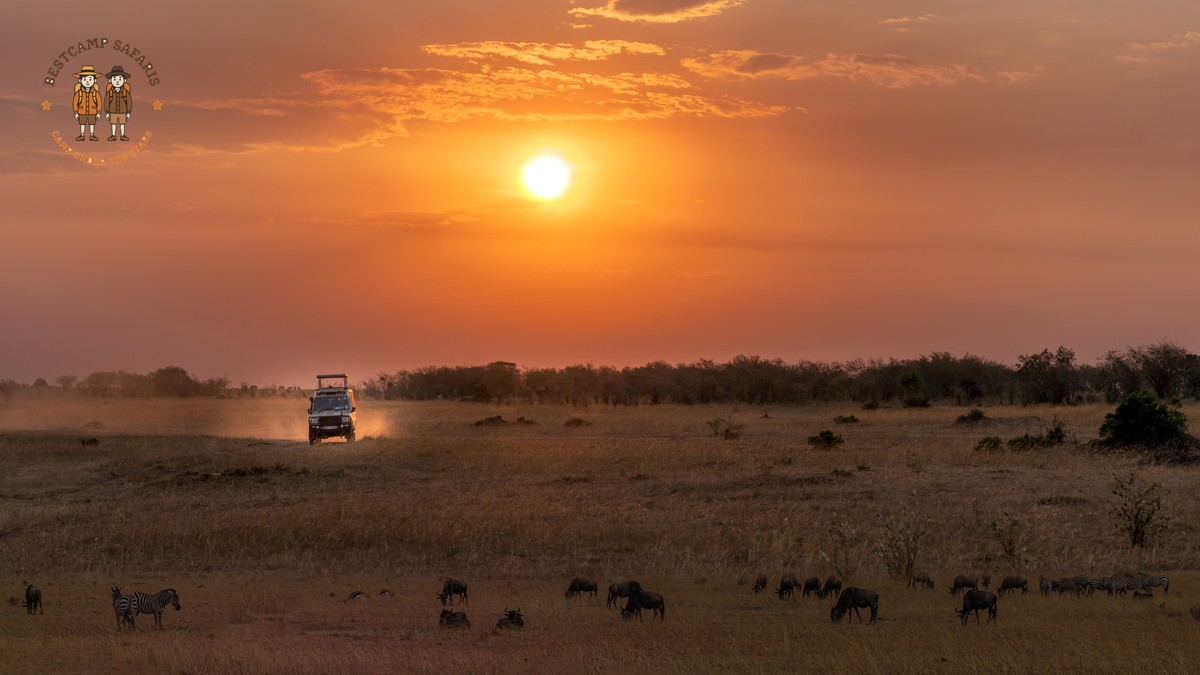
Evening light is warm and dramatic between roughly 5:45pm and 6:30pm, but by then the day’s traffic has kicked up dust, which can soften details or add haze to distant shots. Many photographers on repeat trips choose morning for wildlife portraits and evening for wide landscape shots, especially with a herd silhouetted against the sky.
Weather and Temperature Differences
Morning drives in the Mara start cold, often 12°C to 14°C at 6:00am, closer to 10°C to 13°C in Amboseli near Kilimanjaro. Bring a fleece and gloves even in August. By 9:00am it can already be climbing past 24°C.
Evening drives start warm, often 24°C to 27°C at 4:00pm, and cool down fast once the sun drops, sometimes dropping 8 to 10 degrees in under an hour. A light jacket for the ride back after dark is worth packing on both drives.
Crowds and Vehicle Traffic
Morning drives, especially near Sekenani or Talek gates in the Masai Mara National Reserve, see the heaviest vehicle traffic. Day-trip vehicles from Nairobi and nearby lodges tend to arrive between 7:00am and 9:00am, right when sightings are best, so popular spots can get crowded fast.
Evenings are quieter. Day visitors are usually heading out by 5:00pm to make it back before dark, leaving camps and conservancy guests with more space. If a quiet, uncrowded sighting matters to you, evening drives in a private conservancy are usually the better bet.
Duration and Typical Itinerary
Most camps run each drive as a distinct block rather than one long day out. A typical two-drive day looks like this: wake at 5:15am, drive 5:30am to 9:30am, brunch and rest at camp through the heat of midday, then a second drive from 4:00pm to 6:30pm or later, followed by dinner around the fire. Full-day drives with a packed lunch in the bush are also available and suit travelers who want maximum time out rather than a midday break at camp.
Sunrise vs Sunset Game Drive Kenya: Side-by-Side Comparison
| Factor | Morning Game Drive | Evening Game Drive |
|---|---|---|
| Typical departure | 5:30am to 6:00am | 4:00pm to 4:30pm |
| Typical return | 9:30am to 10:00am | 6:30pm to 7:00pm (reserve gates close around 6:30pm) |
| Drive length | 3.5 to 4.5 hours | 2.5 to 3 hours, longer in private conservancies |
| Temperature at start | 12-14°C (Mara), 10-13°C (Amboseli) | 24-27°C, cooling fast after sunset |
| Predator activity | Highest, cats finishing a night hunt | High at dusk, cats waking to hunt |
| Light for photography | Soft, gold, low dust, roughly 6:15-7:15am | Warm and dramatic, more dust, roughly 5:45-6:30pm |
| Vehicle traffic | Heaviest, especially near Sekenani and Talek gates | Lighter, most day visitors gone by 5pm |
| Night driving option | Not available in national reserves | Only in conservancies that allow night game drives, like Naboisho and Mara North |
Getting There: Distance and Fees at a Glance
| Route | Approximate Distance | Travel Time | Entry Fee (non-resident) |
|---|---|---|---|
| Nairobi to Masai Mara National Reserve (road) | about 270 km | 5-6 hours by road | USD 100/day Jan-Jun, USD 200/day Jul-Dec (Narok County) |
| Nairobi (Wilson Airport) to Mara airstrips (Keekorok, Ol Kiombo) | about 240 km | 45 minutes by air | Same as above |
| Nairobi to Amboseli National Park | about 240 km | 4-5 hours by road | USD 90/day (KWS) |
| Nairobi to Naboisho or Mara North Conservancy camps | about 270-290 km | 5.5-6.5 hours road, 45 min air | USD 80-150/person/night, bundled into camp rate |
These are approximate figures. Actual travel time depends on road conditions and which gate or airstrip your camp uses.
Can You Do Both in One Safari Day?
Yes, and most two- or three-night stays are built this way by default. A morning drive followed by a rest at camp and an evening drive is the standard rhythm at most mobile camps. If you want something more relaxed, some camps offer arranging a private sundowner instead of a full second drive, so you still catch the golden light and a good view without a long vehicle session after a full morning out.
Which Should You Choose?
If you only have time or budget for one drive per day, base the decision on what matters most to you. Choose morning if predator sightings and clean photography light are your priority, and you do not mind a 5:00am wake-up call. Choose evening if you would rather sleep in, want a warmer start, and are happy trading slightly lower predator odds for fewer vehicles and a calmer pace.
Most first-time travelers do best with both. The contrast between the quiet, cold dawn and the warm, golden dusk is part of what makes a mobile camping safari memorable, not just the animals you see in between.
The BestCamp Safaris Difference
We run mobile camps inside conservancies like Naboisho and Mara North specifically because they allow more flexibility than the national reserve. Our guides plan drive times around what a specific pride or herd has been doing that week, not a fixed schedule copied from a brochure. Because our camps sit inside private conservancies, we can also offer night drives after dark, something no camp based purely inside the Masai Mara National Reserve is legally able to do. Every guide on our team has spent years learning the same stretch of bush, so when we say a pride is likely to be near the river at 6am, it is based on tracking, not a guess.
Frequently Asked Questions
Are morning or evening game drives better for wildlife viewing? Morning usually has a slight edge for predator activity, since cats are often still active after a night hunt. Evening is close behind and better for herds moving to water.
Which is better for photography, morning or evening? Morning light between 6:15am and 7:15am is cleaner and less dusty. Evening light is warmer and more dramatic but often hazier.
How early do morning game drives start? Most leave camp between 5:30am and 6:00am, before sunrise.
Do evening game drives include night safaris? Only in private conservancies such as Naboisho or Mara North. National reserves close their gates around 6:30pm and do not allow driving after dark.
Can I skip one drive and still have a good safari? Yes. One drive a day is enough to see wildlife, though most guests who do both say the two feel different enough to be worth it.
How long does a game drive last? Morning drives typically run 3.5 to 4.5 hours. Evening drives run 2.5 to 3 hours, longer in conservancies with night driving.
What should I wear on each drive? Layers for the cold start on a morning drive, and a light jacket for the temperature drop after sunset on an evening drive.
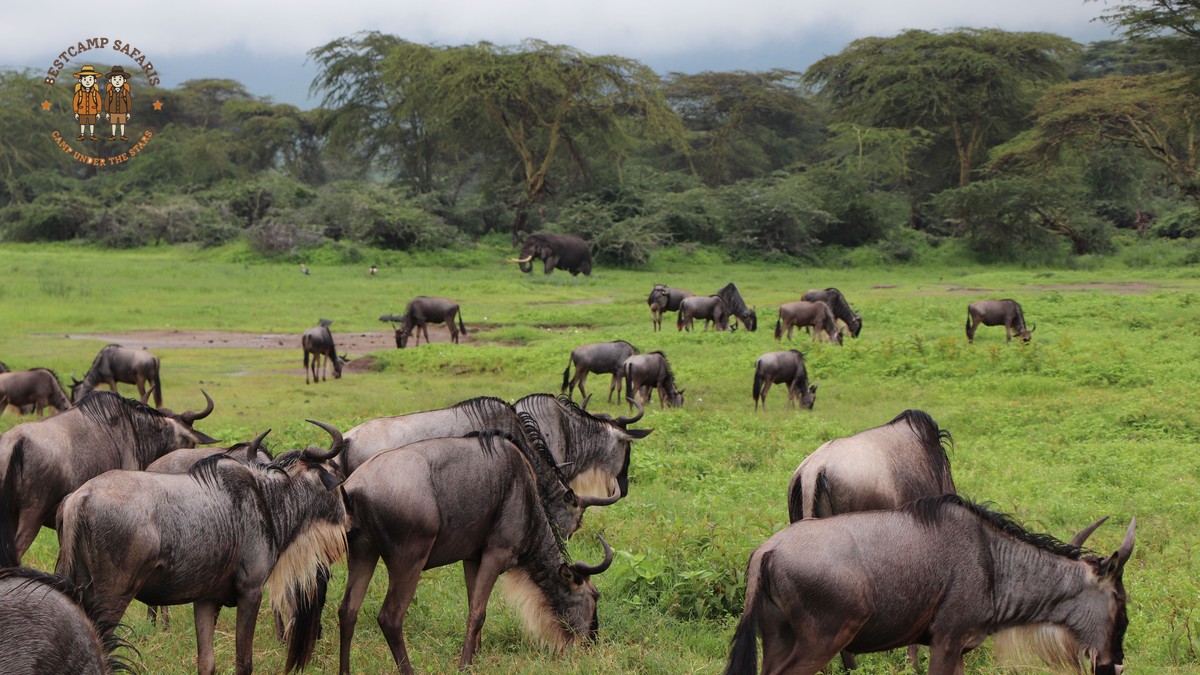
Can I see the Great Migration on a morning or evening drive? Yes, at either time, though river crossings tend to happen mid-morning to early afternoon when herds build up confidence to cross.
Plan Your Safari With BestCamp Safaris
If you are still weighing sunrise against sunset, we can help you build a schedule around both, matched to the season and the conservancy your camp sits in. Get in touch with our team to start planning your Masai Mara or Amboseli safari.


