
 Adventure Tours
I have walked back to a mobile tented camp after dark with a single lantern swinging beside me. The mess tent glowed. The kitchen clanked as the crew packed down after dinner. My tent stood thirty metres away under a flat topped acacia. I could hear a hyena but not the next guest.
That is the honest answer to how private is a mobile camp. It feels private because you are small, remote and outside. But privacy is not one switch. It splits into private canvas, exclusive camp use and private game viewing.
You can get all three in Kenya. You can also book a mobile camp and still share a dining table with strangers or follow two other vehicles to a lion sighting. The difference comes down to measurable things. Tent count. Tent spacing. Conservancy bed limits. Vehicle traversing rights. I will talk about the reality, not the brochure.
How private is a mobile camp, and what makes it different from a permanent camp
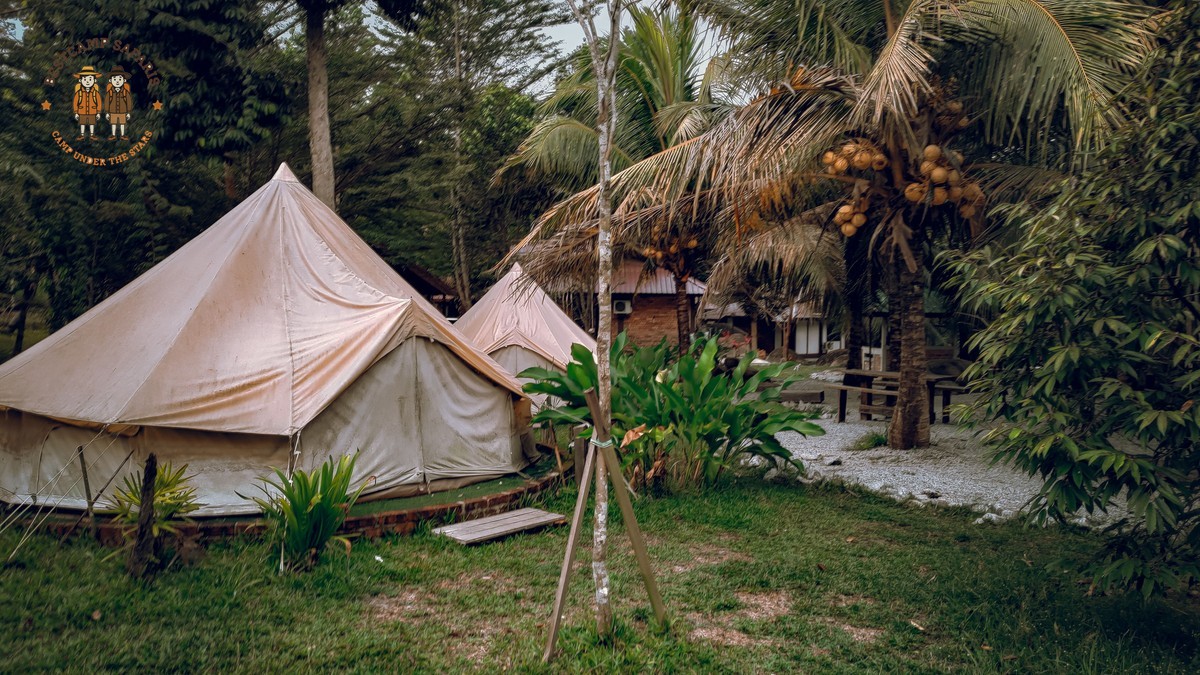
A mobile camp is canvas, bed bases, a staff dome tent and a kitchen box. A crew can move it in a few days. Many move with the rain or the migration. A permanent camp may have stone bathrooms, a pool, wine fridges and electricity. A mobile camp has bucket showers, solar panels and no concrete between you and the soil.
That lighter footprint is why mobile camps sit in wilder spots. A camp near a lugga in a Mara conservancy can be taken down when the short rains come. A lodge cannot do that. What you trade is insulation and wifi. What you gain is camp noise, scops owls and no passing lodge traffic.
Private-use versus shared mobile camps
This is the first question to ask any operator. Is the whole camp yours or are you buying two tents inside it?
A private mobile camp is set for one booking. You get the staff, chef, guide and vehicle. Nobody else sits at the mess table. That is the strongest privacy in a Kenya safari. A shared mobile camp runs like a small lodge. You get your own tent and bathroom but share meals and game drives.
Here is how those choices compare in practice.
| Setup type | Typical tents | Other guests in camp | Typical privacy level | Indicative cost for two people |
|---|---|---|---|---|
| Exclusive-use mobile camp for a couple | 2 to 3 tents, often one sleeping tent plus a lounge tent | None | Very high, staff only | USD 850 to 1,400 per night full board with private vehicle, depending on location |
| Shared mobile camp, high season | 6 to 10 tents | Up to 20 guests | Moderate, private tent but shared dining and vehicles | USD 450 to 900 per person per night full board |
| Private family mobile camp | 4 to 6 tents for one family | None | High, siblings and grandparents only | USD 1,200 to 1,800 per night for a family of four to six |
| Shared camp in the short rains | 6 tents, half empty | Often 2 to 8 guests | High by default, small guest list | USD 350 to 600 per person per night |
The expensive line is the secret many honeymoon couples miss. Two tents on a private setup can cost less per headache than a oversized lodge suite. You pay for your own vehicle, your own cook and your own hours.
How many tents are in a mobile camp
Small is not a mood, it is a number. Ask before you book. Good private mobile camps in Kenya run two to six tents. Shared camps run six to ten. Above twelve, it stops feeling like a mobile camp and starts feeling like a temporary hotel.
Because each tent needs a bathroom annex, a shower line and power cable, camp size also controls staff numbers. A six-tent camp may carry ten to fourteen staff. A two-tent honeymoon camp may carry seven. The staff tent and kitchen are always pitched behind the guest line. That design is deliberate. You hear the fire, not the crate packing.
Tent spacing and privacy between guest tents
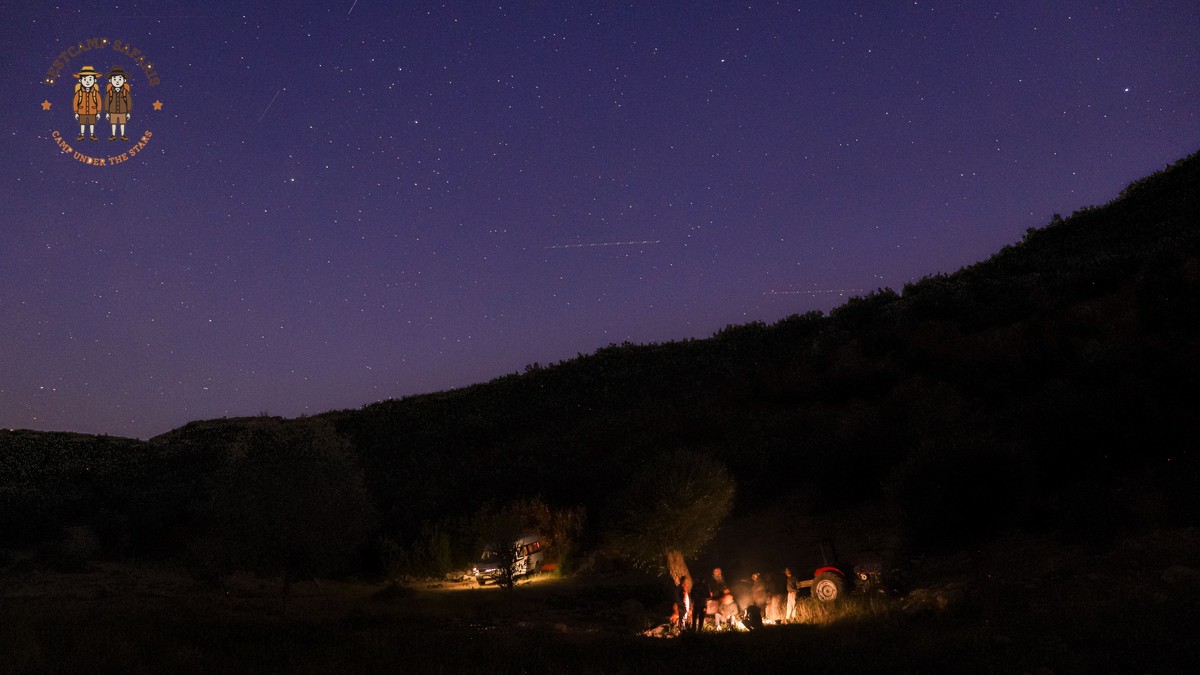
Spacing is the part nobody photographs. In a good camp, tents sit twenty to thirty metres apart. Bushes stay in place where possible. A tent door opens toward the view, not toward another tent. You can talk quietly without being heard. You can leave a lantern on and not worry about a neighbour watching the glow.
Ask the operator for the camp map if you can. A camp squeezed onto a narrow river bend may give you ten metres between doors. That is still private by hotel standards. But it is not the same as a tent out on its own.
Private bathrooms, showers and accommodation facilities
Your bathroom is part of the tent, usually a canvas annex at the back. It has a flush toilet or a long drop, a basin and a bucket shower. Staff fill the bucket when you ask. The water is hot because it was heated over a fire or by solar. That matters at 6:10am before a game drive.
The key phrase is en suite. Ask for it. A few budget mobile camps use a shared wash block in the trees. That is fine for a student trip. It is not what a honeymoon couple usually wants.
Camp staff, chefs and the privacy of quiet service
The staff see everything and hear less than you think. Good camp crews are trained to move around the guest path, not through it. Food comes on time. Hot water is ready. Then the crew disappears toward the kitchen tent.
The honest trade-off is that canvas does not hide sound the way stone does. If you are in the only guest tent, you can live exactly as you like. If you are in tent three of eight, morning radio calls and water buckets carry across the grass. Small camp, again, wins.
Privacy on game drives and vehicle numbers
A private camp does not automatically mean a private vehicle. This is where bookings go wrong. Some mobile camps include one shared vehicle. Some sell a private Toyota Land Cruiser per tent. Some conservancy camps use one vehicle per booking.
Ask this question word for word. Does the rate include a private vehicle or a shared vehicle? If it is shared, who else sits in it?
Even with a private vehicle, you are not alone on the landscape. The Mara is busy from July to October. You may share a river crossing with many vehicles. That is why the camp location matters more than the tent.
Private conservancies versus national parks and reserves
This is where Kenya gets specific. The Maasai Mara National Reserve is run by Narok County and is not part of Kenya Wildlife Service. Its non-resident entry fee is USD 100 per adult per day from January to June, then USD 200 per adult per day from July to December, the peak migration season. Vehicles crowd the reserve in that window.
A private conservancy next to the Mara is different. Conservancies set their own bed limits and vehicle limits. They share the same grass and the same lion populations. But a sighting may have three vehicles instead of twenty. Learn more about how Maasai Mara conservancies improve privacy and reduce vehicle crowds.
A honeymoon mobile camp in a conservancy usually sits inside the camp operator’s traversing area. Your guide drives those tracks every day. He knows where the resident leopard tends to rest. That knowledge is a form of privacy too. You see wildlife without spending the day in a queue.
Remote locations and what the quiet actually feels like
Privacy also means noise. At 5:15am you hear a striped kingfisher whistle near the stream. At 9pm you hear a genet on the tent roof. You do not hear the hum of a permanent lodge’s generator block or a pool pump.
You may hear a cowbell from a herder’s boma two hills away. That is not a privacy loss. It is the landscape telling you where you are. Most couples I have guided react to the cowbell as part of the reason they came.
Comfort trade-offs and the rain question
Mobile camp privacy comes with thinner walls. Canvas flaps in the wind. A heavy downpour drums on the roof. If the drainage is poor, you get mud outside the tent door. The crew can move the camp, but not in the middle of dinner. Read about what happens if it rains at a mobile camp.
Power is limited. Two solar panels run two lights and a USB port. You charge phones in the mess tent. There is rarely wifi. That loss of connectivity is part of the seclusion. If you need video calls, tell us before the trip.
Best mobile camps for couples and private groups
The private-use model suits honeymoon couples best in the Mara conservancies, Laikipia and Chyulu. In the Mara, a two-tent private camp on a conservancy near Naboisho or Mara North gives you old migration grass with fewer cars. In Chyulu Hills, mobile fly camps sit between green hills and the red slopes, with KWS park entry at USD 40 per adult per day if the route crosses the park boundary.
For families, exclusive use changes the trip. Children can take a nap while parents sit by the fire. The crew still runs on schedule. Check age rules and walking distances in this guide on whether children can join a mobile camp in Kenya.
For pure seclusion, Laikipia private camps beat the Mara on vehicle counts. You may see one other vehicle all day. The trade-off is fewer migratory herds and more dry country species.
Questions to ask before you book
Ask all of these in one email. The answers tell you how private a mobile camp really is.
- Is the camp exclusive to my group or shared?
- How many tents are booked in total?
- How far apart are guest tents?
- Is the bathroom en suite with a bucket shower?
- Is the safari vehicle private or shared?
- On which land does the camp sit and how many vehicles may drive there?
- What happens if heavy rain forces a camp move?
- Can we do a star bed or sleep out for one night?
The BestCamp Safaris Difference
We plan around measurements, not adjectives. Tent count. Tents per square kilometre. Daily vehicle limits on the conservancy. Private vehicle rights. Camp drainage after rain. We build trips with named camps and real driving times, not vague promises of quiet.
When a couple calls us about a honeymoon mobile camp, we usually pitch Mara North or Naboisho unless they want dryer, emptier ground. Then we look at Laikipia or Chyulu. We show the trade before we sell it. Bucket showers are part of the romance, but you should know that before you pay for them.
Plan your private mobile camp with us
Tell us your dates, your budget and how you actually want to spend your evenings, fire and sky or cards and wifi. We will put together a private camp route that matches the quiet you are looking for. Start with our Maasai Mara safari trips or write to us through the contact page and we will talk through camp options by phone or email.


