
 Adventure Tours
Can kids join safari camps? Yes. Kenya has no national law banning children from safari camps. Each camp sets its own minimum age, and those rules vary widely. Some camps welcome babies from six months. Others require kids to be at least six or eight years old.
I have slept in mobile tented camps across the Mara and Amboseli. I know what the canvas feels like at 5am when the tea arrives, and how a family tent is laid out. This guide is honest about what works, what does not, and how to book without surprises.
Can Kids Join Safari Camps in Kenya?
Yes, but you need to check each camp’s policy before booking. The range is broad:
- Luxury tented camps: Often accept children aged 6 and above.
- Family-friendly lodges: Many accept kids of any age, including babies.
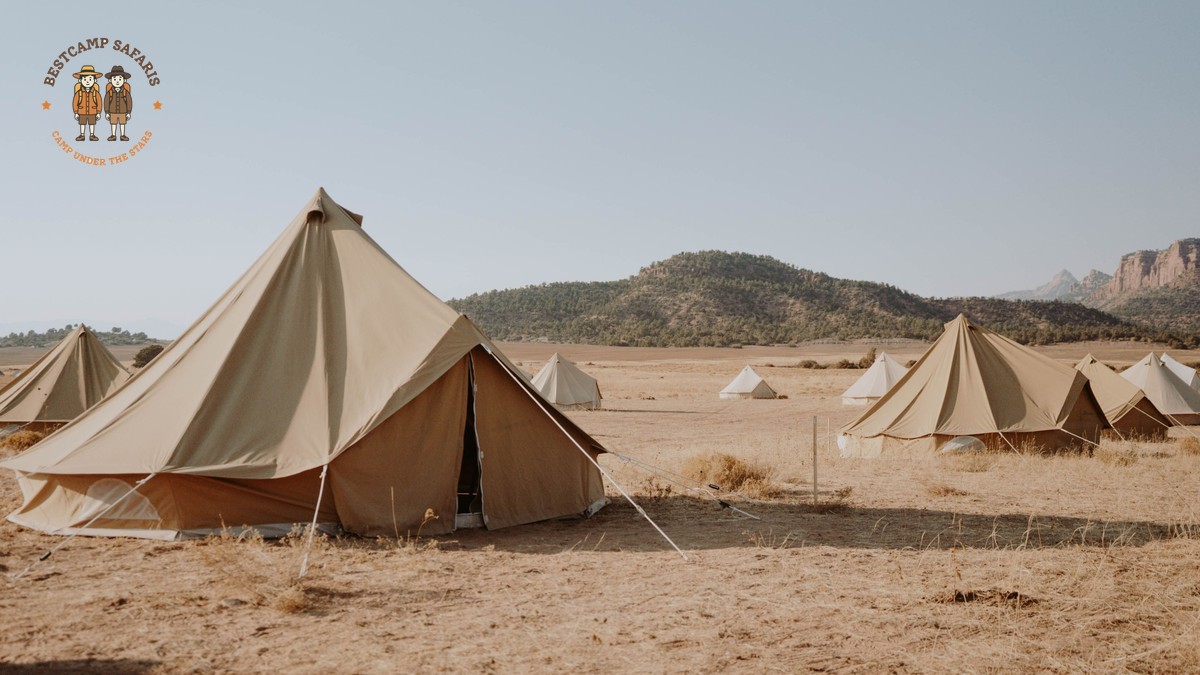
- Mobile camps: Usually set a minimum age of 5 or 6 due to the open layout.
- Exclusive-use camps: Can be flexible if you book the whole camp.
The rule of thumb is this: the more remote the camp, the higher the minimum age. Camps near airstrips or towns tend to be more flexible.
Minimum Age Rules by Camp and Activity
Most camps publish their age limits clearly. Here is what you can expect across Kenya:
| Camp Type | Minimum Age | Notes |
|---|---|---|
| Family lodge in Masai Mara (e.g., Kichwa Tembo, Mara Serena) | 4-6 years | Kids can join game drives with a private vehicle |
| Upscale tented camp in Naboisho Conservancy | 6-8 years | Often requires private vehicle for children under 12 |
| Mobile camp in Mara North Conservancy | 6 years | Shared drives limited to older children |
| Beach and safari combo on the coast | All ages | Babysitting often available |
| Walking safari camps | 12-16 years | Strict limits due to safety on foot |
The minimum age for game drives is usually lower than for walking safaris. Most camps will take children aged 4 and up on shared game drives. Some allow younger kids if you book a private vehicle.
Game Drives vs Walking Safaris
Game drives are the core of a Kenya safari, and most camps allow children on them. The main rule is that kids must stay seated inside the vehicle at all times. This is non-negotiable. An open-sided vehicle has no doors, and a sudden lion sighting can make the whole car shift. Children under 12 are often required to sit in the middle seat, between adults.
Walking safaris are different. Most operators set a minimum age of 12, and some require 14 or 16. The reason is simple. On foot, you are in the animals’ space with no vehicle to protect you. Children need to follow instructions quietly and quickly. A scared or excited child can be a real risk.
If you want a walking safari with younger kids, book a private guide. Some camps in the Mara North or Ol Pejeta Conservancy offer short, gentle walks designed for families. These walks are usually 30 to 45 minutes at a slow pace, with a ranger who explains tracks and plants.
Safety in Unfenced Camps
Many tented camps are not fenced. Animals walk through the camp at night. This is a highlight for adults, but a concern for parents with young children.
Here is what a good camp does to keep kids safe:
- A guard walks you to your tent after dinner.
- Tents have zippers on both the inner and outer layers.
- A whistle and flashlight are placed in each tent.
- Children are not allowed to walk alone after dark, ever.
- The camp has a central fire pit where everyone gathers at night.
If you have a child under six, choose a fenced camp or one with a dedicated family area. Some camps, like those in the private conservancies, are naturally safer because they have fewer predators and more open grassland.
Ask the camp about their safety protocol before booking. A good camp will talk you through it in detail. A vague answer is a red flag.
Best Age for Kids on Safari
The ideal age depends on the child, but most safari guides agree on a few rules:
- Under 4: Possible at family lodges, but hard work. Long drives, early mornings, and heat can overwhelm a toddler.
- 4 to 7: Good age for shared game drives if the child is patient. A private vehicle is recommended.
- 8 to 12: The sweet spot. Kids can handle full days, remember the experience, and follow safety rules.
- 13 and up: No restrictions. They can join walking safaris and longer trips.
My honest advice is this: if your child is under six, book a private vehicle and keep game drives to two hours at a time. If your child is eight or older, they can handle a standard safari pace.
A child who is bored or tired is a child who cries or fidgets. That affects everyone in the vehicle, not just your family.
Family-Friendly Camps and Rooms
Not all tents are created equal. For families, look for these features:
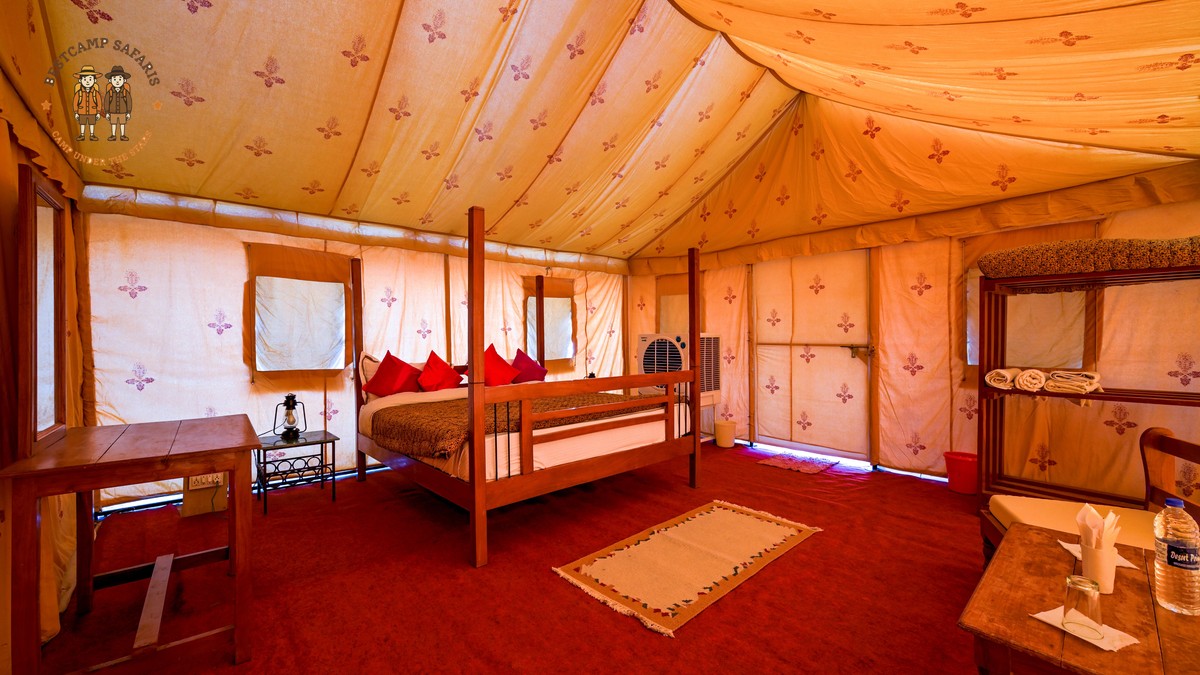
- Family tents: Larger tents with a separate sleeping area for kids, sometimes with bunk beds.
- Interconnecting rooms: Two tents or rooms joined by a shared veranda.
- Private plunge pools: Good for mid-day breaks when the sun is high.
- Babysitting services: Available at some lodges, not always at mobile camps.
In the Masai Mara, camps like Kichwa Tembo and Fig Tree Camp have dedicated family tents. In the private conservancies, camps like Naboisho Camp and Kicheche Mara offer flexible family setups.
The best approach is to book a ground floor tent or room. Upper level tents in treehouses are wonderful, but they are hard with a stroller or a tired child.
Costs for Children and Private Vehicles
Children do not always pay full price on safari, but the discount varies. Here is a realistic picture:
| Cost Item | Child Price (Under 12) | Adult Price |
|---|---|---|
| Masai Mara park fee (Jul-Dec) | USD 200 | USD 200 |
| Masai Mara park fee (Jan-Jun) | USD 100 | USD 100 |
| Naboisho Conservancy fee | USD 80-150 | USD 80-150 |
| Private safari vehicle (per day) | USD 150-300 | USD 150-300 |
Note that park fees are per person and per day. The Mara fee is the same for children and adults. There is no child discount at the gate.
The big extra cost is usually the private vehicle. Most camps include shared game drives in the nightly rate. A private vehicle costs between USD 150 and USD 300 per day, depending on the camp and the season. For a family of three, this is often worth it.
Toddlers under two years usually stay free at camps, but you must confirm this in writing. Some camps charge a small fee for cribs or extra bedding.
What to Pack and How to Prepare
Packing for a child on safari is different from packing for an adult. Here is my checklist:
- Neutral colored clothes: Khaki, green, and beige. Avoid bright colors that attract animals and insects.
- Warm layers: Mornings in the Mara can be 10°C (50°F) before sunrise, even in summer.
- Sun hat and sunglasses: The equator sun is harsh, and kids burn fast.
- Bug spray with DEET: Apply after sunscreen, not before.
- Zinc oxide or full-length clothes: For babies, this is often easier than repellent.
- Snacks: Dry crackers, fruit, and juice boxes. Camps provide meals, but kids get hungry between drives.
- A small backpack: Let your child carry their own water bottle and a favorite toy.
Before you go, talk to your pediatrician about malaria prevention. Kenya has malaria in most safari areas, including the Mara. Kids can take antimalarials, but the choice depends on age and weight. Start the medication before you travel, as directed.
Malaria, Health, and Comfort Considerations
Malaria is a real concern for children on safari. The risk is highest in the lowlands and around water. Camps at higher altitudes, like those in the Chyulu Hills, have lower risk, but the Mara and Amboseli are in malaria zones.
Here is what parents should do:
- Visit a travel clinic 4 to 6 weeks before departure.
- Carry a pediatric malaria kit in case of emergency.
- Use bed nets, even if the camp provides them. Some camps have netted beds, but a child may kick them off.
- Check if the camp has a resident doctor or a clinic nearby.
Comfort matters too. Tents get cold at night, and kids wake up early. Ask for extra blankets and a hot water bottle before bed. Most camps are happy to provide these.
If your child needs a specific snack or a favorite blanket, bring it. Camps are remote and supplies are limited.
Recommended Kenya Family Safari Destinations
Some areas in Kenya are easier for families than others. In my experience, these work best:
- Masai Mara National Reserve: Classic game drives, many family camps, and reliable infrastructure. The park fee is high at USD 200 per day in peak season, but the wildlife is unmatched. See our Maasai Mara Safari from Nairobi for a full itinerary.
- Naboisho Conservancy: Lower vehicle density, private game drives, and walking safaris for older kids. The conservancies charge roughly USD 80-150 per person per night, bundled into your lodge rate.
- Amboseli National Park: Great for seeing elephants and Kilimanjaro. The park fee is USD 90 per adult per day.
- Lake Nakuru National Park: A smaller park, perfect for a short safari with younger kids. The fee is USD 90 per adult per day.
A good rule is to keep driving distances short. Choose a camp within two hours of an airstrip. A 45-minute flight from Nairobi saves hours of bumpy road time that a child will not enjoy.
For a deeper guide on planning, read our family safari Kenya planning guide. It covers logistics, vaccination schedules, and how to keep kids engaged between drives.
Common Questions Parents Ask
Do children need a private vehicle on safari?
Not always, but it helps. Some camps require a private vehicle for children under a certain age. Others allow kids on shared vehicles but limit the number of children per vehicle. A private vehicle lets you stop when your child is tired and skip long viewing sessions.
Are toddlers allowed on safari in Kenya?
Yes, at most family lodges. Mobile tented camps are harder with toddlers due to the open layout and lack of fences. If you are traveling with a toddler, book a lodge with a pool, babysitting, and fenced grounds.
Do kids pay full price on safari?
Camps often discount children under 12, sometimes by 25% to 50% on the nightly rate. Park and conservancy fees are per person and are usually the same for children. Always ask for the child rate when you book.
What age is best for a child to go on safari?
Ages 8 to 12 are ideal. Children at this age are old enough to stay seated, follow instructions, and remember the trip. They are still young enough to be thrilled by every giraffe and zebra.
The BestCamp Safaris Difference
At BestCamp Safaris, we do not book a family into a camp that is wrong for them. We ask about your children’s ages, energy levels, and interests. Then we match you with camps that have the right age policies, family tent setups, and safety protocols.
We have walked the camps, tested the beds, and talked to the rangers. We know which camps have patient guides and which ones rush the drives. We also know which camps have high chairs, cribs, and kids’ menus. This kind of detail changes the experience.
Our family safari Kenya for parents page includes camp suggestions for different age groups, a packing list, and tips for managing jet lag. We can also arrange a private vehicle, a dedicated guide, and flexible meal times.
Plan Your Family Safari
Walking into a lamplit camp after a dark game drive, with your children asleep in the car and the stars overhead, is a memory they will carry for life. The right camp makes this possible.
The wrong camp makes it stressful. You end up carrying a crying toddler to dinner while a leopard calls from the darkness. That is not the safari you want.
Tell us your children’s ages, and we will build a safari that fits. We will recommend camps with the right age policies, book a private vehicle if needed, and plan game drives that match your family’s rhythm.
Explore our family safari tours or contact us to start planning. Your kids are ready for an adventure. We will make sure the camp is too.


