
 Adventure Tours
Planning a Kenya safari from Madrid, Mexico City, or Buenos Aires can feel like a maze. You compare parks, check flights, and keep coming back to one question: will my guide actually speak Spanish? That question matters. A safari guide does more than drive. They read the bush, spot a leopard in a fig tree, and tell you the story behind a lion pride.
This is a kenya safari for spanish speaking travelers who want clear answers on their first trip. It covers how to confirm a Spanish-speaking guide, what a 7-day trip really costs, and which route makes sense the first time. I have slept in canvas tents across Kenya. I know what matters on the ground, not just on a booking page.
How to Book a Kenya Safari for Spanish Speaking Travelers
Ask for a Spanish-speaking driver-guide before you pay any deposit. Then have the guide’s language, name or qualification, and any surcharge written into your quotation. A Kenyan operator usually gives the best balance of local logistics and price. An agency based in Spain or Latin America may simplify communication, but it often adds a 20% to 30% premium.
Name the language requirement in your first email. Most Kenyan companies can confirm a bilingual guide within a few days. Ask how many years that guide has worked in the parks you want to visit. Ask what happens if your scheduled guide is unavailable on your travel dates. The right answer is “we provide another Spanish-speaking guide”, not “we will do our best”.
Work out your documents early too. Check the Kenya safari visa processing time before you agree on a final date.
Kenya Safari Costs for Spanish-Speaking Travelers
Budget about USD 600 to 1,250 per person for a five-day shared safari. Plan for USD 1,500 to 3,000 for a private mid-range trip. A luxury conservancy itinerary usually runs USD 3,500 to 6,000. A Spanish-speaking guide may add about USD 150 to 250 per group per day, not per traveler.
Those ranges assume park fees, meals, transport, and accommodation are partly included. They do not include international flights, visas, drinks, or tips. Kenya Wildlife Service raised non-resident park entrance fees in October 2025, so older price lists are out of date.
Here are the current fees that matter for a 7-day route:
| Park or reserve | Non-resident entry fee per adult, per day (2026) | Managed by |
|---|---|---|
| Amboseli National Park | USD 90 | Kenya Wildlife Service |
| Lake Nakuru National Park | USD 90 | Kenya Wildlife Service |
| Masai Mara National Reserve, January to June | USD 100 | Narok County Government |
| Masai Mara National Reserve, July to December | USD 200 | Narok County Government |
| Nairobi National Park | USD 80 | Kenya Wildlife Service |
| Tsavo East or Tsavo West | USD 80 | Kenya Wildlife Service |
| Chyulu Hills National Park | USD 40 | Kenya Wildlife Service |
| Naboisho or Mara North Conservancy | USD 80 to 150 per person per night | Private conservancy, usually included in lodge rates |
A 7-day route through Amboseli, Nakuru, and the Mara includes two KWS parks and one county reserve. At peak season, three days in the Mara alone cost USD 600 per adult. Add Amboseli and Nakuru, and you pass USD 900 in entry fees before any lodge or fuel.
If you want a more refined camp experience, the Kenya safari luxury camping prices climb to roughly USD 700 to 1,200 per person per night. Those prices usually include the conservancy fee, because it is bundled into the lodge rate.
Best 7-Day Kenya Safari Itinerary
A balanced first safari uses two nights in Amboseli, two nights near Lake Nakuru or Ol Pejeta, and three nights in the Masai Mara ecosystem. This route combines elephants and Kilimanjaro views with rhinos and conservation, then finishes in the strongest big-cat country in Kenya. It avoids the common mistake of trying to cover too many distant parks.
Here is the route in daily terms:
| Stop | Nights | Why it earns a place | Rough drive from previous stop |
|---|---|---|---|
| Amboseli National Park | 2 | Huge elephant herds, Kilimanjaro views | Nairobi to Amboseli: about 240 km, 4 hours |
| Lake Nakuru National Park | 2 | Rhinos, flamingos, acacia forest | Amboseli to Nakuru: about 300 km, 6 hours |
| Masai Mara National Reserve | 3 | Big cats, open plains, migration crossings | Nakuru to Mara: about 310 km, 5.5 hours |
Mornings in a mobile tented camp start before dawn. You hear the zip of your tent at 5am. Then comes the clatter of a bush breakfast being packed into the Land Cruiser, and the low voices of guides talking over coffee. The ground is cold under your sandals. By first light you are already driving with the engine off, listening to the bush instead of describing it.
Day 1 starts with a 4-hour drive from Nairobi to Amboseli. Day 2 gives you a full morning of elephant viewing against the Kilimanjaro skyline before the second night in camp. Day 3 is a scenic drive to Nakuru, where white rhinos graze below the cliffs, followed by a full day around the lake on Day 4. Day 5 is the drive into the Mara, and Days 6 and 7 belong to the Mara, where the Kenya safari itinerary for Spanish speakers usually saves the best for last.
If you travel between July and October, it pays to understand how early to book the Maasai Mara migration. The best camps and the best guiding teams fill months in advance.
Best Time to Visit Kenya for Spanish-Speaking Travelers
Choose June to October for dry roads, concentrated wildlife, and the classic migration season, especially July to September in the Mara. Choose January to March for quieter parks and newborn animals. Try April, May, and November for greener scenery and potentially better value, as long as you accept less predictable road conditions.
June to October matches summer holidays in Europe and North America. Dry season means dusty roads and busy lodges. Shoulder months like November can be gorgeous, with fresh grass and fewer vehicles. The trade-off is weather. A muddy track can turn a 5-hour drive into a 7-hour one, so allow a buffer day if you travel then.
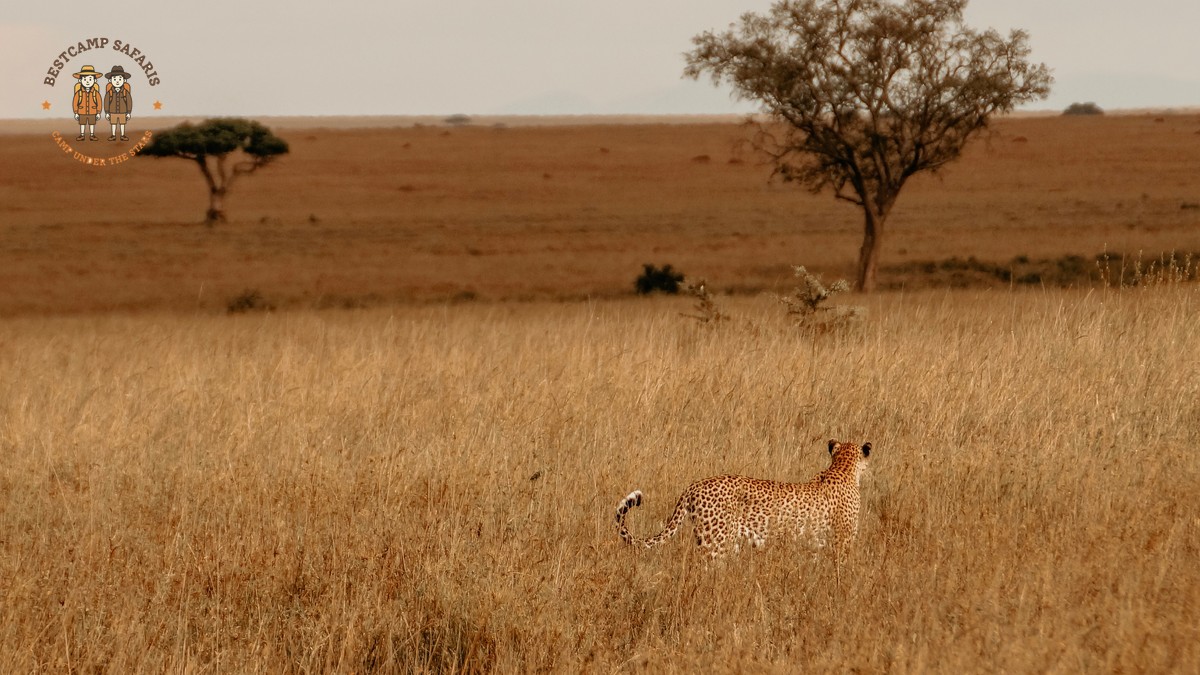
For a Masai Mara safari, the migration is the headline, but resident predators are excellent in every month. The Mara’s lion prides do not follow the wildebeest. They stay on their territory and hunt year round.
Spanish-Speaking Guide Options and Booking Checks
A bilingual Spanish-English driver-guide is usually the simplest option for a private Kenya safari. An English-speaking guide plus a separate interpreter costs more and uses an extra vehicle seat. Confirm the guide’s professional certification, practical Spanish-speaking experience, and the total language surcharge in writing before booking.
When you search for a Spanish-speaking safari guide Kenya, look for operators who employ bilingual guides full time. Some operators promise a guide who “speaks some Spanish” and then hope no one notices. That is not good enough when you are negotiating a river crossing. You need to hear the difference between a leopard call and a baboon alarm.
Ask these questions before you pay:
- How many Spanish-speaking groups has this guide hosted in the past year?
- Is the guide certified by the Kenya Professional Safari Guides Association?
- What is the surcharge, and is it per group or per person?
- Who replaces the guide if they fall sick mid-trip?
The surcharge is usually quoted per group. On a shared trip, that cost is divided across the group, often USD 35 to 45 per person per day.
What Is Included in a Kenya Safari Package
Most organized packages include accommodation, meals, game drives, a driver-guide, and transport. Park or conservancy fees, international flights, visas, drinks, tips, and optional activities may be separate. Request a day-by-day quotation that shows named camps, vehicle type, guide language, entry fees, and every exclusion.
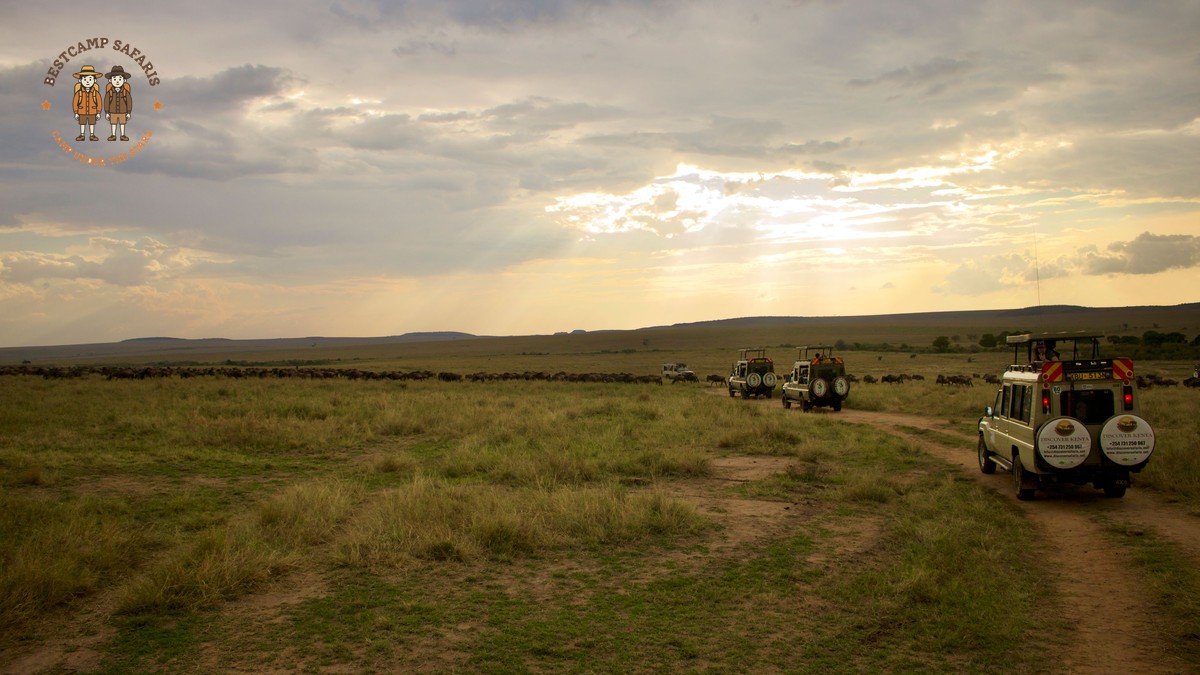
A standard day in a mobile camp follows a steady rhythm. Wake before dawn, drive for three hours, come back to eggs, fruit, and chapati on the camp table. After lunch you rest while the hyenas give up the shade. The evening drive ends as the light goes gold and the camp lanterns flicker on.
A package quoted at USD 1,800 per person can jump to USD 2,600 once you add three days of park fees, a guide surcharge, and tips. Ask for the total in writing before you book. The word “included” should mean “included in this exact quotation”, not “included on request”.
Practical Notes for Spanish-Speaking Visitors
Plan for cool early-morning and evening temperatures, comfortable layered clothing, and long road journeys between parks. Keep your passport and visa documents accessible. Ask about medical and dietary needs before arrival. Agree on tipping expectations with the operator; common guidance is about USD 5 to 10 per traveler per day for the guide.
The mornings in the Mara can start at 12 degrees Celsius even in July. A fleece and a windbreaker belong in your daypack. Long drives mean stops at airstrip toilets, so pack hand sanitiser and snacks. If you have dietary needs, tell the camp about them a week before you arrive. Kitchens handle most requests with notice.
The BestCamp Safaris Difference
What changes when you book with BestCamp Safaris? You get an operator that builds the trip around you, not a template. We confirm guide language in writing, quote named camps, and show the entry fees in a daily breakdown. The price you see is close to the price you pay.
After planning hundreds of first safaris, I still love the details of camp life. I have slept in mobile tents on the edge of the Mara and in the shadow of Kilimanjaro. The canvas smells like dust and sun. The lanterns come on at dusk. Warm water appears for washing. The night guard walks you to your tent after dinner. If you are awake at 5am, the sky does not need a description. It simply performs.
That is the difference. It is honest comfort, clear logistics, and a guide who speaks your language.
Frequently Asked Questions
How much does a Kenya safari cost for Spanish speakers?
A five-day shared safari generally costs about USD 600 to 1,250 per person. A private mid-range safari costs about USD 1,500 to 3,000 per person. Luxury safaris can reach USD 700 to 1,200 per person per day, and Spanish guiding may add a group surcharge.
Can I book a Kenya safari with a Spanish-speaking guide?
Yes. Kenyan operators can arrange bilingual Spanish-English driver-guides or, less commonly, a separate interpreter. Confirm the arrangement, guide experience, and surcharge in writing before paying a deposit.
What is the best Kenya safari itinerary for 7 days?
The most balanced seven-night route is two nights in Amboseli, two nights near Lake Nakuru or Ol Pejeta, and three nights in the Masai Mara. It combines elephants, rhinos, conservation experiences, and big-cat viewing while keeping driving times manageable.
What is the best time to go on safari in Kenya?
June to October is the safest all-round choice for dry conditions and reliable wildlife viewing. July to September is especially attractive for the Great Migration in the Maasai Mara. January to March offers quieter parks and newborn wildlife.
Is a Spanish-speaking guide included in the safari price?
Not always. Shared and budget safaris may use English-speaking guides by default. A private bilingual guide can carry an additional charge of roughly USD 35 to 45 per day or a group-level surcharge. The language arrangement should appear explicitly in the written quotation.
Start Planning Your Safari
Ready to build your 7-day plan? BestCamp Safaris can create a route with a confirmed Spanish-speaking guide, named camps, and a transparent daily price. Tell us the month you want to travel, your budget, and the number of travelers. We will send a day-by-day quotation with every fee listed.
Start the conversation on our contact page, and tell us where you want to watch the sunrise.


