
 Adventure Tours
At 5am in a mobile camp, the first sound I noticed was not a lion. It was the zipper on my tent door, followed by a tin kettle being set on the embers. I had slept on a real mattress, under a wool blanket, inside a canvas tent big enough to stand in. That version of safari camping felt nothing like the public campsite I expected, but it was also not a lodge. Kenya safari camping comfort levels sit somewhere on a wide spectrum, and your choice changes how the whole trip feels.
Kenya Safari Camping Comfort Levels Explained
Kenya safari camping ranges from basic public campsites with shared or pit toilets to permanent tented camps with real beds, private bathrooms, hot showers, dining service, and sometimes pools or spas. “Camping” does not automatically mean roughing it: the tent’s construction, location, staffing, and included amenities determine the actual comfort level.
On the ground, that range is easy to underestimate. In the Masai Mara National Reserve, entry is written on your park ticket: Narok County runs the reserve, not KWS, and a non-resident adult pays USD 200 per day from July to December, then USD 100 from January to June. Other KWS parks are cheaper. Amboseli and Lake Nakuru National Park each cost USD 90 per adult per day. Tsavo East and Tsavo West cost USD 80. Nairobi National Park costs USD 80. Chyulu Hills National Park costs USD 40. Those fees sit on top of what you pay to sleep.
When you compare Kenya safari accommodation, think about location first. A public campsite near Sekenani Gate in the Mara can be noisy and basic. A tented camp in Naboisho Conservancy or Mara North Conservancy usually charges a conservancy fee of roughly USD 80 to 150 per person per night, but it gives you private wilderness and a quieter night.
What Facilities and Amenities Can You Expect?
Most permanent and higher-end tented camps provide a proper bed, mosquito net, private en-suite bathroom, towels, meals, and a furnished sitting or veranda area. Budget or mobile camps may use mattresses, bucket showers, long-drop or shared toilets, solar lighting, and limited charging, so confirm every facility before booking.
When I ask clients about Kenya safari camping comfort levels, they usually mean bathrooms and power. Let’s be specific.
| Comfort item | Public campsite | Mobile or fly camp | Permanent tented camp |
|---|---|---|---|
| Example | KWS self-catering site near Lake Nakuru National Park, often 5 to 10 km from a gate | Walking fly camp in Chyulu Hills or the Mara Triangle, reached by a 20 to 50 minute road transfer from an airstrip | Conservancy tented camp in Naboisho or Mara North, with a 20 to 60 minute transfer from Ol Seki or Mara North Airstrip |
| Bed | Thin foam mattress on a camp cot | Camp cot with mattress pad | Real queen or twin bed with full bedding |
| Bathroom | Shared washroom or pit toilet | Portable toilet or long-drop | Private en-suite tented bathroom |
| Hot water | Usually not available | Bucket shower, warmed and hoisted on request | Running hot water from solar or gas |
| Power | Very limited or none | Solar lights only, central charging station | 24-hour or scheduled power in the tent |
| Meals | Self-catering | Cooked over open fire, served at a bush table | Full board, served in a dining tent or under the stars |
| Indicative daily cost per person | USD 15 to 40, plus park entry | USD 200 to 450, plus park entry where required | USD 350 to 900, plus conservancy fees of roughly USD 80 to 150 where charged |
Use that table as your safari camp amenities checklist. If a campsite page says “bucket shower” or “solar lighting,” those are not flaws. They are honest details. Write down what you cannot live without before you book.
Permanent Tented Camps Versus Mobile and Fly Camps
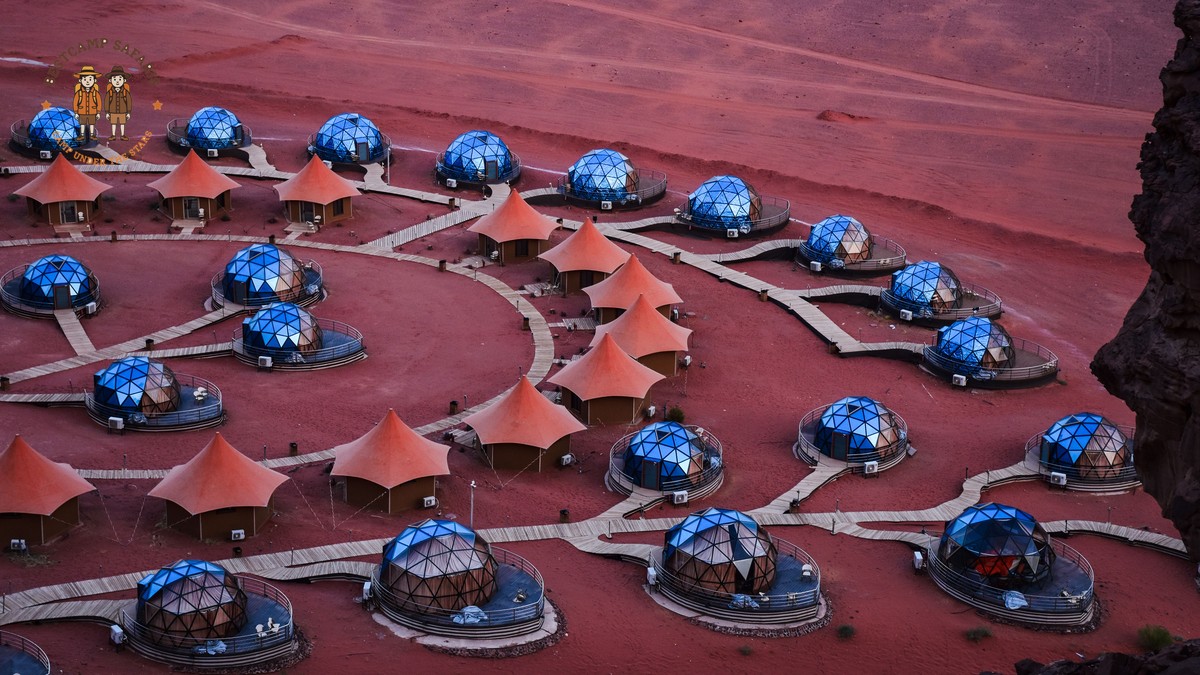
Permanent tented camps are the easiest choice for comfort because they usually offer larger canvas rooms, fixed bathrooms, reliable dining areas, and more consistent power. Mobile and fly camps are lighter and more remote. They typically use smaller tents, bucket showers, portable toilets, and little or no electricity in exchange for flexibility and deeper wilderness access.
A permanent camp has floors, plumbing, and a dining tent that stays in place. A mobile camp packs down. When you choose a mobile safari camp, the crew moves the entire structure while you are on game drive. That is why the phrase how mobile camps relocate matters. The timing, gear, and site selection affect how smooth your morning feels.
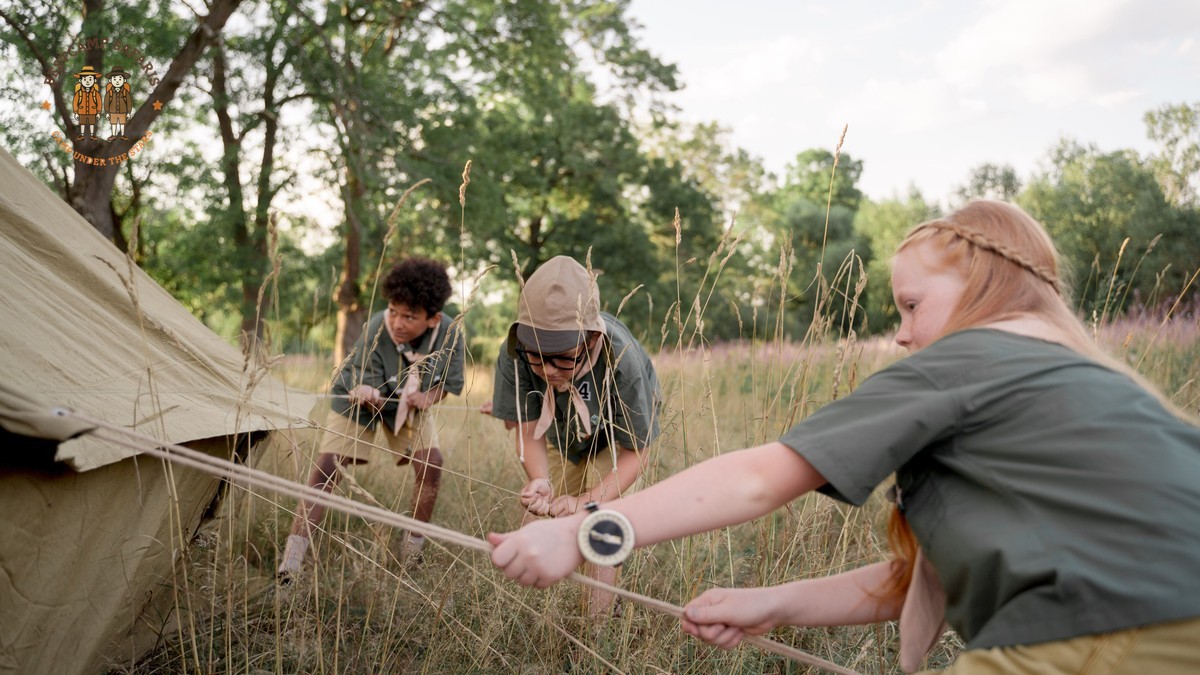
Fly camping Kenya is the lightest version. You walk into camp each evening, sleep in a dome tent with a mattress, and use a long-drop toilet hidden behind a canvas screen. It is not uncomfortable in the way people fear. It is simply honest about what it is.
The safari lodge versus tented camp debate is really about walls and distance. Lodges in Kenya offer solid rooms, bigger bathrooms, and often more soundproofing. Tented camps put canvas between you and the night. If you want to wake to the sound of elephants breathing outside, choose a tent. If you want a thick door, choose a lodge.
How Comfort Changes by Budget and Accommodation Tier
Economy camping usually covers the essentials but may mean simpler furnishings, shared facilities, or accommodation outside a park boundary. Mid-range permanent camps generally add private en-suite bathrooms, better beds, dependable meals, and more service. Luxury camps add spacious tents, hot running water, private decks, pools, laundry, spa services, and highly personalised staff attention.
On a strict budget, you can sleep at a public campsite for under USD 50 a night, but you still pay park entry. Lake Nakuru and Amboseli National Park each cost USD 90 for a non-resident adult per day. A cheap bed does not make the park entry cheap.
Mid-range permanent camps in the Mara Triangle often bundle your stay with conservancy fees, but the Narok County entry fee for the Mara Reserve is separate if your camp sits inside the reserve. For a spreadsheet-style view of lodge, camp, and self-catering rates, read Kenya safari cost by accommodation.
Luxury tents are not tents in the backpacking sense. Some have clawfoot baths, massage tents, or cold drinks delivered to your veranda. But the comfort rating comes from the camp’s setup, not the price alone. A USD 500 night at a poorly run mobile camp can be less comfortable than a USD 200 night at a well-run permanent one.
What Sleeping, Showering, Power, and Camp Logistics Are Really Like
Expect comfortable sleep when the tent has a full bed, mattress, bedding, and mosquito protection, but temperatures and wildlife sounds remain part of the experience. Hot water may be prepared on request, power may run only at set hours, and remote camps may require charging power banks before departure. Ask about each detail rather than relying on the word “tented.”
At 5am in a permanent camp in Naboisho, I woke rested but heard canvas moving and a zebra calling from the grassland. That is normal. If you wonder how a thin canvas room stays warm, read our notes on how cold safari tents can be at night. Short answer: layers, hot water bottles, and a thicker duvet matter more than the tent fabric.
Power is the detail that surprises most campers. A permanent tented camp may have a socket beside the bed, but the generator may switch off at 10pm. A mobile camp may have one solar charging box in the mess tent. For fly camping Kenya, charge your camera batteries and phone power bank before departure.
Hot water works differently in a fly camp. The crew heats water over embers, pours it into a black bucket, and hoists it with a rope and pulley. You pull a small cord to release a gentle spray. It uses maybe five litres. It is surprisingly good.
The ground also tells you where you are. On a camp cot, you feel the shape of the earth under the canvas. In a permanent tented camp with a raised wooden floor, you feel nothing. Both are fine. The question is which version you want at 5am before your game drive.
The BestCamp Safaris Difference
BestCamp Safaris does not try to sell you the tallest tent or the most expensive property. We ask how you sleep, how much privacy you need, and how remote you want to be. Then we match you to a camp style.
Our team has slept in public sites, mobile camps, and permanent tented camps. We know whether the bathroom is inside or behind the tent. We know how the camp routine sounds at dawn and how the coffee is served after a cold morning drive. We use that detail, not brochure language, to plan your route.
If you choose a mobile safari camp, we go over the daily movement plan. If you choose a fly camp in Chyulu Hills or the Mara Triangle, we tell you exactly what the walk in feels like. If you choose a permanent tented camp on the Mara River, we talk about the rooms, the power schedule, and the night sounds.
Frequently Asked Questions
What is the difference between luxury, comfort and economy accommodation on safari?
Luxury accommodation usually adds larger private tents or rooms, premium locations, hot running water, pools, spas, stronger power access, and more personalised service. Comfort accommodation normally provides private en-suite facilities and reliable meals with fewer extras. Economy accommodation remains functional but is more basic and may sit outside the reserve or offer simpler facilities.
Are Kenya safari tents comfortable?
Yes, many Kenya safari tents are comfortable and include real beds, bedding, mosquito nets, private bathrooms, and furnished living space. Comfort varies sharply, however: a permanent tented camp can feel like a hotel room, while a mobile or public campsite may use a mattress, bucket shower, and shared or basic toilet.
Do safari camps have private bathrooms and hot showers?
Permanent and many mid-range or luxury tented camps have private en-suite bathrooms and hot showers. Mobile, fly, and budget camps may provide bucket showers, portable toilets, long-drop toilets, or shared facilities instead. Confirm whether the bathroom is inside the tent and whether hot water is available continuously or by request.
Is mobile safari camping uncomfortable?
Mobile safari camping is less convenient than a permanent camp but is not necessarily uncomfortable. Guests may still have a proper bed, warm bucket shower, fresh meals, and a private tent, but electricity, flushing toilets, insulation, and storage are usually limited. It suits travellers who value remoteness and flexibility over hotel-style amenities.
Plan Your Safari with BestCamp Safaris
The next step is simple. Tell us your comfort level, your ideal park, and the nights you have open. We will recommend the right tented camp, fly camp, or public site, with honest notes about showers, power, and morning sounds. Start planning through our Kenya safari tours or reach out through our contact page.


