 Adventure Tours
The first time I slept in a safari tent in the Masai Mara, I expected to shiver. Instead, I woke at 5 a.m. warm under a duvet, with a hot water bottle still holding heat at my feet. The cold hit the moment I unzipped the tent, but the bed had done its job.
So how cold are safari tents at night? The short answer: usually cool, not freezing. The tent feels cooler than your room at home. Some places and some months test that rule.
This post walks through Kenya’s main safari areas, what camps provide, and what to pack.
How Cold Are Safari Tents at Night by Season and Destination
Most Kenya safari tents feel cool rather than freezing at night, but temperatures vary by location, altitude, and season. In the Masai Mara and Samburu, dry-season nights can feel chilly, while highland camps may become genuinely cold before sunrise. Coastal and lower-elevation areas are usually milder. Ask the camp for expected overnight lows before packing.
Seasons matter more than most people expect. Kenya has dry seasons and wet seasons. The coolest nights usually fall between June and August, during the long dry season. Clear skies and short days let heat escape fast after sunset. A July evening in the Mara can drop to about 12-16°C by 5 a.m. That is cool enough for a fleece, but a long way from freezing.
Lower reserves sleep warmer. Samburu sits around 800-900 m and may stay near 15-20°C overnight. Lake Nakuru and Laikipia are a different story, and I will cover them below.
The table below is your quick map. Temperatures are typical overnight lows, meaning the coldest point just before dawn. Treat the numbers as guides, not guarantees.
| Destination | Altitude | Typical pre-dawn low (indicative) | Park or conservancy fee, non-resident | Road time from Nairobi |
|---|---|---|---|---|
| Masai Mara National Reserve | 1,500-1,900 m | 12-16°C | USD 200 per day July-Dec; USD 100 per day Jan-June | About 270 km, 5-6 hours |
| Amboseli National Park | 1,100-1,300 m | 15-19°C | USD 90 per day | About 235 km, 4-5 hours |
| Lake Nakuru National Park | 1,760 m | 10-14°C | USD 90 per day | About 150 km, 2.5-3 hours |
| Samburu National Reserve | 800-900 m | 15-20°C | Approx. USD 60-80 per day (confirm current rate) | About 350 km, 5-6 hours |
| Laikipia conservancies (Ol Pejeta, Loisaba) | 1,700-2,000 m | 8-13°C | Conservancy fees roughly USD 80-150 per person per night (indicative) | About 250 km, 4-4.5 hours |
One fee note: the Masai Mara is run by Narok County, not Kenya Wildlife Service. Its fee jumps from USD 100 in low season to USD 200 in peak migration months. Amboseli and Lake Nakuru are KWS parks at USD 90 per day. Naboisho and Mara North conservancies bundle their fees into lodge rates, roughly USD 80-150 per person per night.
Why Pre-Dawn Game Drives Feel Colder Than the Tent
The coldest part of a safari day is usually the pre-dawn game drive, not the bed inside your tent. Open-sided vehicles lose body heat quickly, and wind makes temperatures feel lower before sunrise. Wear several removable layers, closed shoes, and a warm hat, and use the blanket or hot-water bottle many camps provide.
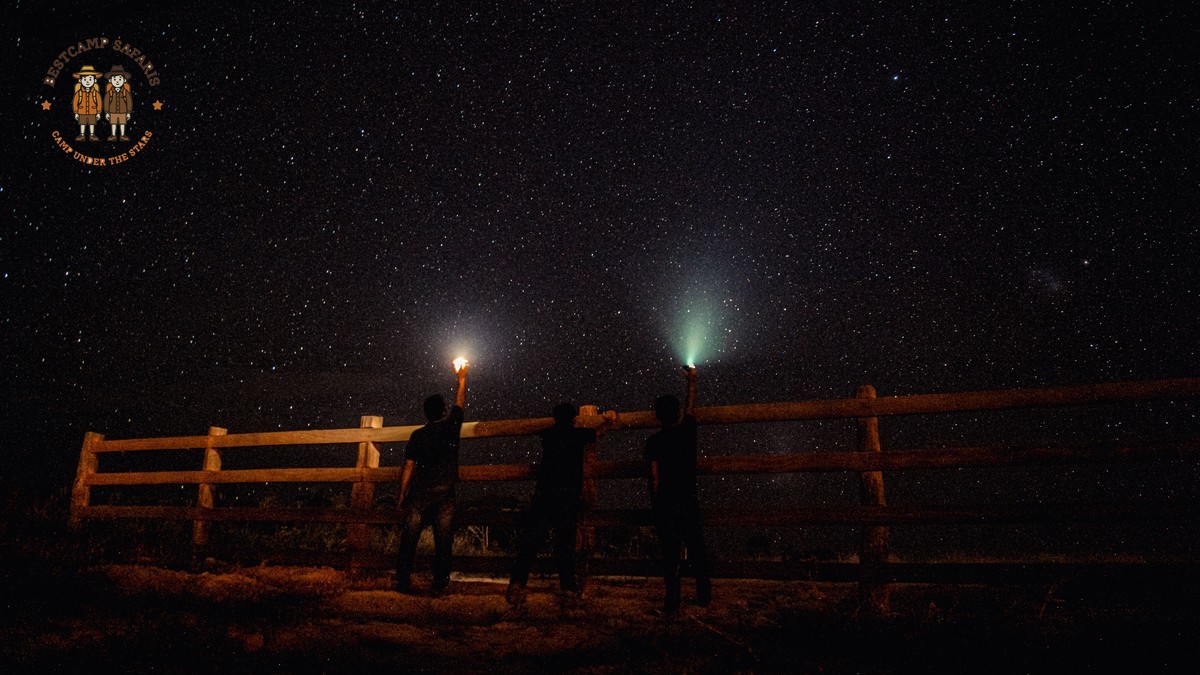
Picture the routine. A camp staff member wakes you at 5 a.m. with tea. You pull on a fleece, socks, and a hat, then walk through the dark to the Land Cruiser. The stars are out and dew covers the grass. You sit in an open vehicle for the next hour.
The wind is the problem. Moving air pulls heat from your skin. At 15°C with wind, your body feels closer to 10°C. The tent has no wind, and your bed holds body heat. The vehicle gives you neither.
Camps know this. Most vehicles carry blankets, and some add hot-water bottles for the first chilly minutes. But a beanie and scarf cost little and change everything. By 9 a.m., when the sun is up over the Mara, you can strip down to a t-shirt. That is why layers beat one heavy coat.
How Safari Camps Keep Tents Warm
Safari camps commonly keep guests warm with thick duvets, extra blankets, hot-water bottles, fireplaces, or portable heaters, depending on the camp and tent category. Mobile camps may rely mainly on bedding and hot-water bottles, while permanent luxury camps may have more heating equipment. Confirm the exact setup because canvas walls do not guarantee indoor heating.
In a typical mobile tented camp, the bed is prepared before dinner. A duvet sits over cotton sheets, with a wool blanket folded at the foot. In cold months, staff tuck a hot-water bottle under the duvet near your feet. You walk back from the campfire and climb into the warmest bed on the campsite.
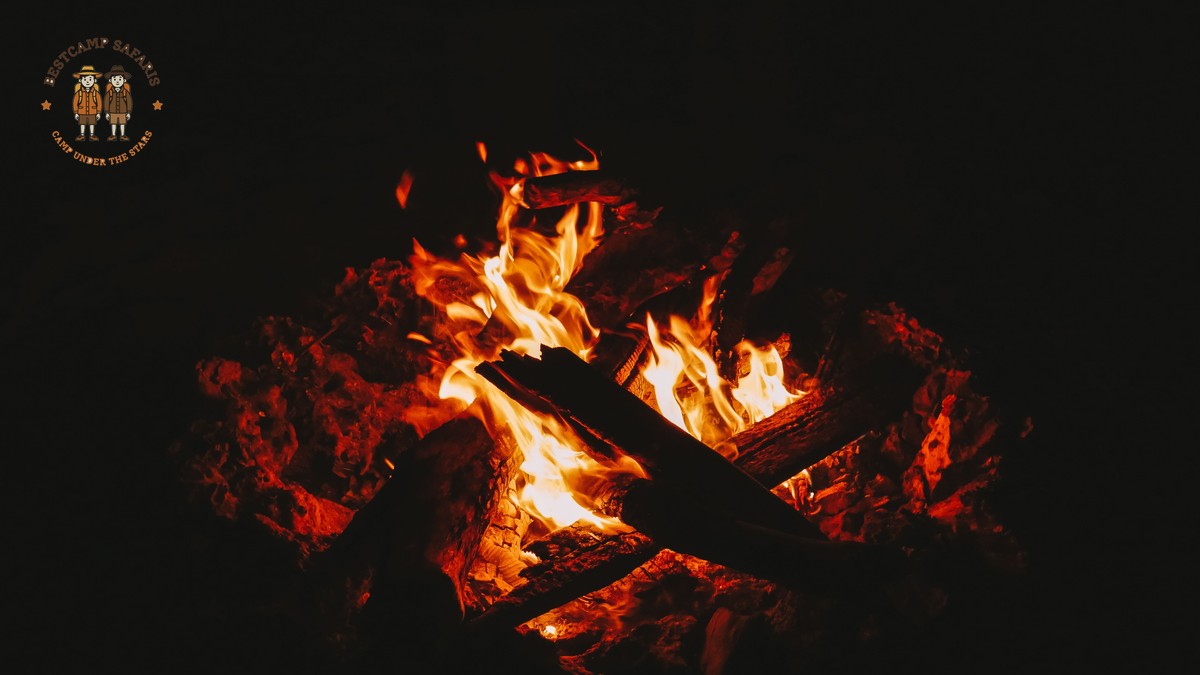
The campfire does more than set the mood. It is lit well before night, and guests gather with a drink before dinner. It is also your main heat source, because generators go off after dinner. For a closer look at how fires are built and watched safely, read how safari camp fires are managed safely.
Permanent camps work differently. Some luxury tented suites have electricity, a plug-in heater, or even a fireplace. The tent itself stays warmer, not just the bed. Always confirm the setup when you book, especially if you like sleeping at 20°C.
What to Pack for Cold Safari Nights
Pack a fleece or light insulated jacket, long trousers, warm socks, closed shoes, and a compact hat for cold safari nights and early drives. Choose layers rather than one heavy coat because daytime temperatures can rise quickly. Lightweight thermal underwear is useful in highland areas or during June-to-August travel.
Your packing list, in order of value:
- A packable fleece or thin insulated jacket. Use it for every early morning game drive and for the walk to dinner.
- Long trousers. Shorts do not work before sunrise.
- Warm socks and closed shoes. The vehicle floor is cold.
- A beanie. Head heat loss is real at 5 a.m.
- Thermal underwear. Pack it for Laikipia, Lake Nakuru, or any high altitude safari camp in June, July, or August.
- A scarf or buff. It doubles as a dust guard.
Skip the heavy parka. Daytime temperatures often reach 20-28°C, and a parka becomes dead weight. Build a system you can peel off by mid-morning. That is safari clothing done right: light base, warm middle, packable shell.
Hot-water bottles help too. If your camp does not supply them, carry a lightweight one. Refill it at dinner, then slip it to the foot of your bed.
How Altitude and Tent Type Affect Overnight Temperatures
Altitude can make a bigger difference than the word safari suggests. Camps on elevated plateaus or near mountain regions cool sharply after sunset, while lower, warmer reserves often stay comfortable. A basic mobile tent may have no heater. A permanent tented suite may include electricity, a heater, or an insulated bed setup, so compare facilities before booking.
Lake Nakuru sits at about 1,760 m. On a dry July night, temperatures can drop to around 10°C, and the table above shows that as its typical pre-dawn low. The Laikipia conservancies, north of Mount Kenya, sit even higher, often above 1,800 m. Nights of 8-13°C are common there, and mornings feel more like Scotland than a tropical safari.
Samburu sits near 800-900 m and stays warmer. Amboseli is mild, though the wind off Kilimanjaro adds an edge before sunrise.
Tent type matters too. A simple mobile tent uses breathable canvas. It keeps rain out, but it does not trap heat. The bed, not the tent, is what keeps you warm. This is also why rainy-season travel needs thought. Wet canvas can feel damper inside. If you are booking in those months, learn how safari tents handle Kenya’s rainy season.
A permanent tented suite often has a veranda, a proper door, electricity, and maybe a heater. Those extras make all the difference at 2,000 m. The walk back from dinner is safe. Camps use routines to keep wildlife away from guest areas. You can read how mobile camps secure tents from wildlife before your trip.
The BestCamp Safaris Difference
The BestCamp Safaris difference comes down to honesty about the nights, not just the game drives. We tell you if nights will be cold before you book. We check whether your camp provides hot-water bottles, extra blankets, or heaters. We send a packing list matched to your safari tent temperature and your destinations.
The bed is turned down with extra blankets in cold months. Dinner is served near the fire, and warm tea appears at your tent door before the 5 a.m. wake-up. You walk out at night to a lamplit path, and you return to a bed that was warmed while you ate.
That is the experience most first-time safari travelers want, a real adventure with no frozen nights. When you plan with BestCamp, you get a Kenya itinerary built around comfort as well as wildlife.
Frequently Asked Questions
How cold will safari tents get overnight?
Safari tents usually become cool or chilly overnight rather than dangerously cold, but high-altitude camps and dry-season travel can feel much colder. Most camps provide warm bedding, and many offer hot-water bottles or extra blankets. The camp’s location and accommodation style determine the actual experience.
Are safari tents cold at night?
They can feel cold near dawn. Guests are generally comfortable in bed when the tent has a duvet, blankets, and a properly prepared sleeping area. The bigger challenge is leaving the warm bed for an early game drive. Ask whether the camp supplies hot-water bottles, heaters, or extra bedding.
Do safari camps provide blankets and hot water bottles?
Many safari camps provide extra blankets and hot-water bottles during colder months, and some permanent camps also provide heaters or fireplaces. Mobile camps may offer fewer heating options but can still prepare a warm bed. Confirm the facilities directly when booking, especially for high-altitude destinations.
Will I be cold on an early morning game drive?
You may feel cold before sunrise because safari vehicles are open and moving air increases the chill. Wear a fleece or insulated jacket over light layers, plus warm socks and a hat. Camps often provide blankets, but personal layers are still the most reliable option.
Plan a Warmer Safari with BestCamp Safaris
Wondering whether a safari tent will work for your dates? That is exactly the question to ask before you book. Talk to BestCamp Safaris about your itinerary, and we will match camps, seasons, and packing advice to keep you comfortable. Visit our contact page and tell us when you want to travel. We will take care of the nights, so you can focus on the mornings.


