 Adventure Tours
For Kenya safari arabic speaking travelers, the priority is simple: a guide who speaks your Arabic, meals that are clearly halal, and prayer times built into the day. That kind of safari exists. It needs booking decisions made in the right order. This explainer covers guides, halal camp food, a seven-day route, fees, and the Kenya eTA. The numbers are current for 2026.
Can You Book an Arabic-Speaking Guide in Kenya?
Arabic-speaking driver-guides are available in Kenya, but the pool is limited. Request confirmation by name before paying a deposit, including the guide’s dialect, fluency, and whether the guide also drives the private 4×4. For two to four travelers, budget approximately USD 180-250 per day for the guide and vehicle, excluding accommodation and park fees.
The strongest group of Arabic-speaking guides works from Nairobi, the Maasai Mara, and coastal Mombasa. A guide in the Mara is usually both driver and wildlife spotter. Outside those circuits, you may need a local guide plus a separate interpreter. Ask for the guide’s name, dialect, and experience with first-time safari travelers. If you usually speak Gulf Arabic, confirm that your request says so. This matters more than any brochure promise.
Halal Food, Prayer, and Privacy at Safari Camps
Most mid-range and luxury safari camps can arrange halal meals when requested before booking, but few are halal-certified and dedicated prayer rooms are uncommon. Confirm halal meat sourcing, no-pork and alcohol-free preparation, prayer mats, qibla direction, ablution access, privacy, and Ramadan suhoor or iftar timing in writing before paying.
A camp that says “we can do halal” may still use the same grill for bacon at breakfast. That is why you need three written answers: where the meat comes from, whether the kitchen can avoid cross-contact, and whether alcohol service can be paused near your table. For prayer, expect a private area, not a prayer room. A tent deck, a lounge corner, or a quiet garden can work. Most camps know the qibla direction or can find it on a compass. Small mobile camps handle this better than large lodges because the camp manager shares your daily plan with the kitchen. A private camping safari with BestCamp Safaris keeps those requests in the pre-trip file, so you do not repeat yourself every day.
A Practical Seven-Day Kenya Safari Route
A practical seven-day route is Nairobi, two nights in Amboseli, one night near Lake Nakuru or Nairobi, and three nights in the Maasai Mara. This balances Kilimanjaro views and elephants, rhino and birdlife, and big-cat viewing, while a final Mara flight to Nairobi can reduce the risk of missing an international departure.
Day one is a light arrival day. You can visit the David Sheldrick Wildlife Trust or the Giraffe Centre near Nairobi if you land early. Days two and three belong to Amboseli. Day four covers Lake Nakuru and a night near the lake. Days five through seven are for the Mara. This is the same route we outline in the seven-day Kenya safari route for French-speaking travelers, but the structure works in any language.
| Day | Focus | Night Stop | Park Entry, Non-Resident Adult |
|---|---|---|---|
| 1 | Arrive Nairobi, rest, safari briefing | Nairobi hotel | None |
| 2-3 | Amboseli: elephants, Kilimanjaro views | Amboseli camp | USD 90 |
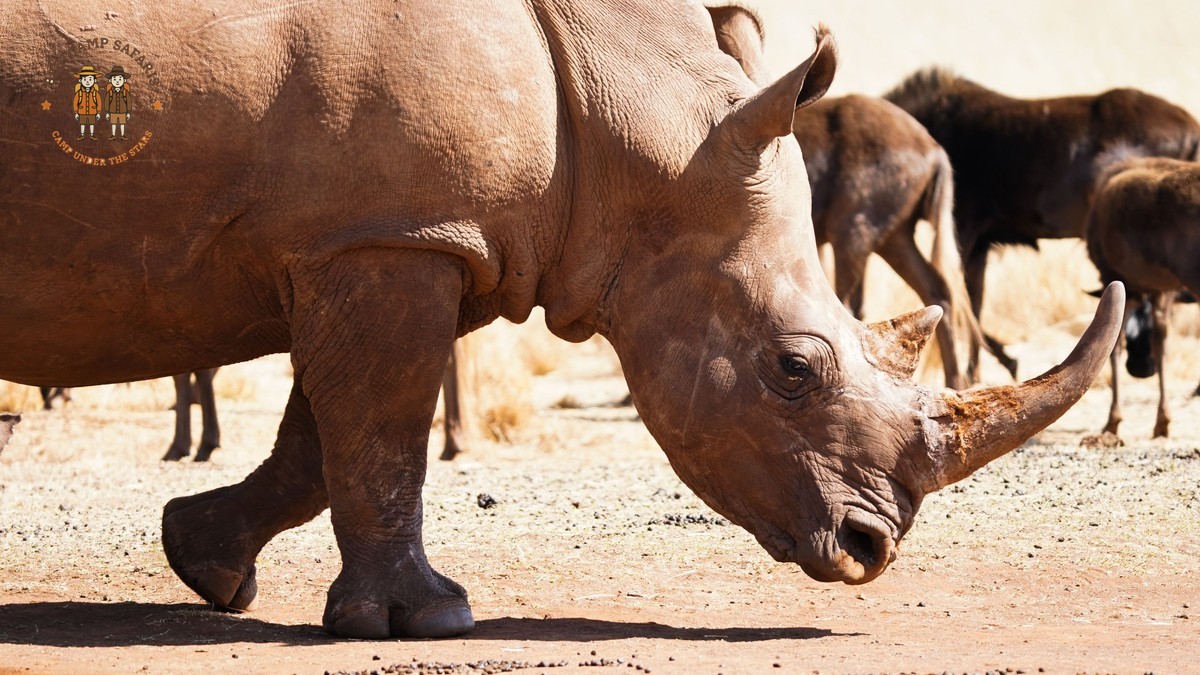
| 4 | Lake Nakuru: rhinos, flamingos, birds | Nakuru lodge or Nairobi | USD 90 |
| 5-7 | Maasai Mara: big cats, migration | Mara camp | USD 100 Jan-Jun / USD 200 Jul-Dec |
Drive times are honest but long. Nairobi to Amboseli is about 240 km and around 4 hours. Amboseli to Lake Nakuru is roughly 300 km and 5 to 6 hours. Lake Nakuru to the Mara is about 270 km and 5 to 6 hours. Morning departures make all the difference.
Kenya eTA and What to Expect at Arrival
Most foreign visitors, including travelers from Gulf and other Arabic-speaking markets, need an approved Kenya Electronic Travel Authorization before flying. Each traveler, including children, normally needs an individual application; apply at least several days ahead, verify the current fee on the official portal, and carry digital and printed approval documents.
The eTA is not a visa stamp. You apply online, pay in USD, and receive a digital approval. Fees change, so check the official portal before booking flights. Some airlines look for eTA approval at check-in. Keep a printed copy with your passport. The process is quick, but it is the most common reason a safari date gets moved.
Kenya Safari Arabic Speaking Travelers: Best Time to Visit
June to October is the strongest overall period for dry weather and wildlife visibility, with July to September offering the best chance of seeing the Great Migration. January and February are warmer and often quieter, while April-May and November can lower costs but bring more rain. Book Arabic-speaking guides earlier for July-October, Ramadan, and Eid.
Ramadan shifts earlier by about 11 days each year. If your safari falls in that month, ask the camp about suhoor boxes, iftar times, and evening game drives. Many camps will adjust. Eid weeks are busy in the Mara. A guide who is free in April may not be free for Eid. Book 4 to 6 months ahead for peak season, and at least 8 weeks ahead for Ramadan.
Kenya Safari Costs and What a Quote Should Show
A private mid-range Kenya safari commonly costs about USD 400-700 per person per night, while a private Arabic-speaking guide and 4×4 may add or account for roughly USD 180-250 per day for two to four travelers. Ask for park fees, camps, meals, transfers, guide costs, flights, taxes, and gratuities as separate line items.
The daily guide supplement is separate from accommodation. On a private trip for two adults, the guide and vehicle share USD 180-250 per day. Park fees are fixed. Amboseli and Lake Nakuru each cost USD 90 per adult per day. The Maasai Mara costs USD 100 per adult per day from January to June and USD 200 from July to December. That reserve is run by Narok County, not by Kenya Wildlife Service. Internal flights add another layer. A Mara to Nairobi flight often costs roughly USD 150-250 per person, depending on season. For a second look at the same rate structure, see Kenya safari costs and eTA requirements for Turkish-speaking travelers.
Checklist Before You Send a Deposit
No matter how good the messages feel, ask for these details in writing before you transfer money:
- The named guide, dialect, and whether they are also the driver.
- Halal meat source, no-pork kitchen, and alcohol-free service by request.
- Prayer mat, qibla direction, ablution water, and private prayer spot.
- eTA confirmation for every traveler, including children.
- Internal flights and airport transfers in or out of the quote.
- Cancellation terms and what happens if the guide falls ill.
BestCamp Safaris sends this checklist with every itinerary. If your current operator hesitates, that is a warning sign.
Next Step: Shape the Plan Around Your Dates
Once the guide is named and the halal kitchen is confirmed, the plan becomes simple. You are left with the best part: choosing whether your first morning drive starts with Kilimanjaro or with the Mara River. Send BestCamp Safaris your rough dates and the dialects you need, and we will build a seven-day plan around your answers. Start with the seven-day halal Kenya safari plan for the camp-level details, then reach out through the BestCamp Safaris contact page when you are ready.


