 Adventure Tours
You have packed the pills, the inhaler, and maybe the insulin. The real question is how are safari camp medicines stored when afternoon heat in the Masai Mara can hit 35°C and the nearest pharmacy is hours away. The simple answer: most medicines stay in labelled original containers in a shaded, dry spot. The practical answer depends on whether your night is in a permanent lodge, a mobile tented camp, or a fly camp. Those three settings change everything.
How Are Safari Camp Medicines Stored Without Refrigeration
Most tablets, capsules, and sealed liquids stay in their labelled original containers inside a waterproof pouch, stored in a shaded, dry part of the tent or room. Keep them away from direct sun, vehicle heat, humidity, children, and wildlife. Most non-refrigerated medicines do not need a camp fridge.
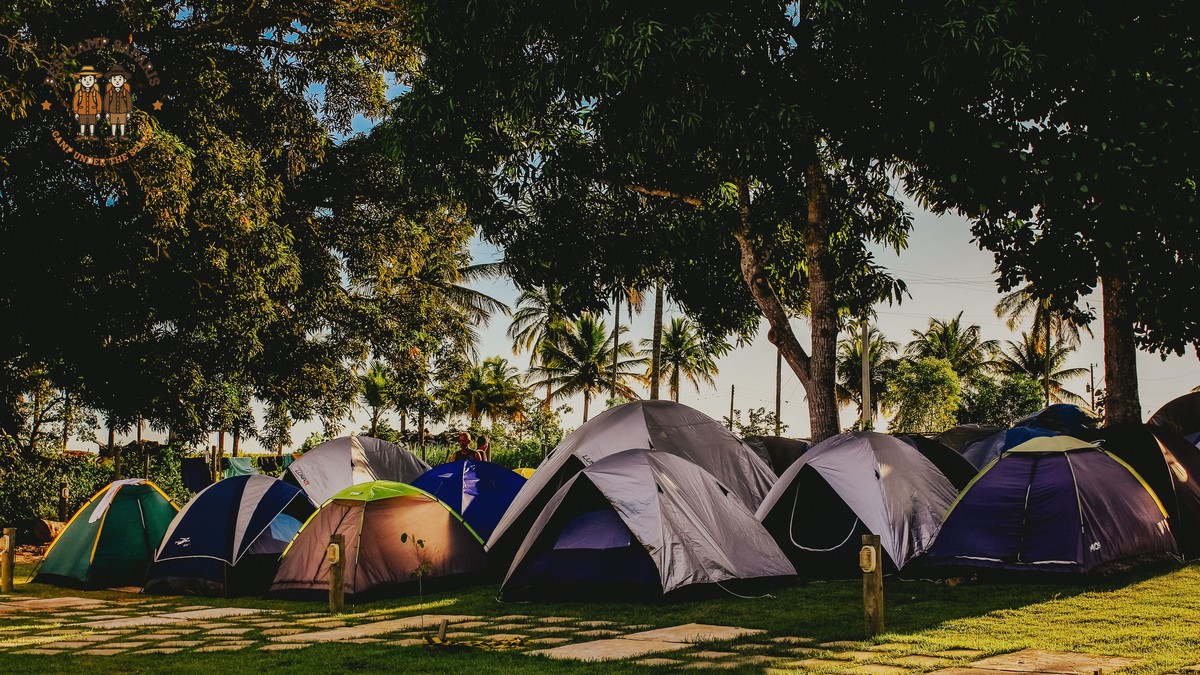
At a permanent lodge such as Sarova Mara Game Camp, a bedside drawer plus a personal lockbox usually works. In a mobile tented camp, a hanging organizer near the tent floor keeps the pouch off the hot canvas. The hottest place inside a tent is the upper third of the canvas in the afternoon. The floor, away from the walls, stays noticeably cooler. A small digital thermometer in the pouch helps you notice problems before the medicine does.
How Safari Camps Handle Refrigerated Medicines
Medicines labelled for refrigeration should stay within the manufacturer’s stated range, commonly 2-8°C, using a monitored medical or camp refrigerator when available. Confirm access before arrival. If a cooler is necessary, keep medicine in a separate sealed bag, prevent direct contact with ice, and never freeze it.
Insulin storage safari planning starts with a phone call, not a packing list. Ask the camp manager whether a fridge exists and whether it stays powered all night. Some permanent lodges, including Ashnil Aruba Camp in Tsavo East, have staff-operated fridges. Mobile camps like Elephant Bedroom Camp in Samburu will often reserve a small fridge for a medical need if you tell them in advance. Fly camps are different. A walking fly camp in Chyulu Hills may have no power at night. For those nights, you rely on an insulated medication cooler for safari, with a plan approved by your pharmacist. Refrigerated medicine safari planning is not hard. It just has to happen before you leave Nairobi.
Where Medicines Are Kept in Lodges, Mobile Camps, and Fly Camps
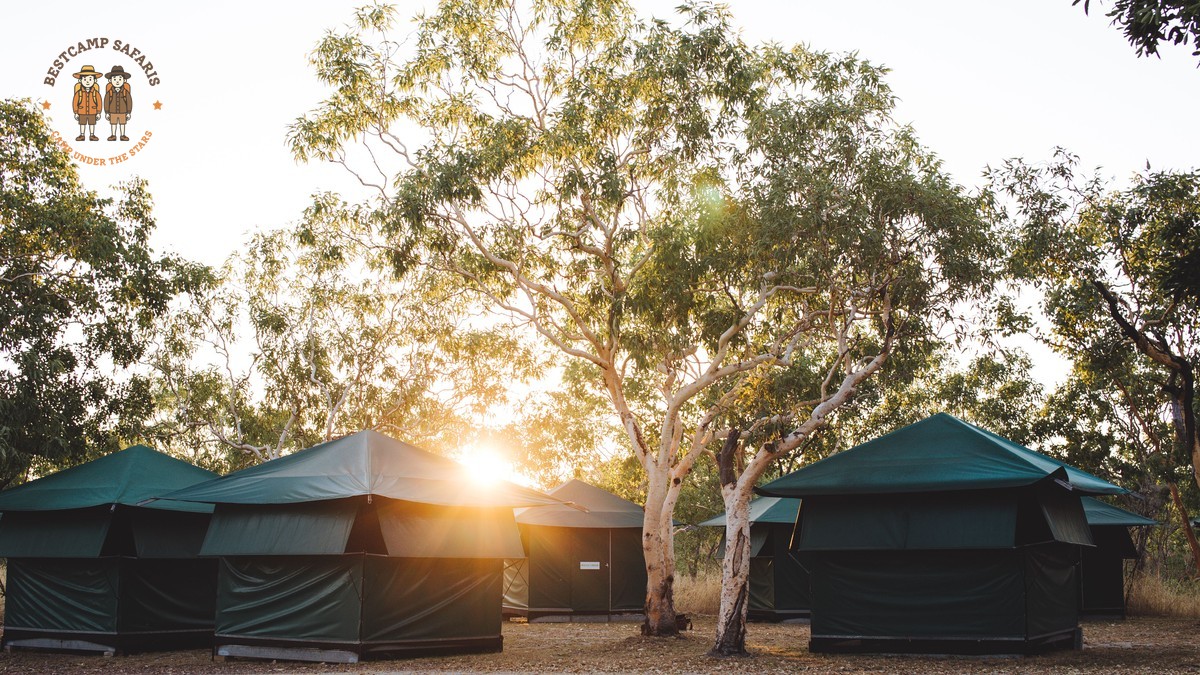
Permanent lodges are most likely to offer a refrigerator or secure staff storage, while mobile camps may provide a small fridge or insulated cool box if asked in advance. Fly camps may have no fixed refrigeration, so travellers should bring an appropriate cooling wallet or cooler and plan doses accordingly.
The table below shows what to expect by camp type.
| Camp type | Example | Distance from Nairobi | Typical medicine storage | Confirm before arrival |
|---|---|---|---|---|
| Permanent lodge | Ashnil Aruba Camp, Tsavo East | 350 km, about 6 hours | Mini-fridge in the room or secure staff fridge | Is the fridge temperature checked? Is food stored inside too? |
| Mobile tented camp | Elephant Bedroom Camp, Samburu | 350 km, about 6-7 hours | Small fridge or cool box arranged with the camp | Can you request a medical fridge when you book? |
| Fly camp | Walking fly camp in Chyulu Hills | 250 km, about 4-5 hours | No fixed power; bring a medication cooler for safari | How many nights are off-grid? When can you refreeze the packs? |
This table matches what BestCamp Safaris sees when clients compare lodge stays with a mobile camping safari in the Mara or a fly camp in Chyulu Hills. Semi-permanent camps such as Porini Mara in the Ol Kinyei Conservancy blur the line, so their storage plan should be confirmed individually. The pattern is consistent. The more permanent the camp, the more options you have. The more mobile the safari, the more you carry your own solution. That is the core of safari medication storage: match the container to where you sleep.
How Camps Secure, Label, and Control Access to Medicines
Prescription medicines should remain in their original pharmacy containers with clear labels. They should be kept locked, or under the direct control of authorised staff, when camp personnel administer them. Emergency medicines such as epinephrine or asthma inhalers need rapid access rather than inaccessible locked storage.
The original prescription container protects you in three ways. It shows the drug name, the dose, and the date. It also shows camp staff what not to mix. Keep one medicine per container, never combine tablets in a single pill organiser unless you packed it at home with a pharmacist. For a family, that means labelling each child’s container with initials. Emergency medicines stay in the day bag, not in a suitcase under the bed. If something is left at home, read what happens if you forget your medication before you worry.
How to Transport Medicines Between Safari Camps
Carry medicines in hand luggage or day luggage, inside their original containers and a waterproof pouch, rather than leaving them in a parked safari vehicle. For temperature-sensitive medicines, use an insulated medication cooler with suitable packs, keep ice from touching the medicine, and ask a pharmacist about acceptable temperature excursions.
During a road transfer, the floor of the vehicle is the coolest spot. The seat in direct sun is not. The roof rack is a mistake. During a safari flight, keep the pouch in the cabin. Cargo holds may be cold, but they are rarely temperature controlled. A travel-friendly medication cooler for safari fits inside a normal daypack and takes up less room than a pair of binoculars. What to pack for fly camping normally fits in the same small bag.
Ready to Plan Your Safari Medicine Storage?
Once you know where each medicine will sleep, packing stops being guesswork. Picture the night at a fly camp in Chyulu Hills: the last light going, the cook packing away the dinner kit, and your insulin sitting safely in a cooler at the foot of the cot. That picture is reachable. BestCamp Safaris plans camping safaris around the details that usually get missed, including fridge access and medicine storage. Ask us which camps can hold a steady temperature, then let the conversation wander toward the hills. Reach out through the contact page when you want to turn the medicine map into a booking.